Anteprima in scala reale
 Condividi
 Condividi
 Dettagli
 Guida stampabile

 Scarica
 Articoli simili
 Radiografia
 Slideshow
 Statistiche
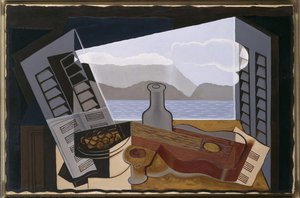
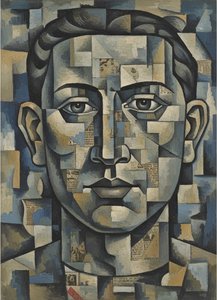
The Miller
 Olio su tela
- Opere da parete
- Cubism
 1918
1918- Modern
 100.0 x 81.0 cm
 Leggi tutto
Giclée / Stampe d'arte
Stampa giclée o su tela di qualità museale, con produzione rapida e diverse opzioni di finitura. ( Ordina la riproduzione dipinta a mano Passa all'immagine digitale)




P118B €10

P118H €10

P118W €10

P438Z €10

P508JH €12

P508YH €12

P805H €10

P805Z €10

P919BZ €10

P919G €10

P919XJ €10

P959ZH €10

P968JZ €12

W106C €8

W218G €10

W218JH €8

W218Y €10

W307PJ €10

W316G €10

W316PJ €8

W316Y €10

W398PJ €8

W4111J €10

W500HY €15

W500JH €15

W692G €12

W849H €8

W940BG €15

W953PJ €8




Scegli tra le nostre dimensioni predefinite, che rispettano le proporzioni originali dell'opera d'arte.

Inserisci la larghezza e l'altezza desiderate, per adattarle alla tua cornice o alla tua parete. Una stampa può essere solo ritagliata, mai resa più grande dell'immagine originale; pertanto, un formato con una forma differente comporterà la perdita di una parte dell'opera. Ti invieremo un mockup digitale da approvare prima di procedere con la stampa. L'immagine mostrata in questa pagina non rappresenta il ritaglio reale — solo il mockup lo mostra.
Consegna in tutto il mondo () in 2 settimane invece delle normali 4/5 settimane. (24 Ottobre)

Spedizione espressa gratuita in tutto il mondo

Tela in lino di alta qualità

Assicurazione completa sulla spedizione

Garanzia di rimborso dei dazi doganali

Garanzia di perfetta fedeltà cromatica

Politica di reso entro 100 giorni (solo per difetti di fabbricazione)

Garanzia di rimborso al 100%

Sconto per acquisti multipli
 L'opzione vetro è disponibile solo per dimensioni inferiori a 110 cm

The Miller
Giclée / Stampe d'arte
Dimensioni della riproduzione
-


Prezzo totale
€ 70
The Geometry of Vision: Exploring Juan Gris's The Miller
To stand before Juan Gris’s The Miller is not merely to observe a painting; it is to step into a meticulously constructed intellectual space where reality itself has been disassembled and reassembled. Created in 1918, this seminal work stands as a profound testament to the power of Cubism—an art movement that dared to shatter the polished veneer of traditional representation. Gris, deeply influenced by the revolutionary breakthroughs of Picasso and Braque, channeled his own analytical mind, honed perhaps even during his early studies in engineering, into a visual language that is both rigorously structured and breathtakingly dynamic. The painting confronts the viewer with a subject—a seated figure at what appears to be an instrument—but renders it through a prism of geometric abstraction.
Mastery of Synthetic Cubism
Technically speaking, The Miller is a quintessential example of Synthetic Cubism. Unlike earlier explorations that merely fragmented forms, Gris’s approach here emphasizes the construction itself. Observe how the figure and its surroundings are broken down into overlapping planes, sharp angles, and simplified geometric components. The artist does not depict what he sees in a single glance; rather, he presents multiple viewpoints simultaneously, forcing the eye to reconcile disparate facets of existence on a single canvas. This masterful layering creates an illusion of depth that is achieved not through traditional linear perspective, but through careful juxtaposition and overlapping forms. The color palette supports this intellectual rigor: warm oranges, earthy browns, and sunny yellows anchor the composition, providing a vibrant counterpoint to cooler blues and grays, all bound together by sharply defined, almost architectural lines.
Symbolism and the Subjective Experience
Beyond its formal brilliance, The Miller invites contemplation on the nature of perception. The solitary figure, enveloped within this geometric matrix, can be read as a profound meditation on consciousness itself. Cubism, at its heart, was an attempt to map the subjective experience—the way our minds process time and space, which is inherently non-linear. Gris seems to suggest that reality is not a single, fixed moment, but rather a complex interplay of angles, memories, and simultaneous perspectives. For the collector or designer, this translates into an object that sparks conversation, suggesting depth and intellectual curiosity within any curated setting.
An Enduring Presence for Modern Interiors
For those seeking art that speaks to both history and modernity, The Miller offers unparalleled resonance. Its bold structure and controlled vibrancy make it a spectacular focal point. While the subject matter is deeply rooted in early 20th-century avant-garde movements, its clean lines and sophisticated color balance allow it to integrate seamlessly into contemporary interiors—be they minimalist galleries or richly decorated drawing rooms. Owning a reproduction of this work is acquiring more than just an image; it is adopting a piece of art history that celebrates the triumph of intellect over mere imitation, offering a permanent visual dialogue with one of the most innovative periods in human artistic endeavor.
Domande e risposte
In quale ambiente si consiglia di esporre "The Miller", considerando la sua palette cromatica?
I colori Scuri di "The Miller" di Juan Gris si armonizzano con lo spazio consigliato: un/una Spazi lounge.
In che anno è stata realizzata "The Miller"?
"The Miller" risale al 1918. La data colloca l'opera all'interno della carriera di Juan Gris e della sua epoca.
In che modo i colori di "The Miller" di Juan Gris si relazionano alla sua emozione?
La tavolozza Scuri di "The Miller" di Juan Gris si sposa con il suo tono emotivo Contemplativo. Il colore è uno dei modi in cui un'opera trasmette emozioni.
Biografia dell'artista
Juan Gris: Un Pioniere del Cubismo
- Nato: 23 marzo 1887, Madrid, Spagna
- Morto: 11 maggio 1927
Primi Anni e Sviluppo Artistico
José Victoriano González-Pérez, conosciuto come Juan Gris, nacque a Madrid, in Spagna. La sua prima vita fu dedicata allo studio di ingegneria presso la Scuola di Arti e Scienze dal 1902 al 1904. Durante questo periodo, contribuì con disegni a periodici locali, dimostrando una precoce attitudine alla rappresentazione visiva. Dal 1904 al 1905, Gris studiò pittura con José Moreno Carbonero, sviluppando ulteriormente le sue capacità artistiche. Nel 1905, adottò lo pseudonimo Juan Gris, un nome che sarebbe diventato sinonimo del suo stile distintivo.
Influenze Parigine e l'Ascesa del Cubismo
Un momento cruciale nella carriera di Gris arrivò nel 1906 quando si trasferì a Parigi. Questo trasferimento lo espose a una vivace comunità artistica, dove strinse amicizia con figure influenti come Henri Matisse, Georges Braque e Fernand Léger. Fu profondamente influenzato da Pablo Picasso, inviando inizialmente illustrazioni umoristiche a riviste come *L'Assiette au Beurre*, *Le Rire*, *Le Charivari* e *Le Cri de Paris*. Intorno al 1910, Gris iniziò a dipingere seriamente, dedicandosi allo sviluppo di uno stile cubista personale. Si allontanò dall'illustrazione satirica verso composizioni più astratte.
Opere Chiave e Stile Artistico
La produzione artistica di Juan Gris è caratterizzata da diverse caratteristiche chiave:
- Chiarezza e Ordine: Il suo lavoro enfatizzava la chiarezza e l'ordine, influenzando lo stile purista promosso da Amédée Ozenfant e Charles Edouard Jeanneret (Le Corbusier).
- Struttura Geometrica: Il "periodo cristallino" di Gris, esemplificato in opere come *Natura Morta davanti a una Finestra Aperta* e *Place Ravignan* (1915), presentava una forte struttura geometrica.
- Cubismo Sintetico: Dopo il 1913, Gris abbracciò il Cubismo Sintetico, utilizzando ampiamente tecniche come papier collé o collage. Ciò implicava l'incorporazione di materiali del mondo reale nei suoi dipinti, aggiungendo texture e profondità.
Opere notevoli includono:
- Chitarra davanti al mare (1925): Dimostra la sua semplicità e l'adesione ai principi cubisti.
- Omaggio a Pablo Picasso (1912): La sua prima esposizione al Salon des Indépendants, una testimonianza del suo crescente riconoscimento nel mondo dell'arte.
Eredità e Significato Storico
Il contributo di Juan Gris al Cubismo è significativo. Si spinse oltre la fase analitica iniziale del movimento verso un approccio più strutturato e sintetico. La sua enfasi sulla chiarezza, sulle forme geometriche e sull'incorporazione di oggetti quotidiani nelle sue composizioni lo ha stabilito come una figura guida nell'arte del XX secolo. Il suo lavoro continua ad essere celebrato per la sua rigore intellettuale e bellezza estetica, influenzando le generazioni successive di artisti.

Juan Gris
1887 - 1927 , Spagna
Informazioni rapide
- Artistic Movement Or Style: Cubismo, Cubismo sintetico
- Artists Or Movements Influenced By This Artist:
- Amédée Ozenfant
- Charles Edouard Jeanneret
- Artists Who Influenced This Artist:
- Pablo Picasso
- Georges Braque
- Henri Matisse
- Date Of Birth: 23 marzo 1887
- Date Of Death: 11 maggio 1927
- Full Name: Juan Gris
- Nationality: Spagnolo
- Notable Artworks:
- Chitarra davanti al mare
- Omaggio a Pablo Picasso
- Natura morta con finestra
- Place Ravignan
- Colazione
- Place Of Birth: Madrid, Spagna
Articoli correlati

Astrazione Geometrica: 10 Capolavori che Hanno Definito un Movimento Artistico
Esplora i 10 capolavori dell'Astrazione Geometrica: Mondrian, Malevich e Kandinsky rivoluzionano l'arte moderna. Scopri la storia, i colori e le tecniche di questi movimenti iconici. Stampe d'arte di alta qualità su OriginalUniqueArt.com!
Cubism Unveiled: How Picasso and Braque Redefined Reality Through Geometric Abstraction
Explore the revolutionary world of Cubism. Discover how masters Pablo Picasso and Georges Braque dismantled reality through geometric abstraction to redefine modern art history.
Juan Gris: Decostruzione e Sintesi Cubiste – Un'Esplorazione Completa
Esplora la vita e l'opera di Juan Gris, maestro del Cubismo. Analisi approfondita delle sue tecniche innovative, dal protocubismo al collage sintetico. Guida per collezionisti d'arte.
Deconstructing Reality: Cubism's Revolutionary Impact on 20th-Century Art
Explore the revolutionary world of Cubism with OriginalUniqueArt. Discover Picasso & Braque's groundbreaking techniques, its philosophical roots, and lasting impact on modern art. Expert insights for collectors.
Deconstructing Identity: A Comprehensive Exploration of Cubist Portraiture
Explore the revolutionary world of Cubist portraiture with our comprehensive guide. Discover Picasso, Braque, Gris & the movement's impact on modern art. Expert analysis for collectors and enthusiasts.