Anteprima in scala reale
 Condividi
 Condividi
 Dettagli
 Guida stampabile

 Scarica
 Articoli simili
 Radiografia
 Slideshow
 Statistiche
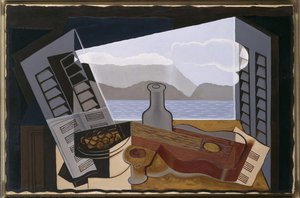
Natura morta con chitarra
 Acrilico su tela
- Opere da parete
- Sintesi Cubista
 1913
1913 66.0 x 100.0 cm
 Metropolitan Museum of Art
 Leggi tutto
Giclée / Stampe d'arte
Stampa giclée o su tela di qualità museale, con produzione rapida e diverse opzioni di finitura. ( Ordina la riproduzione dipinta a mano Passa all'immagine digitale)




P118B €10

P118H €10

P118W €10

P438Z €10

P508JH €12

P508YH €12

P805H €10

P805Z €10

P919BZ €10

P919G €10

P919XJ €10

P959ZH €10

P968JZ €12

W106C €8

W218G €10

W218JH €8

W218Y €10

W307PJ €10

W316G €10

W316PJ €8

W316Y €10

W398PJ €8

W4111J €10

W500HY €15

W500JH €15

W692G €12

W849H €8

W940BG €15

W953PJ €8




Scegli tra le nostre dimensioni predefinite, che rispettano le proporzioni originali dell'opera d'arte.

Inserisci la larghezza e l'altezza desiderate, per adattarle alla tua cornice o alla tua parete. Una stampa può essere solo ritagliata, mai resa più grande dell'immagine originale; pertanto, un formato con una forma differente comporterà la perdita di una parte dell'opera. Ti invieremo un mockup digitale da approvare prima di procedere con la stampa. L'immagine mostrata in questa pagina non rappresenta il ritaglio reale — solo il mockup lo mostra.
Consegna in tutto il mondo () in 2 settimane invece delle normali 4/5 settimane. (23 Ottobre)

Spedizione espressa gratuita in tutto il mondo

Tela in lino di alta qualità

Assicurazione completa sulla spedizione

Garanzia di rimborso dei dazi doganali

Garanzia di perfetta fedeltà cromatica

Politica di reso entro 100 giorni (solo per difetti di fabbricazione)

Garanzia di rimborso al 100%

Sconto per acquisti multipli
 L'opzione vetro è disponibile solo per dimensioni inferiori a 110 cm

Natura morta con chitarra
Giclée / Stampe d'arte
Dimensioni della riproduzione
-


Prezzo totale
€ 70
Still Life with Guitar – A Symphony of Fragmentation
The painting “Still Life with Guitar,” executed in 1913 by Juan Gris, transcends mere representation; it embodies the core tenets of Cubism and invites contemplation on perception itself. Created during Céret’s artistic zenith—a period marked by collaboration between Picasso and Matisse—the artwork stands as a testament to the movement's radical departure from traditional artistic conventions. Gris’s meticulous approach—characterized by analytical dissection followed by synthetic reconstruction—is immediately apparent upon observation. The scene depicts a guitar alongside a wineglass, pipe, and bottle, arranged against a backdrop of muted hues that serve to heighten the impact of geometric forms dominating the composition.Deconstructing Reality: Analytical Cubism's Influence
Gris’s initial foray into Cubism aligns closely with the principles championed by Picasso and Braque—namely, the fragmentation of objects into interlocking planes and the simultaneous depiction of multiple viewpoints. This technique, exemplified in “Still Life,” seeks to capture not just what is visible but also how it is perceived. The guitar itself is meticulously broken down into angular shards, mirroring the fractured reality presented on canvas. Shadows cast upon these fragments are equally fragmented, defying conventional notions of illumination and adding a layer of complexity to the visual experience. This deliberate distortion underscores Cubism’s ambition to challenge viewers' assumptions about spatial relationships.Synthetic Harmony: Embracing Collage and Color
As Gris progressed in his artistic development, he embraced Synthetic Cubism—a stylistic evolution that prioritized color and textural richness over strict geometric precision. The incorporation of papier collé—decorative paper fragments adhered to the canvas—introduces an element of spontaneity and visual surprise. These collaged elements disrupt the rigid grid structure characteristic of Analytical Cubism, injecting organic textures and vibrant hues into the overall palette. The bold reds and yellows employed in “Still Life” contribute to a sense of dynamism and emotional intensity, mirroring the influence of Matisse’s expressive style.A Reflection of Artistic Zeitgeist: Fantômas and Pulp Fiction
The painting's genesis is inextricably linked to the cultural milieu of its time—specifically, the pervasive fascination with pulp fiction series like Fantômas and their cinematic adaptations. Gris drew inspiration from Fantômas’s stealthy maneuvers and theatrical disguises, mirroring the artist’s penchant for stylistic experimentation and subversive commentary. This influence manifests in the painting's deliberate mock deviousness—a playful nod to the genre’s conventions of suspense and illusion. The fractured perspective and fragmented forms serve as visual metaphors for the disorientation experienced by characters navigating the shadowy underworld depicted in Fantômas films.Emotional Resonance: Beyond Representation
Ultimately, “Still Life with Guitar” transcends mere depiction; it communicates an emotional resonance that lingers long after viewing. The painting’s unsettling juxtaposition of geometric shapes and muted colors evokes a sense of unease—a deliberate provocation designed to unsettle the viewer's expectations. Yet, amidst this apparent dissonance lies a profound harmony—a testament to Gris’s masterful command of artistic technique and his unwavering commitment to exploring the complexities of human perception. It remains an enduring emblem of Cubism’s transformative legacy—a celebration of fragmentation as a pathway toward aesthetic enlightenment.Domande e risposte
Da quale paese proviene l'opera del Sintesi Cubista "Natura morta con chitarra"?
L'opera Sintesi Cubista "Natura morta con chitarra" è stata realizzata da un artista nato in Spagna.
Quale stato d'animo ed emozione esprime "Natura morta con chitarra" di Juan Gris?
"Natura morta con chitarra" di Juan Gris trasmette una sensazione Contemplativo all'interno di un'atmosfera complessivamente Serenità.
"Natura morta con chitarra" di Juan Gris è tra le opere più ricercate del Sintesi Cubista?
"Natura morta con chitarra" di Juan Gris è classificata come Iconici e appartiene al movimento Sintesi Cubista.
Biografia dell'artista
Juan Gris: Un Pioniere del Cubismo
- Nato: 23 marzo 1887, Madrid, Spagna
- Morto: 11 maggio 1927
Primi Anni e Sviluppo Artistico
José Victoriano González-Pérez, conosciuto come Juan Gris, nacque a Madrid, in Spagna. La sua prima vita fu dedicata allo studio di ingegneria presso la Scuola di Arti e Scienze dal 1902 al 1904. Durante questo periodo, contribuì con disegni a periodici locali, dimostrando una precoce attitudine alla rappresentazione visiva. Dal 1904 al 1905, Gris studiò pittura con José Moreno Carbonero, sviluppando ulteriormente le sue capacità artistiche. Nel 1905, adottò lo pseudonimo Juan Gris, un nome che sarebbe diventato sinonimo del suo stile distintivo.
Influenze Parigine e l'Ascesa del Cubismo
Un momento cruciale nella carriera di Gris arrivò nel 1906 quando si trasferì a Parigi. Questo trasferimento lo espose a una vivace comunità artistica, dove strinse amicizia con figure influenti come Henri Matisse, Georges Braque e Fernand Léger. Fu profondamente influenzato da Pablo Picasso, inviando inizialmente illustrazioni umoristiche a riviste come *L'Assiette au Beurre*, *Le Rire*, *Le Charivari* e *Le Cri de Paris*. Intorno al 1910, Gris iniziò a dipingere seriamente, dedicandosi allo sviluppo di uno stile cubista personale. Si allontanò dall'illustrazione satirica verso composizioni più astratte.
Opere Chiave e Stile Artistico
La produzione artistica di Juan Gris è caratterizzata da diverse caratteristiche chiave:
- Chiarezza e Ordine: Il suo lavoro enfatizzava la chiarezza e l'ordine, influenzando lo stile purista promosso da Amédée Ozenfant e Charles Edouard Jeanneret (Le Corbusier).
- Struttura Geometrica: Il "periodo cristallino" di Gris, esemplificato in opere come *Natura Morta davanti a una Finestra Aperta* e *Place Ravignan* (1915), presentava una forte struttura geometrica.
- Cubismo Sintetico: Dopo il 1913, Gris abbracciò il Cubismo Sintetico, utilizzando ampiamente tecniche come papier collé o collage. Ciò implicava l'incorporazione di materiali del mondo reale nei suoi dipinti, aggiungendo texture e profondità.
Opere notevoli includono:
- Chitarra davanti al mare (1925): Dimostra la sua semplicità e l'adesione ai principi cubisti.
- Omaggio a Pablo Picasso (1912): La sua prima esposizione al Salon des Indépendants, una testimonianza del suo crescente riconoscimento nel mondo dell'arte.
Eredità e Significato Storico
Il contributo di Juan Gris al Cubismo è significativo. Si spinse oltre la fase analitica iniziale del movimento verso un approccio più strutturato e sintetico. La sua enfasi sulla chiarezza, sulle forme geometriche e sull'incorporazione di oggetti quotidiani nelle sue composizioni lo ha stabilito come una figura guida nell'arte del XX secolo. Il suo lavoro continua ad essere celebrato per la sua rigore intellettuale e bellezza estetica, influenzando le generazioni successive di artisti.

Juan Gris
1887 - 1927 , Spagna
Informazioni rapide
- Artistic Movement Or Style: Cubismo, Cubismo sintetico
- Artists Or Movements Influenced By This Artist:
- Amédée Ozenfant
- Charles Edouard Jeanneret
- Artists Who Influenced This Artist:
- Pablo Picasso
- Georges Braque
- Henri Matisse
- Date Of Birth: 23 marzo 1887
- Date Of Death: 11 maggio 1927
- Full Name: Juan Gris
- Nationality: Spagnolo
- Notable Artworks:
- Chitarra davanti al mare
- Omaggio a Pablo Picasso
- Natura morta con finestra
- Place Ravignan
- Colazione
- Place Of Birth: Madrid, Spagna
Articoli correlati

Georges Braque: I 25 Capolavori che Hanno Rivoluzionato l'Arte Moderna | OriginalUniqueArt
Esplora i 25 capolavori di Georges Braque, pioniere del Cubismo. Scopri la storia, le tecniche e l'impatto di opere iconiche come 'The Patience'. Trova riproduzioni d'arte di alta qualità per decorare casa tua su OriginalUniqueArt.com.
Deconstructing Reality: A Comprehensive Exploration of Cubist Still Life
Explore the revolutionary world of Cubist Still Life with OriginalUniqueArt. Discover Picasso & Braque's groundbreaking techniques, its philosophical roots, and lasting impact on modern art. Expert insights for collectors.
Deconstructing Reality: Cubism's Revolutionary Impact on 20th-Century Art
Explore the revolutionary world of Cubism with OriginalUniqueArt. Discover Picasso & Braque's groundbreaking techniques, its philosophical roots, and lasting impact on modern art. Expert insights for collectors.
Juan Gris: Decostruzione e Sintesi Cubiste – Un'Esplorazione Completa
Esplora la vita e l'opera di Juan Gris, maestro del Cubismo. Analisi approfondita delle sue tecniche innovative, dal protocubismo al collage sintetico. Guida per collezionisti d'arte.
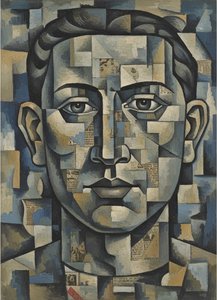
Deconstructing Identity: A Comprehensive Exploration of Cubist Portraiture
Explore the revolutionary world of Cubist portraiture with our comprehensive guide. Discover Picasso, Braque, Gris & the movement's impact on modern art. Expert analysis for collectors and enthusiasts.