

 Anteprima in scala reale
 Invia
Invia Condividi
 Dettagli opera

 Scarica immagine
 Simili
 Radiografia
 Slideshow
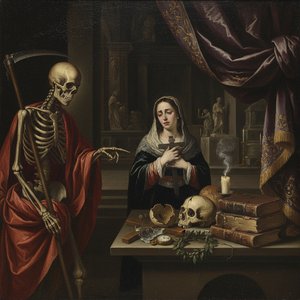
In Ictu Oculi
 Acrylic
- WallArt
- Baroque
 1670
1670 220.0 x 216.0 cm
 Hospital de la Caridad
 Espandi i dettagli
Giclée / Stampe d'arte
Stampa giclée o su tela di qualità museale, con produzione rapida e diverse opzioni di finitura. ( Acquista il dipinto realizzato a mano Acquista immagine)




P118B $10

P118H $10

P118W $10

P438Z $10

P508JH $12

P508YH $12

P805H $10

P805Z $10

P919BZ $10

P919G $10

P919XJ $10

P959ZH $10

P968JZ $12

W106C $8

W218G $10

W218JH $8

W218Y $10

W307PJ $10

W316G $10

W316PJ $8

W316Y $10

W398PJ $8

W4111J $10

W500HY $15

W500JH $15

W692G $12

W849H $8

W940BG $15

W953PJ $8




Scegli tra le nostre dimensioni predefinite, che rispettano le proporzioni originali dell'opera d'arte.

È possibile inserire dimensioni personalizzate per adattare l'opera a una cornice o a uno spazio specifico. Se la dimensione selezionata non corrisponde alle proporzioni dell'immagine originale, procederemo al ritaglio dell'opera o all'estensione dell'immagine con un bordo specchiato o a tinta unita. Un mockup digitale ti verrà inviato per approvazione prima dell'inizio della produzione.
Si prega di notare che l'anteprima a schermo non riflette il ritaglio o l'estensione effettivi. Solo il mockup mostrerà accuratamente la composizione finale.
Sebbene siano disponibili dimensioni personalizzate, si raccomanda di selezionare una dimensione dall'elenco predefinito per preservare le proporzioni originali.
Consegna in tutto il mondo () in 2 settimane invece delle normali 4/5 settimane. (27 Agosto)

Spedizione espressa gratuita in tutto il mondo

Tela in lino di alta qualità

Assicurazione completa sulla spedizione

Garanzia di rimborso dei dazi doganali

Garanzia di fedeltà cromatica

Politica di reso entro 60 giorni (solo per difetti di fabbricazione)

Garanzia di rimborso al 100%

Offerta per acquisti multipli
 L'opzione vetro è disponibile solo per dimensioni inferiori a 110 cm

In Ictu Oculi
Giclée / Stampe d'arte
Dimensioni riproduzione
-


Prezzo totale calcolato
$ 80
Descrizione del pezzo
A Meditation on Mortality: Juan de Valdés Leal’s “In Ictu Oculi”
The painting "In Ictu Oculi," attributed to Juan de Valdés Leal (1622-1690), stands as a poignant emblem of Baroque art's preoccupation with the ephemeral nature of existence. Executed in 1670, this monumental canvas—measuring 220 x 216 cm—captures a scene steeped in theological symbolism and rendered with meticulous detail that speaks volumes about Leal’s artistic prowess. It’s more than just an image; it's a carefully constructed dialogue between faith and decay, inviting contemplation on the inevitability of death and the importance of spiritual reflection.Subject Matter and Composition
At its core lies a stark depiction of a skeleton—a ubiquitous motif in Baroque art representing mortality—holding aloft a book and a crucifix. This juxtaposition immediately establishes the painting’s thematic focus: the soul's journey through life towards eternal salvation, juxtaposed against the inescapable reality of physical demise. The skeleton isn’t merely presented as an anatomical specimen; it exudes solemn dignity, positioned atop a substantial pile of books—symbols of knowledge and earthly pursuits—some scattered around its feet, suggesting that even intellectual endeavors ultimately succumb to time's relentless march. Leal skillfully utilizes perspective to create depth within the composition, drawing the viewer’s eye upwards towards the crucifix while simultaneously grounding it in the tangible world of literature and decay.Style and Technique
Leal’s artistic style aligns perfectly with the Baroque aesthetic—characterized by dramatic chiaroscuro (contrast between light and dark), opulent ornamentation, and a fervent emotional intensity. The painting demonstrates exceptional technical skill, achieved through oil paint on canvas. Leal employs painstaking brushwork to capture the textures of bone and parchment alike, conveying both physicality and intellectual contemplation. The artist’s masterful manipulation of light enhances the dramatic effect, highlighting the skeleton's form against the muted tones of the surrounding books, creating a visual representation of spiritual illumination battling against darkness.Historical Context: Baroque Theology
“In Ictu Oculi” emerged during a period profoundly influenced by Catholic theology—specifically, Jansenism—which emphasized introspection and the contemplation of God’s divine justice. The image reflects this intellectual climate, serving as a reminder that earthly achievements are ultimately meaningless in comparison to spiritual salvation. Leal's work aligns with broader Baroque artistic trends aimed at conveying moral instruction and provoking emotional responses from viewers. It was commissioned for the Church of San Francesco in Córdoba, underlining its purpose as devotional artwork intended to inspire piety and reinforce religious beliefs.Symbolism: Vanitas Revisited
The painting’s symbolism resonates deeply within the tradition of vanitas—a genre that explores themes of mortality, decay, and the futility of earthly pleasures. The skull represents death itself, while the book symbolizes wisdom and spiritual enlightenment – a paradox highlighting the limitations of human understanding in confronting eternity. Similarly, the crucifix embodies Christian faith and redemption, offering solace amidst despair. Leal’s deliberate arrangement reinforces these concepts, prompting viewers to confront their own mortality and consider the significance of their lives beyond the temporal realm.Emotional Impact: A Silent Plea for Reflection
Ultimately, “In Ictu Oculi” transcends mere visual representation; it evokes a profound emotional response. The painting's subdued palette—dominated by browns and ochres—contributes to its solemn atmosphere, fostering contemplation and prompting viewers to confront uncomfortable truths about human existence. Leal’s masterful execution compels us to consider the brevity of life and the enduring power of faith – leaving an indelible impression on anyone who engages with this arresting artwork.Biografia dell'artista
Primi anni e formazione
Juan de Valdés Leal, rinomato pittore e incisore spagnolo, nacque il 4 maggio 1622 a Siviglia, in Spagna. Si distinse come pittore, scultore e architetto, dimostrando la sua versatilità nel mondo dell'arte. Già nella ventina, studiò sotto Antonio del Castillo a Cordova, affinando le sue abilità durante l'era barocca.Opere notevoli e collaborazioni
Le opere più significative di Valdés Leal includono:- La storia del profeta Elia per la chiesa dei Carmelitani;
- Il martirio di San Andrea per la chiesa di San Francesco a Cordova;
- Il trionfo della croce per La Caridad a Siviglia. Queste opere testimoniano la sua capacità di catturare soggetti solenni e drammatici, spesso esplorando temi di vanitas, transitorietà e mortalità. La sua collaborazione con Bartolomé Esteban Murillo, un altro artista dal stile pacifico e sereno, portò alla fondazione dell'Accademia d'Arte di Siviglia nel 1656.
Vita personale ed eredità
Valdés Leal sposò Isabella Carasquilla, anch'essa pittrice, nel 1647. La coppia ebbe cinque figli, diversi dei quali divennero artisti, tra cui Lucas, Maria e Laura. Valdés Leal morì il 15 ottobre 1690 a Siviglia, lasciando un'eredità significativa nel mondo dell'arte.Stile artistico e influenza
Lo stile di Valdés Leal è tipicamente barocco, caratterizzato da drammaticità, contrasti chiaroscurali intensi e una forte enfasi sulle emozioni. Pur condividendo alcune caratteristiche con il barocco spagnolo più ampio, la sua opera si distingue per un'atmosfera cupa e contemplativa, che riflette i temi della vanitas e della mortalità. La sua formazione sotto Antonio del Castillo a Cordova contribuì a plasmare le sue prime abilità, mentre l'influenza di Murillo è evidente nella sua partecipazione alla fondazione dell'Accademia d'Arte di Siviglia, un importante centro culturale per gli artisti spagnoli.Significato storico e collezioni
Juan de Valdés Leal occupa una posizione significativa nella storia dell'arte spagnola del XVII secolo. La sua capacità di combinare elementi barocchi con temi profondamente riflessivi sulla condizione umana lo rende un artista unico nel suo genere. Le sue opere sono oggi conservate in importanti musei, tra cui il Museo de Bellas Artes de Asturias (Spagna) e il Museo de Bellas Artes di Siviglia (Spagna). Per esplorare ulteriormente le opere di Valdés Leal, visitate https://OriginalUniqueArt.com/@/juan de valdés leal dove potrete trovare:- 165 opere d'arte di Juan de Valdés Leal;
- Riproduzioni di qualità museale delle sue pitture;
- Lo stile artistico barocco, caratteristico dell'epoca. Wikipedia: Juan de Valdés Leal

Juan de Valdés Leal
1622 - 1690 , Spagna
Dati rapidi
- Artistic Movement Or Style: Barocco
- Artists Who Influenced This Artist: ['Antonio del Castillo']
- Date Of Birth: 4 maggio 1622
- Date Of Death: 15 ottobre 1690
- Full Name: Juan de Valdés Leal
- Nationality: Spagnolo
- Notable Artworks:
- Storia del profeta Elia
- Martirio di San Andrea
- Trionfo della Croce
- Place Of Birth (City And Country): Siviglia, Spagna
Articoli correlati

Goya: I 25 Capolavori Immortali dell'Anima Spagnola | OriginalUniqueArt
Esplora i 25 capolavori di Francisco Goya, il genio spagnolo tra Romanticismo e Realismo. Ritratti iconici, 'Los Caprichos' e le toccanti 'Disastri della Guerra'. Trova stampe su tela e riproduzioni artistiche di alta qualità per la tua casa su OriginalUniqueArt.com.
Juan de Valdés Leal: Baroque Realism, Memento Mori & Theatricality of Spanish Grief
Explore the powerful Baroque realism of Juan de Valdés Leal (1622-1690). Discover his somber masterpieces, iconic 'In Ictu Oculi', and profound explorations of mortality. Museum-quality reproductions available at OriginalUniqueArt.

The Dramatic Flourish: Exploring the Baroque Movement's Enduring Legacy in Art History
Explore the dramatic world of Baroque art! Discover iconic artists like Caravaggio & Rubens, defining techniques, and its lasting impact on art history. Expert insights for collectors & enthusiasts at OriginalUniqueArt.

Riguardo a noi
Scopri la nostra storia! Portiamo l'arte di livello mondiale nella tua vita grazie a una selezione esperta, creazioni personalizzate e anteprime gratuite. Approvato da privati e aziende dal 2000.

The Golden Age Reforged: Dramatic Realism & Religious Zeal in Spanish Baroque Art
Explore the dramatic world of Spanish Baroque art! Discover masters like Zurbarán & the powerful influence of religious zeal on painting techniques – a guide for collectors and enthusiasts.



