Anteprima in scala reale
 Condividi
 Condividi
 Dettagli

 Scarica
 Articoli simili
 Radiografia
 Slideshow
 Statistiche
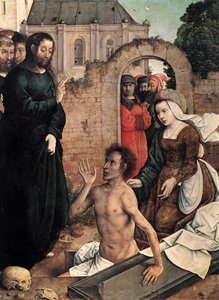
The Nativity
 Oil On Panel
- Early Netherlandish Painting
 1508
1508 111.0 x 79.0 cm
 National Gallery of Art
 Leggi tutto
Giclée / Stampe d'arte
Stampa giclée o su tela di qualità museale, con produzione rapida e diverse opzioni di finitura. ( Ordina la riproduzione dipinta a mano Passa all'immagine digitale)




P118B $10

P118H $10

P118W $10

P438Z $10

P508JH $12

P508YH $12

P805H $10

P805Z $10

P919BZ $10

P919G $10

P919XJ $10

P959ZH $10

P968JZ $12

W106C $8

W218G $10

W218JH $8

W218Y $10

W307PJ $10

W316G $10

W316PJ $8

W316Y $10

W398PJ $8

W4111J $10

W500HY $15

W500JH $15

W692G $12

W849H $8

W940BG $15

W953PJ $8




Scegli tra le nostre dimensioni predefinite, che rispettano le proporzioni originali dell'opera d'arte.

È possibile inserire dimensioni personalizzate per adattare l'opera a una cornice o a uno spazio specifico. Se la dimensione selezionata non corrisponde alle proporzioni dell'immagine originale, procederemo al ritaglio dell'opera o all'estensione dell'immagine con un bordo specchiato o a tinta unita. Un mockup digitale ti verrà inviato per approvazione prima dell'inizio della produzione.
Si prega di notare che l'anteprima a schermo non riflette il ritaglio o l'estensione effettivi. Solo il mockup mostrerà accuratamente la composizione finale.
Sebbene siano disponibili dimensioni personalizzate, si raccomanda di selezionare una dimensione dall'elenco predefinito per preservare le proporzioni originali.
Consegna in tutto il mondo () in 2 settimane invece delle normali 4/5 settimane. (18 Settembre)

Spedizione espressa gratuita in tutto il mondo

Tela in lino di alta qualità

Assicurazione completa sulla spedizione

Garanzia di rimborso dei dazi doganali

Garanzia di perfetta fedeltà cromatica

Politica di reso entro 100 giorni (solo per difetti di fabbricazione)

Garanzia di rimborso al 100%

Sconto per acquisti multipli
 L'opzione vetro è disponibile solo per dimensioni inferiori a 110 cm

The Nativity
Giclée / Stampe d'arte
Dimensioni della riproduzione
-


Prezzo totale
$ 80
A Timeless Nativity: Juan de Flandes’s Masterpiece
The painting “The Nativity” by Juan de Flandes stands as a poignant and profoundly moving testament to the Early Netherlandish artistic tradition, offering a glimpse into the heart of 16th-century Spanish courtly life. More than simply a depiction of a biblical event, it’s a carefully constructed tableau brimming with symbolic weight and technical brilliance—a work that continues to resonate with viewers centuries after its creation. Commissioned around 1508 for the “capilla mayor” of the church of San Lázaro in Palencia, this oil-on-panel masterpiece reveals the artist's mastery of light, color, and human form, all filtered through a distinctly Spanish sensibility.
Flandes’s approach is immediately recognizable: he seamlessly blends the meticulous detail characteristic of his Flemish training with an awareness of the prevailing aesthetic preferences in Castile. The scene unfolds within a modest stable setting—a deliberate choice that underscores the humility and simplicity at the heart of the Nativity story. The figures, rendered with remarkable realism, are bathed in a soft, diffused light emanating from an unseen source, creating a sense of intimacy and reverence. Note particularly the delicate modeling of Mary’s face, conveying both serenity and profound emotion as she gazes upon her newborn son. The artist's use of chiaroscuro—the dramatic contrast between light and shadow—deepens the emotional impact, drawing our attention to key elements within the composition.
The Language of Symbolism
Beyond its technical merits, “The Nativity” is rich in symbolic meaning. The positioning of the figures – Mary cradling the infant Jesus, Joseph standing protectively beside her, and the angels hovering above – speaks to the core theological themes of faith, hope, and redemption. The presence of the two angels, one holding a lily (a potent symbol of purity) and another offering a star—a direct reference to the prophesied arrival of the Messiah—reinforces this narrative. The carefully chosen details, from the humble furnishings of the stable to the expressions on the faces of the figures, all contribute to a layered interpretation that invites contemplation.
Furthermore, the inclusion of shepherds, traditionally depicted as simple rural folk, highlights the universality of the Nativity’s message—that salvation is offered to all. Their attentive gaze towards the newborn Jesus suggests a profound sense of wonder and reverence. The artist's skillful depiction of their clothing and demeanor reflects the social realities of the time, grounding the sacred narrative within a tangible human context.
A Window into a Renaissance Court
The painting’s journey through history is as fascinating as its artistic merit. Initially part of the “capilla mayor” of San Lázaro in Palencia, it eventually found its way to the royal collection in Madrid and subsequently to the National Gallery of Art in Washington D.C., where it remains a prized possession. Juan de Flandes’s work reflects the artistic tastes of Queen Isabella I of Castile, who commissioned many works for her court. His style demonstrates an ability to adapt Flemish techniques to Spanish sensibilities, creating a unique and compelling visual language.
The acquisition by the Kress Foundation in 1953 marked a pivotal moment in the painting’s history, bringing it to American audiences. Today, “The Nativity” serves as a powerful reminder of the enduring legacy of Early Netherlandish art and its ability to transcend time and cultural boundaries. It is not merely a beautiful image; it's a profound meditation on faith, family, and the promise of hope—a timeless masterpiece that continues to captivate viewers with its exquisite detail and emotional depth.
Technical Details & Artistic Style
Measuring 111 x 79 cm, “The Nativity” is executed in oil on panel, a technique favored by Flandes for its ability to achieve remarkable luminosity and textural richness. The artist’s meticulous attention to detail is evident in every brushstroke—from the delicate folds of Mary's robe to the intricate patterns of the stable walls. His use of color is restrained yet sophisticated, relying on subtle gradations and tonal variations to create a sense of depth and realism. The painting exemplifies the hallmarks of Early Netherlandish art: precise observation, meticulous rendering, and an emphasis on naturalism—all combined with a distinctly Spanish flair.
About the Artist – Juan de Flandes
Juan de Flandes (c. 1460 – by 1519), whose true identity remains shrouded in some mystery, was a pivotal figure in bridging the artistic traditions of Flanders and Spain during the late 15th and early 16th centuries. Born likely in Flanders, he spent much of his career working at the Spanish court under Queen Isabella I, producing portraits of royalty and elaborate religious altarpieces. His work is characterized by a refined elegance, a masterful command of light and shadow, and an ability to seamlessly blend Flemish techniques with Spanish aesthetic preferences. Further research reveals connections to prominent artists like Joos van Wassenhove and Hugo van der Goes, suggesting a strong foundation in the Ghent School tradition.
Biografia dell'artista
L'Enigmatico Maestro della Corte Spagnola
L'identità di Juan de Flandes rimane uno dei misteri più affascinanti degli annali della pittura tardogotica fiamminga. Avvolto in un velo di ambiguità storica, gli studiosi discutono da tempo se questo maestro fosse l'individuo noto come Jan van der Straat o un altro virtuoso anonimo il cui tocco ha lasciato un segno indelebile nella Penisola Iberica. Sebbene le sue vere origini siano oscurate dal tempo, la sua anima artistica è inconfondibilmente radicata nelle vibranti tradizioni delle Fiandre. Nato probabilmente a metà del XV secolo, emerse dal prestigioso ambiente artistico di Gand, una città che allora pulsava con le innovazioni della Scuola di Gand. Fu proprio qui, tra le ombre di maestri come Joos van Wassenhove e Hugo van der Goes, che Juan affinò la sua capacità di catturare il delicato intreccio tra luce e consistenza, stabilendo una base tecnica che avrebbe successivamente colmato il divario tra la precisione settentrionale e la grandiosità spagnola.
Il suo viaggio dai Paesi Bassi al cuore della Spagna rappresenta un capitolo cruciale nell'evoluzione del Rinascimento spagnolo. Nel 1496, il suo destino si legò indissolubilmente alla Corona spagnola quando ottenne il prestigioso patrocinio della Regina Isabella I di Castiglia. Questa nomina fu molto più di un semplice traguardo professionale; lo collocò proprio all'epicentro del potere politico e religioso. Servendo come pittore di corte fino alla morte di Isabella nel 1504, Juan de Flandes divenne il cronista visivo di un'epoca d'oro. Attraverso i suoi occhi, la dignità della famiglia reale — in particolare quella di Isabella e Ferdinando — fu immortalata con un'eleganza raffinata che bilanciava il meticoloso dettaglio microscopico tipico dell'arte fiamminga con una nuova e solenne sensibilità spagnola.
Un'Eredità di Devozione e Dettaglio
Il vero genio di Juan de Flandes si percepisce forse più profondamente nelle sue composizioni religiose, dove la sua maestria tecnica incontra una profonda devozione spirituale. Il suo traguardo più celebre risiede nella monumentale serie di piccoli pannelli creati per un magnifico polittico dedicato alla Vergine Maria. Queste opere sono capolavoro di intimità narrativa, che invitano lo spettatore in spazi sacri attraverso paesaggi che appaiono allo stesso tempo ultraterreni e tangibilmente reali. In questi pannelli, si può osservare una sintesi mozzafiato di stili:
- Precisione Fiamminga: La resa meticolosa dei tessuti, la limpidezza cristallina degli orizzonti lontani e l'attenzione ossessiva al dettaglio botanico.
- Grandiosità Spagnola: Un senso di monumentale quiete e un'atmosfera dignitosa e sobria che riflette il fervore religioso della corte spagnola.
- Innovazione Atmosferica: Una precoce maestria della luce che infonde vita ai paesaggi, creando un senso di profondità e trascendenza spirituale.
Oggi, questi tesori dispersi — custoditi in prestigiose istituzioni come il Museo del Prado a Madrid e la National Gallery of Art a Washington D.C. — fungono da testimonianze durature della sua abilità. L'importanza storica di Juan de Flandes si estende ben oltre i suoi ritratti individuali; egli agì come un vitale condotto culturale. Trapiantando le sofisticate tecniche del Nord nel fertile suolo della Spagna, contribuì a plasmare il linguaggio estetico di un impero nascente. La sua opera rimane un ricordo di una bellezza struggente di un periodo in cui l'arte fungeva da ponte supremo tra mondi diversi, fondendo le intricate trame delle Fiandre con lo spirito profondo e duraturo del Rinascimento spagnolo.

Juan De Flandes
1460 - 1519 , Belgio
Informazioni rapide
- Artistic Movement Or Style: Pittura fiamminghese
- Artists Or Movements Influenced By This Artist: ['Rinascimento spagnolo']
- Artists Who Influenced This Artist:
- Joos van Wassenhove
- Hugo van der Goes
- Date Of Birth: c. 1460
- Date Of Death: 1519
- Full Name: Juan de Flandes
- Nationality: Olandese
- Notable Artworks:
- La Natività
- Ritratto di Isabella d'Austria
- Resurrezione di Lazaro
- Place Of Birth: Flanders (Belgium)
Articoli correlati

Riguardo a noi
Scopri la nostra storia! Portiamo l'arte di livello mondiale nella tua vita grazie a una selezione esperta, creazioni personalizzate e anteprime gratuite. Approvato da privati e aziende dal 2000.

Oil on Canvas: A Historical & Technical Exploration of a Timeless Artistic Medium
Explore the rich history & enduring techniques of oil painting on canvas. Discover the science behind its longevity, conservation practices, and contemporary relevance. Expert insights for art enthusiasts.

The Enduring Power of Painting: A Historical & Contemporary Exploration of Form and Emotion
Explore the rich history & enduring techniques of oil painting with OriginalUniqueArt. Discover masterpieces, learn about art collecting, and find authentic handmade reproductions crafted by skilled artists.

The Enduring Legacy of Oil on Canvas: Technique, History & Aesthetic Impact
Explore the rich history & techniques of oil painting – from Renaissance masters to Impressionism. Discover pigments, layering methods, and why this timeless medium endures. Expert insights for artists & art enthusiasts.

Goya: I 25 Capolavori Immortali dell'Anima Spagnola | OriginalUniqueArt
Esplora i 25 capolavori di Francisco Goya, il genio spagnolo tra Romanticismo e Realismo. Ritratti iconici, 'Los Caprichos' e le toccanti 'Disastri della Guerra'. Trova stampe su tela e riproduzioni artistiche di alta qualità per la tua casa su OriginalUniqueArt.com.