
 Anteprima in scala reale
 Condividi
 Condividi
 Dettagli

 Scarica immagine
 Articoli simili
 Radiografia
 Slideshow
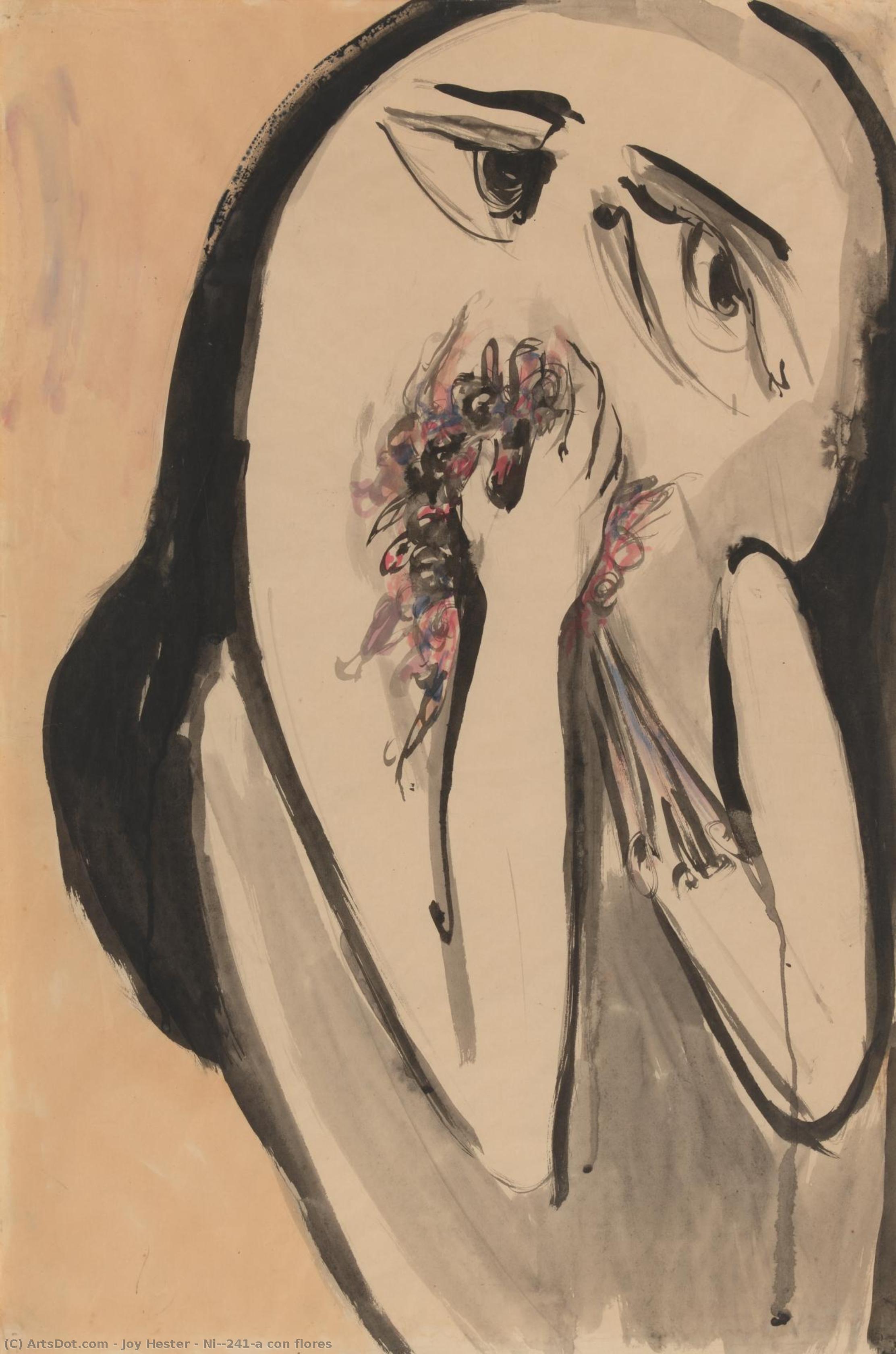
Niña con flores
 Watercolor
- WallArt
- Expressionism
 1956
1956- Modern
 76.0 x 50.0 cm
 National Gallery of Victoria
 Leggi tutto
Giclée / Stampe d'arte
Stampa giclée o su tela di qualità museale, con produzione rapida e diverse opzioni di finitura. ( Ordina la riproduzione dipinta a mano Acquista download)




P118B $10

P118H $10

P118W $10

P438Z $10

P508JH $12

P508YH $12

P805H $10

P805Z $10

P919BZ $10

P919G $10

P919XJ $10

P959ZH $10

P968JZ $12

W106C $8

W218G $10

W218JH $8

W218Y $10

W307PJ $10

W316G $10

W316PJ $8

W316Y $10

W398PJ $8

W4111J $10

W500HY $15

W500JH $15

W692G $12

W849H $8

W940BG $15

W953PJ $8




Scegli tra le nostre dimensioni predefinite, che rispettano le proporzioni originali dell'opera d'arte.

È possibile inserire dimensioni personalizzate per adattare l'opera a una cornice o a uno spazio specifico. Se la dimensione selezionata non corrisponde alle proporzioni dell'immagine originale, procederemo al ritaglio dell'opera o all'estensione dell'immagine con un bordo specchiato o a tinta unita. Un mockup digitale ti verrà inviato per approvazione prima dell'inizio della produzione.
Si prega di notare che l'anteprima a schermo non riflette il ritaglio o l'estensione effettivi. Solo il mockup mostrerà accuratamente la composizione finale.
Sebbene siano disponibili dimensioni personalizzate, si raccomanda di selezionare una dimensione dall'elenco predefinito per preservare le proporzioni originali.
Consegna in tutto il mondo () in 2 settimane invece delle normali 4/5 settimane. (14 Agosto)

Spedizione espressa gratuita in tutto il mondo

Tela in lino di alta qualità

Assicurazione completa sulla spedizione

Garanzia di rimborso dei dazi doganali

Garanzia di fedeltà cromatica dell'originale

Politica di reso entro 60 giorni (solo per difetti di fabbricazione)

Garanzia di rimborso al 100%

Sconto per acquisti multipli
 L'opzione vetro è disponibile solo per dimensioni inferiori a 110 cm

Niña con flores
Giclée / Stampe d'arte
Dimensioni della riproduzione
-


Prezzo totale
$ 80
Descrizione del pezzo
A Portrait of Sorrow and Resilience: Exploring Joy St Clair Hester’s “Niña con Flores”
Joy St Clair Hester's "Niña con Flores" (Girl with Flowers), created in 1956, is not merely a portrait; it’s a deeply resonant exploration of grief, memory, and the enduring strength of the human spirit. This arresting work, rendered primarily in evocative ink washes and punctuated by flashes of vibrant red and pink, immediately draws the viewer into a world steeped in melancholic beauty. Hester, a pivotal figure within Australia's burgeoning Modernist movement, masterfully employs a restrained yet intensely expressive style, characteristic of her engagement with the Heide Circle and the Angry Penguins.
The subject herself remains partially obscured, veiled by a dark, amorphous shape that suggests concealment or perhaps the lingering shadow of loss. Her face, though fragmented, is dominated by an arresting gaze – large, sorrowful eyes that seem to hold both vulnerability and a quiet defiance. This deliberate ambiguity invites speculation about her story, prompting us to project our own experiences of sadness and remembrance onto the canvas. The use of predominantly dark shades—charcoal greys, deep blacks—creates a sense of profound stillness, while strategically placed bursts of color – particularly the passionate reds and pinks of the blossoms erupting from her mouth – inject moments of startling intensity and symbolic weight.
Technique and Materials: A Dance of Ink and Wash
Hester’s technique is both delicate and assertive. The work is executed primarily in watercolor and ink wash on paper, a combination that lends itself beautifully to the creation of layered textures and subtle tonal shifts. Loose brushstrokes contribute to an atmosphere of immediacy and emotional rawness, while careful shading establishes depth and form. Notice how she utilizes broken washes—allowing the colors to bleed into one another—to create a sense of fluidity and movement within the composition. The deliberate lack of precise detail emphasizes the emotional impact over realistic representation; lines are used expressively to define features rather than as literal depictions.
The choice of ink, particularly black ink, is crucial to Hester’s signature style. It allows for a remarkable control—the ability to build up layers of dark tones with incredible precision, creating both dramatic contrasts and subtle gradations of value. The blossoms themselves are rendered with a surprising degree of detail, their vibrant hues acting as potent symbols within the broader context of the piece. The overall effect is one of controlled chaos – a visual representation of the turbulent emotions that lie beneath the surface.
Symbolism: Flowers, Grief, and Remembrance
The most striking element of “Niña con Flores” is undoubtedly the profusion of flowers emerging from the woman’s mouth. This imagery transcends mere botanical detail; it's a potent symbol of grief, loss, and perhaps even remembrance. The blossoms can be interpreted as representing the bittersweet nature of memory—beautiful yet tinged with sadness. They also suggest a connection to nature, offering a glimmer of hope amidst the prevailing darkness. The veil-like shape obscuring her face further reinforces this theme of concealment and unspoken sorrow.
Considering Hester’s own life – marked by the early loss of her father and later battling Hodgkin's disease – it is not surprising that her work frequently grapples with themes of mortality and resilience. “Niña con Flores” can be seen as a deeply personal meditation on these experiences, transformed into a universal expression of human vulnerability and enduring strength. The image resonates with the broader artistic tradition of exploring psychological states through symbolic imagery.
Historical Context: A Voice in the Australian Modernist Movement
Joy St Clair Hester’s work emerged during a pivotal period in Australian art history – the mid-20th century, when artists were actively seeking to forge a distinctly national identity. She was a key member of both the Heide Circle and the Angry Penguins, groups that challenged established artistic conventions and pushed the boundaries of modernism. Her association with these influential circles provided her with access to a vibrant intellectual and artistic community, but also exposed her work to critical scrutiny. Despite facing challenges in gaining widespread recognition during her lifetime, Hester’s legacy has steadily grown over time, cementing her place as one of Australia's most important Modernist artists.
Resources for further exploration include the National Gallery of Victoria’s collection (where “Niña con Flores” is held), online archives dedicated to Joy St Clair Hester, and scholarly articles examining her work within the context of Australian art history. WikiArt offers a valuable visual resource: https://www.wikiart.org/en/joy-hester/nina-con-flores-1956
Biografia dell'artista
Joy St Clair Hester: Una Vita nell'Arte Australiana Moderna
Primi Anni e Istruzione
- Nata il 21 agosto 1920 a Elwood, in Australia, Joy St Clair Hester ha vissuto un’infanzia formativa segnata dalla prematura perdita del padre.
- Ha frequentato St Michael's Grammar School dal 1933 al 1937, iniziando la sua formazione artistica in giovane età.
- Nel 1938 si è iscritta all’arte commerciale alla Brighton Technical School per poi passare alla National Gallery School di Melbourne, dove ha affinato le sue abilità e iniziato a liberarsi da vincoli tradizionali.
- Hester ha dimostrato un talento precoce, vincendo il premio per il disegno dal vero alla Gallery School nel 1938.
Il Cerchio di Heide e gli Angry Penguins
- Nel 1938 Hester ha incontrato Albert Tucker, iniziando una significativa relazione personale e artistica.
- È diventata membro fondatore della Contemporary Art Society (CAS) e si è collegata a Sunday Reed, una figura chiave nel sostegno alle arti in Australia.
- Hester si è immersa nel Cerchio di Heide, insieme ad artisti come Sidney Nolan, Arthur Boyd e Charles Blackman, favorendo un ambiente di sperimentazione artistica e collaborazione.
- Come membro degli Angry Penguins, ha contribuito a uno spostamento radicale dell'arte australiana verso il modernismo. Era l’unica donna presente nella pubblicazione Angry Penguins.
Sviluppo Artistico e Stile
- Le prime opere mostravano influenze tradizionali ma si sono rapidamente evolute verso forme più audaci e linee espressive.
- Negli anni '40 Hester ha iniziato a concentrarsi sulla rappresentazione della vita quotidiana attraverso disegni ad inchiostro di scene di strada e operai.
- Entro la metà degli anni '40, ha abbandonato la pittura a olio a favore dell'inchiostro e dell'acquario, sviluppando uno stile distintivo caratterizzato da linee nere fluide ed intensità emotiva.
- Il suo lavoro ha esplorato sempre più temi di orrore psicologico influenzati dalla Seconda Guerra Mondiale.
Opere Principali e Temi
- Hester è meglio conosciuta per la sua serie Face, Sleep, and Love (1948–49), che approfondiscono le complessità delle emozioni umane e dei rapporti.
- Le sue opere successive, tra cui The Lovers (1956–58), hanno continuato a esplorare temi di amore, perdita e mortalità con una qualità grezza ed espressiva.
- Motivi ricorrenti nel suo lavoro includono i volti, spesso raffigurati con intensità inquietante, ed elementi floreali simbolici.
- Una maggiore consapevolezza della mortalità – derivante da esperienze personali tra cui la morte del padre e successivamente una diagnosi di linfoma di Hodgkin – ha profondamente plasmato la sua visione artistica.
Influenze e Eredità
- Hester è stata influenzata da artisti come Ailsa O'Connor e Danila Vassilieff, che condividevano con lei preoccupazioni per la profondità psicologica e l’integrazione dell’arte e della vita.
- Nonostante abbia affrontato sfide nel ricevere riconoscimento durante la sua vita, il suo lavoro è stato sempre più celebrato per il suo potere emotivo e il suo contributo al modernismo australiano.
- Il suo uso audace della linea e lo stile espressivo hanno aperto la strada alle future generazioni di artisti australiani.
- L'eredità di Hester risiede nella sua capacità di comunicare esperienze umane profonde attraverso un linguaggio visivo unico e suggestivo.
Vita Successiva e Morte
- Diagnosticata con linfoma di Hodgkin nel 1947, Hester ha continuato a creare arte nonostante la sua malattia.
- Ha tenuto mostre personali nel 1950, 1955 e 1956 ma ha faticato finanziariamente e criticamente.
- Joy St Clair Hester è deceduta il 4 dicembre 1960, lasciando dietro di sé un potente corpo di lavoro che continua a risuonare con il pubblico di oggi.

joy st clair hester
1920 - 1960 , Australia
Informazioni rapide
- Artistic Movement Or Style: Modernism, Expressionism
- Artists Or Movements Influenced By This Artist: ['Angry Penguins']
- Artists Who Influenced This Artist:
- Ailsa O'Connor
- Danila Vassilieff
- Date Of Birth: August 21, 1920
- Date Of Death: December 4, 1960
- Full Name: Joy St Clair Hester
- Nationality: Australian
- Notable Artworks:
- Face series
- Love series
- The Lovers
- Place Of Birth: Elwood, Australia
Articoli correlati
Le 10 Opere d'Arte che Ispirano Gioia Profonda: Maestri e Stile per la Tua Casa
Scopri le 10 opere d'arte più iconiche che evocano gioia e serenità! Van Gogh, Monet, Klimt e altri maestri celebrati. Trova stampe artistiche di alta qualità per la tua casa su OriginalUniqueArt.com. Esplora la collezione online.

Surrealist Expressionism: A Visual Journey Through Dream Logic and Raw Emotion
Dive into the visceral world of Surrealist Expressionism. Explore how dream logic meets raw emotion through a visual journey of iconic techniques, post-war history, and bold aesthetics to transform your modern space with high-impact, unforgettable art.
Surrealist Dreamscapes: A Curated Journey Through the Subconscious Majesty of Surrealism
Embark on a sophisticated journey through Surrealist dreamscapes. Explore the profound symbolism of masters like Dalí and discover how to curate breathtaking, museum-quality surrealist art for your private collection with expert guidance.
I 10 Capolavori Surrealisti che Hanno Definito un Movimento Artistico | OriginalUniqueArt
Esplora i 10 capolavori del Surrealismo con OriginalUniqueArt. Scopri le storie di Dalí, Magritte e Miró, il significato dei loro colori e tecniche uniche. Trova riproduzioni d'arte di alta qualità per la tua casa! Esplora la collezione online su OriginalUniqueArt.com

El Greco: I 25 Capolavori Immortali dell'Arte Spirituale | OriginalUniqueArt
Esplora i 25 capolavori immortali di El Greco, il maestro del manierismo e della pittura religiosa. Scopri la storia, lo stile unico e le emozioni dietro ogni opera. Stampe e riproduzioni d'arte su OriginalUniqueArt.com per decorare con bellezza.

