

 Anteprima in scala reale
 Condividi
 Condividi
 Dettagli
 Guida stampabile

 Scarica
 Articoli simili
 Radiografia
 Slideshow
 Statistiche
The Red Rigi
 Acrilico su tela
- Opere da parete
- Romanticism
 1842
1842 30.0 x 45.0 cm
 National Gallery of Victoria
 Leggi tutto
Giclée / Stampe d'arte
Stampa giclée o su tela di qualità museale, con produzione rapida e diverse opzioni di finitura. ( Ordina la riproduzione dipinta a mano Passa all'immagine digitale)




P118B $10

P118H $10

P118W $10

P438Z $10

P508JH $12

P508YH $12

P805H $10

P805Z $10

P919BZ $10

P919G $10

P919XJ $10

P959ZH $10

P968JZ $12

W106C $8

W218G $10

W218JH $8

W218Y $10

W307PJ $10

W316G $10

W316PJ $8

W316Y $10

W398PJ $8

W4111J $10

W500HY $15

W500JH $15

W692G $12

W849H $8

W940BG $15

W953PJ $8




Scegli tra le nostre dimensioni predefinite, che rispettano le proporzioni originali dell'opera d'arte.

È possibile inserire dimensioni personalizzate per adattare l'opera a una cornice o a uno spazio specifico. Se la dimensione selezionata non corrisponde alle proporzioni dell'immagine originale, procederemo al ritaglio dell'opera o all'estensione dell'immagine con un bordo specchiato o a tinta unita. Un mockup digitale ti verrà inviato per approvazione prima dell'inizio della produzione.
Si prega di notare che l'anteprima a schermo non riflette il ritaglio o l'estensione effettivi. Solo il mockup mostrerà accuratamente la composizione finale.
Sebbene siano disponibili dimensioni personalizzate, si raccomanda di selezionare una dimensione dall'elenco predefinito per preservare le proporzioni originali.
Consegna in tutto il mondo () in 2 settimane invece delle normali 4/5 settimane. (25 Settembre)

Spedizione espressa gratuita in tutto il mondo

Tela in lino di alta qualità

Assicurazione completa sulla spedizione

Garanzia di rimborso dei dazi doganali

Garanzia di perfetta fedeltà cromatica

Politica di reso entro 100 giorni (solo per difetti di fabbricazione)

Garanzia di rimborso al 100%

Sconto per acquisti multipli
 L'opzione vetro è disponibile solo per dimensioni inferiori a 110 cm

The Red Rigi
Giclée / Stampe d'arte
Dimensioni della riproduzione
-


Prezzo totale
$ 80
A Symphony in Mist and Light: Unveiling Turner’s “The Red Rigi”
Joseph Mallord William Turner's "The Red Rigi," painted in 1842, isn’t merely a depiction of a Swiss mountain; it’s an immersive experience. This watercolor, one of four stunning studies capturing the majesty of Mount Rigi from Lake Lucerne, transcends simple landscape painting to become a profound meditation on light, atmosphere, and the ephemeral beauty of nature. Turner, already a master of capturing fleeting moments, sought to distill the essence of this iconic peak – not through precise detail, but through an evocative dance of color and texture that speaks directly to the soul.
The scene unfolds with breathtaking immediacy. The Rigi itself dominates the composition, its slopes rendered in layers of delicate washes—a blend of blues, purples, and greens that suggest both distance and a palpable sense of moisture. It’s not a sharply defined mountain; instead, Turner employs a technique he perfected during his Swiss sojourn: broken color, where thin layers of paint are applied to allow the underlying white paper to peek through. This creates an incredible luminosity, as if the very air itself is shimmering with reflected light. The foreground is dominated by the lake, its surface mirroring the sky and subtly blurring the boundaries between water and atmosphere. A scattering of small boats – a poignant detail hinting at human presence within this vast wilderness – adds a touch of scale and invites us to contemplate our own place in the grandeur of nature.
The Alchemy of Light: Turner’s Technique
Turner's mastery lies not just in his subject matter, but in his extraordinary ability to capture the *effects* of light. He wasn’t interested in a photographic representation; he aimed to convey the *feeling* of being present at that specific moment – bathed in the golden glow of the setting sun. The “red” of the title isn't literal; it’s an impression, a suggestion of warmth and intensity derived from the way the light interacts with the mountain’s surface. Notice how he uses subtle gradations of color to create a sense of depth and volume, building up the forms gradually through countless layers of translucent washes. He employs a technique known as ‘scumbling,’ where dry paint is brushed over wet paint, creating a hazy, atmospheric effect that further enhances the feeling of distance and mystery.
The use of white gouache – a highly pigmented opaque watercolor – is particularly noteworthy. Turner strategically scratched out areas of the paper with his fingernail to reveal the bright white ground beneath, adding highlights and intensifying the sense of luminosity. This delicate touch, combined with his masterful control of color and texture, elevates “The Red Rigi” beyond mere representation into a realm of pure visual poetry.
A Symbol of Transient Beauty
Mount Rigi itself held a particular significance for Turner during his Swiss travels. It’s not the tallest peak in the Alps, but its unique location – isolated and offering uninterrupted views – made it a favorite haunt for artists and tourists alike. Turner was captivated by its beauty and the way the light constantly shifted across its slopes. “The Red Rigi” can be interpreted as an allegory of time's relentless passage and the fleeting nature of beauty. The warm, vibrant colors suggest a moment of intense joy and wonder, while the misty atmosphere hints at the inevitable decay and transformation that awaits all things.
Furthermore, the inclusion of the boats adds another layer of meaning. They represent humanity’s desire to connect with nature, but also our vulnerability in the face of its overwhelming power. The smallness of the vessels against the vast backdrop of the mountain underscores the humbling reality of our existence.
Collecting a Masterpiece: Reproduction and Beyond
"The Red Rigi" is more than just a beautiful painting; it’s a testament to Turner's genius and his profound understanding of light, color, and atmosphere. Reproductions capture much of the original’s magic, offering a window into this extraordinary world. When selecting a reproduction, consider the quality of the print – archival inks and high-resolution paper are essential to faithfully reproduce Turner’s delicate washes and luminous effects. This artwork would be an exceptional addition to any collection, bringing a touch of Alpine serenity and artistic brilliance to your home or office.
Biografia dell'artista
La Vita e la Formazione di Joseph Mallord William Turner
Joseph Mallord William Turner, figura di spicco nell'arte britannica, nacque il 23 aprile 1775 a Maiden Lane, Covent Garden, Londra. Suo padre, William Turner, era barbiere e parrucchiere, mentre sua madre, Mary Marshall, proveniva da una famiglia di macellai. All’età di 14 anni, nel 1789, Turner entrò alla Royal Academy of Arts, segnando l'inizio della sua illustre carriera.
Stile Artistico e Influenze
L'opera di Turner è caratterizzata da una colorazione espressiva, paesaggi immaginativi e scene marine turbolente. Fu un artista profondamente sperimentale e progressista, influenzando pittori diversi come Claude Monet e Mark Rothko. La sua influenza può essere vista nelle opere di molti artisti che lo hanno seguito.
- Espressionismo: Turner è considerato un precursore dell'espressionismo per la sua capacità di trasmettere emozioni intense attraverso l'uso del colore e della luce.
- Romanticismo: La sua opera incarna i principi del Romanticismo, con un focus sulla natura selvaggia, il sublime e le emozioni umane.
- Influenze pittoriche: Turner fu influenzato da artisti come Thomas Gainsborough, Henry Fuseli e Richard Wilson.
Opere Principali e Raccolte
Turner lasciò dietro di sé oltre 2.000 dipinti e 19.000 disegni e schizzi.
- The Morning After the Deluge (1843): Un notevole dipinto a olio su tela, ospitato nella Tate Collection, Londra, che mostra la forma stilistica di Turner nel rappresentare le forze della natura.
- Chichester Canal (1828): Commissionato dal 3° Earl of Egremont, questo dipinto raffigura il canale di Chichester ed è attualmente ospitato nella Tate Collection.
- Ruins of Tintern Abbey: Un'opera a acquerello, ora nel Calouste Gulbenkian Museum (Lisbona, Portogallo), che mostra la maestria di Turner nel catturare luce e atmosfera.
Evoluzione Artistica e Sviluppo
Inizialmente, le opere di Turner riflettevano il suo addestramento come disegnatore topografico, con rappresentazioni realistiche dei paesaggi. Tuttavia, nel corso degli anni, sviluppò uno stile unico caratterizzato da una maggiore fluidità e poeticità. La sua capacità di catturare la luce divenne un tratto distintivo, guadagnandogli il soprannome di "il pittore della luce".
- Primi lavori: I primi dipinti di Turner mostrano un'influenza del classicismo e del neoclassicismo.
- Periodo veneziano: I suoi viaggi a Venezia ebbero un impatto significativo sul suo stile, portando a una maggiore attenzione per il colore e la luce.
- Opere mature: Le opere più tarde di Turner sono caratterizzate da un'astrazione crescente e da un'esplorazione delle emozioni attraverso l'uso del colore e della forma.
Eredità e Significato Storico
Turner è ampiamente considerato uno dei più grandi maestri della pittura paesaggistica e marina a acquerello britannica. La sua influenza sugli artisti successivi è innegabile, rendendolo una figura fondamentale nella storia dell'arte.
- Precursore dell'Impressionismo: L'uso innovativo del colore e della luce da parte di Turner ha anticipato molte delle caratteristiche chiave dell'Impressionismo.
- Influenza sugli artisti moderni: Artisti come Monet, Rothko e altri hanno tratto ispirazione dalle opere di Turner.
- Riconoscimento postumo: Sebbene inizialmente sottovalutato da alcuni critici, l'opera di Turner è ora ampiamente celebrata per la sua originalità e il suo impatto duraturo sull'arte occidentale.
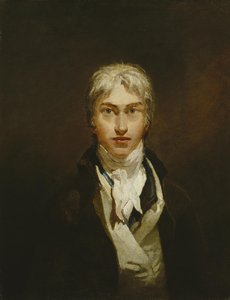
Joseph Mallord William Turner
1775 - 1851 , Regno Unito
Informazioni rapide
- Artisti Influenti:
- Claude Monet
- Mark Rothko
- Data Di Nascita: 23 aprile 1775
- Luogo Di Nascita: Covent Garden, Regno Unito
- Movimento Artistico: Romanticismo
- Nazionalità: Britannico
- Nome Completo: Joseph Mallord William Turner
- Opere Notevoli:
- The Morning After the Deluge
- Chichester Canal
- Ruins of Tintern Abbey
Articoli correlati

I 10 Capolavori del Paesaggio Romantico: Arte, Storia e Decorazioni di Lusso
Esplora i 10 capolavori del Paesaggio Romantico con OriginalUniqueArt.com! Caspar David Friedrich, Turner e altri maestri: storia, tecnica e colori che definiscono un'epoca. Trova riproduzioni d'arte di lusso per la tua casa. Scopri la collezione completa online!

Ephemeral Visions: Exploring the Artistic Legacy & Contemporary Practice of Watercolor Painting
Explore the captivating world of watercolor painting! Discover its rich history, essential techniques, influential artists & collecting tips. A comprehensive guide for art enthusiasts from OriginalUniqueArt.

Ephemeral Visions: Exploring the Artistic Legacy & Nuances of Watercolor Painting
Explore the captivating world of watercolor painting! Discover its rich history, essential techniques, influential artists & collecting tips from art experts. A comprehensive guide for enthusiasts.

Ephemeral Visions: Exploring the History & Emotional Resonance of Watercolor Painting
Explore the captivating history of watercolor painting, from ancient techniques to modern masters like Kandinsky & Blake. Discover essential artists, collecting tips & the emotional power of this luminous medium. Expert insights for art enthusiasts.

I 10 Capolavori dell'Acquerello che Hanno Rivoluzionato l'Arte | OriginalUniqueArt
Esplora i 10 capolavori dell'acquerello che hanno cambiato la storia dell'arte! Da Turner a Monet, scopri le storie e le tecniche di questi artisti iconici. Trova riproduzioni di alta qualità e idee per decorare casa con OriginalUniqueArt.com.


