

 Anteprima in scala reale
 Condividi
 Condividi
 Dettagli

 Scarica
 Articoli simili
 Radiografia
 Slideshow
 Statistiche
Mr. Oldham and his Friends
 Oil On Canvas
- WallArt
- Rococo Period
 1750
1750- Early Modern
 105.0 x 130.0 cm
 Tate Gallery
 Leggi tutto
Giclée / Stampe d'arte
Stampa giclée o su tela di qualità museale, con produzione rapida e diverse opzioni di finitura. ( Ordina la riproduzione dipinta a mano Passa all'immagine digitale)




P118B $10

P118H $10

P118W $10

P438Z $10

P508JH $12

P508YH $12

P805H $10

P805Z $10

P919BZ $10

P919G $10

P919XJ $10

P959ZH $10

P968JZ $12

W106C $8

W218G $10

W218JH $8

W218Y $10

W307PJ $10

W316G $10

W316PJ $8

W316Y $10

W398PJ $8

W4111J $10

W500HY $15

W500JH $15

W692G $12

W849H $8

W940BG $15

W953PJ $8




Scegli tra le nostre dimensioni predefinite, che rispettano le proporzioni originali dell'opera d'arte.

È possibile inserire dimensioni personalizzate per adattare l'opera a una cornice o a uno spazio specifico. Se la dimensione selezionata non corrisponde alle proporzioni dell'immagine originale, procederemo al ritaglio dell'opera o all'estensione dell'immagine con un bordo specchiato o a tinta unita. Un mockup digitale ti verrà inviato per approvazione prima dell'inizio della produzione.
Si prega di notare che l'anteprima a schermo non riflette il ritaglio o l'estensione effettivi. Solo il mockup mostrerà accuratamente la composizione finale.
Sebbene siano disponibili dimensioni personalizzate, si raccomanda di selezionare una dimensione dall'elenco predefinito per preservare le proporzioni originali.
Consegna in tutto il mondo () in 2 settimane invece delle normali 4/5 settimane. (17 Settembre)

Spedizione espressa gratuita in tutto il mondo

Tela in lino di alta qualità

Assicurazione completa sulla spedizione

Garanzia di rimborso dei dazi doganali

Garanzia di perfetta fedeltà cromatica

Politica di reso entro 100 giorni (solo per difetti di fabbricazione)

Garanzia di rimborso al 100%

Sconto per acquisti multipli
 L'opzione vetro è disponibile solo per dimensioni inferiori a 110 cm

Mr. Oldham and his Friends
Giclée / Stampe d'arte
Dimensioni della riproduzione
-


Prezzo totale
$ 80
A Glimpse into Georgian Camaraderie
In the soft, amber glow of an imagined mid-eighteenth-century evening, Joseph Highmore’s “Mr. Oldham and his Friends” invites the viewer to step into a world of refined leisure and quiet intellectual intimacy. Painted in 1750, this masterpiece serves as a window into the heart of Georgian England, capturing a moment that transcends mere portraiture to become a celebration of social bond and shared experience. The composition centers on four gentlemen gathered around a mahogany table, their relaxed postures and engaged expressions suggesting a conversation caught mid-sentence. There is an undeniable warmth in the scene; the subtle presence of wine glasses and a communal bowl hints at a ritual of conviviality, where the boundaries between formal status and personal friendship blur under the light of mutual respect.
Highmore, a painter who masterfully navigated the transition from the grandiosity of the Baroque to the delicate grace of the Rococo, utilizes this scene to showcase his profound ability to capture character. One gentleman, distinguished by a hat perched elegantly atop his head, adds a touch of aristocratic flair that anchors the group in their social stratum, yet the overall atmosphere remains remarkably accessible and human. For the collector or interior designer, this piece offers more than just a historical record; it provides an emotional anchor for a room, evoking a sense of timeless stability and the enduring value of companionship.
Mastery of Light and Texture
Technically, the painting is a triumph of chiaroscuro, a technique Highmore adapted from the great Baroque masters like Rembrandt to breathe life into his subjects. By employing dramatic contrasts between deep, velvety shadows and luminous highlights, he sculpts the figures, giving them a three-dimensional presence that feels almost tactile. This play of light does more than define form; it directs the eye through the narrative of the painting, drawing attention to the glint of glass, the rich grain of the wood, and the intricate folds of fine fabrics. The artist’s meticulous attention to detail—the way light catches the rim of a wine glass or the subtle texture of a gentleman's waistcoat—demonstrates a level of craftsmanship that elevates the work from a simple "conversation piece" to a profound study in materiality.
The Rococo influence is felt in the painting’s lighter, more graceful tonal palette, which avoids the heavy somberness of earlier eras in favor of an air of elegance. This delicate balance between shadow and light creates a psychological depth, suggesting that beneath the surface of this pleasant gathering lies a rich inner life and a history of shared secrets and intellectual pursuits. Such technical sophistication makes a high-quality reproduction of this work an exquisite addition to any curated collection, offering a sophisticated interplay of light and shadow that can transform the ambiance of a sophisticated study or a grand dining hall.
Symbolism and the Spirit of an Era
Beyond its aesthetic allure, “Mr. Oldham and his Friends” is steeped in the cultural symbolism of the 1750s. The very act of gathering around wine serves as a metaphor for the era's values: indulgence, pleasure, and the cultivation of taste. In the context of Georgian England, such scenes were not merely decorative but were statements of social identity. The painting subtly underscores the importance of patronage and the role of the landed gentry in fostering a culture of refinement and intellectual curiosity. The presence of the mahogany table—a luxury item of the period—further reinforces the themes of prosperity and the global reach of British commerce during this era.
For those looking to bring a piece of history into their contemporary spaces, this artwork offers a profound sense of continuity. It speaks to the universal human desire for connection and the beauty found in quiet, shared moments. Whether placed in a modern minimalist setting to provide a classical counterpoint or integrated into a traditional period room, Highmore’s work continues to resonate, offering an evocative narrative of friendship that remains as relevant today as it was two and a half centuries ago.
Biografia dell'artista
Primi Anni e Carriera
- Nato: Londra, Regno Unito (1692)
- Morto: 1780
- Joseph Highmore nacque a Londra, terzo figlio di Edward Highmore, un commerciante di carbone, e nipote di Thomas Highmore, pittore sergente per Guglielmo III.
- Dimostrò fin da giovane abilità artistiche ma inizialmente intraprese una formazione legale su insistenza della sua famiglia.
- All'età di 17 anni, abbandonò la legge per diventare pittore, frequentando accademie di disegno gestite da Godfrey Kneller e lezioni di anatomia tenute da William Cheselden.
Sviluppo Artistico e Stile
- Lo stile di Highmore si evolse dalle prime influenze della pittura barocca per abbracciare l'estetica rococò.
- La sua opera è caratterizzata dal realismo, dall'attenzione ai dettagli e da un focus sulla cattura del somiglianza fisica e della personalità dei suoi soggetti.
- Ottenne il patrocinio della famiglia reale, in particolare durante gli anni '30 e '40 del 1700.
- Un tour dei Paesi Bassi e della Francia (1732-1734) ampliò i suoi orizzonti artistici.
- Highmore si rivolse a una clientela borghese in crescita più tardi nella sua carriera.
Opere Principali e Realizzazioni
- Ritrattistica: Highmore è noto soprattutto per i suoi ritratti di figure importanti, tra cui Re Giorgio II e Generale James Wolfe. Queste opere dimostrano la sua abilità nel catturare sia la somiglianza fisica che il carattere.
- Illustrazioni per "Pamela": La sua serie di dodici dipinti basati sul romanzo di Samuel Richardson "Pamela, o Virtù Ricompensata" (1744) fu ampiamente popolare e incisa da Benoist e Louis Truchy. Queste illustrazioni contribuirono a diffondere la storia a un pubblico più vasto.
- Dipinti Storici: Produrse anche dipinti storici, riflettendo la sua esposizione alle tradizioni artistiche francesi. Agar ed Ismaele, donato all'Ospedale Foundling, esemplifica questo aspetto del suo lavoro.
- Conversation Pieces: Highmore era rinomato per le sue "conversation pieces", ritratti di gruppo che raffiguravano famiglie o incontri sociali in ambientazioni informali.
Vita Successiva e Eredità
- Nel 1762, Highmore vendette il contenuto del suo studio e si ritirò a Canterbury, dove visse con sua figlia e genero.
- Morì il 3 marzo 1780, all'età di 87 anni, e fu sepolto in un modo che rispettava una legge che incoraggiava il commercio della lana.
- La sua eredità risiede nel suo contributo alla ritrattistica inglese durante il periodo rococò, mostrando la società georgiana e il carattere individuale con dettagli e realismo notevoli.
- Fu anche un autore, noto per opere come "A Critical Examination of Reubens' Two Paintings in the Banqueting House".
Famiglia e Relazioni Notevoli
- Susanna Highmore (nata Hiller): Sua moglie era una poetessa, sebbene poca della sua opera sia stata pubblicata.
- Anthony Highmore: Suo figlio, Anthony Highmore (1719–99), fu anch'egli un artista.
- Anthony Highmore Jr.: Uno dei suoi quindici nipoti, Anthony Highmore Jr. (1758–1829), divenne uno scrittore di questioni legali e un attivista sociale.
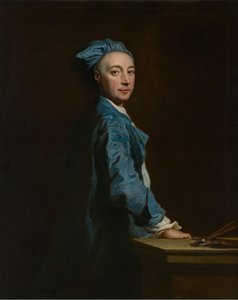
Joseph Highmore
1692 - 1780 , Regno Unito
Informazioni rapide
- Artistic Movement Or Style: Rococò
- Artists Who Influenced This Artist:
- Godfrey Kneller
- William Cheselden
- Date Of Birth: 1692
- Date Of Death: 1780
- Full Name: Joseph Highmore
- Nationality: Inglese
- Notable Artworks:
- Hagar e Ismaele
- Pamela mostra il signor Williams
- Re Giorgio II
- Generale James Wolfe
- Place Of Birth: Londra, Regno Unito
Articoli correlati

The Allure of Elegance in Art: A Historical & Aesthetic Exploration of Refinement & Grace
Explore the exquisite world of Rococo art! Discover its history, masters (Watteau, Boucher & more), and defining elegance. Expert insights for collectors seeking museum-quality reproductions & custom portraits.

I 10 Capolavori Rococò che Hanno Definito un'Epoca | Arte e Decorazioni di Lusso
Esplora i 10 capolavori del Rococò con ! Scopri Fragonard, Boucher e Tiepolo e lasciati ispirare da colori pastello e decorazioni di lusso. Quadri antichi e riproduzioni d'arte per interni eleganti. Esplora la collezione online!

The Rococo Aesthetic: Opulence, Rebellion & the Pursuit of Pleasure in 18th-Century Art
Explore the opulent world of Rococo art! Discover its origins, key artists like Watteau & Boucher, and lasting influence on design. Expert insights for collectors & enthusiasts.
Tra Vigne e Muri: Un Percorso Curoriale per l'Arte nelle Cantine e Sale di Degustazione – Esaltare l'Esperienza Enologica Attraverso Paesaggi, Simbolismo e Armonia d'Interni
Scopri come l'arte eleva l'esperienza enologica! Guide esperte per cantine d'autore, design innovativo e strategie di valorizzazione del territorio. Ispirazioni uniche per hotel e professionisti.

Joseph Highmore: Tra Moralità e Vita Domestica nell'Arte Britannica del XVIII Secolo
Esplora la vita e le opere di Joseph Highmore, pittore inglese del XVIII secolo. Analisi approfondita della sua pittura morale, dello stile rococò e dei temi familiari che lo resero celebre. Scopri l'arte britannica con OriginalUniqueArt.
