

 Condividi
 Condividi
 Dettagli
 Guida stampabile

 Scarica
 Articoli simili
 Slideshow
 Statistiche
St. Onuphrius
 Carved
- Baroque
 1700
1700- Early Modern
 169.0 x 55.0 cm
 Museo Nazionale d'Arte Antica
 Leggi tutto
Giclée / Stampe d'arte
Stampa giclée o su tela di qualità museale, con produzione rapida e diverse opzioni di finitura. ( Ordina la riproduzione dipinta a mano Passa all'immagine digitale)




































Scegli tra le nostre dimensioni predefinite, che rispettano le proporzioni originali dell'opera d'arte.

È possibile inserire dimensioni personalizzate per adattare l'opera a una cornice o a uno spazio specifico. Se la dimensione selezionata non corrisponde alle proporzioni dell'immagine originale, procederemo al ritaglio dell'opera o all'estensione dell'immagine con un bordo specchiato o a tinta unita. Un mockup digitale ti verrà inviato per approvazione prima dell'inizio della produzione.
Si prega di notare che l'anteprima a schermo non riflette il ritaglio o l'estensione effettivi. Solo il mockup mostrerà accuratamente la composizione finale.
Sebbene siano disponibili dimensioni personalizzate, si raccomanda di selezionare una dimensione dall'elenco predefinito per preservare le proporzioni originali.
Consegna in tutto il mondo () in 2 settimane invece delle normali 4/5 settimane. (26 Settembre)

Spedizione espressa gratuita in tutto il mondo

Tela in lino di alta qualità

Assicurazione completa sulla spedizione

Garanzia di rimborso dei dazi doganali

Garanzia di perfetta fedeltà cromatica

Politica di reso entro 100 giorni (solo per difetti di fabbricazione)

Garanzia di rimborso al 100%

Sconto per acquisti multipli
 L'opzione vetro è disponibile solo per dimensioni inferiori a 110 cm

St. Onuphrius
Giclée / Stampe d'arte
Dimensioni della riproduzione
-


Prezzo totale
$ 80
A Masterpiece of Raw Devotion
In the quiet presence of St. Onuphrius, one encounters more than just a religious relic; one meets a profound dialogue between wood and spirit. Created around 1700 by the masterful hand of José de Almeida, this sculpture stands as a testament to the transition between the ornate Portuguese sculptural traditions and the refined classicism of the late Baroque period. Unlike many contemporary works of its era that sought refuge in vibrant polychrome or the glittering gold of estofado, this piece remains in its raw, unadorned state. This deliberate choice strips away the superficial, leaving only the pure, tactile essence of the wood to convey the hermit's ascetic life. It is a work that breathes through its texture, inviting the viewer to contemplate the beauty found in simplicity and the strength found in austerity.
The technical brilliance of Almeida is most evident in the way he manipulates light and shadow across the saint's form. Having refined his craft in Rome between 1718 and 1728, where drawing was revered as the very foundation of creation, Almeida brought a sophisticated understanding of anatomy and composition back to Lisbon. The sculpture serves as an aesthetic essay on luminosity; notice how the intricate carvings of palm leaves within the garments catch the light, creating a rhythmic interplay of brightness and depth. The meticulous detail in the flowing hair and the weathered features of the saint’s head demonstrates a mastery of form that once served as a definitive model for students at the Academy of Fine Arts in Lisbon.
Symbolism and the Soul of the Sculptor
Beyond its technical prowess, St. Onuphrius carries a heavy emotional weight, embodying the solitude and spiritual endurance of the desert hermit. The choice to leave the wood unpainted is deeply symbolic, mirroring the saint's own rejection of worldly vanities in favor of a life of prayer and penance. Every groove carved into the timber represents a moment of devotion, making the sculpture feel less like an object and more like a living entity. For the collector or the lover of fine art, this piece offers a rare window into the late Baroque soul—a period where the dramatic tension of movement met the quiet dignity of classical restraint.
For interior designers and connoisseurs of historical reproductions, this work provides an unparalleled focal point for spaces that demand character and gravitas. Whether placed in a sunlit gallery or a moody, contemporary study, the sculpture’s monochromatic essence and organic texture harmonize beautifully with both minimalist and traditional decor. Owning a high-quality reproduction of such a significant piece allows one to bring a sense of historical continuity and contemplative peace into the modern home, celebrating a legacy of craftsmanship that has endured for over three centuries.
Biografia dell'artista
José Ferraz de Almeida Júnior: A Brazilian Realist Pioneer
José Ferraz de Almeida Júnior (1850-1899) represents a cornerstone of Brazilian art history, marking the decisive shift from idealized academic painting to the burgeoning realism movement that captivated Europe and fundamentally altered the artistic panorama of his nation. Born into modest circumstances – bellringing at the church of “Our Lady of Candleária” – these formative experiences instilled within him an unwavering devotion to faith and rural traditions, elements that would profoundly shape his artistic vision. This initial preoccupation with religious iconography foreshadowed a stylistic evolution toward portraying Brazilian peasant life ('caipiras'), achieving unparalleled sensitivity and meticulous detail in capturing the essence of the Brazilian countryside. A pivotal juncture arrived when he secured invaluable patronage from Father José Cristiano Henriques Júnior, vicar of Candleária, who orchestrated a fundraising initiative affording him the opportunity to pursue formal artistic instruction in Rio de Janeiro. Recognizing his exceptional talent, Pedro Américo, then director of the Academia Imperial de Belas Artes, championed Júnior’s aspirations, urging him to contend for a prestigious travel scholarship to Europe – an ambition he prudently declined, prioritizing his return to Itu and establishing a studio where he could continue perfecting his craft. This astute decision proved prophetic as Emperor Pedro II personally acknowledged Júnior's artistic merit, awarding him a substantial stipend of 300 francs per month (approximately USD $60) specifically earmarked for European studies. His formative years in Paris under Alexandre Cabanel’s tutelage decisively solidified his stylistic trajectory and exposed him to the avant-garde currents circulating within the Salon exhibitions. Participating in four consecutive salons underscored his unwavering commitment to artistic excellence, establishing him as a prominent voice amongst the burgeoning realist painters of his era. Júnior's unassuming demeanor – characterized by “simple, country speech and manners” – garnered considerable admiration from fellow artists and observers alike, reflecting a character deeply rooted in rural values amidst the intellectual dynamism of Parisian society. He absorbed influences from Victor Meirelles, whose landscapes served as inspiration for Júnior’s own compositions. Returning to Brazil in 1882 after brief explorations of Italy, Júnior continued his artistic endeavors with unwavering dedication. He inaugurated a studio in São Paulo, offering instruction and organizing exclusive exhibitions that celebrated Brazilian culture and artistry. His oeuvre encompassed diverse subjects – portraits of prominent figures from the Republican era alongside depictions of rural landscapes—demonstrating his remarkable versatility as an artist and capturing the spirit of Brazil’s evolving socio-political landscape. Notably, he was honored with knighthood in the Order of Rosacea in 1884, recognizing his contribution to Brazilian art and culture. Throughout his life, Júnior steadfastly rejected offers of academic positions, preferring to remain devoted to São Paulo and its artistic community. From 1887 to 1896, he undertook three further expeditions to Europe, furthering his artistic development and immersing himself in the European artistic milieu. During this period, he transitioned away from grand historical narratives toward landscapes and portraits imbued with a palpable sense of immediacy and emotion—a hallmark of Brazilian Realism. José Ferraz de Almeida Júnior’s legacy persists as a symbol of Brazilian artistic ambition and a testament to the transformative power of observation and empathy in conveying the beauty and complexity of human experience, securing his place among Brazil's most celebrated painters.
José Ferraz de Almeida Júnior
1850 - 1899
Informazioni rapide
- Artistic Movement Or Style: Realismo
- Artists Or Movements Influenced By This Artist: ['École des Beaux-Arts']
- Artists Who Influenced This Artist: ['Victor Meirelles']
- Date Of Death: 1899
- Full Name: José Ferraz de Almeida Júnior
- Nationality: Brasiliano
- Notable Artworks:
- Ritratto di una giovane donna
- Santo Onufrio
- Lo scultore
- Place Of Birth: Itu
Articoli correlati

The Enduring Form: Sculpture Across History, Technique & Emotional Resonance
Explore the rich history of sculpture with OriginalUniqueArt. Discover key techniques, influential artists & investment potential for discerning collectors. Expert insights into valuing and collecting timeless masterpieces.

I 10 Capolavori Bronzei che Hanno Rivoluzionato la Storia dell'Arte | OriginalUniqueArt
Esplora i 10 capolavori bronzei che hanno segnato la storia dell'arte! Da Rodin a Michelangelo, scopri le storie e le tecniche dietro queste sculture iconiche. Trova riproduzioni d'arte di alta qualità per decorare la tua casa con OriginalUniqueArt.com.

The Enduring Form: Exploring Themes & Techniques in Sculpture Across Historical Periods
Explore the rich history of sculpture from ancient masterpieces to contemporary innovations. Discover key techniques, influential artists & investment potential for discerning art collectors.

I 10 Capolavori in Bronzo che Hanno Rivoluzionato la Storia dell'Arte | OriginalUniqueArt
Esplora i 10 capolavori in bronzo che hanno segnato la storia dell'arte! Da Michelangelo a Rodin, scopri le storie e le tecniche dietro queste statue iconiche. Trova riproduzioni artistiche di alta qualità per decorare casa tua con OriginalUniqueArt.com.
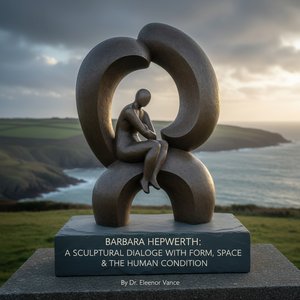
Barbara Hepworth: Un Dialogo Scultoreo con Forma, Spazio e la Condizione Umana
Esplora l'universo scultoreo di Barbara Hepworth: un viaggio attraverso forma, spazio e la condizione umana. Analisi approfondite, contesto storico e l'eredità di una maestra dell'arte moderna.