
 Anteprima in scala reale
 Condividi
 Condividi
 Dettagli

 Scarica immagine
 Articoli simili
 Radiografia
 Slideshow
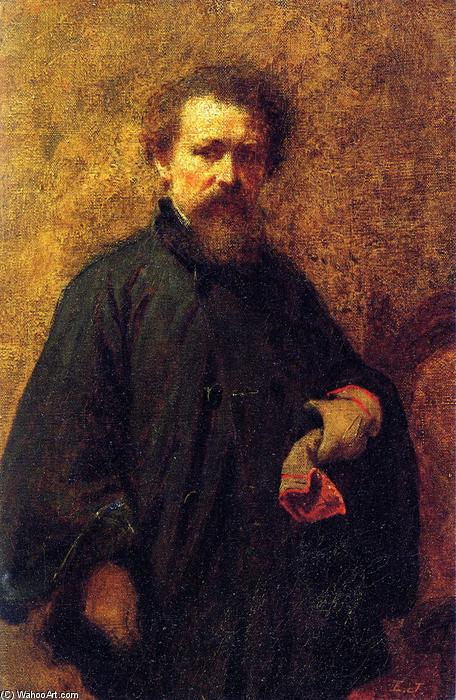
Self Portrait


 Leggi tutto
Riproduzione a olio fatta a mano
Olio su tela dipinto a mano nelle tue dimensioni e con la tua cornice, realizzato su ordinazione dai nostri artisti. ( Passa alla stampa Passa all'immagine)




P118B $10

P118H $10

P118W $10

P438Z $10

P508JH $12

P508YH $12

P805H $10

P805Z $10

P919BZ $10

P919G $10

P919XJ $10

P959ZH $10

P968JZ $12

W106C $8

W218G $10

W218JH $8

W218Y $10

W307PJ $10

W316G $10

W316PJ $8

W316Y $10

W398PJ $8

W4111J $10

W500HY $15

W500JH $15

W692G $12

W849H $8

W940BG $15

W953PJ $8




Scegli tra le nostre dimensioni predefinite, che rispettano le proporzioni originali dell'opera d'arte.

È possibile inserire dimensioni personalizzate per adattare l'opera a una cornice o a uno spazio specifico. Se la dimensione selezionata non corrisponde alle proporzioni dell'immagine originale, provvederemo a ritagliare l'opera o a estendere il dipinto con elementi aggiuntivi dipinti a mano. Un mockup digitale ti sarà inviato per approvazione prima dell'inizio della produzione.
Si prega di notare che l'anteprima a schermo non riflette il ritaglio o l'estensione effettivi. Solo il mockup mostrerà accuratamente la composizione finale.
Sebbene siano disponibili dimensioni personalizzate, consigliamo di selezionare una dimensione dall'elenco predefinito per preservare le proporzioni originali.
Dopo l'ordine, il team di OriginalUniqueArt.com contatterà il cliente via e-mail per le istruzioni e fornirà un'anteprima del mockup
Consegna in tutto il mondo () in 3/4 settimane anziché nelle normali 5 settimane. (8 Agosto). Nessun compromesso sulla qualità.

Spedizione espressa gratuita in tutto il mondo

Tela in lino di alta qualità

Assicurazione completa sulla spedizione

Garanzia di rimborso dei dazi doganali

Garanzia di fedeltà cromatica dell'originale

Politica di reso entro 60 giorni (solo per difetti di fabbricazione)

Garanzia di rimborso al 100%

Sconto per acquisti multipli
 L'opzione vetro è disponibile solo per dimensioni inferiori a 110 cm

Self Portrait
Tecnica di riproduzione
Dimensioni della riproduzione
-


Prezzo totale
$ 300
Descrizione dell'opera
A Window into American Realism: Eastman Johnson’s “Self Portrait” (1860)
Eastman Johnson's "Self Portrait" of 1860 is more than just a likeness; it’s a meticulously crafted window into the soul of an era and the quiet dignity of a man. Painted during a pivotal period of American artistic development, this oil-on-canvas work embodies the burgeoning realism that would define Johnson's career and, in many ways, shape the course of 19th-century portraiture. The painting immediately draws the viewer in with its direct gaze – Johnson’s eyes meet ours across time, conveying a sense of thoughtful introspection and understated strength.
The composition is deceptively simple yet profoundly effective. Dressed in a dark, well-tailored coat and holding a red cloth—a subtle detail that hints at theatricality or perhaps a deliberate gesture of presentation – Johnson presents himself against a muted wall adorned with a vase and a clock. These elements aren’t merely decorative; they ground the portrait within a domestic setting, suggesting a life lived within the rhythms of everyday existence. The background's subdued palette further emphasizes the subject, allowing his features and demeanor to take center stage.
The Painter’s Palette: Technique and Style
Johnson’s masterful technique is rooted in the academic traditions he studied in Europe, particularly in Düsseldorf, Germany, where he honed his skills alongside other American artists seeking a rigorous artistic education. However, unlike many of his European contemporaries, Johnson didn't simply replicate established styles; he adapted them to reflect the unique character of American life. His brushwork is precise and controlled, yet imbued with a remarkable sensitivity to light and shadow. Note the subtle gradations in tone that define the contours of his face, creating a sense of volume and depth.
The painting’s realism extends beyond mere representation. Johnson captures not just Johnson's physical appearance but also something of his personality – a quiet confidence tempered by a hint of melancholy. The careful attention to detail—the texture of the coat, the slight furrow in his brow—reveals a deep understanding of human anatomy and expression. It’s a testament to Johnson’s ability to translate observation into compelling visual narrative.
A Man of His Time: Historical Context
To fully appreciate “Self Portrait,” it's essential to understand the social and artistic landscape of 1860 America. The nation was grappling with the aftermath of the Civil War, navigating a period of Reconstruction and profound societal change. Johnson’s work reflects this atmosphere of introspection and quiet resilience. He wasn’t interested in grand historical narratives or idealized representations; instead, he focused on capturing the realities of ordinary American life – a theme that would become increasingly prominent in his later genre paintings.
Johnson's connection to Washington D.C. is particularly significant. He lived and worked there for much of his career, documenting the lives of politicians, businessmen, and everyday citizens. His portraits offer invaluable insights into the social fabric of a rapidly evolving nation. The inclusion of elements like the vase and clock—common features of domestic interiors—further anchors the portrait within this specific context.
Symbolism and Emotional Resonance
While seemingly straightforward, “Self Portrait” is rich in subtle symbolism. The red cloth held in Johnson’s hand could represent passion, creativity, or perhaps a theatrical element – reflecting his involvement in stage design and set dressing. The direct gaze of the subject invites contemplation, prompting us to consider not only Johnson's identity but also our own relationship with self-representation and portraiture itself.
Ultimately, “Self Portrait” is a powerful testament to the enduring appeal of realism as an artistic approach. It’s a painting that speaks to the complexities of human experience – capturing both the outward appearance and the inner life of a man who sought to document his time with honesty, nuance, and a profound appreciation for the beauty of everyday existence.
Biografia dell'artista
Jonathan Eastman Johnson: Una Vita nell'Arte Americana
- Nato: 29 luglio 1824, Lovell, Maine
- Morto: 5 aprile 1906, New York City
- Nazionalità: Americano
Primi Anni e Inizi Artistici
- Johnson nacque in una famiglia con forti legami con il mondo degli affari e delle organizzazioni fraterne. Suo padre, Philip Carrigan Johnson, svolse un ruolo attivo in entrambi.
- Crescendo a Fryeburg e Augusta, nel Maine, acquisì una precoce esposizione alla vita comunitaria che avrebbe poi informato i soggetti delle sue opere artistiche.
- La sua formazione artistica formale iniziò nel 1840 quando fu apprendista presso un litografo di Boston, segnando l'inizio della sua carriera come artista.
- Si trasferì a Washington D.C. alla fine degli anni '40 con la sua famiglia a causa della posizione del padre nel Dipartimento della Marina. Questo periodo lo espose a soggetti ed esperienze diverse che avrebbero influenzato il suo lavoro successivo.
Stile Artistico, Influenze e Sviluppo
- Pittura di Genere: Johnson è noto soprattutto per le sue pitture di genere – scene che raffigurano la vita quotidiana. Queste opere offrivano una prospettiva unica sulla società americana, catturando le storie di persone comuni.
- Ritrattistica: Accanto alla pittura di genere, era anche un ritrattista abile, creando somiglianze sia di individui comuni che di figure importanti come Abraham Lincoln, Nathaniel Hawthorne, Ralph Waldo Emerson e Henry Wadsworth Longfellow.
- Influenza dei Maestri Olandesi: Un punto di svolta significativo nel suo sviluppo artistico avvenne negli anni '50 quando studiò le opere dei maestri olandesi del XVII secolo all'Aia. Questa influenza è evidente nella composizione, nell'illuminazione e nel realismo delle sue pitture successive, guadagnandogli il soprannome di "L'Americano Rembrandt".
- Realismo: Il lavoro di Johnson si allinea con il più ampio movimento realista, che enfatizza le accurate rappresentazioni della vita quotidiana piuttosto che rappresentazioni idealizzate o romantiche.
Opere Principali e Realizzazioni
- Negro Life at the South (1859): Considerata una delle opere d'arte più importanti dell'America del XIX secolo, quest'opera raffigura gli afroamericani che godono del tempo libero. Scatenò un notevole dibattito sulle relazioni razziali e le condizioni sociali nel Sud anteguerra.
- Serie sulla Guerra Civile: Johnson documentò l'impatto della Guerra Civile sulla vita civile attraverso una serie di toccanti dipinti che raffigurano famiglie ansiose e scene lontane dal campo di battaglia. Ride For Liberty (1862) è un esempio notevole, che ritrae una famiglia schiava che fugge verso la libertà.
- Scene della Nuova Inghilterra: Le sue raffigurazioni della vita rurale del New England, tra cui la raccolta di sciroppo d'acero e di mirtilli rossi, celebravano i valori tradizionali americani e l'artigianato.
- Commissioni per Ritratti: Johnson ottenne riconoscimenti per i suoi ritratti di figure importanti, tra cui i presidenti statunitensi Chester Arthur, Grover Cleveland e Benjamin Harrison, nonché uomini d'affari influenti come Jay Gould e John D. Rockefeller.
- Co-fondatore del Metropolitan Museum of Art: L'impegno di Johnson per l'arte si estendeva oltre la sua stessa pratica; fu un co-fondatore del Metropolitan Museum of Art a New York City, con il suo nome inciso all'ingresso, a significare il suo significativo contributo al mondo dell'arte americano.
Significato Storico e Eredità
- Pioniere della Pittura di Genere: Johnson ha svolto un ruolo cruciale nell'istituire la pittura di genere come forma di espressione artistica rispettata in America.
- Commento Sociale: Le sue opere spesso offrivano sottili commenti sociali, stimolando la riflessione su questioni quali le relazioni razziali, le distinzioni di classe e l'impatto della guerra.
- Influenza sul Realismo Americano: La dedizione di Johnson a raffigurare la vita quotidiana con onestà e dettaglio ha contribuito a plasmare lo sviluppo della pittura realista americana.
- Riconoscimento Duraturo: Oggi, Jonathan Eastman Johnson è ricordato come una figura significativa nella storia dell'arte americana, celebrato per la sua abilità tecnica, le osservazioni perspicaci e i contributi duraturi al patrimonio artistico della nazione.
Jonathan Eastman Johnson
1824 - 1906 , Regno Unito
Informazioni rapide
- Artistic Movement Or Style: Pittura di genere, Realismo
- Artists Who Influenced This Artist: ['Maestri olandesi del XVII secolo']
- Date Of Birth: 29 luglio 1824
- Date Of Death: 5 aprile 1906
- Full Name: Jonathan Eastman Johnson
- Nationality: Americano
- Notable Artworks:
- Negro Life at the South
- Ride For Liberty
- New England Scenes
- Place Of Birth: Lovell, Regno Unito
Articoli correlati

Jamie Wyeth: Realismo, Regionalismo e Paesaggi Americani – Un'Eredità Pittorica tra Memoria e Atmosfera
Esplora l'universo pittorico di Jamie Wyeth: realismo americano, regionalismo e paesaggi evocativi. Analisi approfondita della sua arte, tecnica e il retaggio familiare Wyeth. Scopri le mostre recenti e i cataloghi dedicati.

Realismo Americano: 10 Capolavori che Hanno Definito un'Epoca | OriginalUniqueArt
Esplora i 10 capolavori del Realismo Americano con OriginalUniqueArt. Scopri Andrew Wyeth, Edward Hopper e George Bellows. Quadri iconici, storie uniche e riproduzioni di alta qualità per la tua casa. Esplora la collezione online!
The Ashcan School: Realism, Urban Life & the Democratization of American Art
Explore the revolutionary Ashcan School! Discover how artists like Henri & Sloan challenged tradition with gritty realism, capturing urban life in early 20th-century America. Learn about their impact on American art history.

Abbott Handerson Thayer: Realismo Etereo e Simbolismo Spirituale nell'Arte Americana
Esplora l'opera di Abbott Handerson Thayer, pittore americano innovativo tra realismo etereo e simbolismo spirituale. Analisi approfondita del suo stile unico, dagli angeli alle figure alate e allo studio del mimetismo animale.

Dallo Scatto Istantaneo al Ritratto d'Atelier: La Rinascita della Tecnica ad Olio nell'Era Digitale
Scopri la rinascita della pittura ad olio! Riproduzioni di alta qualità realizzate da esperti artisti. Consulenza personalizzata e opere uniche per arredare con stile e valore.



