Anteprima in scala reale
 Condividi
 Condividi
 Dettagli

 Scarica immagine
 Articoli simili
 Radiografia
 Slideshow
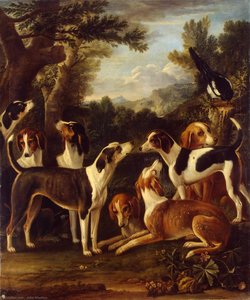
The Shooting Party
 Acrylic On Canvas
- WallArt
- Georgian Sporting Art
 1740
1740 88.0 x 74.0 cm
 Royal Collection
 Leggi tutto
Riproduzione a olio fatta a mano
Olio su tela dipinto a mano nelle tue dimensioni e con la tua cornice, realizzato su ordinazione dai nostri artisti. ( Ordina stampa Acquista download)




P118B $10

P118H $10

P118W $10

P438Z $10

P508JH $12

P508YH $12

P805H $10

P805Z $10

P919BZ $10

P919G $10

P919XJ $10

P959ZH $10

P968JZ $12

W106C $8

W218G $10

W218JH $8

W218Y $10

W307PJ $10

W316G $10

W316PJ $8

W316Y $10

W398PJ $8

W4111J $10

W500HY $15

W500JH $15

W692G $12

W849H $8

W940BG $15

W953PJ $8




Scegli tra le nostre dimensioni predefinite, che rispettano le proporzioni originali dell'opera d'arte.

È possibile inserire dimensioni personalizzate per adattare l'opera a una cornice o a uno spazio specifico. Se la dimensione selezionata non corrisponde alle proporzioni dell'immagine originale, provvederemo a ritagliare l'opera o a estendere il dipinto con elementi aggiuntivi dipinti a mano. Un mockup digitale ti sarà inviato per approvazione prima dell'inizio della produzione.
Si prega di notare che l'anteprima a schermo non riflette il ritaglio o l'estensione effettivi. Solo il mockup mostrerà accuratamente la composizione finale.
Sebbene siano disponibili dimensioni personalizzate, consigliamo di selezionare una dimensione dall'elenco predefinito per preservare le proporzioni originali.
Dopo l'ordine, il team di OriginalUniqueArt.com contatterà il cliente via e-mail per le istruzioni e fornirà un'anteprima del mockup
Consegna in tutto il mondo () in 3/4 settimane anziché nelle normali 5 settimane. (16 Agosto). Nessun compromesso sulla qualità.

Spedizione espressa gratuita in tutto il mondo

Tela in lino di alta qualità

Assicurazione completa sulla spedizione

Garanzia di rimborso dei dazi doganali

Garanzia di fedeltà cromatica dell'originale

Politica di reso entro 60 giorni (solo per difetti di fabbricazione)

Garanzia di rimborso al 100%

Sconto per acquisti multipli
 L'opzione vetro è disponibile solo per dimensioni inferiori a 110 cm

The Shooting Party
Tecnica di riproduzione
Dimensioni della riproduzione
-


Prezzo totale
$ 300
Descrizione dell'opera
A Sporting Masterpiece: John Wootton’s “The Shooting Party”
John Wootton's "The Shooting Party," painted around 1740, isn’t merely a depiction of a hunting scene; it’s a meticulously crafted tableau of aristocratic leisure and the burgeoning social dynamics of Georgian England. This remarkable work, now housed in prestigious collections worldwide, offers a captivating glimpse into a world of privilege, tradition, and subtle power plays, all rendered with an unparalleled sensitivity to light, texture, and human character.
The painting immediately draws the eye with its carefully orchestrated composition. A group of gentlemen – identifiable as Frederick, Prince of Wales; Horace Walpole, the famed writer; and the Duke of Queensberry – are gathered in a richly detailed forest setting. Wootton’s skill lies not just in capturing their likenesses but in conveying their personalities through posture, expression, and the way they interact with one another. The Prince of Wales, seated prominently at the center, exudes an air of authority and relaxed enjoyment, while Walpole, to his left, appears more contemplative, perhaps observing the unfolding social dynamics with a critical eye. The inclusion of two loaders, meticulously positioned in the background, subtly underscores the activity that dominates the scene – the pursuit of game.
A Portrait of Georgian Aristocracy
Wootton’s work firmly establishes him as a pioneer of sporting art, a genre previously dominated by Dutch and Flemish masters. He moved beyond simple depictions of hunting to create sophisticated conversations pieces, imbued with narrative depth and psychological insight. “The Shooting Party” exemplifies this shift; it's not simply about the act of shooting but about the relationships between the participants, their social standing, and the unspoken tensions that simmer beneath the surface of polite conversation.
The figures are dressed in the height of fashionable attire – velvet jackets, embroidered waistcoats, feathered hats – reflecting the wealth and status of the group. The details are exquisite: the Prince’s coronet and feathers on the frame, the hounds' heads adorning the base rail, all speak to a deliberate effort to showcase both aristocratic taste and the bounty of the hunt. Wootton’s meticulous attention to detail extends to the landscape itself, which is rendered with atmospheric perspective and a masterful understanding of light and shadow, creating a sense of depth and realism that anchors the scene.
Technique and Style: A Blend of Influences
Wootton's artistic training under Jan Wyck provided him with a solid foundation in draftsmanship and painting techniques. However, he quickly developed his own distinctive style, drawing inspiration from a diverse range of sources. The influence of Poussin is evident in the carefully structured composition and the use of light to create a sense of drama and atmosphere. Gaspard Dughet’s landscapes are reflected in the atmospheric perspective and the subtle modeling of forms, while Claude Lorrain's emphasis on natural beauty contributes to the painting's overall elegance.
The brushwork is remarkably smooth and refined, indicative of Wootton’s mastery of oil paint. He employs a layering technique, building up color gradually to create rich textures and luminous effects. The use of light is particularly noteworthy – it illuminates the faces of the figures, highlighting their expressions and creating a sense of warmth and intimacy. The subtle gradations of tone contribute to the painting's overall realism and depth.
Symbolism and Emotional Resonance
Beyond its surface depiction of a hunting party, “The Shooting Party” is rich in symbolism. The hunt itself represents more than just sport; it’s a ritual that reinforces social hierarchies, celebrates masculine prowess, and provides an outlet for aristocratic leisure. The subtle tensions between the figures – Walpole's contemplative gaze, the Prince’s relaxed authority – hint at underlying rivalries and power struggles.
The painting evokes a sense of nostalgia for a bygone era, a time when aristocratic life was characterized by elegance, tradition, and a certain degree of social formality. Yet, there is also an undercurrent of melancholy, suggesting the decline of such a world. “The Shooting Party” captures not only a specific moment in time but also the broader cultural shifts that were transforming England during the Georgian period. It’s a timeless masterpiece that continues to resonate with viewers today, offering a window into the lives and aspirations of a privileged elite.
Biografia dell'artista
John Wootton: Un Pioniere dell'Arte Sportiva
- Nato: c. 1686, Snitterfield, Warwickshire, Regno Unito
- Morto: 13 novembre 1764, Londra, Inghilterra
- Conosciuto per: Dipinti di cavalli, paesaggi, scene sportive, illustrazioni
Primi Anni e Formazione
- John Wootton nacque a Snitterfield, vicino a Stratford-upon-Avon, Warwickshire. Si ritiene che possa aver servito come paggio della famiglia Beaufort fin dalla giovane età.
- Probabilmente ricevette la sua formazione artistica iniziale sotto Jan Wyck durante gli anni '90 del 1600. Questa istruzione fondamentale gli fornì abilità essenziali nel disegno e nelle tecniche di pittura.
- La sua opera datata più antica conosciuta, "Bonny Black" (1711), dimostra una precoce attitudine per il ritratto equino, mostrando un'abilità in via di sviluppo nella cattura del somiglianza e del carattere dei cavalli.
Carriera e Sviluppo Artistico
- Wootton si stabilì a Londra nel 1706, ottenendo rapidamente riconoscimento per le sue raffigurazioni di cavalli, in particolare quelli associati alla scena delle corse di Newmarket.
- Divenne una figura importante all'interno dei circoli artistici del suo tempo, iscrivendosi alla prima English Academy of Painting and Drawing nel 1711 e successivamente ricoprendo la carica di amministratore del Virtuosi Club of St Lukes nel 1717.
- La sua specializzazione in soggetti equini gli portò un notevole successo e il patrocinio di membri di alto rango della società britannica, tra cui Giorgio II e Federico, Principe di Galles.
- Oltre ai ritratti equini, Wootton contribuì significativamente alla pittura britannica attraverso l'introduzione del paesaggio ideale. Influenzato da artisti come Gaspard Dughet (noto anche come Gaspar van Wittel), incorporò elementi classici nei suoi paesaggi, offrendo un'alternativa agli stili prevalenti olandesi e fiamminghi. Questa influenza si estese a successivi artisti britannici come Thomas Gainsborough.
Opere Principali e Stile Artistico
- Ritratti Equini: Wootton è ricordato soprattutto per i suoi ritratti dettagliati ed espressivi di cavalli, catturando le loro individualità e caratteristiche fisiche con notevole accuratezza. "Bonny Black" esemplifica questa abilità.
- Scene Sportive: I suoi dipinti spesso raffiguravano scene di caccia e attività equestri, riflettendo la popolarità di questi passatempi tra l'aristocrazia britannica. Queste opere includevano frequentemente "conversation pieces" con cavalieri e cani da caccia in ambientazioni pittoresche.
- Paesaggi: I paesaggi di Wootton, sebbene a volte oscurati dai suoi dipinti di animali, dimostrano una raffinata comprensione della prospettiva e della composizione, incorporando elementi classici ed effetti atmosferici.
- Stile: Il suo stile è caratterizzato da un meticoloso dettaglio, un rendering realistico degli animali e una miscela armoniosa di pittura di paesaggi e figure. Combinava abilmente l'osservazione con la rappresentazione idealizzata, creando opere che erano sia esteticamente gradevoli che riflettevano la cultura sportiva del suo tempo.
Eredità e Significato Storico
- Sebbene in seguito eclissato in popolarità da George Stubbs, che possedeva una maggiore padronanza tecnica dell'anatomia animale, John Wootton rimane una figura significativa nella storia dell'arte britannica.
- È riconosciuto come un pioniere dell'arte sportiva, stabilendo un genere che sarebbe stato ulteriormente sviluppato da artisti successivi.
- La sua introduzione dello stile paesaggistico ideale ebbe un impatto duraturo sulla pittura britannica, influenzando generazioni di artisti e contribuendo allo sviluppo di un'estetica distintamente britannica.
- Le opere di Wootton sono conservate in prestigiose collezioni in tutto il mondo, tra cui la Tate Gallery (Londra), il Virginia Museum of Fine Arts (Richmond) e il Yale Center for British Art, garantendo che la sua eredità continui ad essere apprezzata dagli appassionati d'arte oggi.

John Wootton
1682 - 1764 , Regno Unito
Informazioni rapide
- Artistic Movement Or Style: Sporting art, paesaggismo
- Artists Or Movements Influenced By This Artist:
- George Stubbs
- Thomas Gainsborough
- Artists Who Influenced This Artist:
- Jan Wyck
- Gaspard Dughet
- Date Of Birth: c. 1686
- Date Of Death: 1764
- Full Name: John Wootton
- Nationality: Britannico
- Notable Artworks: ['Bonny Black (1711)']
- Place Of Birth: Snitterfield, Regno Unito
Articoli correlati

John Singer Sargent: I 25 Capolavori Immortali per Arredare con Stile
Esplora i 25 capolavori di John Singer Sargent, pittore americano simbolo dell'Impressionismo e del Gilded Age. Ritratti iconici, acquerelli luminosi e storie affascinanti. Trova la tua opera d'arte ideale su OriginalUniqueArt.com!

John Constable: I 25 Capolavori che Celebrano la Bellezza della Campagna Inglese
Esplora i 25 capolavori di John Constable, il maestro del Romanticismo inglese. Paesaggi suggestivi, luce naturale e colori vibranti ti aspettano. Acquista riproduzioni d'arte di alta qualità su OriginalUniqueArt.com e porta la bellezza della campagna inglese nella tua casa.
Sr. John E. Ferneley: Equestrian Portraiture & England's Social Fabric
Explore the captivating world of Sr. John E. Ferneley, a master of British sporting art. Discover his exquisite equestrian paintings & insights into 19th-century society. Invest in timeless masterpieces with OriginalUniqueArt.
The Pursuit of Power & Prestige: Hunting Scenes in Western Art
Explore the rich history of hunting scenes in Western art, from royal pursuits to powerful allegories. Discover masterpieces & expert insights for discerning collectors. OriginalUniqueArt offers museum-quality reproductions.
John Frederick Herring Sr.: Maestria Equestre e l'Ascesa dell'Arte Sportiva nell'Inghilterra Vittoriana
Scopri la vita e l'opera di John Frederick Herring Sr., il maestro della pittura equestre vittoriana. Analisi approfondita del suo stile, contesto storico e impatto sull'arte sportiva inglese.