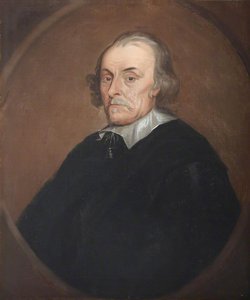
Anteprima in scala reale
 Condividi
 Condividi
 Dettagli
 Guida stampabile

 Scarica
 Articoli simili
 Radiografia
 Slideshow
 Statistiche
Thomas Britton
 1703
1703 74.0 x 62.0 cm
 Leggi tutto
Riproduzione a olio fatta a mano
Olio su tela dipinto a mano nelle tue dimensioni e con la tua cornice, realizzato su ordinazione dai nostri artisti. ( Passa alle stampe Passa all'immagine digitale)




































Scegli tra le nostre dimensioni predefinite, che rispettano le proporzioni originali dell'opera d'arte.

Inserisci la larghezza e l'altezza di cui hai bisogno, per adattarle alla tua cornice o alla tua parete. Trattandosi di un'opera dipinta a mano, in caso di dimensioni con una forma differente, l'artista può dipingere un po' più oltre i bordi dell'immagine o ritagliare leggermente — la scelta spetta a te. Ti invieremo un mockup digitale da approvare prima che la pittura abbia inizio. L'immagine mostrata in questa pagina non rappresenta il risultato reale — solo il mockup lo fa.
Dopo l'ordine, il team di OriginalUniqueArt.com contatterà il cliente via e-mail per ricevere le istruzioni e fornirà un'anteprima del mockup
Consegna in tutto il mondo () in 3/4 settimane anziché nelle normali 5 settimane. (25 Ottobre). Nessun compromesso sulla qualità.

Spedizione espressa gratuita in tutto il mondo

Tela in lino di alta qualità

Assicurazione completa sulla spedizione

Garanzia di rimborso dei dazi doganali

Garanzia di perfetta fedeltà cromatica

Politica di reso entro 100 giorni (solo per difetti di fabbricazione)

Garanzia di rimborso al 100%

Sconto per acquisti multipli
 L'opzione vetro è disponibile solo per dimensioni inferiori a 110 cm

Thomas Britton
Tecnica di riproduzione
Dimensioni della riproduzione
-


Prezzo totale
€ 263
Biografia dell'artista
L'Eleganza dell'Atlantico: La Vita e l'Eredità di Johannes Wollaston londinese
A metà del diciottesimo secolo, mentre le colonie americane iniziavano a muoversi verso un nascente senso di identità, una brezza sofisticata giunse dalle coste di Londra, trasportata dal pennello di Johannes Wollaston londinese. Pittore di profonda grazia e finezza tecnica, Wollaston si staglia come una figura singolare negli annali della storia dell'arte americana: un maestro britannico che ha plasmato irrevocabilmente il paesaggio estetico delle colonie. Sebbene giganti successivi come Benjamin West e Gilbert Stuart abbiano poi dominato la scena del ritratto americano, il vero contributo di Wollaston risiede nel suo ruolo di pioniere, introducendo l'elegante delicatezza e la scintillante raffinatezza dello stile Rococò in Nord America. Egli fu molto più di un semplice cronista di volti; fu un ambasciatore del raffinamento europeo, segnando uno dei primi casi in cui un movimento artistico autenticamente continentale fiorì oltre l'Atlantico.
La giovinezza di Wollaston rimane avvolta nelle morbide nebbie della storia, lasciando molto all'immaginazione degli studiosi. Nato a Londra, era probabilmente il discendente di un pittore, sebbene i documenti sulla sua stirpe siano celebri per le loro controversie. Alcune testimonianత lo identificano come figlio di John Wollaston, mentre altre, attingendo agli arguti aneddoti di Horace Walpole, suggeriscono che il nome originale fosse Woolston, un cambiamento operato per riflettere la tendenza aristocratica dell'epoca di adottare titoli più prestigiosi. Sebbene la sua formazione formale non sia documentata nei dettagli, l'evidenza della sua maestria è innegabile. Le lettere di Charles Willson Peale accennano al fatto che Wollaston avesse studiato l'intricata arte del panneggio con un maestro londinese, una specializzazione che sarebbe diventata il suo marchio di fabbrica. Che sia stato guidato dal padre o influenzato dal celebre pittore di drappeggi Joseph van Aken, Wollaston emerse con un dominio su tessuto e luce che rispecchiava i più grandi talenti della tradizione Rococò britannica.
Una Visione dello Splendore Rococò
L'identità artistica di Wollaston era profondamente radicata nel Rococò inglese, uno stile caratterizzato dalla leggerezza, dalla grazigia e da un'ossessione quasi tattile per la consistenza delle superfici. La sua opera presenta un'inequivocabile somiglianza con i ritratti di Thomas Hudson e Allan Ramsay, catturando non solo la somiglianza dei suoi soggetti, ma l'essenza stessa del loro rango sociale. Egli possedeva una straordinaria capacità di rendere la lucentezza pesante della seta, il delicato pizzo di un colletto e le complesse pieghe del velluto, creando un linguaggio visivo di lusso che incantò l'élite coloniale. Questa maestria nel panneggio non era puramente decorativa; serviva a infondere nei suoi soggetti un senso di movimento e vitalità, rendendo il mezzo statico del ritratto vivo e pulsante.
Il suo viaggio attraverso l'Atlantico nel 1749 segnò un capitolo trasformativo sia per l'artista che per le colonie. Stabilendosi inizialmente a New York, Wollaston intraprese un periodo nomade di intensa creatività, viaggiando lungo la costa atlantica per portare le ultime mode londinesi ai patroni americani. La sua presenza favorì un crescente dialogo artistico tra la Gran Bretagna e le sue colonie, stabilendo un precedente di sperimentazione stilistica che avrebbe risuonato nelle generazioni successive. Nonostante i suoi viaggi, Wollaston rimase profondamente legato alle sue radici inglesi. Questa identità incrollabile è catturata con commozione nell'iscrizione sul retro del suo ritratto di William Smith, Jr., dove si identificava come "Johannes Wollaston Londoniensis," una fiera dichiarazione delle sue origini londinesi nel cuore della selvaggia America.
Significato Storico e Impatto Duraturo
Sebbene la sua vita sia stata tragicamente breve, concludendosi nel 1775, l'impatto della carriera di Johannes Wollaston londinese rimane impresso nella storia dell'arte americana primordiale. Egli fornì alla classe alta coloniale uno specchio visivo che rifletteva le loro aspirazioni verso la sofisticazione europea. La sua capacità di tradurre l'alta moda di Londra nel contesto coloniale permise la creazione di un vocabolario culturale condiviso tra il Vecchio e il Nuovo Mondo. Gli elementi seguenti definiscono la sua duratura impronta storica:
- Introduzione del Rococò: Fu fondamentale nel trapiantare lo stile Rococò, leggero, ornamentale e ricco di tessuti, dall'Europa alle colonie americane.
- Maestria Tecnica: La sua abilità specializzata nel rendere i drappeggi stabilì un nuovo standard per la ritrattistica in Nord America, influenzando il modo in cui le generazioni future di pittori avrebbero percepito la trama e la luce.
- Ponte Culturale: Attraverso i suoi viaggi da New York fino alle colonie meridionali, agì come un legame vitale nella trasmissione dei valori estetici europei nel fiorente paesaggio americano.
- Influenza Fondativa: Stabilendo un precedente per la ritrattistica di alto stile, egli aprì la strada allo sviluppo successivo di una scuola pittorica distintamente americana.
Oggi, quando contempliamo le opere attribuite a Wollaston, vediamo molto più che semplici ritratti del passato coloniale; vediamo l'arrivo di un'era di eleganza. Il suo pennello ha catturato un momento in cui le colonie stavano iniziando a sognare la grandezza e, attraverso la sua arte, quel sogno è stato reso tangibile in seta, pizzo e luce.

Johannes Wollaston londinese
1742 - 1775 , Inghilterra
Informazioni rapide
- Artistic Movement Or Style: Rococo Painting
- Artists Or Movements Influenced By This Artist: ['Baroque Painting']
- Artists Who Influenced This Artist:
- Thomas Hudson
- Allan Ramsay
- Date Of Birth: 1742
- Full Name: John Wollaston
- Nationality: English
- Notable Artworks:
- George Whitefield Portrait
- Officer of the British Navy Portrait
- Place Of Birth: London