Anteprima in scala reale
 Invia
Invia Condividi
 Dettagli opera
 Guida
Guida

 Scarica
 Simili
 Radiografia
 Slideshow
 Q&A
Q&A Statistiche
Lamia

- 90.0 x 144.0 cm


 Espandi i dettagli
Giclée / Stampe d'arte
Stampa giclée o su tela di qualità museale, con produzione rapida e diverse opzioni di finitura. ( Acquista il dipinto realizzato a mano Passa all'immagine digitale)




P118B €10

P118H €10

P118W €10

P438Z €10

P508JH €12

P508YH €12

P805H €10

P805Z €10

P919BZ €10

P919G €10

P919XJ €10

P959ZH €10

P968JZ €12

W106C €8

W218G €10

W218JH €8

W218Y €10

W307PJ €10

W316G €10

W316PJ €8

W316Y €10

W398PJ €8

W4111J €10

W500HY €15

W500JH €15

W692G €12

W849H €8

W940BG €15

W953PJ €8




Scegli tra le nostre dimensioni predefinite, che rispettano le proporzioni originali dell'opera d'arte.

Inserisci la larghezza e l'altezza desiderate, per adattarle alla tua cornice o alla tua parete. Una stampa può essere solo ritagliata, mai resa più grande dell'immagine originale; pertanto, un formato con una forma differente comporterà la perdita di una parte dell'opera. Ti invieremo un mockup digitale da approvare prima di procedere con la stampa. L'immagine mostrata in questa pagina non rappresenta il ritaglio reale — solo il mockup lo mostra.
Consegna in tutto il mondo () in 2 settimane invece delle normali 4/5 settimane. (1 Novembre)

Spedizione espressa gratuita in tutto il mondo

Tela in lino di alta qualità

Assicurazione completa sulla spedizione

Garanzia di rimborso dei dazi doganali

Garanzia di fedeltà cromatica assoluta

Politica di reso entro 100 giorni (solo per difetti di fabbricazione)

Garanzia di rimborso al 100%

Offerta per acquisti multipli
 L'opzione vetro è disponibile solo per dimensioni inferiori a 110 cm

Lamia
Giclée / Stampe d'arte
Dimensioni riproduzione
-


Prezzo finale calcolato
€ 71
Lamia: A Pre-Raphaelite Vision of Myth
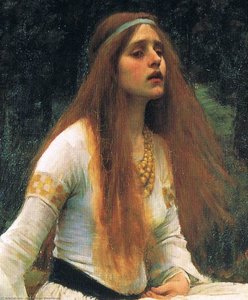
John Waterhouse’s “Lamia” is more than simply a depiction of a classical scene; it's an immersive experience, a carefully constructed tableau designed to evoke the very essence of Keats’s poem. Painted in 1917, this work exemplifies Waterhouse’s masterful command of Pre-Raphaelite aesthetics – a style characterized by meticulous detail, luminous color palettes, and a profound reverence for medieval and Renaissance art. The scene unfolds within the shadowed depths of an ancient Greek hillside, rendered with a sensitivity to light and atmosphere that borders on the ethereal. The knight's posture, rigid yet yearning, combined with Lamia’s melancholic grace, creates a palpable tension – a frozen moment of both desire and impending doom.
(Image of Lamia by John Waterhouse)
The Poetic Narrative
Waterhouse’s interpretation is deeply rooted in Keats's original poem. The title itself, “Lamia,” immediately establishes the subject – a monstrous woman transformed from human beauty through divine retribution. However, it’s not merely a retelling of the myth; Waterhouse subtly shifts the focus to the knight’s perspective. His intense gaze, directed solely at Lamia, speaks volumes about his captivated vulnerability. The positioning—kneeling before her, hand outstretched – suggests a willing surrender to an irresistible force, mirroring the poem's exploration of obsessive love and fatal attraction. The ‘evening dim at moth time,’ so vividly described by Keats, is meticulously recreated through Waterhouse’s use of muted tones and atmospheric haze, amplifying the sense of mystery and foreboding.
Technique and Symbolism
Waterhouse's technical skill is immediately apparent in the rendering of texture. The armor gleams with a realistic sheen, reflecting the light while simultaneously conveying its protective function. The fabric of Lamia’s garment – subtly textured to suggest scales – provides a crucial visual clue to her true nature, a delicate yet unsettling detail that avoids overt horror. The peacock hues within the ‘snake-skin’ draped around her are not merely decorative; they directly reference Keats's evocative description, grounding the painting firmly in the poem’s imagery and reinforcing the theme of transformation and corruption. The inclusion of the two swords adds a layer of narrative complexity, hinting at conflict and potential violence – a stark contrast to Lamia’s initial allure.
Historical Context & Legacy
"Lamia" represents a pivotal moment in Waterhouse's artistic development. Initially working in the style of Lawrence Alma-Tadema, he gradually embraced the Pre-Raphaelite Brotherhood’s romantic vision, finding inspiration in Arthurian legends and medieval themes. This painting showcases his mastery of this style, demonstrating his ability to seamlessly blend classical subject matter with a distinctly Pre-Raphaelite sensibility. Waterhouse's "Lamia" remains a powerful example of the movement's influence, captivating viewers with its beauty, mystery, and profound exploration of human emotion – a testament to Waterhouse’s enduring artistic legacy.
Domande e risposte
Quanto è marcato il contrasto in "Lamia" di John William Waterhouse?
"Lamia" di John William Waterhouse presenta un contrasto Gentle tra le sue zone chiare e scure.
Che atmosfera trasmette "Lamia"?
"Lamia" emana un'atmosfera Romantic.
È possibile ordinare una riproduzione a olio di "Lamia"?
Le riproduzioni dipinte a mano di "Lamia" di John William Waterhouse sono disponibili su questo sito web: una riproduzione a olio dipinta a mano su tela di lino, ordinabili tramite la pagina Riproduzione dipinta a mano.
Biografia dell'artista
Le Origini e la Formazione di un Maestro
John William Waterhouse, nato a Roma nel 1849 da genitori pittori inglesi, portò con sé fin dalla nascita un’eredità artistica che avrebbe plasmato il suo destino. La sua infanzia trascorsa nella capitale italiana, immersa in un ambiente ricco di storia e arte classica, lasciò un'impronta indelebile sulla sua sensibilità estetica. Il ritorno in Inghilterra nel 1854 segnò l’inizio di una nuova fase della sua vita, dedicata allo studio dell’arte presso la Royal Academy of Art a Londra. Inizialmente si dedicò alla scultura, ma ben presto il fascino della pittura lo attrasse irresistibilmente, aprendo le porte a un percorso artistico che lo avrebbe consacrato come uno dei più importanti esponenti del movimento preraffaellita moderno. Le sue prime opere, influenzate dagli stili di Alma-Tadema e Frederic Leighton, rivelavano già una predilezione per i soggetti classici e mitologici, preludio a ciò che sarebbe diventato il suo marchio distintivo.L'Evoluzione Verso lo Stile Preraffaellita
La svolta decisiva nella carriera di Waterhouse avvenne negli anni '80 dell’Ottocento, quando iniziò ad abbracciare pienamente i principi del movimento preraffaellita. Questo stile, caratterizzato da un profondo interesse per l'arte medievale e rinascimentale precedente a Raffaello, si manifestava in una ricerca di bellezza ideale, dettagli minuziosi e colori vibranti. Waterhouse seppe interpretare al meglio questi ideali, creando opere che evocavano atmosfere fiabesche e romantiche, spesso ispirate a poemi epici e leggende arturiane. La sua capacità di rappresentare figure femminili eteree e malinconiche, immerse in paesaggi suggestivi, lo rese celebre in tutta Europa. Opere come "La Dama del Lago" (1894) e “Ophelia” (1888), divenute icone dell'immaginario collettivo, testimoniano la sua maestria nel catturare l’essenza della bellezza femminile e la potenza delle emozioni umane.Temi Ricorrenti e Simbolismo
L'opera di Waterhouse è costellata di temi ricorrenti che riflettono il suo interesse per la mitologia classica, le leggende arturiane e la letteratura romantica. Le figure femminili occupano un posto centrale nelle sue composizioni, spesso rappresentate come creature eteree, vittime del destino o protagoniste di storie d'amore tragiche. La sua pittura è intrisa di simbolismo: fiori, colori e gesti assumono significati nascosti che arricchiscono la narrazione visiva. Ad esempio, nei suoi dipinti ispirati a Shakespeare, i fiori recisi simboleggiano spesso la fragilità della vita e l'ineluttabilità della morte. La luce, elemento fondamentale nella sua tecnica pittorica, contribuisce a creare atmosfere suggestive e a sottolineare la bellezza dei soggetti rappresentati.Il Riconoscimento Postumo e l’Eredità Artistica
Nonostante il successo ottenuto durante la sua vita, Waterhouse non godette di un grande riconoscimento da parte della critica contemporanea, che lo considerava un artista legato al passato. Tuttavia, nel corso del XX secolo, la sua opera ha riscoperto una nuova popolarità, grazie alla riscoperta dell'estetica preraffaellita e all’apprezzamento per la sua capacità di creare immagini evocative e suggestive. La retrospettiva organizzata dalla Royal Academy of Art nel 2009 ha contribuito a consolidare il suo status di maestro indiscusso della pittura vittoriana, attirando un vasto pubblico e suscitando l'interesse dei collezionisti di tutto il mondo. L’eredità artistica di John William Waterhouse continua a ispirare artisti e amanti dell'arte, testimoniando la sua capacità di trascendere i confini del tempo e di parlare direttamente al cuore degli spettatori. La sua pittura, intrisa di romanticismo e malinconia, rimane un prezioso lascito per le generazioni future.
John William Waterhouse
1849 - 1917 , Italia
Dettagli rapidi
- Artistic Movement Or Style: Preraffaellita, Simbolista
- Artists Who Influenced This Artist:
- Alma-Tadema
- Frederic Leighton
- Date Of Birth: 6 aprile 1849
- Date Of Death: 10 febbraio 1917
- Full Name: John William Waterhouse
- Nationality: Britannico
- Notable Artworks:
- Ophelia
- La Dama del Lago
- The Lady of Shalott
- After the Dance
- Place Of Birth (City And Country): Roma, Italia
Articoli correlati

John William Waterhouse: Il Mito Preraffaellita e le Poetiche Rappresentazioni dell'Identità Femminile
Esplora il mondo affascinante di John William Waterhouse e dei Preraffaelliti. Analisi approfondita della sua arte, ispirazioni mitologiche e la poetica rappresentazione dell'identità femminile. Scopri l'eredità di questo maestro.

I 25 Capolavori di Dante Gabriel Rossetti: L'Anima dell'Arte Preraffaellita
Scopri i 25 capolavori di Dante Gabriel Rossetti e l'anima preraffaellita. Esplora la collezione su OriginalUniqueArt.com.

Pre-Raphaelite Romanticism: A Guide to Vivid Detail and Medieval Beauty in Victorian Art
Explore the vivid detail and medieval beauty of Pre-Raphaelite Romanticism. Discover the history of masters like Rossetti and Millais through our expert guide to Victorian art, perfect for collectors and professionals seeking authentic, museum-quality reproductions.

The Pre-Raphaelite Brotherhood: Rebellion, Romance & Medieval Revival
Explore the captivating world of the Pre-Raphaelite Brotherhood! Discover their rebellious spirit, iconic masterpieces & lasting influence on art history. Learn about Rossetti, Millais & more.

The Pre-Raphaelite Brotherhood: Rediscovering Romanticism, Mythological Depth, and Vivid Detail in Victorian Art
Explore the breathtaking world of the Pre-Raphaelite Brotherhood. Discover how this movement redefined Victorian art through vivid detail, mythological depth, and romanticism. An expert guide for classic art enthusiasts seeking to rediscover these timeless masterpieces.