

 Anteprima in scala reale
 Condividi
 Condividi
 Dettagli

 Scarica
 Articoli simili
 Radiografia
 Slideshow
 Statistiche
Mrs. Benjamin Hallowell


 Leggi tutto
Riproduzione a olio fatta a mano
Olio su tela dipinto a mano nelle tue dimensioni e con la tua cornice, realizzato su ordinazione dai nostri artisti. ( Passa alle stampe Passa all'immagine digitale)




P118B $10

P118H $10

P118W $10

P438Z $10

P508JH $12

P508YH $12

P805H $10

P805Z $10

P919BZ $10

P919G $10

P919XJ $10

P959ZH $10

P968JZ $12

W106C $8

W218G $10

W218JH $8

W218Y $10

W307PJ $10

W316G $10

W316PJ $8

W316Y $10

W398PJ $8

W4111J $10

W500HY $15

W500JH $15

W692G $12

W849H $8

W940BG $15

W953PJ $8




Scegli tra le nostre dimensioni predefinite, che rispettano le proporzioni originali dell'opera d'arte.

È possibile inserire dimensioni personalizzate per adattare l'opera a una cornice o a uno spazio specifico. Se la dimensione selezionata non corrisponde alle proporzioni dell'immagine originale, provvederemo a ritagliare l'opera o a estendere il dipinto con elementi aggiuntivi dipinti a mano. Un mockup digitale ti sarà inviato per approvazione prima dell'inizio della produzione.
Si prega di notare che l'anteprima a schermo non riflette il ritaglio o l'estensione effettivi. Solo il mockup mostrerà accuratamente la composizione finale.
Sebbene siano disponibili dimensioni personalizzate, consigliamo di selezionare una dimensione dall'elenco predefinito per preservare le proporzioni originali.
Dopo l'ordine, il team di OriginalUniqueArt.com contatterà il cliente via e-mail per ricevere le istruzioni e fornirà un'anteprima del mockup
Consegna in tutto il mondo () in 3/4 settimane anziché nelle normali 5 settimane. (12 Settembre). Nessun compromesso sulla qualità.

Spedizione espressa gratuita in tutto il mondo

Tela in lino di alta qualità

Assicurazione completa sulla spedizione

Garanzia di rimborso dei dazi doganali

Garanzia di perfetta fedeltà cromatica

Politica di reso entro 100 giorni (solo per difetti di fabbricazione)

Garanzia di rimborso al 100%

Sconto per acquisti multipli
 L'opzione vetro è disponibile solo per dimensioni inferiori a 110 cm

Mrs. Benjamin Hallowell
Tecnica di riproduzione
Dimensioni della riproduzione
-


Prezzo totale
$ 300
A Portrait of Quiet Power: John Singleton Copley’s Mrs. Benjamin Hallowell
John Singleton Copley's “Mrs. Benjamin Hallowell,” painted in 1766 or 1767, is more than a simple likeness; it’s a meticulously crafted tableau of colonial life, subtly imbued with the anxieties and tensions simmering beneath Boston’s gilded surface. This remarkable portrait, currently residing within the Detroit Institute of Arts, offers a rare glimpse into the world of an affluent family grappling with political upheaval and personal turmoil – all rendered with Copley's signature blend of realism and aristocratic elegance.
The subject is Mary Boylston Hallowell, a woman of considerable social standing. She sits poised in a richly appointed chair, her hand extended towards a small dove perched delicately on her palm—a potent symbol of peace amidst the storm brewing around her husband, Benjamin Hallowell. Hallowell, then the comptroller of Boston’s customs house, was a key figure in enforcing British trade regulations during a period of growing colonial resentment. The portrait itself is a testament to Copley's skill in capturing not just physical appearance but also the very essence of his sitter – her composure, her quiet dignity, and perhaps, a hint of underlying apprehension.
The Language of Form and Detail
Copley’s technique is characterized by an almost obsessive attention to detail. The fabric of Mrs. Hallowell's dress—a vibrant orange silk accented with blue velvet—is rendered with astonishing precision, each thread seemingly visible under the light. The texture of her coat, the delicate curve of her fingers, and the subtle play of light on her face all speak to Copley’s mastery of oil paint. He employed a technique known as “stippling,” applying tiny dots of paint to create shading and depth, lending the portrait an incredible luminosity and realism. Notice, too, the careful placement of the two additional birds in the background—a deliberate compositional element that contributes to the overall sense of serenity and tranquility, even as the family’s fortunes were darkening.
The composition itself is carefully balanced. Mrs. Hallowell occupies a central position, framed by the chair and the surrounding details. The dove, positioned on her outstretched hand, acts as a visual anchor, drawing the viewer's eye and reinforcing the theme of peace. Even the lighting—a soft, diffused glow—contributes to the portrait’s mood, creating an atmosphere of quiet contemplation.
A Window into Colonial Discord
The painting’s historical context is crucial to understanding its deeper meaning. The 1760s were a time of intense political and social unrest in Massachusetts, marked by escalating tensions between the colonists and the British government. Benjamin Hallowell's role as customs collector made him a target for colonial protesters who viewed his position as an affront to their liberty. The portrait was painted just months before the infamous Boston Tea Party, and it’s believed that the Hallowells were subjected to harassment and even violence during the subsequent riots.
Interestingly, Copley himself was a Loyalist, aligning himself with the British Crown. The portrait of Mrs. Hallowell can therefore be interpreted as a subtle endorsement of the established order—a celebration of wealth, status, and social stability in the face of growing dissent. However, the underlying tension is palpable, hinted at by the woman’s slightly apprehensive gaze and the symbolic presence of the dove.
Symbolism and Emotional Resonance
Beyond its historical significance, “Mrs. Benjamin Hallowell” possesses a profound emotional resonance. The portrait captures a fleeting moment of domestic tranquility—a scene of quiet elegance that belies the turbulent times. The woman’s posture exudes confidence and grace, yet there's also an undercurrent of vulnerability, suggesting the fragility of her position and the precariousness of her family’s future.
Copley masterfully uses symbolism to convey these complex emotions. The dove represents peace, but it is juxtaposed against the backdrop of colonial unrest. The carefully rendered details—the luxurious fabrics, the delicate jewelry, the subtle expressions on the faces of the figures—all contribute to a portrait that is both visually stunning and emotionally evocative. It’s a powerful reminder of the complexities of life in 18th-century America – a world of wealth and privilege intertwined with political turmoil and social upheaval.
Biografia dell'artista
Un pioniere della pittura anglo-americana (1738-1815)
John Singleton Copley, un rinomato pittore anglo-americano, ha lasciato un segno indelebile nel mondo dell'arte con i suoi affascinanti ritratti e paesaggi. Nato a Boston, Massachusetts, da Richard e Mary Singleton Copley, entrambi di origine anglo-irlandese, il percorso artistico di John è una testimonianza del suo talento innato e della sua dedizione.Vita e formazione
Nonostante le informazioni limitate sulla sua istruzione formale, si ritiene che fosse in gran parte autodidatta, con una predisposizione per l'arte fin dalla giovane età. Il suo matrigno, Peter Pelham, un incisore e pittore, potrebbe avergli fornito alcune indicazioni, ma la maggior parte del suo sviluppo artistico può essere attribuita alla sua perseveranza.Contributi artistici
L’opera di John Singleton Copley è caratterizzata da:- Ritrattistica: i suoi ritratti di figure influenti e benestanti nella Nuova Inghilterra coloniale sono notevoli per la loro attenzione ai dettagli e l'incorporazione di manufatti che riflettono la vita dei soggetti.
- Stile innovativo: la tendenza di Copley a raffigurare soggetti della classe media con un focus sulla loro vita quotidiana rappresentava una rottura rispetto alla ritrattistica tradizionale del suo tempo.
- Versatilità artistica: dai self-portrait agli scenari storici, l'opera di John mette in mostra la sua versatilità e abilità nel catturare un’ampia gamma di soggetti.
Opere notevoli e il loro significato
Tra le opere più significative di John Singleton Copley si annoverano:- Il collasso dell'Earl di Chatham alla Camera dei Lord (Galleria Tate, Londra, olio su tela), una rappresentazione toccante di un momento cruciale nella storia britannica.
- Mr. e Mrs. Ralph Izard (Alice Delancey) (Museum of Fine Arts, Boston, olio su tela), un ritratto esemplare che mostra l'attenzione ai dettagli di John e la sua capacità di catturare l’essenza dei suoi soggetti.
Eredità e influenza
L'impatto di John Singleton Copley sul mondo dell'arte è innegabile. Il suo approccio innovativo alla ritrattistica e i suoi contributi alla pittura anglo-americana hanno influenzato generazioni di artisti. Per una comprensione più approfondita del lavoro di John e della sua importanza, visitate la pagina di OriginalUniqueArt dedicata a John Singleton Copley, che presenta un'ampia collezione delle sue opere.Ulteriori letture
Per maggiori informazioni sulla storia della pittura e sulla sua evoluzione, consultate la voce di Wikipedia sulla storia della pittura. Per esplorare l'ampia collezione di OriginalUniqueArt, inclusi lavori di vari periodi e stili, navigate attraverso OriginalUniqueArt's Burghley House (Stamford, United States) - a hidden gem of American art e scoprendo le opere d'arte del St Hilda's College, Oxford, Regno Unito.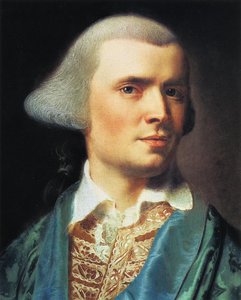
John Singleton Copley
1738 - 1815 , Regno Unito
Informazioni rapide
- Artistic Movement Or Style: Ritratto, Realismo
- Artists Who Influenced This Artist: ['Joseph Blackburn']
- Date Of Birth: 1738
- Date Of Death: 1815
- Full Name: John Singleton Copley
- Nationality: Anglo-Americano
- Notable Artworks:
- Il collasso dell'Earl di Chatham
- Mr. e Mrs. Ralph Izard
- Place Of Birth (City And Country): Boston, Regno Unito
Articoli correlati

Grant Wood e il Regionalismo Americano: Identità, Mito e Paesaggio Rurale
Esplora il Regionalismo Americano con Grant Wood e i suoi capolavori. Analisi approfondita di 'American Gothic', contesto storico, influenze artistiche e l'eredità di questo movimento iconico. Scopri la vera essenza dell'arte rurale americana.

American Regionalism: The Soul of the Heartland and the Mastery of Grant Wood
Explore the profound history of American Regionalism. Discover how Grant Wood captured the heart of the Midwest through masterpieces like American Gothic. An expert guide to the movement, its cultural impact, and the enduring beauty of American Realism.

The Enduring Legacy of Oil on Canvas: Technique, History & Aesthetic Impact
Explore the rich history & techniques of oil painting – from Renaissance masters to Impressionism. Discover pigments, layering methods, and why this timeless medium endures. Expert insights for artists & art enthusiasts.

Benjamin West: Ambizione Transatlantica e la Formazione dell'Arte Americana
Esplora la vita e l'opera di Benjamin West, figura chiave dell'arte americana e del neoclassicismo. Analisi approfondita della sua ambizione transatlantica e del suo ruolo nella formazione di una nuova identità artistica.

Realismo Americano: 10 Capolavori che Hanno Definito un'Epoca | OriginalUniqueArt
Esplora i 10 capolavori del Realismo Americano con OriginalUniqueArt. Scopri Andrew Wyeth, Edward Hopper e George Bellows. Quadri iconici, storie uniche e riproduzioni di alta qualità per la tua casa. Esplora la collezione online!


