
 Anteprima in scala reale
 Invia
Invia Condividi
 Dettagli opera
 Guida
Guida

 Scarica
 Simili
 Radiografia
 Slideshow
 Domande e risposte
 Statistiche
Trevi Fountain

- 35.0 x 50.0 cm


 Espandi i dettagli
Giclée / Stampe d'arte
Stampa giclée o su tela di qualità museale, con produzione rapida e diverse opzioni di finitura. ( Acquista il dipinto realizzato a mano Passa all'immagine digitale)




P118B €10

P118H €10

P118W €10

P438Z €10

P508JH €12

P508YH €12

P805H €10

P805Z €10

P919BZ €10

P919G €10

P919XJ €10

P959ZH €10

P968JZ €12

W106C €8

W218G €10

W218JH €8

W218Y €10

W307PJ €10

W316G €10

W316PJ €8

W316Y €10

W398PJ €8

W4111J €10

W500HY €15

W500JH €15

W692G €12

W849H €8

W940BG €15

W953PJ €8




Scegli tra le nostre dimensioni predefinite, che rispettano le proporzioni originali dell'opera d'arte.

Inserisci la larghezza e l'altezza desiderate, per adattarle alla tua cornice o alla tua parete. Una stampa può essere solo ritagliata, mai resa più grande dell'immagine originale; pertanto, un formato con una forma differente comporterà la perdita di una parte dell'opera. Ti invieremo un mockup digitale da approvare prima di procedere con la stampa. L'immagine mostrata in questa pagina non rappresenta il ritaglio reale — solo il mockup lo mostra.
Consegna in tutto il mondo () in 2 settimane invece delle normali 4/5 settimane. (3 Novembre)

Spedizione espressa gratuita in tutto il mondo

Tela in lino di alta qualità

Assicurazione completa sulla spedizione

Garanzia di rimborso dei dazi doganali

Garanzia di fedeltà cromatica assoluta

Politica di reso entro 100 giorni (solo per difetti di fabbricazione)

Garanzia di rimborso al 100%

Offerta per acquisti multipli
 L'opzione vetro è disponibile solo per dimensioni inferiori a 110 cm

Trevi Fountain
Giclée / Stampe d'arte
Dimensioni riproduzione
-


Prezzo finale calcolato
€ 72
A Vision of Roman Grandeur
In this evocative depiction of the Trevi Fountain, we are transported to the heart of Rome during a pivotal moment in the nineteenth century. The painting captures the monumental Baroque masterpiece not merely as a static architectural feat, but as a living, breathing entity. Through John Ruskin’s observant eye, the fountain emerges from its stone surroundings with a sense of profound vitality. The composition is anchored by the majestic presence of Neptune and his companions, their sculpted forms rising triumphantly above the cascading waters. As light dances across the turbulent surfaces of the pools, the viewer is invited to witness the interplay between the permanence of classical sculpture and the fleeting, rhythmic motion of the gushing torrents. This work serves as a window into an era where the grandeur of antiquity met the romantic sensibilities of the Victorian age.
The artist’s technique breathes life into the very elements of water and stone. There is a remarkable fluidity in the way the spray is rendered, creating a sense of mist and movement that seems to drift off the canvas. The inclusion of scattered birds adds a layer of spontaneous naturalism, breaking the formal rigidity of the architecture with traces of life and motion. For the discerning collector or interior designer, this piece offers a sophisticated balance of structural strength and ethereal lightness. The way the light catches the ripples in the water suggests a depth that draws the eye inward, making it an ideal focal point for a room that seeks to evoke elegance, tranquility, and a sense of historical discovery.
Historical Resonance and Emotional Depth
To understand this work is to understand the journey of its creator. Painted during a period of personal reflection and physical frailty, Ruskin’s encounter with the Trevi Fountain was marked by a complex emotional duality. While he famously harbored a preference for the intricate details of Gothic architecture over the sweeping drama of the Baroque, his sketches of Rome reveal an undeniable fascination with the power of the elements. In this painting, one can sense the artist's personal connection to the scene; he describes feeling lost among the mimicked rocks and deep pools, almost as if transported back to the familiar, rugged landscapes of his native Cumberland. This subtle infusion of personal nostalgia into a Roman landscape lends the artwork an intimate, soulful quality that transcends mere architectural documentation.
Beyond its aesthetic beauty, the painting carries a profound symbolic weight. The Trevi Fountain, with its themes of abundance and the mastery of water, represents the eternal cycle of nature and human ingenuity. The presence of Neptune, the god of the sea, serves as a reminder of the untamable forces of the world, even when harnessed within the confines of a city square. For those looking to adorn a space with art that inspires contemplation, this reproduction offers more than just decoration; it provides a narrative of resilience and beauty. It is a piece that invites the viewer to pause, to listen to the imagined roar of the water, and to find a moment of sublime peace amidst the complexities of modern life.
Domande e risposte
Qual è la tecnica e la data di "Trevi Fountain" di John Ruskin?
"Trevi Fountain" è stata realizzata nel 1841 con la tecnica Drawing.
Quale emozione trasmette "Trevi Fountain" di John Ruskin?
Il tono emotivo registrato per "Trevi Fountain" di John Ruskin è Dramatic. Esso riassume la sensazione espressa dall'opera.
"Trevi Fountain" di John Ruskin è un'opera dai toni chiari o scuri?
"Trevi Fountain" presenta una luminosità complessiva di brilliant e una luminanza pari a Gentle Luminance.
Biografia dell'artista
La Vita e l'Educazione di John Ruskin
John Ruskin, un rinomato polimata inglese, nacque l’8 febbraio 1819 a Londra, nel Regno Unito. La sua infanzia fu plasmata dalle contrastanti influenze del padre, John James Ruskin, e della madre, Margaret Cock. Questa dualità si rifletté in seguito nei suoi diversi interessi e stili di scrittura. La prima educazione di Ruskin ebbe luogo a casa, sotto la guida dei genitori e di tutori privati. Successivamente frequentò King's College, Londra, dove si preparò all’Università di Oxford. Questo solido fondamento accademico pose le basi per i suoi futuri impegni.Impegno Artistico e Letterario
Gli stili di scrittura e le forme letterarie di John Ruskin erano vari come i suoi interessi. Scrisse saggi, trattati, poesie, conferenze, guide di viaggio e persino una fiaba. I suoi schizzi e dipinti dettagliati di rocce, piante, uccelli, paesaggi e strutture architettoniche dimostrarono la sua abilità artistica. La sua prima opera importante, *Modern Painters* (1843), difese il lavoro di J.M.W. Turner, sottolineando l'importanza della "verità nella natura". Questo segnò l’inizio del suo ampio riconoscimento e influenza sull’arte e la letteratura del XIX secolo. Ruskin fu un sostenitore appassionato dell'architettura gotica e criticò aspramente l'estetica neoclassica. La sua visione dell'arte era profondamente legata alla sua filosofia morale, credendo che l'arte dovesse riflettere la verità, la bellezza e la divinità.Opere Notabili e Eredità
* *Dawn, Coniston* (Abbot Hall Art Gallery, Kendal, Regno Unito) – un dipinto ad acquerello che mette in mostra l’abilità di Ruskin nel catturare la bellezza della natura. * *Fors Clavigera* (1871-1884) – una serie di lettere ai lavoratori e agli operai della Gran Bretagna, che evidenziavano le sue preoccupazioni sociali e politiche. * Ruskin fu un fervente sostenitore del movimento Arts and Crafts, promuovendo l'artigianato manuale e criticando la produzione industriale di massa. Credeva che il ritorno alle tecniche artigianali tradizionali avrebbe migliorato sia la qualità dell’arte che le condizioni dei lavoratori. L'eredità di Ruskin si estende oltre le sue creazioni artistiche. Fu un membro fondatore della Guild of St George, un'organizzazione che continua ad esistere oggi. Il suo pensiero influenzò profondamente il movimento Pre-Raffaellita e la critica d’arte del XIX secolo. La sua enfasi sulla verità nella natura, l'importanza dell'artigianato e la connessione tra arte e moralità hanno lasciato un segno indelebile nel mondo dell'arte e della cultura. Ruskin è considerato una figura chiave per comprendere il pensiero vittoriano e le sue complesse relazioni con l’arte, la società e la politica.Influenze e Sviluppo del Pensiero
Il pensiero di Ruskin fu influenzato da diverse fonti, tra cui i romantici come Wordsworth e Coleridge, ma anche dalla sua profonda ammirazione per il Medioevo e l'architettura gotica. Il suo interesse per la natura lo portò a studiare botanica, ornitologia e geologia, integrando queste conoscenze nelle sue opere artistiche e letterarie. Nel corso della sua vita, Ruskin sviluppò un pensiero sempre più radicale sulla giustizia sociale ed economica, criticando il capitalismo e sostenendo una riforma del sistema lavorativo. La sua visione si evolse da un'enfasi sull’estetica a una preoccupazione per le condizioni dei lavoratori e la necessità di una società più equa.Significato Storico
John Ruskin è riconosciuto come uno dei critici d'arte, teorici dell'arte e scrittori sociali più influenti del XIX secolo. La sua opera ha avuto un impatto significativo sull’estetica vittoriana, sulla critica architettonica e sul pensiero sociale. Il suo impegno per la verità, la bellezza e la giustizia continua a ispirare artisti, studiosi e attivisti oggi. Ruskin rimane una figura complessa e controversa, ma il suo contributo alla cultura occidentale è innegabile.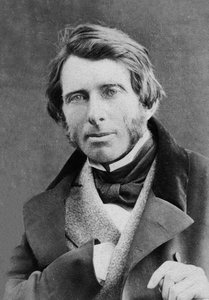
John Ruskin
1819 - 1900 , Regno Unito
Dettagli rapidi
- Artisti Che Hanno Influenzato Questo Artista: ['J.M.W. Turner']
- Artisti O Movimenti Influenzati Da Questo Artista: ['Preraffaelliti']
- Data Di Nascita: 8 febbraio 1819
- Luogo Di Nascita: Londra, Regno Unito
- Movimento Artistico O Stile: Romanticismo, Preraffaelliti
- Nazionalità: Britannico
- Nome Completo: John Ruskin
- Opere Notevoli:
- Dawn, Coniston
- Fors Clavigera
Articoli correlati

John Ruskin: Art, Ethics & the Victorian Pursuit of Beauty
Explore the life & work of John Ruskin, Victorian polymath and influential art critic. Discover his aesthetic principles, social critiques, and lasting impact on art, architecture, and our understanding of beauty. Learn about the Pre-Raphaelites & more.

John Singer Sargent: I 25 Capolavori Immortali per Arredare con Stile
Esplora i 25 capolavori di John Singer Sargent, pittore americano simbolo dell'Impressionismo e del Gilded Age. Ritratti iconici, acquerelli luminosi e storie affascinanti. Trova la tua opera d'arte ideale su OriginalUniqueArt.com!

I 25 capolavori di John Constable: la poesia della natura inglese
Scopri i 25 capolavori di John Constable e il Romanticismo inglese. Esplora la collezione su OriginalUniqueArt.com.

The Dramatic Flourish: Exploring the Baroque Movement's Enduring Legacy in Art History
Explore the dramatic world of Baroque art! Discover iconic artists like Caravaggio & Rubens, defining techniques, and its lasting impact on art history. Expert insights for collectors & enthusiasts at OriginalUniqueArt.

Il Dramma Barocco: Portare Splendore ed Emozione negli Interni Contemporanei
Scopri come portare il dramma e lo splendore dell'arte barocca nei tuoi interni con . Riproduzioni di alta qualità, consulenza d'arte personalizzata e ispirazione per uno stile unico.
