
 Anteprima in scala reale
 Invia
Invia Condividi
 Dettagli opera
 Guida
Guida

 Scarica
 Simili
 Radiografia
 Slideshow
 Statistiche
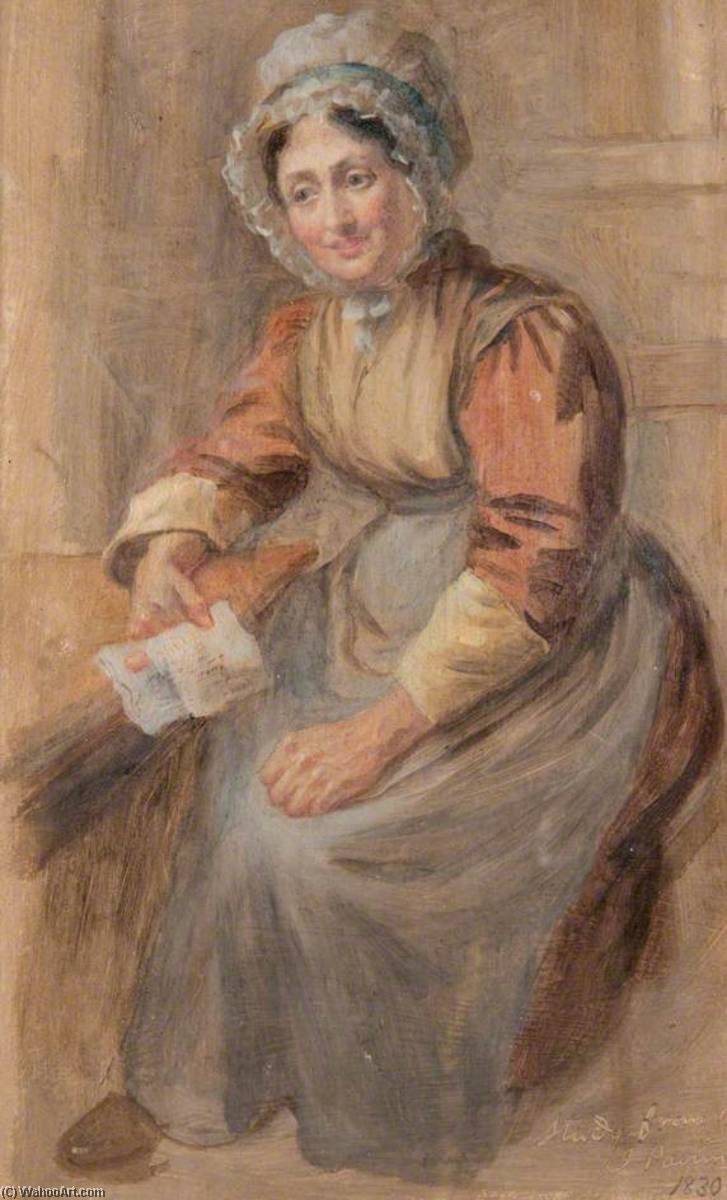
Female Study
 27.0 x 17.0 cm
 Moat Park Heritage Centre
 Espandi i dettagli
Giclée / Stampe d'arte
Stampa giclée o su tela di qualità museale, con produzione rapida e diverse opzioni di finitura. ( Acquista il dipinto realizzato a mano Passa all'immagine digitale)




































Scegli tra le nostre dimensioni predefinite, che rispettano le proporzioni originali dell'opera d'arte.

Inserisci la larghezza e l'altezza desiderate, per adattarle alla tua cornice o alla tua parete. Una stampa può essere solo ritagliata, mai resa più grande dell'immagine originale; pertanto, un formato con una forma differente comporterà la perdita di una parte dell'opera. Ti invieremo un mockup digitale da approvare prima di procedere con la stampa. L'immagine mostrata in questa pagina non rappresenta il ritaglio reale — solo il mockup lo mostra.
Consegna in tutto il mondo () in 2 settimane invece delle normali 4/5 settimane. (27 Ottobre)

Spedizione espressa gratuita in tutto il mondo

Tela in lino di alta qualità

Assicurazione completa sulla spedizione

Garanzia di rimborso dei dazi doganali

Garanzia di fedeltà cromatica assoluta

Politica di reso entro 100 giorni (solo per difetti di fabbricazione)

Garanzia di rimborso al 100%

Offerta per acquisti multipli
 L'opzione vetro è disponibile solo per dimensioni inferiori a 110 cm

Female Study
Giclée / Stampe d'arte
Dimensioni riproduzione
-


Prezzo finale calcolato
€ 70
Biografia dell'artista
Un pioniere della pittura di paesaggio romantica
John Pairman (1788–1843) si staglia come una figura di primaria importanza nel fiorente movimento del paesaggismo nella Gran Bretagna dell'inizio del XIX secolo, eppure la sua eredità artistica si estende ben oltre la semplice rappresentazione topografica. Nato a Edimburgo, in Scozia, gli anni formativi di Pairman coincisero con l'ascesa del Romanticismo—un'estetica culturale che privilegiava l'emozione e l'immaginazione rispetto all'osservazione razionale—influenzando profondamente la sua visione artistica.
- Giovinezza e formazione: Pairman ricevette un'istruzione formale presso la Rugby School e successivamente proseguì i suoi studi all'Università di Edimello, perfezionando le sue abilità nel disegno e nella pittura. Il suo addestramento iniziale si concentrò sul ritratto classico, affermandolo come un artista rispettato nel panorama artistico scozzese.
- Influenze: Trasse ispirazione da artisti come Joshua Reynolds e Thomas Gainsborough, maestri del ritratto idealizzato che sostenevano il naturalismo e l'approfondimento psicologico. Tuttavia, la sensibilità artistica di Pairman fu decisamente plasmata dal fervore romantico che stava travolgendo l'Europa, in particolare dalle vedute paesaggistiche di Caspar David Friedrich.
L'artista del paesaggio: catturare l'emozione attraverso il territorio
Pairman si distinse dai suoi contemporanei per una straordinaria dedizione alla pittura di paesaggio—un genere sempre più prediletto dagli artisti che cercavano di esprimere sentimenti profondi e contemplazione spirituale. A differenza di molti pittori che aderivano a rigide convenzioni accademiche, Pairman abbracciò una pennellata libera e palette cromatiche vibranti, dando priorità agli effetti atmosferici rispetto al dettaglio preciso.
- Paesaggi notevoli: Tra le sue opere più celebri si trovano le raffigurazioni delle Highlands scozzesi—in particolare la Dumfries Moor—dove egli trasmise con maestria la grandezza e la malinconica bellezza del mondo naturale. Le sue tele risuonano di un palpabile senso di solitudine e introspezione, riflettendo la preoccupazione romantica per l'esperienza del sublime.
- Tecnica e stile: La tecnica di Pairman prevedeva la stesura di strati spessi di colore sulla tela—un caratteristico stile "impasto"—creando superfici materiche che catturavano il dinamismo di luci e ombre. Questo approccio gli permise di infondere nei suoi paesaggi un'intensità emotiva, rispecchiando l'impulso romantico di trascendere la mera rappresentazione visiva.
Il ritratto: rappresentazione dignitosa del carattere
Accanto ai suoi paesaggi, Pairman produsse un consistente corpus di ritratti commissionati—ritraendo principalmente figure prominenti della società scozzese. I suoi ritratti sono notevoli per la loro sensibilità e accuratezza psicologica, catturando non solo la somiglianza fisica ma anche la vita interiore dei suoi soggetti.
- Lord Jeffrey: Forse il suo ritratto più iconico è quello di Lord Jeffrey Ramsay—celebre statista e filosofo scozzese—che esemplifica la maestria di Pairman nella gradazione tonale e nella pennellata espressiva. Il dipinto cattura lo sguardo di Jeffrey con straordinaria sottigliezza, trasmettendo al contempo intelletto e malinconia.
- Contesto sociale: I ritratti di Pairman riflettevano le convenzioni sociali della Gran Bretagna vittoriana, ritraendo gli individui all'interno dei loro contesti familiari e professionali. Tuttavia, egli scelse costantemente l'integrità artistica rispetto alla mera adesione alle aspettative sociali, dimostrando una preoccupazione umanista nel catturare la dignità e l'emozione umana.
Eredità e riconoscimento
Il contributo di John Pairman alla storia dell'arte scozzese è indiscutibile—rimane uno dei più grandi pittori di paesaggio della sua epoca. Le sue opere continuano a ispirare ammirazione per il loro potere espressivo e la loro virtuosità tecnica, assicurandogli un posto come figura cardine del movimento Romantico.

John Pairman
1788 - 1843 , Scozia
Dettagli rapidi
- Artistic Movement Or Style: Romanticismo
- Artists Or Movements Influenced By This Artist: ['Hudson Lowe']
- Artists Who Influenced This Artist:
- Sir Joshua Reynolds
- Thomas Gainsborough
- Date Of Birth: 1788
- Date Of Death: 1843
- Full Name: John Pairman
- Nationality: Scozzese
- Notable Artworks:
- Un interno di un cottage
- La casa di John Wesley
- Place Of Birth: Edimburgo