Anteprima in scala reale
 Invia
Invia Condividi
 Dettagli opera
 Guida
Guida

 Scarica
 Simili
 Radiografia
 Slideshow
 Domande e risposte
 Statistiche
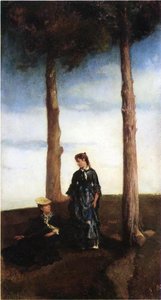
The Dawn


 Espandi i dettagli
Giclée / Stampe d'arte
Stampa giclée o su tela di qualità museale, con produzione rapida e diverse opzioni di finitura. ( Acquista il dipinto realizzato a mano Passa all'immagine digitale)




P118B €10

P118H €10

P118W €10

P438Z €10

P508JH €12

P508YH €12

P805H €10

P805Z €10

P919BZ €10

P919G €10

P919XJ €10

P959ZH €10

P968JZ €12

W106C €8

W218G €10

W218JH €8

W218Y €10

W307PJ €10

W316G €10

W316PJ €8

W316Y €10

W398PJ €8

W4111J €10

W500HY €15

W500JH €15

W692G €12

W849H €8

W940BG €15

W953PJ €8




Scegli tra le nostre dimensioni predefinite, che rispettano le proporzioni originali dell'opera d'arte.

Inserisci la larghezza e l'altezza desiderate, per adattarle alla tua cornice o alla tua parete. Una stampa può essere solo ritagliata, mai resa più grande dell'immagine originale; pertanto, un formato con una forma differente comporterà la perdita di una parte dell'opera. Ti invieremo un mockup digitale da approvare prima di procedere con la stampa. L'immagine mostrata in questa pagina non rappresenta il ritaglio reale — solo il mockup lo mostra.
Consegna in tutto il mondo () in 2 settimane invece delle normali 4/5 settimane. (3 Novembre)

Spedizione espressa gratuita in tutto il mondo

Tela in lino di alta qualità

Assicurazione completa sulla spedizione

Garanzia di rimborso dei dazi doganali

Garanzia di fedeltà cromatica assoluta

Politica di reso entro 100 giorni (solo per difetti di fabbricazione)

Garanzia di rimborso al 100%

Offerta per acquisti multipli
 L'opzione vetro è disponibile solo per dimensioni inferiori a 110 cm

The Dawn
Giclée / Stampe d'arte
Dimensioni riproduzione
-


Prezzo finale calcolato
€ 72
A Symphony of Light and Grace
In the quiet transition between night and day, John La Farge’s 1899 masterpiece, "The Dawn," captures a moment that feels suspended in eternity. This evocative work is far more than a mere coastal landscape; it is a profound exploration of the Symbolist movement, where the boundaries between the physical world and the spiritual realm begin to blur. At the heart of the composition, a woman dressed in flowing white stands upon a sun-drenched beach, her arms outstretched toward the heavens. Her posture suggests a delicate tension between flight and surrender, as if she is caught in a divine ascent or perhaps a graceful descent into the sea. Beside her, two silent figures anchor the scene, providing a sense of human scale that emphasizes the woman’s solitary, transcendent communion with the rising sun.
The painting serves as a breathtaking study of Impressionistic reverie, where La Farge moves beyond simple visual observation to evoke deep-seated emotional responses. Through his masterful use of light, the artist transforms the shoreline into a realm of shimmering color and atmospheric haze. The diffused glow of the sunrise is rendered with such precision that one can almost feel the warmth of the first rays touching the sand. To achieve this luminous effect, La Fringe employed thick impasto, applying paint with a tactile richness that lends a physical weight to the light itself. This technique creates a dynamic texture, where the heavy strokes of the brush mimic the rhythmic movement of the tide and the ethereal drift of the clouds above.
Symbolism and the Spirit of Rebirth
For the discerning collector or interior designer, "The Dawn" offers a wealth of symbolic depth that transcends its aesthetic beauty. The imagery of the rising sun is a universal emblem of rebirth, hope, and renewal. By positioning the central figure in such an expansive, upward-reaching pose, La Farge alludes to biblical themes of ascension and divine grace. The white of her dress acts as a canvas for the shifting hues of the morning sky, symbolizing purity and the awakening of the soul. This layer of spiritual contemplation makes the piece particularly compelling for spaces intended to inspire peace, reflection, or a sense of wonder.
The historical context of the work further elevates its significance. Painted at the turn of the century, "The Dawn" represents a pivotal moment in American art history when artists were beginning to blend European traditions with a uniquely American sensibility. La Farge, a pioneer in both mural design and stained glass, brought a specialist's eye for color and light to his canvases. For those looking to adorn a home or gallery with a high-quality reproduction, this painting provides an unparalleled opportunity to introduce a sense of sublime beauty and historical prestige. It is a piece that does not merely decorate a wall; it breathes life into a room, inviting viewers to pause and witness the eternal dance of light and spirit.
Domande e risposte
Quale emozione e quale stato d'animo trasmette "The Dawn" di John La Farge?
L'atmosfera che traspare da "The Dawn" di John La Farge è Romantic, e il suo tono emotivo è Romantic.
"The Dawn" di John La Farge è un ritratto, un paesaggio o una composizione quadrata?
"The Dawn" di John La Farge ha un formato Square. Il formato descrive le proporzioni della composizione.
L'opera "The Dawn" si trova nel paese del suo creatore?
Sì - l'opera è conservata nel paese d'origine dell'artista. "The Dawn" è conservata in Stati Uniti d'America, mentre John La Farge è nato/a in Stati Uniti d'America.
Biografia dell'artista
Primi Anni e Formazione
John La Farge, pittore, muralista, progettista di vetrate artistiche, decoratore e scrittore americano rinomato, nacque il 31 marzo 1835 a New York City da genitori francesi benestanti. Cresciuto bilingue, il suo interesse per l'arte iniziò durante i suoi studi al Mount St. Mary’s University nel Maryland e al St. John’s College (ora Fordham University) a New York.Carriera Artistica
I primi disegni e paesaggi di La Farge, realizzati durante i suoi studi a Newport, rivelano un'originalità marcata, soprattutto nella gestione dei valori cromatici. Molti dei suoi dipinti mitologici e religiosi, tra cui "Virgil", furono eseguiti in una zona del Rhode Island conosciuta come "Paradiso", una foresta che La Farge chiamò "il sacro bosco" dopo Virgilio.- Opere Notabili:
- Il Sacro Bosco (Rhode Island)
- Trinity Church, Boston (1873) - il primo murale di La Farge
- Chiesa dell'Ascensione (New York) - con un grande paliotto
Innovazioni e Eredità
La Farge fu un pioniere nello studio dell'arte giapponese, che si riflette nel suo lavoro. Manteneneva uno studio al 51 West 10th Street a Greenwich Village, ora parte del sito dell'Eugene Lang College presso la New School University.- Contributi Chiave:
- Introduzione del vetro opalescente nelle vetrate artistiche
- Lavoro pionieristico nella pittura murale per edifici pubblici e chiese
- Viaggi estesi in Asia e nel Pacifico meridionale, che hanno ispirato la sua pittura
Sviluppo Artistico e Influenze
La Farge fu influenzato dalla formalità e dai modelli dell'arte giapponese. Questo si riflette nell'uso di colori piatti e linee audaci nelle sue opere, così come nella composizione asimmetrica che spesso caratterizza i suoi dipinti. La sua sperimentazione con il vetro opalescente rivoluzionò l'arte delle vetrate artistiche, introducendo una nuova luminosità e profondità che non era mai stata vista prima. Il suo interesse per le culture orientali si estese anche alla sua scrittura, dove esplorò i principi estetici dell'arte giapponese e il suo significato culturale.Vita Successiva e Morte
La Farge morì il 14 novembre 1910 all'ospedale Butler a Providence, Rhode Island. È stato sepolto nel cimitero di Green-Wood a Brooklyn, New York. La sua eredità continua a ispirare artisti e appassionati d'arte, rendendolo una figura fondamentale nella storia dell'arte americana. Le sue opere sono esposte in importanti musei di tutto il mondo, testimoniando la sua abilità artistica e l'impatto duraturo sulla cultura visiva americana.
John La Farge
1835 - 1910 , Stati Uniti d'America
Dettagli rapidi
- Artisti Influenti:
- William Morris Hunt
- Thomas Couture
- Data Di Nascita: 31 marzo 1835
- Luogo Di Nascita: New York City, USA
- Movimento Artistico: Impressionismo, Arts and Crafts
- Nazionalità: Americana
- Nome Completo: John La Farge
- Opere Notevoli:
- The Sacred Grove
- Trinity Church, Boston
- Church of the Ascension
Articoli correlati

John Singer Sargent: I 25 Capolavori Immortali per Arredare con Stile
Esplora i 25 capolavori di John Singer Sargent, pittore americano simbolo dell'Impressionismo e del Gilded Age. Ritratti iconici, acquerelli luminosi e storie affascinanti. Trova la tua opera d'arte ideale su OriginalUniqueArt.com!

Realismo Americano: 10 Capolavori che Hanno Definito un'Epoca | OriginalUniqueArt
Esplora i 10 capolavori del Realismo Americano con OriginalUniqueArt. Scopri Andrew Wyeth, Edward Hopper e George Bellows. Quadri iconici, storie uniche e riproduzioni di alta qualità per la tua casa. Esplora la collezione online!
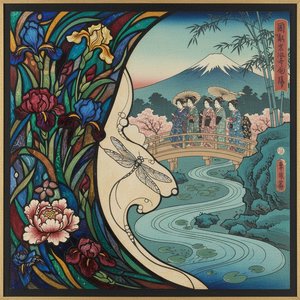
John La Farge: Il Pionierismo del Colorismo Americano e l'Influenza del Japonisme
Scopri John La Farge, pioniere del colorismo americano e l'influenza rivoluzionaria del Japonisme sulla sua arte. Analisi approfondita della sua tecnica innovativa e dell'eredità artistica.

I 25 capolavori di John Constable: la poesia della natura inglese
Scopri i 25 capolavori di John Constable e il Romanticismo inglese. Esplora la collezione su OriginalUniqueArt.com.

John George Brown: Uno sguardo intimo sull'America del XIX secolo attraverso la pittura di genere
Scopri la vita e le opere di John George Brown, maestro del realismo americano. Analisi approfondita della sua pittura di genere, i suoi soggetti iconici e l'influenza sulla storia dell'arte americana.