

 Anteprima in scala reale
 Invia
Invia Condividi
 Dettagli opera

 Scarica immagine
 Simili
 Radiografia
 Slideshow
Richard Humphreys, the Boxer
 Acrylic On Canvas
- WallArt
- Neoclassical Portraiture
 142.0 x 112.0 cm
 Metropolitan Museum of Art
 Espandi i dettagli
Riproduzione a olio fatta a mano
Olio su tela dipinto a mano nelle tue dimensioni e con la tua cornice, realizzato su ordinazione dai nostri artisti. ( Acquista stampa Acquista immagine)




P118B $10

P118H $10

P118W $10

P438Z $10

P508JH $12

P508YH $12

P805H $10

P805Z $10

P919BZ $10

P919G $10

P919XJ $10

P959ZH $10

P968JZ $12

W106C $8

W218G $10

W218JH $8

W218Y $10

W307PJ $10

W316G $10

W316PJ $8

W316Y $10

W398PJ $8

W4111J $10

W500HY $15

W500JH $15

W692G $12

W849H $8

W940BG $15

W953PJ $8




Scegli tra le nostre dimensioni predefinite, che rispettano le proporzioni originali dell'opera d'arte.

È possibile inserire dimensioni personalizzate per adattare l'opera a una cornice o a uno spazio specifico. Se la dimensione selezionata non corrisponde alle proporzioni dell'immagine originale, provvederemo a ritagliare l'opera o a estendere il dipinto con elementi aggiuntivi dipinti a mano. Un mockup digitale ti sarà inviato per approvazione prima dell'inizio della produzione.
Si prega di notare che l'anteprima a schermo non riflette il ritaglio o l'estensione effettivi. Solo il mockup mostrerà accuratamente la composizione finale.
Sebbene siano disponibili dimensioni personalizzate, consigliamo di selezionare una dimensione dall'elenco predefinito per preservare le proporzioni originali.
Dopo l'ordine, il team di OriginalUniqueArt.com contatterà il cliente via e-mail per le istruzioni e fornirà un'anteprima del mockup
Consegna in tutto il mondo () in 3/4 settimane anziché nelle normali 5 settimane. (25 Agosto). Nessun compromesso sulla qualità.

Spedizione espressa gratuita in tutto il mondo

Tela in lino di alta qualità

Assicurazione completa sulla spedizione

Garanzia di rimborso dei dazi doganali

Garanzia di fedeltà cromatica

Politica di reso entro 60 giorni (solo per difetti di fabbricazione)

Garanzia di rimborso al 100%

Offerta per acquisti multipli
 L'opzione vetro è disponibile solo per dimensioni inferiori a 110 cm

Richard Humphreys, the Boxer
Tecnica di riproduzione
Dimensioni riproduzione
-


Prezzo totale calcolato
$ 300
Descrizione dell'opera
A Moment Frozen in Time: John Hoppner’s “Richard Humphreys, the Boxer”
John Hoppner's "Richard Humphreys, the Boxer," painted circa 1785, isn’t merely a depiction of a sporting contest; it’s a carefully constructed tableau brimming with Victorian fascination for both spectacle and the human form. The painting captures a pivotal moment – not necessarily a victory, but a poised readiness – within the brutal world of bare-knuckle boxing, a pastime that held a strange allure for artists and audiences alike during the late eighteenth century. Hoppner masterfully blends the physicality of combat with an almost sculptural elegance, elevating the scene beyond simple documentation to become a study in tension, power, and vulnerability.
The subject himself, Richard Humphreys, is presented as a young man, radiating a controlled intensity. His stance, honed by years of training, is both defensive and threatening; his arms extended, fists clenched, he embodies the coiled energy of a predator. The detail in his attire – the meticulously rendered breeches, silk stockings, and polished pumps – speaks to the status afforded to boxers at this time, suggesting they were not simply rough men but performers worthy of admiration. Hoppner’s use of light is particularly striking; it highlights Humphreys' musculature, emphasizing the strength beneath the surface while simultaneously casting shadows that hint at the potential for violence.
The Victorian Obsession with Combat and the Body
Hoppner’s painting exists within a broader cultural context. Bare-knuckle boxing was immensely popular in England during this period, offering a thrilling spectacle that combined elements of sport, theatre, and even ritualistic combat. The public flocked to these matches, drawn by the raw energy and the perceived drama of witnessing human strength pitted against human strength. Artists like Hoppner were captivated by the physicality of the boxers – their powerful bodies, their expressive faces, and the inherent beauty in their struggle. This fascination extended beyond mere representation; it reflected a Victorian interest in exploring themes of masculinity, power, and the darker aspects of human nature.
Furthermore, the painting’s circulation through printed reproductions—a relatively new medium at the time—amplified its impact. The image was disseminated widely, transforming the boxing match into a public spectacle accessible to those who couldn't attend in person. This mass reproduction contributed to the growing fascination with the subject and cemented Hoppner’s reputation as a skilled portraitist capable of capturing both the drama and the aesthetic qualities of this unusual subject matter.
Technique and Artistic Style
Hoppner’s technical skill is evident in every brushstroke. He employs a loose, expressive style reminiscent of Reynolds, utilizing broad washes of color and dynamic compositions to convey movement and emotion. The painting's palette is rich and vibrant, dominated by earthy tones – browns, ochres, and reds – which ground the scene while simultaneously highlighting the textures of the boxer’s clothing and skin. Noticeably, Hoppner avoids overly detailed rendering; instead, he focuses on capturing the essence of the moment, prioritizing atmosphere and psychological impact over photographic accuracy.
The background, a simple depiction of a tree, serves not as a distraction but as a subtle framing device, drawing attention to the central figure. The use of atmospheric perspective – softening distant elements – further enhances the sense of depth and immediacy. Hoppner’s ability to create such a compelling image with relatively few details speaks volumes about his artistic mastery.
Symbolism and Emotional Resonance
"Richard Humphreys, the Boxer" transcends its subject matter to offer a poignant meditation on human potential and the precarious nature of triumph. The boxer's poised stance suggests not just readiness for battle but also a moment of intense self-awareness – a recognition of his own strength and vulnerability. The painting’s ambiguity—we don’t know if he has won or lost—adds to its emotional resonance, inviting viewers to contemplate the complexities of competition and the human condition.
Ultimately, Hoppner's work is more than just a sporting portrait; it’s a captivating glimpse into a bygone era, a testament to the enduring appeal of spectacle and the power of art to capture fleeting moments of intense emotion. Reproductions of this iconic painting continue to resonate with audiences today, offering a window into the Victorian fascination with combat, beauty, and the human spirit.
Biografia dell'artista
Una Vita di Arte e Patrocinio Reale
John Hoppner, un rinomato pittore inglese di ritratti, ha lasciato un segno indelebile nel mondo dell'arte con la sua vibrante tavolozza dei colori. Nato a Whitechapel, Londra, nel 1758 da genitori tedeschi, la vita di Hoppner fu segnata dal patrocinio reale e dalla brillantezza artistica.Primi Anni e Formazione
- In tenera età, Hoppner divenne un cantore nella Royal Chapel, ma la sua inclinazione verso l'arte lo portò a entrare alla Royal Academy nel 1775.
- Nel 1778 ricevette una medaglia d'argento per il disegno dal vero e, nel 1782, la medaglia d'oro per pittura storica con la sua opera su Re Lear.
Ascesa alla Fama e Opere Notabili
John Hoppner riteneva che i suoi ritratti di donne e bambini fossero le sue opere più riuscite secondo giudici competenti. Il suo tocco, caratterizzato da ampiezza e libertà, conferiva ai suoi dipinti un debole riflesso del fascino di Reynolds. Opere notabili includono:- Mrs. Jordan come Viola in "La dodicesima notte", ora presso English Heritage (Londra, Regno Unito), che mette in mostra la sua maestria nella pittura di ritratti.
- I suoi ritratti del Principe di Galles, del Duca e della Duchessa di York, Lord Rodney e Lord Nelson, appesi negli appartamenti di stato a St James's Palace, dimostrano le sue elevate connessioni sociali.
Evoluzione Artistica e Influenze
Influenze: Lo stile di Hoppner mostra l'influenza di Joshua Reynolds, il pittore britannico più importante del suo tempo, noto per i suoi ritratti grandiosi ed eleganti. Tuttavia, Hoppner sviluppò un approccio distintivo, caratterizzato da una maggiore libertà e vivacità nel colore. Evoluzione: Nel corso della sua carriera, Hoppner affinò la sua tecnica, diventando noto per la sua capacità di catturare la personalità dei suoi soggetti con grande accuratezza e vitalità. I suoi ritratti non erano solo rappresentazioni fisiche, ma anche esplorazioni psicologiche.Eredità e Vita Successiva
La vita di John Hoppner fu segnata da una malattia cronica del fegato. Morì il 23 gennaio 1810. Nonostante ciò, la sua eredità continua attraverso i suoi vibranti ritratti che continuano ad affascinare gli amanti dell'arte.- Esplora altre opere di John Hoppner su https://OriginalUniqueArt.com/@/johnhoppner.
- Scopri il contesto più ampio dell'arte britannica su https://en.wikipedia.org/wiki/art_of_the_united_kingdom.
Ulteriori Letture ed Esplorazioni
Per un'immersione più profonda nel mondo dell'arte britannica, considera quanto segue:- Scoperta delle opere d'arte del parco di Dyram, Regno Unito
- Sir Edwin Landseer Lutyens, un architetto inglese noto per le sue adattamenti immaginativi.

John Hoppner
1758 - 1810 , Regno Unito
Dati rapidi
- Artisti Che Hanno Influenzato Questo Artista: ['Thomas Reynolds']
- Luogo Di Nascita (Città E Paese): Whitechapel, Regno Unito
- Nazionalità: Britannico
- Nome Completo: John Hoppner
- Opere Notevoli:
- Mrs Jordan as Viola in 'Twelfth Night'
- Ritratto del Principe di Galles
- Stile Artistico: Ritrattismo
Articoli correlati
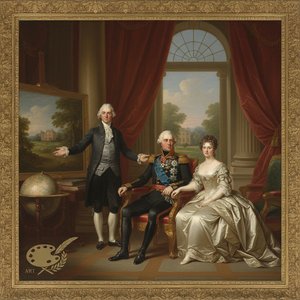
John Hoppner: Ritratto, Mecenatismo e Identità Britannica nell'Epoca Georgiana Tarda
Esplora la vita e l'opera di John Hoppner, pittore di corte simbolo dell'epoca georgiana. Analisi approfondita del suo stile, delle committenze aristocratiche e del ruolo del ritratto nell'affermazione sociale britannica.

John Constable: I 25 Capolavori che Celebrano la Bellezza della Campagna Inglese
Esplora i 25 capolavori di John Constable, il maestro del Romanticismo inglese. Paesaggi suggestivi, luce naturale e colori vibranti ti aspettano. Acquista riproduzioni d'arte di alta qualità su OriginalUniqueArt.com e porta la bellezza della campagna inglese nella tua casa.

John Singer Sargent: I 25 Capolavori Immortali per Arredare con Stile
Esplora i 25 capolavori di John Singer Sargent, pittore americano simbolo dell'Impressionismo e del Gilded Age. Ritratti iconici, acquerelli luminosi e storie affascinanti. Trova la tua opera d'arte ideale su OriginalUniqueArt.com!
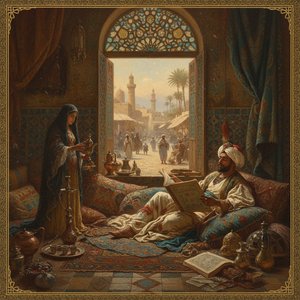
John Frederick Lewis: Orientalismo, Dettaglio e Pittura di Genere nell'Arte Britannica del XIX Secolo
Esplora l'opera di John Frederick Lewis, maestro dell'Orientalismo vittoriano. Analisi dettagliata del suo stile unico, il realismo pittorico e l'influenza sulla pittura britannica del XIX secolo.
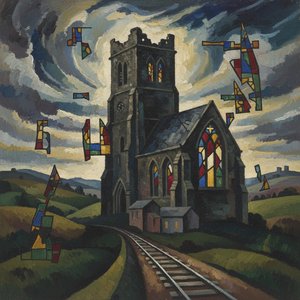
John Piper: Una Visione Spirituale del Paesaggio Britannico e l'Abbraccio del Modernismo
Esplora la visione spirituale di John Piper del paesaggio britannico e il suo ruolo chiave nel movimento neo-romantico. Analisi approfondita, contesto storico e l'influenza del modernismo.



