

 Anteprima in scala reale
 Invia
Invia Condividi
 Dettagli opera
 Guida
Guida

 Scarica
 Simili
 Radiografia
 Slideshow
 Statistiche
The Harpist


 Espandi i dettagli
Giclée / Stampe d'arte
Stampa giclée o su tela di qualità museale, con produzione rapida e diverse opzioni di finitura. ( Acquista il dipinto realizzato a mano Passa all'immagine digitale)




P118B €10

P118H €10

P118W €10

P438Z €10

P508JH €12

P508YH €12

P805H €10

P805Z €10

P919BZ €10

P919G €10

P919XJ €10

P959ZH €10

P968JZ €12

W106C €8

W218G €10

W218JH €8

W218Y €10

W307PJ €10

W316G €10

W316PJ €8

W316Y €10

W398PJ €8

W4111J €10

W500HY €15

W500JH €15

W692G €12

W849H €8

W940BG €15

W953PJ €8




Scegli tra le nostre dimensioni predefinite, che rispettano le proporzioni originali dell'opera d'arte.

Inserisci la larghezza e l'altezza desiderate, per adattarle alla tua cornice o alla tua parete. Una stampa può essere solo ritagliata, mai resa più grande dell'immagine originale; pertanto, un formato con una forma differente comporterà la perdita di una parte dell'opera. Ti invieremo un mockup digitale da approvare prima di procedere con la stampa. L'immagine mostrata in questa pagina non rappresenta il ritaglio reale — solo il mockup lo mostra.
Consegna in tutto il mondo () in 2 settimane invece delle normali 4/5 settimane. (25 Ottobre)

Spedizione espressa gratuita in tutto il mondo

Tela in lino di alta qualità

Assicurazione completa sulla spedizione

Garanzia di rimborso dei dazi doganali

Garanzia di fedeltà cromatica assoluta

Politica di reso entro 100 giorni (solo per difetti di fabbricazione)

Garanzia di rimborso al 100%

Offerta per acquisti multipli
 L'opzione vetro è disponibile solo per dimensioni inferiori a 110 cm

The Harpist
Giclée / Stampe d'arte
Dimensioni riproduzione
-


Prezzo finale calcolato
€ 70
A Portrait of Melancholy and Music: John George Brown’s “The Harpist”
John George Brown's "The Harpist," painted in 1870, is more than just a portrait; it’s a carefully constructed tableau of Victorian sensibilities and burgeoning American artistic aspirations. This evocative work, depicting a woman lost in the delicate strains of two harps, immediately draws the viewer into a world of quiet contemplation and musical beauty. Brown, an English immigrant who established himself as a successful artist in America during this period, masterfully captures a mood – one of wistful reflection and perhaps even a touch of sadness – that resonates deeply with the era’s fascination with romanticism and the burgeoning interest in classical music.
- Subject Matter: The central figure, a woman adorned in pink attire and a delicate blonde hairstyle accented by a pink bow, embodies the idealized feminine form popular in Victorian portraiture. Her posture suggests absorption in her musical endeavor, inviting the viewer to share in her private moment.
- Composition: The arrangement of the harps, violin, and chairs creates a sense of intimacy and domestic tranquility. The placement of the two chairs subtly directs the eye and reinforces the idea of a solitary artistic pursuit.
Technique and Style – A Victorian Masterclass
Brown’s technique is characterized by meticulous detail and a refined understanding of light and shadow, hallmarks of his training in England and honed through years of observation within the American art market. He employs smooth brushwork and subtle gradations of tone to create a remarkably realistic depiction of the woman's features and clothing. The use of pink hues – both in the subject’s attire and the background – contributes significantly to the painting’s overall mood, evoking feelings of tenderness and serenity. The artist demonstrates a clear command of color theory, utilizing complementary colors (pink and green/brown) to create visual harmony and depth.
- Realism with Romantic Touches: While rooted in realism, the painting possesses a distinctly romantic quality, evident in the subject’s melancholic expression and the idealized setting.
- Brushwork: Brown's brushstrokes are controlled and deliberate, contributing to the overall sense of quiet contemplation.
Symbolism and Historical Context
"The Harpist" reflects several key trends of the 1870s. The harp itself was a potent symbol of both ancient Greece and burgeoning Romantic musical movements, representing beauty, harmony, and emotional expression. The inclusion of the violin further emphasizes this connection to music. Furthermore, Brown’s work aligns with the Victorian fascination with childhood innocence and the portrayal of women as muses or artistic inspiration – a common theme in 19th-century art. The date of 1870 places the painting squarely within a period of significant social and economic change in America, marked by industrialization and urbanization, yet Brown’s work offers a poignant counterpoint to this rapid transformation, focusing on a moment of quiet beauty and introspection.
Emotional Impact and Artistic Legacy
Ultimately, “The Harpist” transcends its technical merits to evoke a powerful emotional response. The painting's subdued palette, coupled with the subject’s contemplative pose, creates an atmosphere of profound stillness and melancholy. It is a work that invites viewers to pause, reflect, and perhaps even contemplate their own relationship with music and beauty. John George Brown’s legacy lies not only in his technical skill but also in his ability to capture fleeting moments of human emotion with sensitivity and grace – a quality that continues to resonate with audiences today. This hand-painted reproduction offers an exceptional opportunity to experience the full impact of this remarkable artwork.
Domande e risposte
Come posso visualizzare un'anteprima di una riproduzione di "The Harpist" di John George Brown?
Per visualizzare un'anteprima della riproduzione di "The Harpist" di John George Brown, apri la pagina Anteprima in ambiente dell'opera.
Quando è stata creata "The Harpist" e a quale movimento appartiene?
"The Harpist" è stata realizzata nel 1870, nell'ambito del movimento Victorian Genre Painting.
I colori di "The Harpist" di John George Brown sono saturi o desaturati?
I colori di "The Harpist" di John George Brown presentano una saturazione Subtle Color. La saturazione indica quanto i colori siano vivaci o attenuati.
Biografia dell'artista
John George Brown: Una Vita Dedicata a Catturare l'Infanzia Americana
- Nato: Durham, Regno Unito (1831)
- Morto: 1913
John George Brown è stato un artista britannico-americano rinomato per i suoi dipinti di genere che raffigurano la vita dei bambini in America durante il XIX secolo. La sua opera offre uno sguardo toccante alla società vittoriana, concentrandosi particolarmente sulle esperienze dei ragazzi di strada e della gioventù rurale.
Primi Anni e Formazione Artistica
- Primi Anni: La prima vita di Brown fu segnata da circostanze modeste. Nato a Durham, in Inghilterra, iniziò a lavorare in una fabbrica di vetro all'età di quattordici anni per sostenere la sua famiglia.
- Auto-Formazione: Nonostante la limitata formazione formale, Brown dimostrò un talento artistico innato e perseguì l'auto-formazione attraverso corsi serali alla School of Design a Newcastle. Successivamente studiò all'Accademia dei Trustee a Edimburgo.
- Emigrazione in America: Nel 1853, Brown emigrò negli Stati Uniti, stabilendosi a Brooklyn, New York. Questo trasferimento si rivelò fondamentale per la sua carriera artistica.
- Studi Formali: All'arrivo in America, approfondì i suoi studi alla Graham Art School e alla National Academy of Design, affinando le sue capacità sotto istruttori come Thomas Seir Cummings.
Carriera Artistica e Stile Caratteristico
- Primi Ritratti: Brown si stabilì inizialmente come ritrattista, ma gradualmente spostò la sua attenzione verso scene di genere.
- L'Ascesa del Genere "Ragazzo di Strada": A partire dagli anni '60 dell'Ottocento, divenne celebrato per le sue raffigurazioni di ragazzi di strada – lustrascarpe, venditori di giornali e fiorai – catturando la loro vita quotidiana con notevoli dettagli ed empatia. Questi dipinti risuonarono profondamente in un pubblico desideroso di vedere rappresentazioni della vita americana.
- Influenze: Lo stile di Brown fu influenzato dalla scuola Barbizon, nota per la sua enfasi sulla pittura paesaggistica e le raffigurazioni realistiche della vita quotidiana. Ammirava anche l'uso drammatico della luce e del colore di William Turner.
- Caratteristiche Distintive: I suoi dipinti sono caratterizzati da una rappresentazione sentimentale ma osservatrice dell'infanzia, spesso intrisa di sottotoni morali. L'attenzione meticolosa di Brown ai dettagli, in particolare nella raffigurazione di abbigliamento e dintorni, è notevole.
- Successo Commerciale: Un uomo d'affari astuto, Brown registrò il copyright di molte delle sue opere più popolari, portando a una riproduzione diffusa come litografie cromate e stampe fotografiche, migliorando ulteriormente la sua fama e il suo successo finanziario.
Opere Principali e Significato Storico
- Dipinti Notabili: Alcune delle opere più conosciute di Brown includono "The Net Mender" (Il Riparatore di Reti) e "The First Point", che esemplificano la sua capacità di catturare la bellezza della vita quotidiana. “Claiming the Shot - A Group of Portraits after the Hunt in the Adirondacks” (Rivendicando lo Sparo – Un Gruppo di Ritratti dopo la Caccia nelle Adirondack) è un'altra opera significativa, che mostra una scena di gruppo con realismo notevole.
- Rappresentazione dell'America Vittoriana: I dipinti di Brown forniscono preziose informazioni sulla società americana del XIX secolo, in particolare sulla vita dei bambini lavoratori e sul mutevole paesaggio urbano.
- Commento Morale: Il suo lavoro spesso portava un sottile messaggio morale, riflettendo la sua convinzione nell'importanza del duro lavoro, dell'onestà e della resilienza.
- Presenza nei Musei: I dipinti di Brown sono conservati in prestigiose collezioni tra cui la National Gallery a Londra e il Detroit Institute of Arts.
Ultimi Anni ed Eredità
- Passaggio alla Rappresentazione degli Anziani: Negli anni successivi, l'attenzione artistica di Brown si spostò verso la rappresentazione di persone anziane, spesso raffigurate in ambienti rurali, evocando un senso di nostalgia per un passato più semplice.
- Attività Artistica Continua: Rimase un membro attivo di varie istituzioni artistiche, tra cui l'American Watercolor Society e la National Academy of Design, ricoprendo la carica di vicepresidente quest'ultima dal 1899 al 1904.
- Impatto Duraturo: John George Brown ha lasciato un corpus significativo di opere che continuano ad essere ammirate per la sua rappresentazione sentimentale dell'infanzia americana e per la sua acuta raffigurazione della società vittoriana. È ricordato come uno dei pittori di genere più ricchi degli Stati Uniti all'epoca della sua morte, a testimonianza sia del suo talento artistico che della sua perspicacia negli affari.

John George Brown
1831 - 1913 , Regno Unito
Dettagli rapidi
- Artistic Movement Or Style: Barbizon, pittura di genere
- Artists Who Influenced This Artist: ['William Turner']
- Date Of Birth: 11 novembre 1831
- Date Of Death: 8 febbraio 1913
- Full Name: John George Brown
- Nationality: Britannico-Americano
- Notable Artworks (List Of Titles):
- The Net Mender
- The First Point
- Claiming the Shot
- Place Of Birth (City And Country): Durham, Regno Unito
Articoli correlati

John Constable: I 25 Capolavori che Celebrano la Bellezza della Campagna Inglese
Esplora i 25 capolavori di John Constable, il maestro del Romanticismo inglese. Paesaggi suggestivi, luce naturale e colori vibranti ti aspettano. Acquista riproduzioni d'arte di alta qualità su OriginalUniqueArt.com e porta la bellezza della campagna inglese nella tua casa.

John Singer Sargent: I 25 Capolavori Immortali per Arredare con Stile
Esplora i 25 capolavori di John Singer Sargent, pittore americano simbolo dell'Impressionismo e del Gilded Age. Ritratti iconici, acquerelli luminosi e storie affascinanti. Trova la tua opera d'arte ideale su OriginalUniqueArt.com!

Georges Braque: I 25 Capolavori che Hanno Rivoluzionato l'Arte Moderna | OriginalUniqueArt
Esplora i 25 capolavori di Georges Braque, pioniere del Cubismo. Scopri la storia, le tecniche e l'impatto di opere iconiche come 'The Patience'. Trova riproduzioni d'arte di alta qualità per decorare casa tua su OriginalUniqueArt.com.

Georges Seurat: I 25 Capolavori che Rivoluzionarono la Pittura | OriginalUniqueArt
Esplora i 25 capolavori di Georges Seurat, il maestro del Pointillismo. Scopri la storia, le tecniche e l'emozione dietro dipinti iconici come 'Un dimanche à la Grande Jatte'. Trova riproduzioni d'arte di alta qualità per decorare casa tua su OriginalUniqueArt.com.
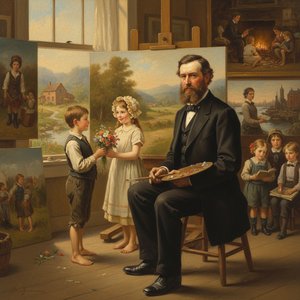
John George Brown: Uno sguardo intimo sull'America del XIX secolo attraverso la pittura di genere
Scopri la vita e le opere di John George Brown, maestro del realismo americano. Analisi approfondita della sua pittura di genere, i suoi soggetti iconici e l'influenza sulla storia dell'arte americana.


