
 Anteprima in scala reale
 Condividi
 Condividi
 Dettagli

 Scarica immagine
 Articoli simili
 Radiografia
 Slideshow
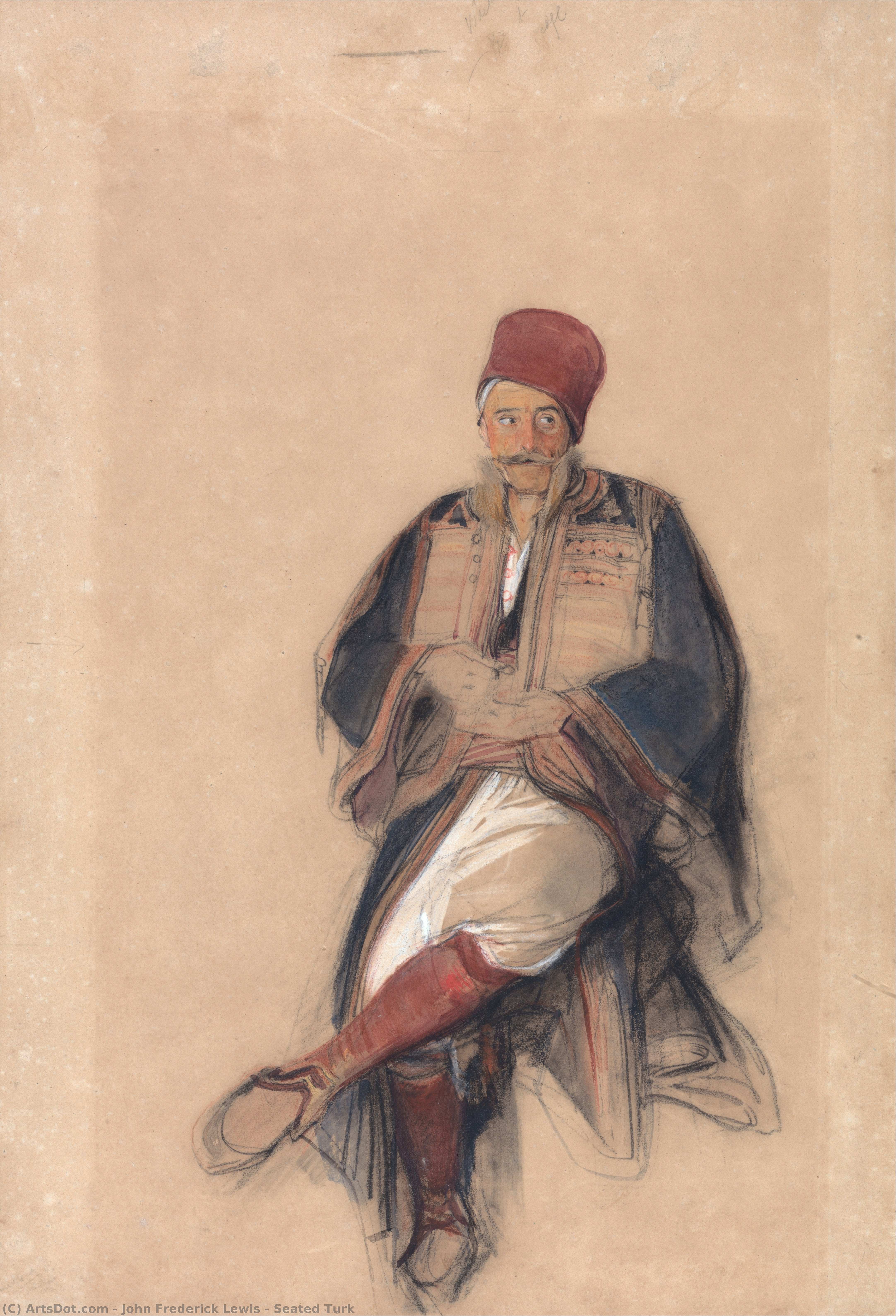
Seated Turk


 Leggi tutto
Giclée / Stampe d'arte
Stampa giclée o su tela di qualità museale, con produzione rapida e diverse opzioni di finitura. ( Passa alla versione dipinta a mano Passa all'immagine)




P118B $10

P118H $10

P118W $10

P438Z $10

P508JH $12

P508YH $12

P805H $10

P805Z $10

P919BZ $10

P919G $10

P919XJ $10

P959ZH $10

P968JZ $12

W106C $8

W218G $10

W218JH $8

W218Y $10

W307PJ $10

W316G $10

W316PJ $8

W316Y $10

W398PJ $8

W4111J $10

W500HY $15

W500JH $15

W692G $12

W849H $8

W940BG $15

W953PJ $8




Scegli tra le nostre dimensioni predefinite, che rispettano le proporzioni originali dell'opera d'arte.

È possibile inserire dimensioni personalizzate per adattare l'opera a una cornice o a uno spazio specifico. Se la dimensione selezionata non corrisponde alle proporzioni dell'immagine originale, procederemo al ritaglio dell'opera o all'estensione dell'immagine con un bordo specchiato o a tinta unita. Un mockup digitale ti verrà inviato per approvazione prima dell'inizio della produzione.
Si prega di notare che l'anteprima a schermo non riflette il ritaglio o l'estensione effettivi. Solo il mockup mostrerà accuratamente la composizione finale.
Sebbene siano disponibili dimensioni personalizzate, si raccomanda di selezionare una dimensione dall'elenco predefinito per preservare le proporzioni originali.
Consegna in tutto il mondo () in 2 settimane invece delle normali 4/5 settimane. (11 Agosto)

Spedizione espressa gratuita in tutto il mondo

Tela in lino di alta qualità

Assicurazione completa sulla spedizione

Garanzia di rimborso dei dazi doganali

Garanzia di fedeltà cromatica dell'originale

Politica di reso entro 60 giorni (solo per difetti di fabbricazione)

Garanzia di rimborso al 100%

Sconto per acquisti multipli
 L'opzione vetro è disponibile solo per dimensioni inferiori a 110 cm

Seated Turk
Giclée / Stampe d'arte
Dimensioni della riproduzione
-


Prezzo totale
$ 81
Descrizione del pezzo
A Portrait of Dignified Mystery: John Frederick Lewis’s “Seated Turk”
John Frederick Lewis's "Seated Turk," painted in 1841, is more than just a portrait; it’s a meticulously crafted tableau vivant—a frozen moment imbued with an air of quiet dignity and subtle melancholy. This watercolor study, now housed at the Yale Center for British Art, offers a captivating glimpse into the burgeoning field of Orientalism within 19th-century European art, revealing both the artist's technical mastery and his engagement with exotic cultures.
The subject himself is an enigmatic figure, a man seated in what appears to be a richly appointed interior. His attire—a vibrant red headpiece, a flowing robe adorned with intricate patterns, and a delicately embroidered vest—immediately transports the viewer to the world of the Ottoman Empire. However, Lewis doesn’t simply depict a literal representation; instead, he captures an essence, a character. The man's gaze is direct yet contemplative, hinting at a life lived beyond the confines of the canvas. The composition itself is carefully balanced, with the figure occupying a significant portion of the frame while leaving ample space around him—a deliberate choice that emphasizes his importance and isolates him within a world of quiet contemplation.
Technique and Style: A Romantic Orientalist Vision
Lewis’s technique is characterized by a remarkable blend of observation and artistic license. He was famously stationed in Cairo for several years, immersing himself in the sights and sounds of Egyptian life. This firsthand experience informed his meticulous attention to detail—the textures of fabrics, the patterns on carpets, the play of light and shadow within the room. Yet, he wasn’t simply aiming for photographic realism; rather, he employed a distinctly Romantic style, prioritizing emotional impact over strict accuracy.
The watercolor medium itself is crucial to the painting's effect. Lewis masterfully utilizes layering washes—thin, translucent applications of pigment that build up gradually to create depth and luminosity. Dry brush techniques are then applied to define form and add textural interest, particularly in the folds of the clothing and the man’s hair. The muted color palette—dominated by earthy tones and rich reds—contributes to the painting's overall atmosphere of quiet contemplation. The flattened perspective, a common feature of Orientalist paintings at the time, further enhances this sense of timelessness and distance, suggesting that the scene exists outside of conventional Western notions of space and reality.
Historical Context: The Rise of Orientalism
“Seated Turk” is a product of its time—a period marked by increasing European interest in the Ottoman Empire and the broader Middle East. The 1830s and 40s witnessed a surge in travel to these regions, fueled by scientific expeditions, diplomatic missions, and, increasingly, artistic exploration. This “Orientalist” movement sought to depict the cultures of the East with a mixture of fascination and exoticism, often romanticizing them while simultaneously perpetuating stereotypes.
Lewis’s work reflects this complex dynamic. While he undoubtedly admired the beauty and sophistication of Ottoman culture, his painting also reveals a certain degree of detachment—a sense that he is observing from a position of privileged distance. Notably, Lewis deliberately avoided depicting overtly sensual or provocative scenes, choosing instead to focus on portraying dignified figures engaged in everyday activities. This approach distinguished him from some of his contemporaries who were more interested in exploiting the perceived exoticism and sensuality associated with Eastern cultures.
Symbolism and Emotional Resonance
Beyond its technical merits, “Seated Turk” possesses a subtle but powerful emotional resonance. The man’s expression—a mixture of serenity and perhaps a hint of melancholy—suggests a life lived in contemplation, far removed from the bustle of Western society. The painting invites us to consider themes of identity, cultural difference, and the complexities of human experience.
The inclusion of details such as the long pipe—a symbol of leisure and philosophical reflection—further reinforces this sense of quiet introspection. “Seated Turk” is not merely a portrait; it’s an invitation to pause, reflect, and contemplate the mysteries of another culture and the enduring questions of human existence. It remains a testament to John Frederick Lewis's skill as an artist and his profound engagement with the world beyond Europe.
Biografia dell'artista
John Frederick Lewis: Una Vita Pittorica Orientalista
Primi Anni di Vita e Formazione
John Frederick Lewis, un illustre pittore orientalista inglese, nacque il 14 luglio 1804 a Londra. Era figlio di Frederick Christian Lewis, incisore e pittore paesaggista. Questo background familiare artistico ha indubbiamente influenzato il suo sviluppo iniziale. La sua formazione formale iniziò sotto la guida di Sir Thomas Lawrence, dove affinò le sue abilità insieme ad altri artisti come Edwin Landseer. Questo periodo fondativo gli instillò una solida comprensione della tecnica e della composizione.
Carriera Artistica e Sviluppo
La carriera artistica di Lewis si è sviluppata attraverso diverse fasi distinte, ciascuna caratterizzata da stili in evoluzione e focus tematici:
- Periodo Orientalista: Lewis intraprese ampie viaggi nella regione mediterranea, catturando la sua essenza con dettagliate opere a acquarello e olio. Spesso rielaborava le composizioni, rendendole attraverso diversi mezzi.
- Influenze Spagnole e Marocchine (1832-1834): Un tour in Spagna e Marocco si è rivelato cruciale. Ha prodotto numerosi litografie successivamente pubblicate come “Sketches and Drawings of the Alhambra” (1835) e “Lewis’s Sketches of Spain and Spanish Character” (1836).
- Periodo Egiziano (1841-1851): Il suo soggiorno a Cairo è stato probabilmente il periodo più produttivo. Qui ha perfezionato il suo stile orientalista, creando opere dettagliate che mostrano sia scene di genere realistiche che rappresentazioni idealizzate degli interni egizi dell'alta borghesia.
Opere Notabili
Lewis creò un ampio corpo di lavoro celebrato per il suo meticoloso dettaglio e atmosfera evocativa. Alcune delle sue opere più riconosciute includono:
- A Bedouin (Yale Center for British Art, New Haven) – Un acquarello che esemplifica il suo stile orientalista.
- The Ramesseum at Thebes (Yale Center for British Art, New Haven) – Che mostra la sua notevole attenzione ai dettagli architettonici.
- A Young Turkish Woman (Yale Center for British Art, New Haven) – Un altro esempio sorprendente del suo lavoro orientalista.
- Harem Life in Constantinople - Un dipinto a olio dettagliato che rappresenta la vita domestica ottomana.
Influenze e Stile Artistico
Lo stile di Lewis è stato plasmato da diverse influenze, in particolare l'enfasi di Sir Thomas Lawrence sulla pittura a ritratto e composizione. Tuttavia, la sua osservazione diretta delle culture mediorientali gli ha permesso di sviluppare un'estetica unica caratterizzata da:
- Meticoloso Dettaglio: Un impegno per rappresentare accuratamente tessuti, motivi ed elementi architettonici.
- Ricca Gamma Cromatica: Impiego di tonalità vibranti ispirate ai paesaggi e agli abiti che ha incontrato.
- Scene di Genere & Viste Interne: Concentrazione sulla vita quotidiana e su ambientazioni domestiche intime.
Eredità e Significato Storico
Il contributo di Lewis al mondo dell'arte risiede nel suo ruolo significativo nello sviluppo della pittura orientalista. Le sue rappresentazioni meticolose dell'architettura islamica, dei mobili e degli abiti hanno stabilito nuovi standard di realismo all'interno del genere. Ha contribuito a diffondere una visione romantica ma dettagliata del Medio Oriente tra il pubblico occidentale. Dopo essere tornato in Inghilterra nel 1851, ha continuato a dipingere fino alla sua morte il 15 agosto 1876 a Walton-on-Thames.
La sua opera viene ancora studiata e ammirata per il suo valore artistico e la sua preziosa intuizione storica sulla percezione dell'Oriente del XIX secolo.

John Frederick Lewis
1804 - 1876 , United Kingdom
Informazioni rapide
- Artistic Movement Or Style: Orientalismo
- Artists Who Influenced This Artist: ['Sir Thomas Lawrence']
- Country: Regno Unito
- Date Of Birth: 14 luglio 1804
- Full Name: John Frederick Lewis
- Nationality: Britannico
- Notable Artworks:
- A Bedouin
- Il Ramesseum a Tebe
- Una giovane donna turca
- Place Of Birth: Londra
Articoli correlati
Carl Haag: Orientalist Visions & Victorian Spirituality in Watercolor
Explore the captivating Orientalist paintings of Carl Haag (1820-1915). Discover his detailed watercolors, Victorian landscapes & spiritual themes. Expert insights for collectors and art enthusiasts at OriginalUniqueArt.
The Allure of Detail: Precision & Narrative Resonance in Art History
Explore the captivating history of detail in art – from Renaissance masterpieces to modern movements like Precisionism. Discover how specificity shapes narrative, value & collector appeal. Expert insights at OriginalUniqueArt.

Trasformare i Ricordi in Etere: L'Estetica della Serenità Attraverso la Stilizzazione AI in Acquerello
Trasforma i tuoi ricordi più preziosi in opere d'arte uniche con OriginalUniqueArt. Artisti esperti, tecnologia AI all'avanguardia e garanzia di soddisfazione. Crea il tuo capolavoro personalizzato oggi!

Evoluzione dei Ritratti di Famiglia: L'Arte Personalizzata come Cronaca della Vita Familiare Attraverso le Generazioni
Scopri l'evoluzione del ritratto di famiglia e commissiona un'opera d'arte unica! Artisti esperti, riproduzioni fedeli e consulenza personalizzata per immortalare la tua storia. OriginalUniqueArt.

I 10 Capolavori dell'Acquerello che Hanno Rivoluzionato l'Arte | OriginalUniqueArt
Esplora i 10 capolavori dell'acquerello che hanno cambiato la storia dell'arte! Da Turner a Monet, scopri le storie e le tecniche di questi artisti iconici. Trova riproduzioni di alta qualità e idee per decorare casa con OriginalUniqueArt.com.


