
 Anteprima in scala reale
 Condividi
 Condividi
 Dettagli
 Guida stampabile

 Scarica
 Articoli simili
 Radiografia
 Slideshow
 Statistiche
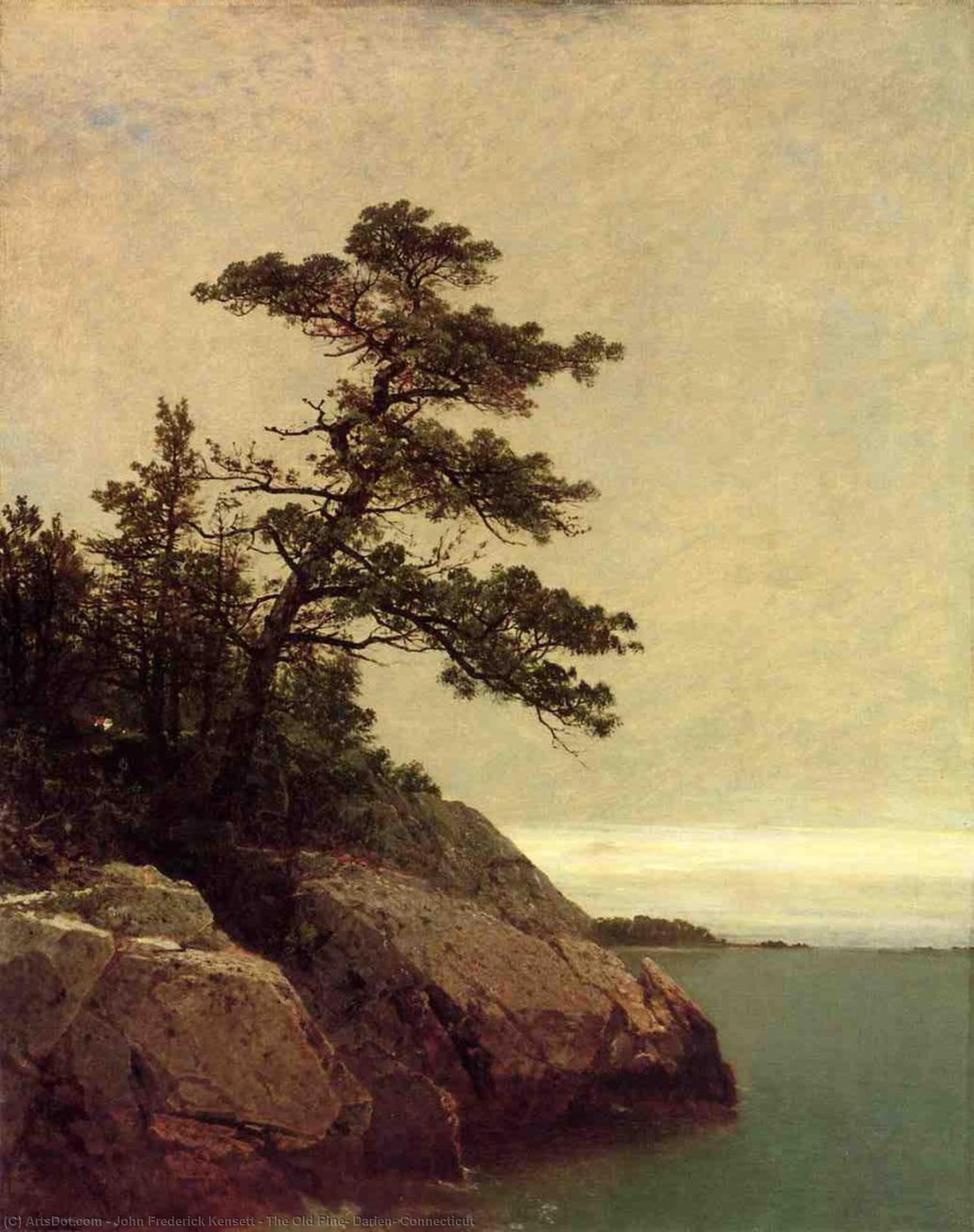
The Old Pine, Darien, Connecticut


 Leggi tutto
Giclée / Stampe d'arte
Stampa giclée o su tela di qualità museale, con produzione rapida e diverse opzioni di finitura. ( Ordina la riproduzione dipinta a mano Passa all'immagine digitale)




P118B $10

P118H $10

P118W $10

P438Z $10

P508JH $12

P508YH $12

P805H $10

P805Z $10

P919BZ $10

P919G $10

P919XJ $10

P959ZH $10

P968JZ $12

W106C $8

W218G $10

W218JH $8

W218Y $10

W307PJ $10

W316G $10

W316PJ $8

W316Y $10

W398PJ $8

W4111J $10

W500HY $15

W500JH $15

W692G $12

W849H $8

W940BG $15

W953PJ $8




Scegli tra le nostre dimensioni predefinite, che rispettano le proporzioni originali dell'opera d'arte.

È possibile inserire dimensioni personalizzate per adattare l'opera a una cornice o a uno spazio specifico. Se la dimensione selezionata non corrisponde alle proporzioni dell'immagine originale, procederemo al ritaglio dell'opera o all'estensione dell'immagine con un bordo specchiato o a tinta unita. Un mockup digitale ti verrà inviato per approvazione prima dell'inizio della produzione.
Si prega di notare che l'anteprima a schermo non riflette il ritaglio o l'estensione effettivi. Solo il mockup mostrerà accuratamente la composizione finale.
Sebbene siano disponibili dimensioni personalizzate, si raccomanda di selezionare una dimensione dall'elenco predefinito per preservare le proporzioni originali.
Consegna in tutto il mondo () in 2 settimane invece delle normali 4/5 settimane. (25 Settembre)

Spedizione espressa gratuita in tutto il mondo

Tela in lino di alta qualità

Assicurazione completa sulla spedizione

Garanzia di rimborso dei dazi doganali

Garanzia di perfetta fedeltà cromatica

Politica di reso entro 100 giorni (solo per difetti di fabbricazione)

Garanzia di rimborso al 100%

Sconto per acquisti multipli
 L'opzione vetro è disponibile solo per dimensioni inferiori a 110 cm

The Old Pine, Darien, Connecticut
Giclée / Stampe d'arte
Dimensioni della riproduzione
-


Prezzo totale
$ 80
A Moment Frozen in Light: Exploring John Frederick Kensett’s “The Old Pine”
John Frederick Kensett (1816–1872), a pivotal figure in the Hudson River School and Luminist movement, possessed an unparalleled ability to distill the essence of American landscape into exquisitely rendered paintings. His work transcends mere depiction; it strives for a profound communion with nature, capturing not just what is seen but also how it feels—a stillness imbued with radiant luminosity that continues to captivate viewers today. “The Old Pine,” painted in 1872 during his final summer on Long Island Sound off Darien, Connecticut, exemplifies this artistic philosophy perfectly.Subject Matter and Composition: A Study in Tranquility
At first glance, the painting presents a deceptively simple scene: a solitary pine tree perched precariously on a cliff edge overlooking the expansive ocean. However, Kensett’s meticulous observation reveals layers of detail—the rugged coastline punctuated by weathered rocks—that contribute to an overall impression of austere beauty and resilience. The artist deliberately eschewed grand vistas or dramatic narratives, opting instead for a focused portrayal of a single tree against the backdrop of atmospheric light. This deliberate restraint serves not to diminish the scene’s impact but rather to heighten its contemplative quality.Luminist Technique: Capturing Transient Light
Kensett's signature style—luminism—was born from a fascination with capturing fleeting moments of natural illumination. Unlike his predecessors who often employed dramatic chiaroscuro effects, Kensett favored subtle gradations of color and tone to convey the ethereal quality of sunlight filtering through foliage. The artist achieved this remarkable feat through painstaking layering of thin glazes – applying multiple coats of translucent paint—allowing each subsequent layer to subtly modify the hue and intensity of light reflected from beneath. This technique is particularly evident in the dappled illumination that dances across the pine needles, creating an illusion of movement and vibrancy despite the stillness of the composition.Historical Context: Transcendentalism and the American Spirit
“The Old Pine” emerged during a period marked by intellectual ferment—the Transcendentalist movement championed by Ralph Waldo Emerson and Henry David Thoreau—which profoundly influenced American art and thought. These thinkers believed in the inherent goodness of humanity and the interconnectedness of all things, advocating for a return to nature as a source of spiritual renewal. Kensett’s painting embodies this ethos, reflecting the broader cultural preoccupation with capturing sublime beauty and conveying a sense of awe before the grandeur of the natural world. It speaks to an ideal of American identity rooted in simplicity, contemplation, and reverence for the unspoiled landscapes of the nation.Symbolism: Resilience Amidst Decay
The pine tree itself holds significant symbolic weight within Western tradition—representing longevity, perseverance, and spiritual fortitude. Its weathered trunk and sparse foliage serve as a poignant reminder of the passage of time and the inevitability of decay, yet it stands tall against the turbulent sea winds, symbolizing resilience and unwavering faith in the face of adversity. Kensett’s deliberate choice to depict this tree—a symbol of enduring strength—underscores the painting's overarching message: beauty can be found even in solitude and vulnerability, and true artistry lies in capturing the profound emotional resonance of natural phenomena.Emotional Impact: A Balm for the Soul
Ultimately, “The Old Pine” transcends mere visual representation; it aspires to evoke a feeling of serenity and contemplation within the viewer. The painting’s luminous palette and harmonious composition invite us to pause, breathe deeply, and appreciate the quiet grandeur of the natural world—a balm for the anxieties of modern life that continues to resonate with audiences today. It is a testament to Kensett's mastery of Luminist technique and his unwavering commitment to conveying the sublime beauty of American landscape.Biografia dell'artista
Una vita dedicata alla cattura di paesaggi sereni
John Frederick Kensett, un artista e incisore americano, nacque il 22 marzo 1816 a Cheshire, nel Connecticut. Membro della seconda generazione della scuola del fiume Hudson, le opere distintive di Kensett sono caratterizzate da qualità serene e luminose, celebrando gli aspetti trascendentali della natura.Primi anni e formazione
Kensett frequentò la Cheshire Academy e studiò incisione con suo padre, Thomas Kensett. Successivamente lavorò come incisore a New Haven fino al 1838, per poi trasferirsi a New York City per lavorare alle incisioni di banconote. Nel 1840, Kensett viaggiò in Europa per studiare pittura, affinando il suo talento insieme a Benjamin Champney.Studio affermato e stile luminista
Dopo aver stabilito il suo studio a New York, Kensett viaggiò estesamente nel nord-est e nelle Montagne Rocciose del Colorado, catturando l'essenza di questi paesaggi. Il suo stile si evolse dalla tradizionale scuola del fiume Hudson verso un approccio più raffinato luminista, caratterizzato da pennellate non auto-consapevoli che trasmettono qualità della luce atmosferica.- Mount Washington from the Valley of Conway (1851), un dipinto iconico, fu acquistato dall'American Art Union e distribuito a 13.000 abbonati.
- Eaton's Neck, Long Island (1872), un esempio primario dello stile luminista di Kensett, si trova ora nella collezione del Metropolitan Museum of Art a New York.
Eredità e contributi
Kensett fu uno dei fondatori del Metropolitan Museum of Art e membro a pieno titolo della National Academy of Design. Il suo lavoro, ampiamente acclamato durante la sua vita, continua a influenzare la pittura di paesaggio. Opere chiave:- Sunset Sky (ca. 1870), Metropolitan Museum of Art, New York
- Three Mile Harbor (ca. 1860), Museum of Fine Arts, Tallahassee

John Frederick Kensett
1816 - 1872 , Stati Uniti d'America
Informazioni rapide
- Artistic Movement Or Style: Luminismo, Hudson River School
- Artists Who Influenced This Artist:
- Thomas Cole
- Benjamin Champney
- Date Of Birth: 22 marzo 1816
- Date Of Death: 1872
- Full Name: John Frederick Kensett
- Nationality: Americano
- Notable Artworks:
- Mount Washington from the Valley
- Eaton’s Neck, Long Island
- Sunset Sky
- Three Mile Harbor
- Place Of Birth: Cheshire, Stati Uniti
Articoli correlati

The Sublime Landscape: Exploring the Hudson River School Movement
Explore the captivating world of the Hudson River School! Discover the history, artists, and defining characteristics of this iconic American art movement. Learn about Romanticism's influence & find inspiration for your collection.
I 10 Capolavori della Scuola del Fiume Hudson: Arte, Storia e Decorazioni Raffinate
Esplora i 10 capolavori della Scuola del Fiume Hudson: Cole, Church e Bierstadt. Scopri la storia, le tecniche e l'emozione di questi iconici paesaggi americani. Trova riproduzioni artistiche di alta qualità su OriginalUniqueArt.com!

Wild & Untamed: The High-Impact Energy of American Romanticism and the Hudson River School
Experience the raw power of American Romanticism. Explore the high-impact energy of the Hudson River School through premium, hand-painted oil reproductions that capture the sublime beauty and untamed spirit of the American wilderness for discerning collectors.

Robert Spencer: Luminism, Narrative & the American Landscape Tradition
Explore the captivating world of Luminism & the Hudson River School with our expert analysis. Discover the history, artists, and enduring beauty of 19th-century American landscape painting. Find museum-quality reproductions at OriginalUniqueArt.

John Frederick Kensett: Luce, Paesaggio e l'Identità Americana nell'Età dell'Oro della Pittura
Esplora la vita e l'opera di John Frederick Kensett, maestro del Luminismo americano. Scopri i suoi paesaggi sereni, l'innovativa tecnica pittorica e il suo contributo all'arte del XIX secolo. Approfondimenti esclusivi su OriginalUniqueArt.


