

 Anteprima in scala reale
 Condividi
 Condividi
 Dettagli
 Guida stampabile

 Scarica
 Articoli simili
 Radiografia
 Slideshow
 Statistiche
Kimet


 Leggi tutto
L'opera d'arte visualizzata in questa pagina è protetta dalle leggi sul diritto d'autore, il che significa che non possiamo legalmente creare o vendere una riproduzione identica. Tale protezione è garantita da accordi internazionali quali la Convenzione di Berna e dalle leggi nazionali, incluse quelle stabilite da Legge sul copyright degli Stati Uniti - Titolo 17. Tutti i diritti riservati. Le immagini presenti su questo sito sono protette da copyright e non possono essere riprodotte o utilizzate senza l'autorizzazione scritta di WahooArt.com o dei rispettivi proprietari del copyright.
Questo metodo è pienamente conforme alle normative sul diritto d'autore poiché non prevede la copia o la duplicazione dell'opera protetta. Si tratta invece di una rielaborazione creativa: un nuovo dipinto che trae ispirazione dall'originale, senza tuttavia esserne identico.
Giclée / Stampe d'arte
Stampa giclée o su tela di qualità museale, con produzione rapida e diverse opzioni di finitura. ( Ordina la riproduzione dipinta a mano Passa all'immagine digitale)




P118B €10

P118H €10

P118W €10

P438Z €10

P508JH €12

P508YH €12

P805H €10

P805Z €10

P919BZ €10

P919G €10

P919XJ €10

P959ZH €10

P968JZ €12

W106C €8

W218G €10

W218JH €8

W218Y €10

W307PJ €10

W316G €10

W316PJ €8

W316Y €10

W398PJ €8

W4111J €10

W500HY €15

W500JH €15

W692G €12

W849H €8

W940BG €15

W953PJ €8




Scegli tra le nostre dimensioni predefinite, che rispettano le proporzioni originali dell'opera d'arte.

Inserisci la larghezza e l'altezza desiderate, per adattarle alla tua cornice o alla tua parete. Una stampa può essere solo ritagliata, mai resa più grande dell'immagine originale; pertanto, un formato con una forma differente comporterà la perdita di una parte dell'opera. Ti invieremo un mockup digitale da approvare prima di procedere con la stampa. L'immagine mostrata in questa pagina non rappresenta il ritaglio reale — solo il mockup lo mostra.
Consegna in tutto il mondo () in 2 settimane invece delle normali 4/5 settimane. (22 Ottobre)

Spedizione espressa gratuita in tutto il mondo

Tela in lino di alta qualità

Assicurazione completa sulla spedizione

Garanzia di rimborso dei dazi doganali

Garanzia di perfetta fedeltà cromatica

Politica di reso entro 100 giorni (solo per difetti di fabbricazione)

Garanzia di rimborso al 100%

Sconto per acquisti multipli
 L'opzione vetro è disponibile solo per dimensioni inferiori a 110 cm

Kimet
Giclée / Stampe d'arte
Dimensioni della riproduzione
-


Prezzo totale
€ 70
A Window into Pennsylvania Impressionism
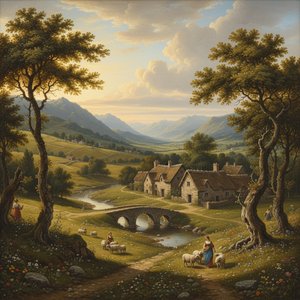
In the quiet, rolling landscapes of the Lehigh Valley, there exists a profound sense of stillness that John Emil Berninger captured with unparalleled mastery in his 1981 work, Kimet. As a prominent figure within the Pennsylvania Impressionist movement, Berninger possessed the rare ability to translate the rugged beauty of his native Allentown into a visual poem of light and earth. This particular piece serves as a breathtaking testament to a lifetime spent observing the subtle shifts of the American countryside. The painting invites the viewer into a serene rural settlement, where the architecture of human habitation meets the soft, undulating rhythm of the natural world. It is not merely a depiction of buildings and hills, but an evocative journey into a bygone era of pastoral tranquility.
The composition of Kimet is a masterclass in balance and visual flow. Berninger utilizes a sophisticated arrangement of leading lines—formed by winding roads and the receding edges of structures—to guide the eye through the heart of the scene toward the distant, hazy hills. The central building acts as an anchor, a focal point around which the smaller structures and organic landscape elements orbit in perfect harmony. Through this deliberate structural design, the artist creates a palpable sense of depth, making the canvas feel less like a flat surface and more like a window into a sprawling, breathing environment. For the collector or interior designer, this balanced composition offers a grounding presence, capable of anchoring a room with its steady, rhythmic grace.
Technically, the painting is a triumph of layered oil application and impressionistic texture. Berninger eschews clinical precision in favor of a more emotive, tactile approach, using visible brushstrokes to build a rich topography on the canvas. The color palette is a warm embrace of earth tones; deep reds, sun-drenched yellows, and rich browns dominate the foreground, providing a sense of warmth and stability. These are artfully contrasted by the cooler blues and soft whites of an overcast sky, which bathes the entire landscape in a diffused, gentle light. This interplay of temperature and texture creates a luminous quality, where the light seems to emanate from within the paint itself, capturing the fleeting atmosphere of a quiet afternoon.
Beyond its aesthetic brilliance, Kimet resonates with deep emotional and symbolic weight. It embodies the spirit of rural life—a celebration of permanence, peace, and the enduring connection between man and land. The soft, diffused lighting suggests a moment of pause, an invitation to reflect on the simplicity and beauty of the natural cycle. For those seeking to adorn a space with art that inspires contemplation, this reproduction offers more than just decoration; it provides a soulful connection to the heritage of American landscape painting. It is a piece that speaks of home, of history, and of the timeless allure of the quiet countryside.
Domande e risposte
Cosa rappresenta "Kimet"?
I soggetti di "Kimet" sono rural landscape, pennsylvania scene, cloudy weather, village setting, rolling hills, american art, impressionist style.
"Kimet" è tipico di ciò che John Emil Berninger creava solitamente?
Tra i temi ricorrenti di John Emil Berninger - pennsylvania impressionism, local allentown community, art museum curator role, regional landscape focus, early 20th century art, artist's regional identity, community arts patronage, documenting rural life - "Kimet" pone un particolare accento su rural landscape, pennsylvania scene, cloudy weather, village setting, rolling hills, american art, impressionist style.
Che livello di saturazione del colore ha "Kimet" di John Emil Berninger?
La tavolozza di "Kimet" ha una saturazione Balanced Soft.
Biografia dell'artista
John Emil Berninger: Un Impressionista della Pennsylvania
- Nato: 13 dicembre 1896, Allentown, Pennsylvania
- Morte: 16 luglio 1981, Allentown, Pennsylvania
- Noto per: Pittura di paesaggi, scene invernali, rappresentazioni della Lehigh Valley
Primi Anni e Formazione
- Berninger nacque ad Allentown in una famiglia che nutriva un profondo rispetto per l'arte e la cultura.
- Iniziò a sperimentare con la pittura a olio già nei primi anni della sua adolescenza.
- Le sue prime influenze artistiche includevano maestri come Orlando Gray Wales e Arlington Nelson Lindenmuth.
- Un momento decisivo nella sua evoluzione fu l'iscrizione alla prima classe tenuta da Walter Emerson Baum ad Allentown nell'estate del 1926, un evento che segnò uno sviluppo fondamentale nel suo stile; l'influenza di Baum è infatti considerata il cuore pulsante dell'opera di Berninger.
Sviluppo Artistico e Carriera
- Kline-Baum Art School: Nel 1932, Berninger divenne docente presso la Kline-Baum Art School, dove condivise il proprio sapere ispirando le nuove generazioni di studenti.
- Circulating Picture Club: Ottenne un importante riconoscimento nel 193ello, quando fu uno dei quattro allievi di Baum accettati nel Circulating Picture Club della Philadelphia Art Alliance, un traguardo di grande prestigio per ogni artista dell'epoca.
- Curatore dell'Allentown Art Museum: Dal 1936 al 1956, Berninger ricoprì il ruolo di primo curatore dell'Allentown Art Museum, fondato da Walter Emerson Baum. In quel periodo, visse al secondo piano del museo insieme alla moglie Mabel, la quale non solo lo assistette nelle sue mansioni curatoriali, ma sostenne attivamente anche il Circulating Picture Club della Kline-Baum School.
- Wuchter e Berninger: Nel 1939, divenne socio della gioielleria Wuchter e Berninger, trasformando la vetrina del negozio in una galleria per esporre i suoi dipinti. Questa visibilità gli permise di stringere legami con figure influenti come Robert Rodale, un grande sostenitore del suo lavoro.
Stile e Opere Notevoli
- Impressionismo della Pennsylvania: Lo stile di Berninger affonda le radici nell'Impressionismo della Pennsylvania, fondendo tecniche realistiche con un uso magistrale del colore e della luce tipicamente impressionista. Venne considerato parte della "cerchia esterna" della New Hope School.
- Soggetti: Le sue tele si concentravano principalmente sui paesaggi della Lehigh Valley e delle zone limitrofe, catturando spesso colline ondulate, foreste, corsi d'acqua e suggestivi scenari invernali carichi di neve.
- Tecnica: Berninger utilizzava colori audaci e pennellate fluide per catturare l'essenza vitale dei suoi soggetti.
- Opere Notevoli: Kimet è un esempio celebre che mostra una composizione equilibrata, caratterizzata da toni caldi e una trama materica della pennellata. Altre opere degne di nota includono le rappresentazioni del Meyers Bridge ad Allentown e varie vedute invernali.
Eredità e Significato Storico
- L'opera di Berninger contribuisce alla ricca tradizione dell'Impressionismo della Pennsylvania, documentando con maestria la bellezza dei paesaggi regionali.
- Il suo impegno come curatore dell'Allentown Art Museum è stato fondamentale per l'istituzione di un polo culturale vitale per la città.
- L'artista è ricordato come un influente maestro e un instancabile sostenitore delle arti nella Lehigh Valley.
- I dipinti di Berninger continuano a essere ammirati per i loro colori vibranti, le evocazioni poetiche della natura e la loro capacità di rappresentare l'eredità artistica della Pennsylvania.

John Emil Berninger
1896 - 1981 , Stati Uniti d'America
Informazioni rapide
- Artistic Movement Or Style: Impressionismo della Pennsylvania
- Artists Who Influenced This Artist:
- Orlando Gray Wales
- Arlington Nelson Lindenmuth
- Walter Emerson Baum
- Date Of Birth: 13 dicembre 1896
- Date Of Death: 16 luglio 1981
- Full Name: John Emil Berninger
- Nationality: Americano
- Notable Artworks:
- Kimet
- Scena innevata Hotel Bethlehem
- Place Of Birth: Allentown, USA
Articoli correlati

John Singer Sargent: I 25 Capolavori Immortali per Arredare con Stile
Esplora i 25 capolavori di John Singer Sargent, pittore americano simbolo dell'Impressionismo e del Gilded Age. Ritratti iconici, acquerelli luminosi e storie affascinanti. Trova la tua opera d'arte ideale su OriginalUniqueArt.com!

Cultivating Visions: A Historical Journey Through Rural Landscapes in Art
Explore the rich history of rural landscape painting with OriginalUniqueArt. Discover Impressionist masterpieces, key artists & movements. Find your perfect serene artwork and bring nature's beauty home.

I 10 Capolavori del Paesaggio Romantico: Arte, Storia e Decorazioni di Lusso
Esplora i 10 capolavori del Paesaggio Romantico con OriginalUniqueArt.com! Caspar David Friedrich, Turner e altri maestri: storia, tecnica e colori che definiscono un'epoca. Trova riproduzioni d'arte di lusso per la tua casa. Scopri la collezione completa online!
Evoking Arcadia: A Historical & Aesthetic Exploration of Rural Landscape Art
Explore the rich history of pastoral landscape art, from classical Arcadia to Impressionism & beyond. Discover key artists, movements, and how to collect serene rural scenes for your home. Expert insights at OriginalUniqueArt.

John Constable: I 25 Capolavori che Celebrano la Bellezza della Campagna Inglese
Esplora i 25 capolavori di John Constable, il maestro del Romanticismo inglese. Paesaggi suggestivi, luce naturale e colori vibranti ti aspettano. Acquista riproduzioni d'arte di alta qualità su OriginalUniqueArt.com e porta la bellezza della campagna inglese nella tua casa.