
 Anteprima in scala reale
 Condividi
 Condividi
 Dettagli

 Scarica immagine
 Articoli simili
 Radiografia
 Slideshow
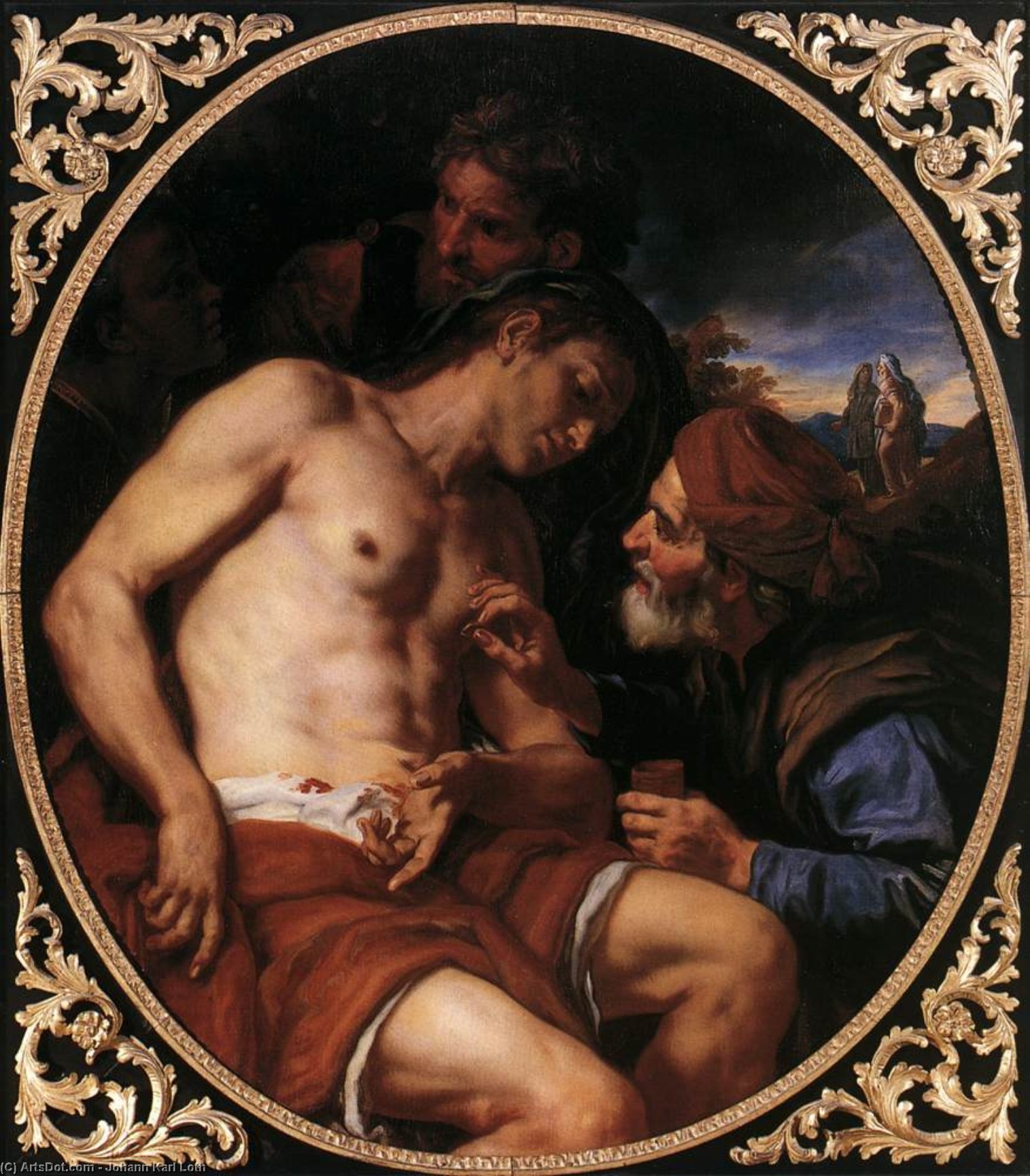
The Good Samaritane
 1676
1676 125.0 x 108.0 cm
 Kunstsammlungen Graf von Schönborn
 Leggi tutto
Riproduzione a olio fatta a mano
Olio su tela dipinto a mano nelle tue dimensioni e con la tua cornice, realizzato su ordinazione dai nostri artisti. ( Ordina stampa Acquista download)




































Scegli tra le nostre dimensioni predefinite, che rispettano le proporzioni originali dell'opera d'arte.

È possibile inserire dimensioni personalizzate per adattare l'opera a una cornice o a uno spazio specifico. Se la dimensione selezionata non corrisponde alle proporzioni dell'immagine originale, provvederemo a ritagliare l'opera o a estendere il dipinto con elementi aggiuntivi dipinti a mano. Un mockup digitale ti sarà inviato per approvazione prima dell'inizio della produzione.
Si prega di notare che l'anteprima a schermo non riflette il ritaglio o l'estensione effettivi. Solo il mockup mostrerà accuratamente la composizione finale.
Sebbene siano disponibili dimensioni personalizzate, consigliamo di selezionare una dimensione dall'elenco predefinito per preservare le proporzioni originali.
Dopo l'ordine, il team di OriginalUniqueArt.com contatterà il cliente via e-mail per le istruzioni e fornirà un'anteprima del mockup
Consegna in tutto il mondo () in 3/4 settimane anziché nelle normali 5 settimane. (16 Agosto). Nessun compromesso sulla qualità.

Spedizione espressa gratuita in tutto il mondo

Tela in lino di alta qualità

Assicurazione completa sulla spedizione

Garanzia di rimborso dei dazi doganali

Garanzia di fedeltà cromatica dell'originale

Politica di reso entro 60 giorni (solo per difetti di fabbricazione)

Garanzia di rimborso al 100%

Sconto per acquisti multipli
 L'opzione vetro è disponibile solo per dimensioni inferiori a 110 cm

The Good Samaritane
Tecnica di riproduzione
Dimensioni della riproduzione
-


Prezzo totale
$ 300
Biografia dell'artista
Johann Karl Loth: Venetian Baroque Master
Johann Carl Loth, born around 1632 in Munich, stands as a prominent figure within the Venetian Baroque artistic landscape—a realm dominated by titans like Pietro Titian and Giovanni Battista Gaetano Crespi. Though overshadowed by his contemporaries in terms of fame during his lifetime, Loth’s prolific output and distinctive style cemented his place as one of the “three grand masters” dubbed “karel,” alongside Karel Duijardin and Karel Maratta—a designation bestowed upon him by Arnold Houbraken, a respected biographer of the era. This honor underscores Loth’s considerable influence and recognition within the artistic circles of Amsterdam and Venice.- Early Life & Training: Loth’s formative years were spent under the tutelage of his father, Johann Ulrich Loth, a painter himself, who instilled in him a foundational understanding of artistic principles. Evidence suggests that Loth was also influenced by Giovan Battista Langetti, another influential Venetian artist known for his dramatic compositions and masterful use of chiaroscuro—techniques that would become hallmarks of Loth’s own oeuvre.
- Venetian Career & Collaborations: Loth’s artistic journey truly blossomed in Venice, where he established himself as a respected painter from 1663 until his death in 1698. This period witnessed invaluable collaborations with Pietro Liberi, a fellow Venetian artist who shared Loth’s penchant for grand historical narratives and theatrical visual storytelling. Together, they tackled ambitious commissions—primarily for the Habsburg court in Vienna—demonstrating a commitment to elevating artistic standards.
- Notable Commissions & Artistic Style: Loth achieved considerable renown through his involvement with Emperor Leopold I, securing prestigious assignments that showcased his skill and ambition. His distinctive style is characterized by densely populated scenes depicting biblical narratives or mythological tales—often imbued with dramatic lighting effects (tenebrism) and meticulous attention to detail. Consider particularly “Jupiter and Mercury at Philemon and Baucis,” completed in 1659 for the Kunsthistorisches Museum, where Loth skillfully captures a pivotal moment from Greek mythology.
- Legacy & Influence: Loth’s artistic legacy extends beyond his individual masterpieces. He nurtured numerous pupils—including Michael Wenzel Halbax, santo prunati, Johann Michael Rottmayr, Hans Adam Weissenkircher, Daniel Seiter, and Baron Peter Strudel—who carried forward his stylistic innovations and contributed to the vibrant Venetian art scene. His connections with artists like Willem Drost and Jan Vermeer van Utrecht further solidified his position as a central figure in the artistic community of his time.
- Museum Presence & Historical Significance: Loth’s works are prominently displayed in museums across Europe, notably the Art Institute of Chicago and the National Gallery London. The chapel at Burghley House in England houses two impressive paintings—a testament to Loth's enduring artistic impact. His contribution to Venetian Baroque painting is significant not only for its visual grandeur but also for its embodiment of the period’s intellectual currents—particularly the revival of classical ideals and the exploration of religious themes with profound emotional resonance.

johann karl loth
1632 - 1698
Informazioni rapide
- Artistic Movement Or Style: Baroque
- Artists Or Movements Influenced By This Artist: ['Classical Mythology Art']
- Artists Who Influenced This Artist:
- Giovanni Battista Langetti
- Franz Loth
- Date Of Death: 1698
- Full Name: Johann Karl Loth
- Nationality: German
- Notable Artworks:
- Jupiter and Mercury at Philemon and Baucis
- Karl mercury piping to argus
- Holy Family and God the Father
- Place Of Birth: Munich


