
 Anteprima in scala reale
 Invia
Invia Condividi
 Dettagli opera
 Guida
Guida

 Scarica
 Simili
 Radiografia
 Slideshow
 Domande e risposte
 Statistiche
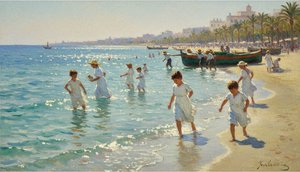
The happy day

- 83.0 x 116.0 cm


 Espandi i dettagli
Giclée / Stampe d'arte
Stampa giclée o su tela di qualità museale, con produzione rapida e diverse opzioni di finitura. ( Acquista il dipinto realizzato a mano Passa all'immagine digitale)




P118B €10

P118H €10

P118W €10

P438Z €10

P508JH €12

P508YH €12

P805H €10

P805Z €10

P919BZ €10

P919G €10

P919XJ €10

P959ZH €10

P968JZ €12

W106C €8

W218G €10

W218JH €8

W218Y €10

W307PJ €10

W316G €10

W316PJ €8

W316Y €10

W398PJ €8

W4111J €10

W500HY €15

W500JH €15

W692G €12

W849H €8

W940BG €15

W953PJ €8




Scegli tra le nostre dimensioni predefinite, che rispettano le proporzioni originali dell'opera d'arte.

Inserisci la larghezza e l'altezza desiderate, per adattarle alla tua cornice o alla tua parete. Una stampa può essere solo ritagliata, mai resa più grande dell'immagine originale; pertanto, un formato con una forma differente comporterà la perdita di una parte dell'opera. Ti invieremo un mockup digitale da approvare prima di procedere con la stampa. L'immagine mostrata in questa pagina non rappresenta il ritaglio reale — solo il mockup lo mostra.
Consegna in tutto il mondo () in 2 settimane invece delle normali 4/5 settimane. (7 Novembre)

Spedizione espressa gratuita in tutto il mondo

Tela in lino di alta qualità

Assicurazione completa sulla spedizione

Garanzia di rimborso dei dazi doganali

Garanzia di fedeltà cromatica assoluta

Politica di reso entro 100 giorni (solo per difetti di fabbricazione)

Garanzia di rimborso al 100%

Offerta per acquisti multipli
 L'opzione vetro è disponibile solo per dimensioni inferiori a 110 cm

The happy day
Giclée / Stampe d'arte
Dimensioni riproduzione
-


Prezzo finale calcolato
€ 72
A Celebration of Light and Camaraderie: Exploring Joaquín Sorolla’s “The Happy Day”
Joaquín Sorolla y Bastida (1863 – 1923), a Valencian painter whose canvases shimmer with the golden hues of Mediterranean summers, remains one of Spain’s most beloved artistic figures. His oeuvre is characterized by an unwavering devotion to capturing fleeting moments of joy and connection—a philosophy that finds its purest expression in “The Happy Day,” completed in 1892.
- Subject Matter: The painting depicts a group of nine individuals engaged in collaborative boat repair work within a workshop setting. This seemingly mundane activity becomes imbued with significance through Sorolla’s masterful portrayal of human interaction and shared experience.
- Style: Sorolla's style is firmly rooted in Impressionism, yet he transcends mere replication of visual sensations. Instead, he seeks to convey an emotional resonance—a palpable sense of warmth, optimism, and communal spirit.
Sorolla’s technique is remarkable for its ability to render light with unparalleled accuracy. He employs loose brushstrokes layered upon one another to create a luminous surface that mimics the dappled sunlight filtering through foliage. The artist meticulously observes how light transforms color, capturing subtle variations in tone and hue that contribute to the painting's overall atmosphere.
- Technique: Sorolla utilized oil paints on canvas, applying them with rapid, expressive strokes—a hallmark of Impressionist practice. He skillfully blended colors to achieve a velvety texture and create an illusion of depth, drawing viewers into the scene’s vibrant environment.
- Color Palette: The painting's dominant color palette consists of warm yellows, oranges, and reds—colors that evoke associations with sunshine, warmth, and vitality. These hues are juxtaposed against cooler greens and blues to create a harmonious balance and heighten the sense of tranquility.
“The Happy Day” resides at the Galleria d’Arte Moderna di Udine in Udine, Italy, where it continues to captivate audiences with its timeless beauty. Beyond its aesthetic merits, the painting speaks to broader themes of human connection and the transformative power of shared endeavor. Sorolla's intention was not merely to depict a workshop scene; he sought to encapsulate the essence of happiness—a moment frozen in time, radiating warmth and inviting contemplation.
Historical Context:
Painted during the Belle Époque, “The Happy Day” reflects the optimism and dynamism of the era. Sorolla’s work aligns with a broader artistic movement that championed realism alongside expressive color—a deliberate departure from academic conventions that prioritized meticulous detail over emotional impact.
Symbolism:
The boat itself serves as a potent symbol—representing not only practical labor but also aspiration, progress, and the pursuit of collective goals. The figures surrounding it embody camaraderie and cooperation—values celebrated throughout Sorolla’s oeuvre.
Ultimately, “The Happy Day” transcends its formal elements to convey an enduring message: that true joy resides in embracing life's simple pleasures and fostering meaningful connections with others. It remains a testament to Sorolla’s artistic genius—a masterpiece of Impressionism that continues to inspire admiration and wonder.
Domande e risposte
Dove posso ammirare l'originale di "The happy day" di Joaquín Sorolla y Bastida?
Puoi ammirare l'originale "The happy day" presso il Galleria d’Arte Moderna di Udine, Udine, Italia.
Qual è il formato di "The happy day"?
"The happy day" di Joaquín Sorolla y Bastida ha un formato Orizzontale. Il formato descrive le proporzioni della composizione.
In che modo "The happy day" bilancia luci e ombre?
La luminosità di "The happy day" di Joaquín Sorolla y Bastida è registrata come ombra, con una luminanza di Ombra morbida.
Biografia dell'artista
La Vita e l'Educazione di Joaquín Sorolla y Bastida
Joaquín Sorolla y Bastida, un rinomato pittore spagnolo, nacque il 27 febbraio 1863 a Valencia, in Spagna. Era il figlio maggiore di Joaquín Sorolla, commerciante, e Concepción Bastida. Orfano all'età di due anni, fu cresciuto dalla zia materna e dallo zio. La sua formazione artistica iniziò nella sua città natale, dove ricevette le prime lezioni d’arte all'età di nove anni. Successivamente studiò sotto la guida di Cayetano Capuz, Salustiano Asenjo e José Benlliure a Roma. Una borsa di studio quadriennale gli permise di studiare pittura a Roma, in Italia, dove fu influenzato da Francisco Pradilla.Sviluppo Artistico e Stile
Sorolla sviluppò uno stile distintivo caratterizzato da una straordinaria capacità di catturare la luce e il colore. Il suo lavoro si concentra principalmente su scene di vita quotidiana, ritratti e paesaggi costieri, spesso ambientati nelle spiagge assolate della Spagna. Sebbene inizialmente influenzato dal realismo accademico, Sorolla evolse rapidamente verso un approccio più impressionista, con pennellate libere e vibranti che conferiscono alle sue opere una sensazione di immediatezza e vitalità. La sua maestria nel rendere gli effetti della luce solare, in particolare sulla pelle e sull'acqua, è diventata il suo marchio distintivo.Opere Principali e Riconoscimenti
Sorolla lasciò un’impronta significativa nel mondo dell'arte con numerose opere di grande successo. Tra le sue creazioni più celebri si annoverano:- Ragazza italiana con fiori (olio su tela), che testimonia la sua abilità nel catturare l'essenza dei suoi soggetti.
- Tempo di bagno (realismo, olio), che mette in mostra la sua capacità di bilanciare luce e colore.
- La tratta degli schiavi bianchi (Museo Sorolla, Madrid, Spagna, olio su tela), un raro esempio di realismo sociale nel lavoro di Sorolla.
Influenza e Significato Storico
L'opera di Sorolla, caratterizzata da luminosità e bravura, ha lasciato un segno indelebile nel panorama artistico spagnolo ed europeo. È considerato uno dei maggiori esponenti del realismo spagnolo e un precursore dell’impressionismo in Spagna. La sua capacità di rappresentare la vita quotidiana con tale vivacità e sensibilità lo rende una figura chiave nella storia dell'arte moderna. Il Museo Sorolla a Madrid, situato nella sua ex casa e studio, è dedicato alla sua opera e testimonia il suo contributo duraturo all’arte spagnola.Eredità e Impatto
Joaquín Sorolla y Bastida morì nel 1923, lasciando dietro di sé un'eredità artistica ricca e variegata. La sua influenza si estende ancora oggi a numerosi artisti, ispirati dalla sua maestria tecnica, dalla sua sensibilità cromatica e dalla sua capacità di catturare la bellezza del mondo che lo circondava. Le sue opere continuano ad essere ammirate e studiate per la loro straordinaria qualità artistica e il loro valore storico.
Joaquín Sorolla y Bastida
1863 - 1923 , Spagna
Dettagli rapidi
- Artisti Influenti: ['Francisco Pradilla']
- Data Di Nascita: 27 febbraio 1863
- Luogo Di Nascita: Valencia, Spagna
- Movimento Artistico: Realismo, Luminismo
- Nazionalità: Spagnola
- Nome Completo: Joaquín Sorolla y Bastida
- Opere Notevoli:
- Italian Girl with Flowers
- Bathing Time
- White Slave Trade
Articoli correlati
Joaquín Sorolla y Bastida: Luce e Vita nella Spagna dell'Impressionismo – Un’Eredità Artistica
Esplora la vita e l'opera di Joaquín Sorolla, il maestro della luce spagnola. Scopri le sue tecniche impressioniste, i temi ricorrenti e l'eredità artistica che lo rende un’icona dell'arte. Approfondimenti esclusivi su OriginalUniqueArt.

Manuel Benedito Vives: A Study of Light, Color & Emotional Resonance in Contemporary Spanish Painting
Explore the captivating world of Manuel Benedito Vives, a celebrated Spanish painter influenced by Sorolla. Discover his masterful portraits, luminous landscapes & enduring legacy – a favorite of the Spanish Royal Family. Art collectors will appreciate this in-depth study.
Evocations of Open Air: A Comprehensive Exploration of Outdoor Scenes in Art History
Explore the rich history of outdoor painting! Discover Impressionism, en plein air techniques & renowned landscape artists. Learn about light, color & enduring artistic legacies with OriginalUniqueArt.

Impressionismo: I 10 Capolavori che Rivoluzionarono la Pittura | OriginalUniqueArt
Esplora i 10 capolavori dell'Impressionismo con OriginalUniqueArt. Scopri Monet, Renoir e Degas: storia, tecnica e colori che hanno rivoluzionato l'arte. Stampe di alta qualità per la tua casa! Esplora la collezione online.

Le Barche nell'Arte: 10 Capolavori per un Viaggio Visivo Unico
Scopri 10 capolavori dell'arte che celebrano le barche! Da Monet a Manet, esplora la storia, i colori e il simbolismo di opere iconiche. Trova riproduzioni artistiche di alta qualità per decorare casa tua su OriginalUniqueArt.com.


