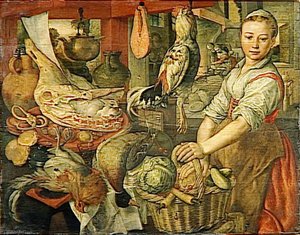
Anteprima in scala reale
 Condividi
 Condividi
 Dettagli
 Guida stampabile

 Scarica
 Articoli simili
 Radiografia
 Slideshow
 Statistiche
Vegetable Seller
 Oil
Oil- WallArt
- Baroque Realism
 Renaissance
 111.0 x 81.0 cm
 Museo Mayer van den Bergh
 Leggi tutto
Giclée / Stampe d'arte
Stampa giclée o su tela di qualità museale, con produzione rapida e diverse opzioni di finitura. ( Ordina la riproduzione dipinta a mano Passa all'immagine digitale)




P118B €10

P118H €10

P118W €10

P438Z €10

P508JH €12

P508YH €12

P805H €10

P805Z €10

P919BZ €10

P919G €10

P919XJ €10

P959ZH €10

P968JZ €12

W106C €8

W218G €10

W218JH €8

W218Y €10

W307PJ €10

W316G €10

W316PJ €8

W316Y €10

W398PJ €8

W4111J €10

W500HY €15

W500JH €15

W692G €12

W849H €8

W940BG €15

W953PJ €8




Scegli tra le nostre dimensioni predefinite, che rispettano le proporzioni originali dell'opera d'arte.

Inserisci la larghezza e l'altezza desiderate, per adattarle alla tua cornice o alla tua parete. Una stampa può essere solo ritagliata, mai resa più grande dell'immagine originale; pertanto, un formato con una forma differente comporterà la perdita di una parte dell'opera. Ti invieremo un mockup digitale da approvare prima di procedere con la stampa. L'immagine mostrata in questa pagina non rappresenta il ritaglio reale — solo il mockup lo mostra.
Consegna in tutto il mondo () in 2 settimane invece delle normali 4/5 settimane. (25 Ottobre)

Spedizione espressa gratuita in tutto il mondo

Tela in lino di alta qualità

Assicurazione completa sulla spedizione

Garanzia di rimborso dei dazi doganali

Garanzia di perfetta fedeltà cromatica

Politica di reso entro 100 giorni (solo per difetti di fabbricazione)

Garanzia di rimborso al 100%

Sconto per acquisti multipli
 L'opzione vetro è disponibile solo per dimensioni inferiori a 110 cm

Vegetable Seller
Giclée / Stampe d'arte
Dimensioni della riproduzione
-


Prezzo totale
€ 70
Joachim Beuckelaer: The Quiet Triumph of Observation
Joachim Beuckelaer stands as an intriguing figure in the constellation of Flemish Renaissance painters—a master whose influence resonates through generations, yet whose name often lacks the immediate recognition afforded to his contemporaries like Pieter Bruegel or Rubens. He carved out a distinctive niche within the artistic landscape of Antwerp and beyond, specializing in scenes depicting everyday life, particularly bustling marketplaces and domestic interiors populated by meticulously rendered figures engaged in commonplace activities. While overshadowed by more flamboyant personalities, Beuckelaer’s work possesses a remarkable subtlety—a quiet triumph of observation that anticipates the burgeoning genre of still life art and elevates the mundane to an aesthetic level worthy of contemplation.- A Pioneer of Market Views: Beuckelaer's contribution to art history lies primarily in his masterful depiction of market scenes. Unlike many artists of his time who focused on grand narratives or mythological allegories, he turned his gaze inward, capturing the vibrant energy and sensory richness of a typical Flemish marketplace. His paintings aren’t merely representations of commerce; they are carefully constructed compositions designed to convey a sense of realism and immediacy—a feat achieved through painstaking detail and masterful use of perspective.
- The Influence of Pieter Aertsen: Beuckelaer's artistic development was profoundly shaped by his teacher, Pieter Aertsen, who is credited with initiating the genre of market view. Aertsen’s pioneering explorations into portraying domestic interiors and marketplaces established a precedent for subsequent artists—including Beuckelaer—to delve deeper into capturing the textures and nuances of everyday life.
- Symbolism Embedded in Detail: Beyond mere visual accuracy, Beuckelaer's paintings are imbued with symbolic meaning. Like Aertsen before him, he skillfully incorporated religious iconography into his market scenes—often subtly referencing biblical narratives through architectural elements or depictions of figures engaged in ritualistic gestures. These additions elevate the artwork beyond a simple depiction of daily life, inviting viewers to consider broader themes of faith and morality.
- Technique: Chalk Ground and Layered Paint: Beuckelaer’s technique exemplifies the meticulous craftsmanship characteristic of Flemish painting during the Renaissance. He began by applying a chalk ground to his oak panels—a preparatory layer that ensured optimal adhesion for subsequent paint layers. The artist then meticulously built up the image using thin, translucent glazes—a technique perfected by Aertsen—allowing him to achieve remarkable luminosity and depth.
- The Legacy of Observation: Perhaps Beuckelaer’s most enduring legacy is his unwavering commitment to observing and representing the world around him with unflinching honesty. He eschewed grand gestures or stylized conventions, opting instead for a quiet realism that anticipates the stylistic innovations of later artists—particularly those who would champion the genre of still life art. His work reminds us that beauty can be found in the simplest of subjects—a testament to Beuckelaer’s profound understanding of artistic expression as a means of capturing and conveying the essence of human experience.
Notable Works: The Vegetable Market and Beyond
Among Beuckelaer's oeuvre, *The Vegetable Market* stands out as arguably his most celebrated masterpiece—a luminous depiction of a Flemish marketplace brimming with fresh produce and populated by figures engaged in the transaction of goods. Executed in 1567, this painting exemplifies Beuckelaer’s signature style: meticulous detail combined with subtle symbolic resonance. The artwork's vibrant colors—particularly the reds and greens—capture the vitality of the scene, while its composition draws inspiration from Pieter Aertsen’s pioneering explorations into market views. Recent conservation efforts revealed hidden layers of varnish and retouching, highlighting the challenges faced by preserving artworks from bygone eras.Further Research
Detailed analysis of Beuckelaer's artistic process—including his use of underdrawings and glazing techniques—provides invaluable insight into the evolution of Renaissance painting. Examination of related works by Pieter Aertsen illuminates the shared influences that shaped their artistic vision, demonstrating a collaborative spirit within Antwerp’s artistic community. Ongoing scholarly research continues to refine our understanding of Beuckelaer's life and career, uncovering new information about his family background and his role in shaping the cultural landscape of 16th-century Flanders. KMSKA’s comprehensive documentation of *The Vegetable Market* offers a valuable resource for art historians and enthusiasts alike—a testament to the enduring fascination with this remarkable artist and his contribution to the history of visual culture.Domande e risposte
L'immagine di "Vegetable Seller" di Joachim Beuckelaer può essere riprodotta liberamente?
Lo stato del copyright per "Vegetable Seller" di Joachim Beuckelaer: l'opera è di pubblico dominio - il suo copyright è scaduto. Ciò determina se sia possibile effettuare liberamente riproduzioni dell'immagine.
Posso visualizzare "Vegetable Seller" come una presentazione a schermo intero?
Puoi visualizzare "Vegetable Seller" di Joachim Beuckelaer in un formato slideshow nella pagina Slideshow dell'opera.
Verso quale tonalità tende "Vegetable Seller"?
La tonalità dominante di "Vegetable Seller" di Joachim Beuckelaer è Warm Sunset Tones. Tale tonalità costituisce il tono di fondo della tavolozza.
Biografia dell'artista
Joachim Beuckelaer: Una Vita nella Pittura Fiamminga
- Nato: Anversa, Belgio (c. 1533)
- Morto: c. 1573
Joachim Beuckelaer è stato un pittore fiammingo di spicco, specializzato in scene di mercato e cucina, rinomato per le sue raffigurazioni dettagliate di cibo, attrezzature domestiche e l'integrazione di narrazioni bibliche nella vita quotidiana. La sua opera ha influenzato significativamente lo sviluppo dell'arte del nature morte non solo nell'Europa settentrionale ma anche in Italia.
Primi Anni e Formazione
Nato in una famiglia di pittori, il padre di Beuckelaer, Mattheus Beuckeleer, era registrato come maestro nella Gilda di San Luca di Anversa. Questa connessione familiare gli fornì un'esposizione precoce al mondo dell'arte. Probabilmente ricevette la sua formazione iniziale da suo padre e dallo zio, Pieter Aertsen, un pittore celebrato noto per aver aperto la strada alle scene di mercato e cucina. Suo fratello, Huybrecht Beuckelaer, seguì anch'egli le loro orme come pittore.
Joachim Beuckelaer divenne maestro indipendente all'interno della Gilda di San Luca di Anversa nel 1560, segnando la sua formale entrata nella comunità artistica. Nel corso della sua carriera, rimase attivo ad Anversa, costruendo e perfezionando costantemente i temi stabiliti da Aertsen.
Caratteristiche Chiave del Suo Lavoro
- Scene di Mercato: Le scene di mercato di Beuckelaer erano caratterizzate dal loro meticoloso dettaglio e spesso incorporavano episodi biblici sullo sfondo. Ad esempio, la sua serie "I Quattro Elementi" raffigura un vivace mercato del pesce con dodici varietà di pesce che rappresentano i dodici discepoli di Gesù, mentre un arco rivela Cristo che cammina sul Mare di Galilea.
- Scene da Cucina: Simile ad Aertsen, le scene da cucina di Beuckelaer mostravano ingredienti abbondanti e ambientazioni domestiche. La sua "Scena da Cucina con Cristo a Emmaus" combina in modo unico una sontuosa preparazione del pasto con la storia biblica dell'apparizione di Cristo ai suoi discepoli.
- Elementi di Nature Morte: Sebbene sia principalmente noto per le scene di mercato e cucina, Beuckelaer ha anche prodotto nature morte raffiguranti oggetti e cibo quotidiani, dimostrando la sua padronanza del dettaglio e del realismo. La sua "Nature Morte di una Carcassa" (1563) è considerata uno dei primi esempi datati di questo soggetto.
Influenza e Eredità
Le innovazioni artistiche di Beuckelaer ebbero un impatto duraturo sulle generazioni successive di pittori. Ha influenzato significativamente artisti come Frans Snyders, che sviluppò ulteriormente il genere delle elaborate nature morte, e Vincenzo Campi in Italia. La serie "I Quattro Elementi" testimonia la sua abilità nel fondere senza soluzione di continuità scene quotidiane con simbolismo religioso, contribuendo in modo significativo all'evoluzione sia della pittura di mercato/cucina che del nascente campo dell'arte del nature morte.
Significato Storico
Joachim Beuckelaer ha svolto un ruolo cruciale nel passaggio dell'arte fiamminga da temi prevalentemente religiosi a soggetti più secolari. Le sue raffigurazioni dettagliate della vita quotidiana - mercati, cucine e nature morte - riflettevano un crescente interesse per il realismo e l'osservazione all'interno della comunità artistica. Integrando narrazioni bibliche in queste scene, ha creato opere che erano sia visivamente accattivanti che ricche di significato, consolidando il suo posto come figura fondamentale nella pittura fiamminga del XVI secolo.

Joachim Beuckelaer
1533 - 1573 , Belgio
Informazioni rapide
- Artistic Movement Or Style: Rinascimento
- Artists Or Movements Influenced By This Artist:
- Frans Snyders
- Vincenzo Campi
- Artists Who Influenced This Artist: ['Pieter Aertsen']
- Date Of Birth: c. 1533
- Date Of Death: c. 1573
- Full Name: Joachim Beuckelaer
- Nationality: Fiammingo
- Notable Artworks:
- Quattro elementi: Acqua
- Cucina con Cristo a Emmaus
- Natura morta di una carcassa
- Place Of Birth: Anversa, Belgio
Articoli correlati

I 10 Dipinti Più Famosi Dominati dal Verde Cadmio: Arte e Decorazioni Raffinate
Esplora i 10 dipinti più celebri dominati dal verde cadmio! Scopri la storia di Monet, Van Gogh e altri maestri. Trova riproduzioni d'arte di alta qualità per decorare casa con stile su .
I 10 Dipinti Più Famosi Dominati dal Verde Cromato: Arte e Decorazioni Raffinate
Esplora i 10 dipinti più famosi dominati dal verde cromato! Scopri la storia di Monet, Van Gogh e altri maestri. Trova riproduzioni d'arte di alta qualità per decorare casa con stile su .
I 10 Dipinti Più Famosi Dominati dal Verde Salvia: Arte e Decorazioni Raffinate
Esplora i 10 dipinti più iconici dominati dal verde salvia! Scopri le storie di Monet, Renoir e altri maestri impressionisti. Trova riproduzioni d'arte di alta qualità per la tua casa su .

Crimson Threads of Narrative: Exploring Symbolism & Representation in Artworks Featuring the Red Dress
Explore the rich symbolism of the red dress in art history! From ancient power displays to iconic portraits like Cézanne’s 'Madame Cezanne', discover the cultural and artistic significance behind this captivating color. Expert analysis & insights.
Verdant Visions: Exploring the Symbolism & Aesthetic Impact of Green in Art History
Explore the rich history & symbolism of green in art! Discover iconic paintings, techniques, and how to bring verdant harmony into your home with OriginalUniqueArt's expert guide.