

 Anteprima in scala reale
 Condividi
 Condividi
 Dettagli
 Guida stampabile

 Scarica
 Articoli simili
 Radiografia
 Slideshow
 Statistiche
The Four Elements: Fire
 Oil On Canvas
- WallArt
- Early Netherlandish Painting
 1570
1570 158.0 x 216.0 cm
 National Gallery
 Leggi tutto
Riproduzione a olio fatta a mano
Olio su tela dipinto a mano nelle tue dimensioni e con la tua cornice, realizzato su ordinazione dai nostri artisti. ( Passa alle stampe Passa all'immagine digitale)




P118B €10

P118H €10

P118W €10

P438Z €10

P508JH €12

P508YH €12

P805H €10

P805Z €10

P919BZ €10

P919G €10

P919XJ €10

P959ZH €10

P968JZ €12

W106C €8

W218G €10

W218JH €8

W218Y €10

W307PJ €10

W316G €10

W316PJ €8

W316Y €10

W398PJ €8

W4111J €10

W500HY €15

W500JH €15

W692G €12

W849H €8

W940BG €15

W953PJ €8




Scegli tra le nostre dimensioni predefinite, che rispettano le proporzioni originali dell'opera d'arte.

Inserisci la larghezza e l'altezza di cui hai bisogno, per adattarle alla tua cornice o alla tua parete. Trattandosi di un'opera dipinta a mano, in caso di dimensioni con una forma differente, l'artista può dipingere un po' più oltre i bordi dell'immagine o ritagliare leggermente — la scelta spetta a te. Ti invieremo un mockup digitale da approvare prima che la pittura abbia inizio. L'immagine mostrata in questa pagina non rappresenta il risultato reale — solo il mockup lo fa.
Dopo l'ordine, il team di OriginalUniqueArt.com contatterà il cliente via e-mail per ricevere le istruzioni e fornirà un'anteprima del mockup
Consegna in tutto il mondo () in 3/4 settimane anziché nelle normali 5 settimane. (22 Ottobre). Nessun compromesso sulla qualità.

Spedizione espressa gratuita in tutto il mondo

Tela in lino di alta qualità

Assicurazione completa sulla spedizione

Garanzia di rimborso dei dazi doganali

Garanzia di perfetta fedeltà cromatica

Politica di reso entro 100 giorni (solo per difetti di fabbricazione)

Garanzia di rimborso al 100%

Sconto per acquisti multipli
 L'opzione vetro è disponibile solo per dimensioni inferiori a 110 cm

The Four Elements: Fire
Tecnica di riproduzione
Dimensioni della riproduzione
-


Prezzo totale
€ 262
Joachim Beuckelaer: A Pioneer of Domestic Narrative
Joachim Beuckelaer’s “The Four Elements: Fire” stands as an arresting testament to the burgeoning fascination with observation and representation that characterized Flemish painting in its twilight years. Born around 1533 in Antwerp, a city brimming with artistic fervor during the High Renaissance, Beuckelaer emerged not merely as a painter but as a storyteller—one who elevated the commonplace kitchen scene into a profound meditation on life’s rhythms and spiritual contemplation. Unlike many of his contemporaries preoccupied with grand mythological narratives or religious iconography alone, Beuckelaer skillfully blended these traditions with an unprecedented sensitivity to everyday existence, establishing crucial groundwork for the emergence of still life art as a distinct genre. This wasn't simply about depicting what was seen; it was about capturing the essence of human experience within a carefully constructed visual universe—a feat achieved through masterful technique and imbued with subtle symbolic resonance.- Subject Matter: The painting portrays a woman diligently preparing food in a domestic setting, surrounded by assisting figures engaged in similar activities. Alongside her are various culinary implements – bowls, knives, spoons – alongside an array of birds perched upon shelves and tables, creating a vibrant tableau that speaks to the vitality of daily life.
- Style: Beuckelaer’s style is distinctly Mannerist, characterized by elongated figures, stylized poses, and dramatic perspective constructions. These stylistic choices reflect a broader artistic trend away from idealized beauty towards expressive distortion—a deliberate departure from Renaissance conventions that signaled a new emphasis on psychological realism.
- Technique: Executed in oil on canvas, “The Four Elements” demonstrates Beuckelaer’s exceptional skill in achieving luminous color palettes and conveying textural detail. The artist employed meticulous glazing techniques to build up layers of pigment—a hallmark of Flemish painting—resulting in a surface that possesses remarkable depth and luminosity.
Historical Context: Iconoclasm and the Shifting Artistic Landscape
“The Four Elements” was created during a period of intense religious upheaval known as the Beeldenstorm (“Storm of Images”), which erupted across the Netherlands in 1566. This tumultuous episode witnessed fervent Calvinist zealots dismantling statues and paintings deemed idolatrous—a direct challenge to Catholic dogma and artistic patronage. Amidst this climate of uncertainty and destruction, Beuckelaer’s work represents a defiant assertion of humanist values—specifically the celebration of earthly beauty and sensory experience—as opposed to solely focusing on spiritual transcendence. The painting's inclusion of biblical references serves as a subtle counterpoint to the iconoclasm, suggesting that artistic contemplation could coexist with religious faith without compromising its integrity.- Symbolism: The central figure preparing food embodies the nurturing role of womanhood and symbolizes the provision of sustenance—both physical and spiritual—essential for human flourishing. Furthermore, the birds scattered throughout the scene represent freedom and vitality, mirroring the biblical allegory of Noah’s Ark—a symbol of deliverance from impending doom and renewal after catastrophe.
- Perspective: Beuckelaer skillfully utilized multiple vanishing points to create a dramatic illusionistic space that draws the viewer into the depicted environment. This technique—characteristic of Mannerist painting—was employed to heighten emotional impact and convey a sense of grandeur, reflecting the artistic ambitions of the era.
Emotional Impact: A Momentary Pause for Reflection
“The Four Elements” transcends mere visual representation; it invites contemplation on themes of domestic harmony, human connection, and the enduring power of nature—themes that resonate deeply with viewers today. The painting’s luminous color palette evokes warmth and comfort—creating a serene atmosphere conducive to introspection. Moreover, Beuckelaer's masterful depiction of texture—particularly in the rendering of fabrics and foodstuffs—stimulates tactile sensation and engages the viewer’s senses on an emotional level. Ultimately, “The Four Elements” serves as a poignant reminder that beauty can be found in the simplest of moments—a lesson conveyed with remarkable eloquence by one of Flanders' most innovative artists.Conclusion: Legacy of Observation and Artistic Innovation
Joachim Beuckelaer’s “The Four Elements” remains an enduring masterpiece—a pivotal work that solidified his reputation as a pioneer of domestic narrative and foreshadowed the transformative influence of Mannerist painting on subsequent artistic developments. Its meticulous technique, astute symbolism, and profound emotional impact continue to inspire artists and collectors alike—affirming Beuckelaer's place among the giants of Flemish art history.Domande e risposte
Quanti anni aveva Joachim Beuckelaer quando è stata creata "The Four Elements: Fire"?
Quando "The Four Elements: Fire" fu creata nel 1570, Joachim Beuckelaer - nato nel 1533 - aveva 37 anni.
Qual è la dimensione di stampa consigliata per "The Four Elements: Fire"?
La dimensione di stampa consigliata per "The Four Elements: Fire" di Joachim Beuckelaer è Medium.
Esiste una guida per "The Four Elements: Fire" di Joachim Beuckelaer?
La guida a "The Four Elements: Fire" è la pagina Schede didattiche dell'opera d'arte: una scheda informativa stampabile che presenta l'opera con la sua didascalia, i crediti e la tabella identificativa (artista, date, tecnica, dimensioni originali, collezione).
Biografia dell'artista
Joachim Beuckelaer: Una Vita nella Pittura Fiamminga
- Nato: Anversa, Belgio (c. 1533)
- Morto: c. 1573
Joachim Beuckelaer è stato un pittore fiammingo di spicco, specializzato in scene di mercato e cucina, rinomato per le sue raffigurazioni dettagliate di cibo, attrezzature domestiche e l'integrazione di narrazioni bibliche nella vita quotidiana. La sua opera ha influenzato significativamente lo sviluppo dell'arte del nature morte non solo nell'Europa settentrionale ma anche in Italia.
Primi Anni e Formazione
Nato in una famiglia di pittori, il padre di Beuckelaer, Mattheus Beuckeleer, era registrato come maestro nella Gilda di San Luca di Anversa. Questa connessione familiare gli fornì un'esposizione precoce al mondo dell'arte. Probabilmente ricevette la sua formazione iniziale da suo padre e dallo zio, Pieter Aertsen, un pittore celebrato noto per aver aperto la strada alle scene di mercato e cucina. Suo fratello, Huybrecht Beuckelaer, seguì anch'egli le loro orme come pittore.
Joachim Beuckelaer divenne maestro indipendente all'interno della Gilda di San Luca di Anversa nel 1560, segnando la sua formale entrata nella comunità artistica. Nel corso della sua carriera, rimase attivo ad Anversa, costruendo e perfezionando costantemente i temi stabiliti da Aertsen.
Caratteristiche Chiave del Suo Lavoro
- Scene di Mercato: Le scene di mercato di Beuckelaer erano caratterizzate dal loro meticoloso dettaglio e spesso incorporavano episodi biblici sullo sfondo. Ad esempio, la sua serie "I Quattro Elementi" raffigura un vivace mercato del pesce con dodici varietà di pesce che rappresentano i dodici discepoli di Gesù, mentre un arco rivela Cristo che cammina sul Mare di Galilea.
- Scene da Cucina: Simile ad Aertsen, le scene da cucina di Beuckelaer mostravano ingredienti abbondanti e ambientazioni domestiche. La sua "Scena da Cucina con Cristo a Emmaus" combina in modo unico una sontuosa preparazione del pasto con la storia biblica dell'apparizione di Cristo ai suoi discepoli.
- Elementi di Nature Morte: Sebbene sia principalmente noto per le scene di mercato e cucina, Beuckelaer ha anche prodotto nature morte raffiguranti oggetti e cibo quotidiani, dimostrando la sua padronanza del dettaglio e del realismo. La sua "Nature Morte di una Carcassa" (1563) è considerata uno dei primi esempi datati di questo soggetto.
Influenza e Eredità
Le innovazioni artistiche di Beuckelaer ebbero un impatto duraturo sulle generazioni successive di pittori. Ha influenzato significativamente artisti come Frans Snyders, che sviluppò ulteriormente il genere delle elaborate nature morte, e Vincenzo Campi in Italia. La serie "I Quattro Elementi" testimonia la sua abilità nel fondere senza soluzione di continuità scene quotidiane con simbolismo religioso, contribuendo in modo significativo all'evoluzione sia della pittura di mercato/cucina che del nascente campo dell'arte del nature morte.
Significato Storico
Joachim Beuckelaer ha svolto un ruolo cruciale nel passaggio dell'arte fiamminga da temi prevalentemente religiosi a soggetti più secolari. Le sue raffigurazioni dettagliate della vita quotidiana - mercati, cucine e nature morte - riflettevano un crescente interesse per il realismo e l'osservazione all'interno della comunità artistica. Integrando narrazioni bibliche in queste scene, ha creato opere che erano sia visivamente accattivanti che ricche di significato, consolidando il suo posto come figura fondamentale nella pittura fiamminga del XVI secolo.

Joachim Beuckelaer
1533 - 1573 , Belgio
Informazioni rapide
- Artistic Movement Or Style: Rinascimento
- Artists Or Movements Influenced By This Artist:
- Frans Snyders
- Vincenzo Campi
- Artists Who Influenced This Artist: ['Pieter Aertsen']
- Date Of Birth: c. 1533
- Date Of Death: c. 1573
- Full Name: Joachim Beuckelaer
- Nationality: Fiammingo
- Notable Artworks:
- Quattro elementi: Acqua
- Cucina con Cristo a Emmaus
- Natura morta di una carcassa
- Place Of Birth: Anversa, Belgio
Articoli correlati
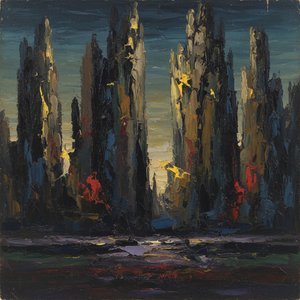
Clyfford Still e l'Espressionismo Astratto: Un Viaggio nel Colore, la Forma e il Paesaggio Interiore
Esplora l'universo artistico di Clyfford Still e dell'Espressionismo Astratto. Analisi approfondite, tecniche pittoriche e il suo impatto sull'arte moderna. Scopri i capolavori e la sua eredità.

Murales in Cucina e Bagno: L'Eleganza del Design di Alto Livello
Scopri come i murales trasformano cucine e bagni in spazi unici! Consigli di esperti, materiali pregiati e soluzioni personalizzate per un design d'interni di lusso. : arte su misura per il tuo stile.
Dalla Natura Morta Classica all'Astrazione Contemporanea: Elevare gli Spazi di Ricevimento delle Ville Attraverso la Riproduzione Artistica
Scopri l'evoluzione della natura morta e come trasformare i tuoi spazi con riproduzioni artistiche di alta qualità. Consulenza d'arte gratuita e spedizione in tutto il mondo su OriginalUniqueArt.com.

Silent Narratives: Exploring the Enduring Appeal of Still Life Painting Across Centuries
Explore the rich history of still life painting with OriginalUniqueArt. Discover Dutch Masters, decode vanitas symbolism & learn about collecting timeless art. Expert insights and museum-quality reproductions.
Equilibrio e Audacia: L'Integrazione dell'Arte Contemporanea negli Interni Classici per un'Eleganza Senza Tempo
Scopri come integrare l'arte contemporanea negli interni classici con stile ed eleganza. Consigli esperti, ispirazioni e soluzioni personalizzate per una casa di lusso unica.


