

 Anteprima in scala reale
 Condividi
 Condividi
 Dettagli
 Guida stampabile

 Scarica
 Articoli simili
 Radiografia
 Slideshow
 Statistiche
Slaughtered Pig
 Oil On Canvas
- WallArt
- Renaissance Realism
 1563
1563- Renaissance
 114.0 x 83.0 cm
 Wallraf-Richartz-Museum
 Leggi tutto
Riproduzione a olio fatta a mano
Olio su tela dipinto a mano nelle tue dimensioni e con la tua cornice, realizzato su ordinazione dai nostri artisti. ( Passa alle stampe Passa all'immagine digitale)




P118B €10

P118H €10

P118W €10

P438Z €10

P508JH €12

P508YH €12

P805H €10

P805Z €10

P919BZ €10

P919G €10

P919XJ €10

P959ZH €10

P968JZ €12

W106C €8

W218G €10

W218JH €8

W218Y €10

W307PJ €10

W316G €10

W316PJ €8

W316Y €10

W398PJ €8

W4111J €10

W500HY €15

W500JH €15

W692G €12

W849H €8

W940BG €15

W953PJ €8




Scegli tra le nostre dimensioni predefinite, che rispettano le proporzioni originali dell'opera d'arte.

Inserisci la larghezza e l'altezza di cui hai bisogno, per adattarle alla tua cornice o alla tua parete. Trattandosi di un'opera dipinta a mano, in caso di dimensioni con una forma differente, l'artista può dipingere un po' più oltre i bordi dell'immagine o ritagliare leggermente — la scelta spetta a te. Ti invieremo un mockup digitale da approvare prima che la pittura abbia inizio. L'immagine mostrata in questa pagina non rappresenta il risultato reale — solo il mockup lo fa.
Dopo l'ordine, il team di OriginalUniqueArt.com contatterà il cliente via e-mail per ricevere le istruzioni e fornirà un'anteprima del mockup
Consegna in tutto il mondo () in 3/4 settimane anziché nelle normali 5 settimane. (23 Ottobre). Nessun compromesso sulla qualità.

Spedizione espressa gratuita in tutto il mondo

Tela in lino di alta qualità

Assicurazione completa sulla spedizione

Garanzia di rimborso dei dazi doganali

Garanzia di perfetta fedeltà cromatica

Politica di reso entro 100 giorni (solo per difetti di fabbricazione)

Garanzia di rimborso al 100%

Sconto per acquisti multipli
 L'opzione vetro è disponibile solo per dimensioni inferiori a 110 cm

Slaughtered Pig
Tecnica di riproduzione
Dimensioni della riproduzione
-


Prezzo totale
€ 264
A Visceral Encounter with Renaissance Realism
In the quiet intensity of Joachim Beuckelaer’s 1563 masterpiece, "Slaughtered Pig," the viewer is not merely an observer but a witness to a profound moment of transformation. This oil on canvas, born from the vibrant intellectual and commercial energy of Antwerp’s golden age, transcends the boundaries of a simple genre painting. At first glance, the scene presents a raw, almost unsettling depiction of butchery: a pig hangs suspended from a sturdy wooden beam, its hind legs bound, while the visceral reality of its anatomy is laid bare. The artist does not flinch from the grisly details; instead, he invites us to look closer at the exposed musculature and the glistening textures of the carcass. Through this unflinching gaze, Beuckelaer captures a pivotal moment in art history where the boundaries between the mundane and the monumental begin to blur.
The composition is a masterclass in chiaroscuro, utilizing dramatic light and deep, enveloping shadows to sculpt the figures and the central subject. As light spills across the scene, it illuminates the intricate textures of the pig's skin and the practiced movements of the two men engaged in their labor. One figure, perched precariously atop a ladder, reaches toward the animal, while another stands below, wielding his tools with a precision that speaks to years of tradition. This interplay of light and shadow does more than create depth; it imbues the scene with a somber, almost ritualistic atmosphere, turning a common agricultural task into a heavy meditation on the cycle of life and death.
The Art of the Everyday: Symbolism and Technique
Beyond the surface-level realism lies a complex web of symbolism deeply rooted in the humanist spirit of the sixteenth century. While Beuckelaer is celebrated for his mastery of market and kitchen scenes, his work often carries an undercurrent of spiritual reflection. The act of slaughter depicted here can be viewed as a symbolic representation of sacrifice, a theme that resonated powerfully within the religious landscape of the Renaissance. The vulnerability of the animal, contrasted with the methodical, almost clinical precision of the butchers, serves as a poignant reminder of mortality and the interconnectedness of all living things. It is this ability to find profound meaning within the most earthly of subjects that elevates Beuckelaer from a mere chronicler of daily life to a philosopher of the canvas.
Technically, the painting is a triumph of Flemish precision. Beuckelaer employed a meticulous layering of translucent glazes, a technique that allows light to penetrate the paint layers and reflect back, creating an inner luminosity and an extraordinary sense of tactile realism. Every element—from the rough grain of the wooden beam to the sheen of the metal instruments—is rendered with an obsessive attention to detail. This dedication to texture makes the painting feel remarkably alive, as if one could almost sense the weight of the carcass or the dampness of the rural setting. For the collector or interior designer, such a piece offers more than just visual beauty; it provides a conversation piece that commands attention through its sheer technical prowess and emotional depth.
A Timeless Addition to the Sophisticated Interior
For those seeking to curate a space that reflects depth, history, and a love for classical realism, "Slaughtered Pig" offers an unparalleled sense of character. The painting’s palette, dominated by rich earth tones, provides a grounding element that complements both traditional and contemporary decor. Its ability to evoke a sense of nostalgia and reverence makes it an ideal centerpiece for a study, a library, or a dining room where themes of sustenance and heritage are celebrated. Owning a high-quality reproduction of this work allows one to bring the spirit of the Antwerp Renaissance into the modern home, offering a window into a world where even the most unsettling realities were met with profound artistic contemplation.
Domande e risposte
Joachim Beuckelaer, autore di "Slaughtered Pig", è conosciuto con altri nomi?
Altri nomi registrati per Joachim Beuckelaer, autore di "Slaughtered Pig", includono Ioachimo Bueckelaer, Joachim Bueckeleer, Joachim Beuckeleer.
Dove posso vedere l'originale "Slaughtered Pig" di Joachim Beuckelaer?
"Slaughtered Pig" di Joachim Beuckelaer è esposta presso Wallraf-Richartz-Museum, Köln, Deutschland. La scheda del museo si riferisce all'opera originale e non a riproduzioni.
Quante persone visualizzano "Slaughtered Pig"?
La pagina Statistiche di "Slaughtered Pig" di Joachim Beuckelaer presenta le statistiche delle visite pubbliche: le visite mensili di quest'opera, un confronto con le opere dell'artista più visualizzate e la provenienza dei visitatori.
Biografia dell'artista
Joachim Beuckelaer: Una Vita nella Pittura Fiamminga
- Nato: Anversa, Belgio (c. 1533)
- Morto: c. 1573
Joachim Beuckelaer è stato un pittore fiammingo di spicco, specializzato in scene di mercato e cucina, rinomato per le sue raffigurazioni dettagliate di cibo, attrezzature domestiche e l'integrazione di narrazioni bibliche nella vita quotidiana. La sua opera ha influenzato significativamente lo sviluppo dell'arte del nature morte non solo nell'Europa settentrionale ma anche in Italia.
Primi Anni e Formazione
Nato in una famiglia di pittori, il padre di Beuckelaer, Mattheus Beuckeleer, era registrato come maestro nella Gilda di San Luca di Anversa. Questa connessione familiare gli fornì un'esposizione precoce al mondo dell'arte. Probabilmente ricevette la sua formazione iniziale da suo padre e dallo zio, Pieter Aertsen, un pittore celebrato noto per aver aperto la strada alle scene di mercato e cucina. Suo fratello, Huybrecht Beuckelaer, seguì anch'egli le loro orme come pittore.
Joachim Beuckelaer divenne maestro indipendente all'interno della Gilda di San Luca di Anversa nel 1560, segnando la sua formale entrata nella comunità artistica. Nel corso della sua carriera, rimase attivo ad Anversa, costruendo e perfezionando costantemente i temi stabiliti da Aertsen.
Caratteristiche Chiave del Suo Lavoro
- Scene di Mercato: Le scene di mercato di Beuckelaer erano caratterizzate dal loro meticoloso dettaglio e spesso incorporavano episodi biblici sullo sfondo. Ad esempio, la sua serie "I Quattro Elementi" raffigura un vivace mercato del pesce con dodici varietà di pesce che rappresentano i dodici discepoli di Gesù, mentre un arco rivela Cristo che cammina sul Mare di Galilea.
- Scene da Cucina: Simile ad Aertsen, le scene da cucina di Beuckelaer mostravano ingredienti abbondanti e ambientazioni domestiche. La sua "Scena da Cucina con Cristo a Emmaus" combina in modo unico una sontuosa preparazione del pasto con la storia biblica dell'apparizione di Cristo ai suoi discepoli.
- Elementi di Nature Morte: Sebbene sia principalmente noto per le scene di mercato e cucina, Beuckelaer ha anche prodotto nature morte raffiguranti oggetti e cibo quotidiani, dimostrando la sua padronanza del dettaglio e del realismo. La sua "Nature Morte di una Carcassa" (1563) è considerata uno dei primi esempi datati di questo soggetto.
Influenza e Eredità
Le innovazioni artistiche di Beuckelaer ebbero un impatto duraturo sulle generazioni successive di pittori. Ha influenzato significativamente artisti come Frans Snyders, che sviluppò ulteriormente il genere delle elaborate nature morte, e Vincenzo Campi in Italia. La serie "I Quattro Elementi" testimonia la sua abilità nel fondere senza soluzione di continuità scene quotidiane con simbolismo religioso, contribuendo in modo significativo all'evoluzione sia della pittura di mercato/cucina che del nascente campo dell'arte del nature morte.
Significato Storico
Joachim Beuckelaer ha svolto un ruolo cruciale nel passaggio dell'arte fiamminga da temi prevalentemente religiosi a soggetti più secolari. Le sue raffigurazioni dettagliate della vita quotidiana - mercati, cucine e nature morte - riflettevano un crescente interesse per il realismo e l'osservazione all'interno della comunità artistica. Integrando narrazioni bibliche in queste scene, ha creato opere che erano sia visivamente accattivanti che ricche di significato, consolidando il suo posto come figura fondamentale nella pittura fiamminga del XVI secolo.

Joachim Beuckelaer
1533 - 1573 , Belgio
Informazioni rapide
- Artistic Movement Or Style: Rinascimento
- Artists Or Movements Influenced By This Artist:
- Frans Snyders
- Vincenzo Campi
- Artists Who Influenced This Artist: ['Pieter Aertsen']
- Date Of Birth: c. 1533
- Date Of Death: c. 1573
- Full Name: Joachim Beuckelaer
- Nationality: Fiammingo
- Notable Artworks:
- Quattro elementi: Acqua
- Cucina con Cristo a Emmaus
- Natura morta di una carcassa
- Place Of Birth: Anversa, Belgio
Articoli correlati
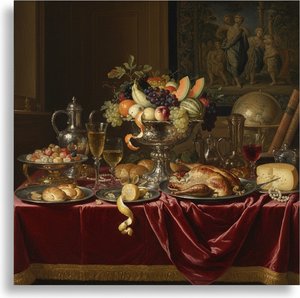
Abraham Hendricksz van Beyeren: Pioneering Dutch Still Life & the Banquet Tradition
Explore the captivating world of Dutch Golden Age still life with Abraham van Beyeren. Discover his innovative techniques, symbolic banquet scenes & lasting influence on art history. Learn about collecting these masterpieces.
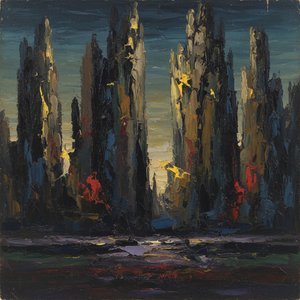
Clyfford Still e l'Espressionismo Astratto: Un Viaggio nel Colore, la Forma e il Paesaggio Interiore
Esplora l'universo artistico di Clyfford Still e dell'Espressionismo Astratto. Analisi approfondite, tecniche pittoriche e il suo impatto sull'arte moderna. Scopri i capolavori e la sua eredità.

Silent Narratives: Exploring the Enduring Appeal of Still Life Painting Across Centuries
Explore the rich history of still life painting with OriginalUniqueArt. Discover Dutch Masters, decode vanitas symbolism & learn about collecting timeless art. Expert insights and museum-quality reproductions.
Dalla Natura Morta Classica all'Astrazione Contemporanea: Elevare gli Spazi di Ricevimento delle Ville Attraverso la Riproduzione Artistica
Scopri l'evoluzione della natura morta e come trasformare i tuoi spazi con riproduzioni artistiche di alta qualità. Consulenza d'arte gratuita e spedizione in tutto il mondo su OriginalUniqueArt.com.
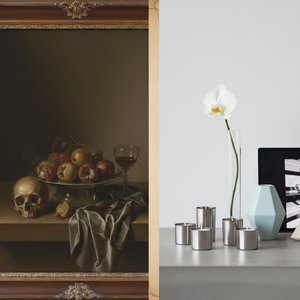
The Enduring Appeal of Still Life: A Historical & Contemporary Exploration
Explore the rich history & symbolism of still life painting with OriginalUniqueArt. Discover masterpieces from the Dutch Golden Age, learn about vanitas art, and find expert guidance for collecting timeless artworks.


