
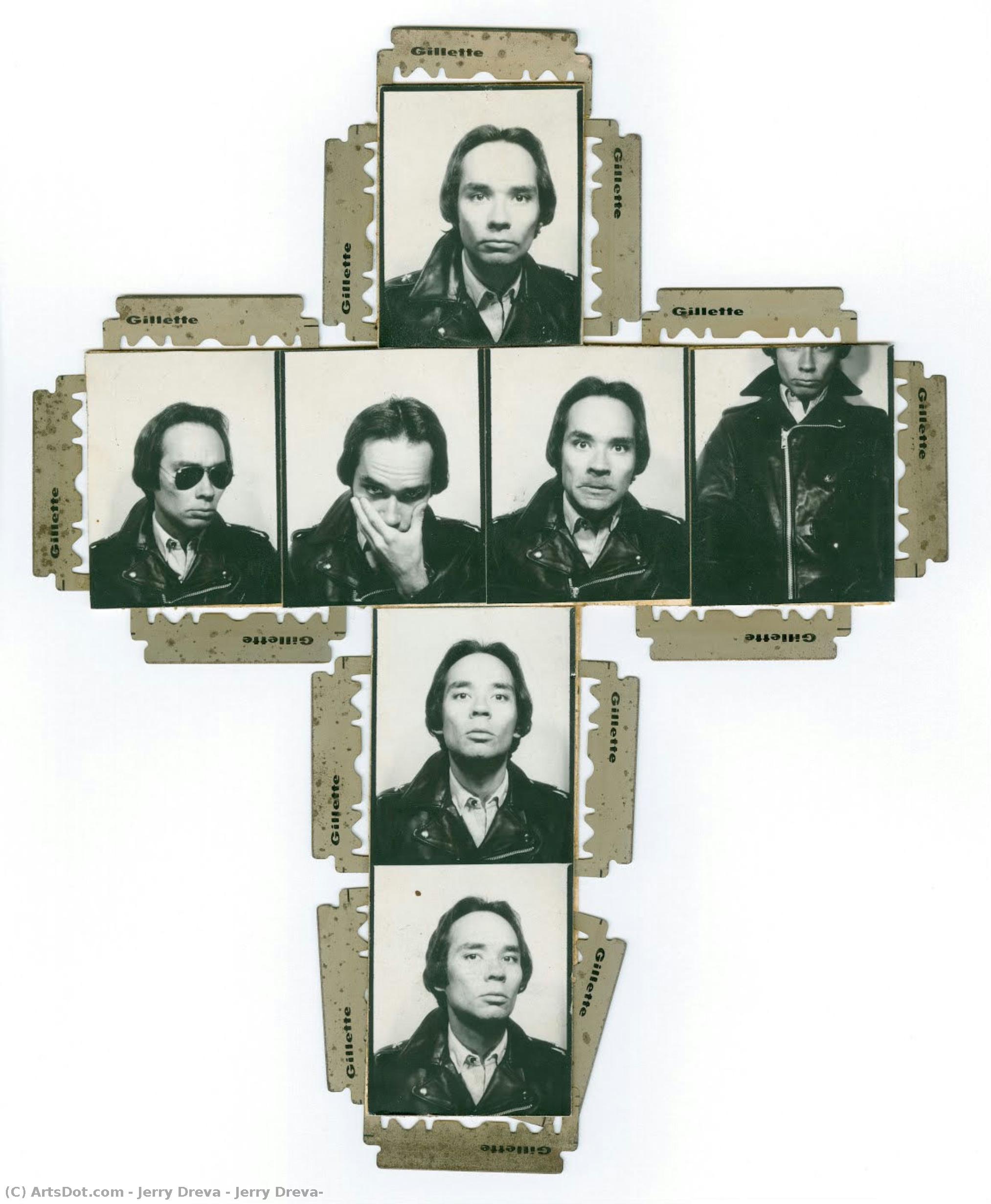
 Anteprima in scala reale
 Condividi
 Condividi
 Dettagli
 Guida stampabile

 Scarica
 Articoli simili
 Radiografia
 Slideshow
 Statistiche
Jerry Dreva


 Leggi tutto
Giclée / Stampe d'arte
Stampa giclée o su tela di qualità museale, con produzione rapida e diverse opzioni di finitura. ( Ordina la riproduzione dipinta a mano Passa all'immagine digitale)




































Scegli tra le nostre dimensioni predefinite, che rispettano le proporzioni originali dell'opera d'arte.

È possibile inserire dimensioni personalizzate per adattare l'opera a una cornice o a uno spazio specifico. Se la dimensione selezionata non corrisponde alle proporzioni dell'immagine originale, procederemo al ritaglio dell'opera o all'estensione dell'immagine con un bordo specchiato o a tinta unita. Un mockup digitale ti verrà inviato per approvazione prima dell'inizio della produzione.
Si prega di notare che l'anteprima a schermo non riflette il ritaglio o l'estensione effettivi. Solo il mockup mostrerà accuratamente la composizione finale.
Sebbene siano disponibili dimensioni personalizzate, si raccomanda di selezionare una dimensione dall'elenco predefinito per preservare le proporzioni originali.
Consegna in tutto il mondo () in 2 settimane invece delle normali 4/5 settimane. (26 Settembre)

Spedizione espressa gratuita in tutto il mondo

Tela in lino di alta qualità

Assicurazione completa sulla spedizione

Garanzia di rimborso dei dazi doganali

Garanzia di perfetta fedeltà cromatica

Politica di reso entro 100 giorni (solo per difetti di fabbricazione)

Garanzia di rimborso al 100%

Sconto per acquisti multipli
 L'opzione vetro è disponibile solo per dimensioni inferiori a 110 cm

Jerry Dreva
Giclée / Stampe d'arte
Dimensioni della riproduzione
-


Prezzo totale
$ 80
Biografia dell'artista
L'Arte del Sotterfugio: L'Eredità Radicale di Jerry Dreva
Nel vibrante e spesso caotico arazzo dell'avanguardia della fine del XX secolo, poche figure hanno incarnato lo spirito di una ribellione giocosa come Jerry Dreva. Poliedrico esponente della controcultura — artista, scrittore, performer e attivista — Dreva non si limitava a creare arte; la viveva, sfumando i confini tra la sua identità privata e la sua immagine pubblica con un'arguzia tanto acuta quanto sovversiva. Proveniente da South Milwaukee, nel Wisconsin, la sua vita è stata una performance continua, un tentativo deliberato di smantellare le mura che separano lo spazio della galleria dalle strade della vita quotidiana. Comprendere Dreva significa comprendere un uomo che vedeva nel servizio postale una tela e nella città stessa un palcoscenico per una creatività clandestina.
Il percorso artistico di Dreva era profondamente intrecciato con i fermenti sociali degli anni '60 e '70. Come partecipante attivo nei movimenti per i diritti civili e contro la guerra, il suo impegno per la giustizia era inseparabile dalla sua evoluzione estetica. Questo periodo vide la nascita dei Les Petites Bon-Bons, una rock band concettuale che rimane uno dei paradossi più affascinanti della storia dell'arte. Insieme a Robert J. Lambert, Dreva elaborò un'identità musicale basata interamente sullo spettacolo visivo piuttosto che sul suono; vestito con gli abiti sfarzosi e scintillanti delle icone del glam rock, il gruppo non suonò mai un singolo concerto e non prese mai in mano uno strumento. Attraverso questo progetto, Dreva esplorò il potere della creazione del mito, utilizzando la moda e la presenza mediatica per simulare una rivoluzione musicale esistente solo nell'immaginazione del pubblico.
La Rete Postale e l'Art Gangster
Forse il suo contributo più duraturo al canone dell'arte contemporanea fu la sua maestria nella Mail Art. In un'epoca precedente alla connettività digitale, Dreva utilizzò la rete postale globale per promuovere una forma di comunicazione decentralizzata e democratica. Divenne un nodo vitale in una trama internazionale di creatori, corrispondendo con figure leggendarie come On Kawara, Ray Johnson e Ben Vientier. Questa pratica non riguardava solo l'invio di immagini; si trattava di costruire una comunità attraverso il rituale dello scambio, aggirando i guardiani del mercato dell'arte tradizionale per creare un'esperienza condivisa e senza confini.
Tuttavia, le interventi più emozionanti di Dreva avvennero molto più vicino a casa. Operando sotto l'arguto pseudonimo di "The Art Gangster" (Il Gangster dell'Arte), egli si impegnò in un sofisticato gioco di performance urbana. Trascorreva le notti dipingendo segretamente con lo spray gli edifici pubblici di South Milwaukee, per poi riapparire la mattina seguente nel suo ruolo professionale di reporter per il locale Voice-Journal. In un brillante tocco di meta-commento, scriveva reportage entusiastici e celebrativi proprio su quegli atti di graffiti. Questa dualità — tra vandalo e giornalista — gli permise di manipolare la narrazione mediatica e costringere la comunità a confrontarsi con la presenza dell'arte nei propri spazi più banali. Fu un uso magistrale del sotterfugio che trasformò le notizie locali in un mezzo per la performance concettuale.
Una Vita di Attivismo e un'Influenza Duratura
Al di là dei giocosi inganni delle sue performance, l'opera di Dreva era ancorata a una profonda dedizione al cambiamento sociale. Il suo attivismo si concentrò in particolare sulla nascente lotta per i diritti LGBTQIA+, sia all'interno della sua comunità locale nel Wisconsin che su scala nazionale. La sua arte fungeva spesso da veicolo di visibilità, documentando le lotte e i trionfi delle identità emarginate con uno sguardo incrollabile. Questo impegno verso la verità attraverso l'arte assicurò che il suo lavoro portasse un peso ben superiore alla sua superficie umoristica o concettuale.
Con l'espandersi dei suoi interessi negli anni '80, gli orizzonti di Dreva si protesero verso l'America Latina, dove si immerse nelle culture del Guatemala e di El Salvador. Questo periodo di esplorazione aggiunse nuovi strati di profondità linguistica e culturale alla sua pratica già multifaccettata. Sebbene sia scomparso nel 1997, gli echi della sua persona da "Art Gangster" continuano a risuonare. Egli rimane una figura cruciale per chiunque studi l'intersezione tra performance, attivismo e democratizzazione dell'arte, ricordandoci che gli atti creativi più profondi sono spesso quelli che si rifiutano di restare dentro i margini.

Jerry Dreva
1945 - 1997 , Stati Uniti d'America
Informazioni rapide
- Artistic Movement Or Style: Mail Art
- Artists Or Movements Influenced By This Artist: ['Fluxus Movement']
- Artists Who Influenced This Artist: ['Les Petites Bon-Bons']
- Date Of Birth: 1945
- Date Of Death: 1997
- Full Name: Jerry Dreva
- Nationality: American
- Notable Artworks: ['Untitled portrait of Gronk and Jerry Dreva']
- Place Of Birth: South Milwaukee, United States