Anteprima in scala reale
 Condividi
 Condividi
 Dettagli
 Guida stampabile

 Scarica
 Articoli simili
 Radiografia
 Slideshow
 Statistiche
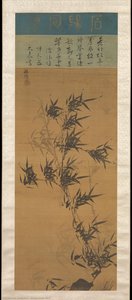
Untitled (D2X7UA)
 701
701 30.0cm x 287.0cm
 Leggi tutto
Riproduzione a olio fatta a mano
Olio su tela dipinto a mano nelle tue dimensioni e con la tua cornice, realizzato su ordinazione dai nostri artisti. ( Passa alle stampe Passa all'immagine digitale)




































Scegli tra le nostre dimensioni predefinite, che rispettano le proporzioni originali dell'opera d'arte.

È possibile inserire dimensioni personalizzate per adattare l'opera a una cornice o a uno spazio specifico. Se la dimensione selezionata non corrisponde alle proporzioni dell'immagine originale, provvederemo a ritagliare l'opera o a estendere il dipinto con elementi aggiuntivi dipinti a mano. Un mockup digitale ti sarà inviato per approvazione prima dell'inizio della produzione.
Si prega di notare che l'anteprima a schermo non riflette il ritaglio o l'estensione effettivi. Solo il mockup mostrerà accuratamente la composizione finale.
Sebbene siano disponibili dimensioni personalizzate, consigliamo di selezionare una dimensione dall'elenco predefinito per preservare le proporzioni originali.
Dopo l'ordine, il team di OriginalUniqueArt.com contatterà il cliente via e-mail per ricevere le istruzioni e fornirà un'anteprima del mockup
Consegna in tutto il mondo () in 3/4 settimane anziché nelle normali 5 settimane. (26 Settembre). Nessun compromesso sulla qualità.

Spedizione espressa gratuita in tutto il mondo

Tela in lino di alta qualità

Assicurazione completa sulla spedizione

Garanzia di rimborso dei dazi doganali

Garanzia di perfetta fedeltà cromatica

Politica di reso entro 100 giorni (solo per difetti di fabbricazione)

Garanzia di rimborso al 100%

Sconto per acquisti multipli
 L'opzione vetro è disponibile solo per dimensioni inferiori a 110 cm

Untitled (D2X7UA)
Tecnica di riproduzione
Dimensioni della riproduzione
-


Prezzo totale
$ 300
Biografia dell'artista
A Pioneer of Korean Landscape: The Life and Art of Jeong Seon
Jeong Seon, known to the world by his pen name Gyeomjae, emerged from a Korea undergoing subtle yet significant shifts in intellectual and artistic currents during the late 17th and early 18th centuries. Born in 1676 in the heart of Seoul, Jeong Seon’s beginnings were marked not by privilege but by modest circumstances. Though his family boasted an illustrious lineage, they lacked the financial stability to support a traditional scholarly path for their son. This circumstance, however, proved unexpectedly liberating. Denied access to the formal training reserved for the *yangban* class—the scholar-officials—Jeong Seon was free to forge his own artistic direction, unburdened by convention. He began painting daily, driven by an innate talent and a relentless dedication that would define his prolific career. This early immersion in observation and practice laid the foundation for a revolutionary approach to landscape painting in Korea.Breaking with Tradition: The Birth of “True-View” Painting
Prior to Jeong Seon, Korean landscape painting was heavily influenced by Chinese styles, often adhering to established conventions that prioritized idealized representations over realistic depictions. Jeong Seon boldly departed from this tradition, pioneering what became known as "true-view" landscape painting (*jingyeong sansuhwa*). This wasn’t merely a stylistic shift; it represented a fundamental change in artistic philosophy. Instead of recreating landscapes based on literary allusions or imagined ideals, Jeong Seon ventured into the Korean countryside, directly observing and meticulously recording the natural world before him. He focused intently on Korea's unique geographical features—its majestic mountains, winding rivers, and dramatic coastlines—imbuing his work with a sense of national identity previously unseen in Korean art. His paintings weren’t simply landscapes; they were portraits of Korea itself. Thi This dedication to realism was not about photographic accuracy but rather capturing the *essence* of a place, its atmosphere, and its spirit. He skillfully intermixed dark and light areas, creating depth and texture that brought his landscapes to life. His technique involved building up layers of ink, allowing the underlying tones to peek through, resulting in a dynamic and visually compelling effect.Influences and Artistic Style
While Jeong Seon broke from many traditions, he wasn’t entirely without influences. The intellectual ferment of his time, particularly the *Silhak* movement—a school of thought advocating practical learning and empirical observation—undoubtedly shaped his artistic approach. Silhak scholars emphasized the importance of understanding Korea's geography, economy, and culture, a sentiment that resonated deeply with Jeong Seon’s commitment to depicting the Korean landscape accurately. He admired the work of the Chinese painter Mi Fei (1052–1107), known for his expressive brushwork and atmospheric effects. However, Jeong Seon adapted these influences to create a distinctly Korean style characterized by bold brushstrokes, layered ink washes, and a masterful interplay of light and shadow.Mount Geumgang and Lasting Legacy
Perhaps Jeong Seon’s most celebrated subject was Mount Geumgang (also known as Diamond Mountains), located on the border between Korea and North Korea. He painted this iconic mountain range over one hundred times, each rendition revealing a new perspective or capturing a different mood. Works like “General View of Inner Geumgang” and his album *Pungak-docheop* are considered masterpieces of Korean landscape painting. These paintings weren’t just artistic achievements; they were acts of national pride, showcasing the beauty and grandeur of Korea's natural heritage. He died in 1759, leaving behind a body of work that stands as a testament to his vision, skill, and unwavering dedication to capturing the soul of Korea on canvas. His legacy continues to resonate today, influencing contemporary artists and shaping our understanding of Korea’s artistic heritage.
Jeong Seon
1676 - 1759 , Corea del Sud
Informazioni rapide
- Artistic Movement Or Style: True-view landscape
- Artists Who Influenced This Artist: ['Mi Fei']
- Date Of Birth: 1676
- Full Name: Jeong Seon
- Nationality: Korean
- Notable Artworks:
- General View of Inner Geumgang
- Album of Mount Geumgang
- Place Of Birth: Seoul, South Korea