
 Anteprima in scala reale
 Invia
Invia Condividi
 Dettagli opera
 Guida
Guida

 Scarica
 Simili
 Radiografia
 Slideshow
 Q&A
Q&A Statistiche
Eva Prima Pandora

- 97.0 x 150.0 cm


 Espandi i dettagli
Giclée / Stampe d'arte
Stampa giclée o su tela di qualità museale, con produzione rapida e diverse opzioni di finitura. ( Acquista il dipinto realizzato a mano Passa all'immagine digitale)




P118B €10

P118H €10

P118W €10

P438Z €10

P508JH €12

P508YH €12

P805H €10

P805Z €10

P919BZ €10

P919G €10

P919XJ €10

P959ZH €10

P968JZ €12

W106C €8

W218G €10

W218JH €8

W218Y €10

W307PJ €10

W316G €10

W316PJ €8

W316Y €10

W398PJ €8

W4111J €10

W500HY €15

W500JH €15

W692G €12

W849H €8

W940BG €15

W953PJ €8




Scegli tra le nostre dimensioni predefinite, che rispettano le proporzioni originali dell'opera d'arte.

Inserisci la larghezza e l'altezza desiderate, per adattarle alla tua cornice o alla tua parete. Una stampa può essere solo ritagliata, mai resa più grande dell'immagine originale; pertanto, un formato con una forma differente comporterà la perdita di una parte dell'opera. Ti invieremo un mockup digitale da approvare prima di procedere con la stampa. L'immagine mostrata in questa pagina non rappresenta il ritaglio reale — solo il mockup lo mostra.
Consegna in tutto il mondo () in 2 settimane invece delle normali 4/5 settimane. (1 Novembre)

Spedizione espressa gratuita in tutto il mondo

Tela in lino di alta qualità

Assicurazione completa sulla spedizione

Garanzia di rimborso dei dazi doganali

Garanzia di fedeltà cromatica assoluta

Politica di reso entro 100 giorni (solo per difetti di fabbricazione)

Garanzia di rimborso al 100%

Offerta per acquisti multipli
 L'opzione vetro è disponibile solo per dimensioni inferiori a 110 cm

Eva Prima Pandora
Giclée / Stampe d'arte
Dimensioni riproduzione
-


Prezzo finale calcolato
€ 71
Una Visione di Intimità Rinascimentale: Eva Prima Pandora
Sguardo fisso su Eva Prima Pandora significa immergersi direttamente nella ricca e materica atmosfera del Rinascimento francese. Questo ritratto affascinante, eseguito intorno al 1550 dalla cerchia di Jean Cousin il Vecchio, trascende la semplice rappresentazione di figure; offre un intimo tableau vivant intriso di allegoria classica e vulnerabilità umana. La composizione attira immediatamente l'occhio verso il gruppo centrale: una donna reclinata con la testa dolcemente appoggiata sulle ginocchia di un'altra persona. La sua apparente nudità non parla solo di svestizione, ma forse di uno stato di profonda contemplazione o di un risveglio incipiente, temi che risuonavano profondamente nel pensiero umanista del Rinascimento.
Maestria nella Forma e nell'Allegoria
Jean Cousin il Vecchio, noto per il suo rigoroso studio dell'anatomia e della prospettiva, infonde in quest'opera un'indiscutibile brillantezza tecnica. Si osservi la delicata resa della carne contro le trame implicite dei drappeggi e della pelle; essa testimonia una maestria nella pittura a olio che permette alla luce di apparire quasi palpabile. Oltre alle figure stesse, gli elementi circostanti elevano l'opera da ritrattistica ad arte narrativa complessa. L'inclusione di un uccello appollaiato delicatamente su un vaso, vicino al registro superiore, aggiunge un tocco di grazia naturalistica, mentre la sottile collocazione di un teschio nell'angolo in basso a sinistra funge da potente memento mori—un eterno promemoria della natura fugace della vita, giustapposta alla bellezza duratura catturata sulla tela.
Simbolismo e Risonanza Emotiva
L'interazione tra questi elementi suggerisce un dialogo che abbraccia la vita, la morte, la conoscenza e il riposo. La figura reclinata, che forse incarna Pandora stessa o una rappresentazione allegorica dell'umanità nascente, riposa in un momento sospeso tra i mondi. La presenza del teschio ancora l'opera alla contemplazione della mortalità, esortando lo spettatore a considerare la preziosità del momento presente. Questa profondità emotiva—questa quieta confluenza di bellezza e inevitabile decadenza—è ciò che conferisce a Eva Prima Pandora il suo potere duraturo. Invita il collezionista o l'arredatore non solo ad ammirare la perizia tecnica, ma a meditare sull'esistenza stessa.
Un Tocco di Grandezza Rinascimentale per il proprio Spazio
Per coloro che cercano un'opera d'arte capace di dare a una stanza peso intellettuale e un pedigree artistico senza pari, questa riproduzione offre un legame tangibile con l'età dell'oro della pittura europea. La sua scala (97 x 150 cm) le permette di dominare la scena in un grande salone o in una biblioteca, mentre il suo soggetto—la bellissima tensione tra il fiorire della vita e il decadimento del tempo—fornisce infiniti spunti di conversazione. Possedere questo pezzo significa acquisire non solo pittura su tela, ma un eco accuratamente preservato della contemplazione rinascimentale.
Domande e risposte
Quanta luce sembrano riflettere i colori di "Eva Prima Pandora"?
I colori di "Eva Prima Pandora" presentano una luminanza Ombra morbida.
Come posso visualizzare un'anteprima di una riproduzione di "Eva Prima Pandora" di Jean Il Vecchio Cousin?
È disponibile un'anteprima di "Eva Prima Pandora" di Jean Il Vecchio Cousin nella pagina Anteprima in ambiente dell'opera.
Quando e con quali materiali è stata realizzata "Eva Prima Pandora"?
"Eva Prima Pandora" è stata realizzata nel 1550 con la tecnica Olio su tela. Il materiale e la data descrivono come e quando l'opera originale è stata creata.
Biografia dell'artista
Jean Cousin the Elder: A Renaissance Master of Anatomy and Perspective
Jean Cousin the Elder (ca. 1490–ca. 1560) stands as a pivotal figure in French Renaissance art, largely overshadowed by his son Jean Cousin the Younger but nonetheless recognized for his profound contribution to humanist ideals and artistic innovation. Born in Sens, France, he emerged from a family steeped in artistic tradition—his father, Jean Cousin the Elder, was himself a celebrated sculptor and painter who established a lasting connection with Albrecht Dürer, marking him as one of the foremost artists of his time. This familial legacy instilled within Jean Cousin the Younger an unwavering dedication to mastering both disegno (drawing) and geometria (mathematics), disciplines considered essential for achieving artistic excellence during the Renaissance.- Early Life & Training: Cousin’s formative years were spent honing his skills in Sens Cathedral, where he meticulously crafted stained-glass windows embodying biblical narratives—a testament to the burgeoning influence of humanist scholarship and theological contemplation. Simultaneously, he pursued rigorous mathematical studies, preparing for a career as a surveyor and demonstrating an intellectual curiosity that would permeate his artistic endeavors.
- Sens Cathedral Windows: The Sainte-Chapelle windows in Sens represent Cousin’s earliest masterpiece, showcasing his mastery of color and composition while adhering to the principles of linear perspective—a technique championed by Dürer and rapidly disseminated throughout Europe. These works exemplify the humanist impulse to depict religious subjects with anatomical accuracy and emotional depth.
Parisian Career & Patronage
Around 1530, Cousin relocated to Paris, securing commissions from influential patrons – including Henry II – furthering his artistic reputation and establishing himself as a prominent figure in the Parisian art scene. He continued his work as a glass painter, creating stunning windows for Vincennes Cathedral, blending classical influences with Northern European traditions. His patronage enabled him to undertake ambitious projects that solidified his position at the forefront of Renaissance artistic innovation.- Notable Commissions: Cousin’s commissions included monumental sculptures for royal palaces and elaborate decorative panels—demonstrating his versatility as an artist and his ability to adapt to diverse stylistic trends.
The Last Judgment & Anatomical Illustration
Jean Cousin the Elder achieved renown primarily through two monumental achievements: “The Last Judgement” (Paris, Louvre) and “Livre de Pourtraicture” (1571). The Last Judgement is considered one of the first French paintings to employ perspective with remarkable sophistication, capturing a dramatic scene with meticulous detail—a testament to Cousin’s unwavering commitment to anatomical realism. His Livre de Pourtraicture stands as a seminal contribution to the burgeoning field of anatomical illustration, documenting human musculature with unprecedented accuracy and anticipating developments in scientific observation.- Technical Innovation: Cousin's mastery of perspective and his meticulous anatomical drawings established him as a pioneer—inspiring subsequent artists and shaping the visual language of Renaissance art.
Legacy & Influence
Jean Cousin’s influence extended far beyond his immediate contemporaries, shaping the trajectory of French Renaissance art and establishing him as a cornerstone of humanist artistic thought. His legacy continues to inspire artists today, reminding us that true artistic excellence resides in a profound understanding of both form and substance—a testament to his enduring contribution to European art history.- Continuing Tradition: Jean Cousin the Younger carried on his father’s workshop and style into the second half of the sixteenth century, maintaining stylistic continuity that captivated contemporaries.

Jean Il Vecchio Cousin
1522 - 1595 , Francia
Dettagli rapidi
- Artistic Movement Or Style: Renaissance Mannerismo
- Artists Or Movements Influenced By This Artist: ['Renaissance Sculpture']
- Artists Who Influenced This Artist: ['Albrecht Dürer']
- Date Of Birth: ca. 1490
- Date Of Death: ca. 1560
- Full Name: Jean Cousin the Elder
- Nationality: Francese
- Notable Artworks:
- La Giudicatura Ultima
- Biblia
- Place Of Birth: Sens, Francia
Articoli correlati

L’Essenza dell’Olio su Tela: Storia, Tecnica e l'Incorruttibile Bellezza dei Grandi Maestri
Scopri i segreti tecnici e la storia della pittura a olio tra maestria e scienza. Approfondisci l'arte dei grandi maestri ora.

The Enduring Legacy of Oil on Canvas: Technique, History & Aesthetic Impact
Explore the rich history & techniques of oil painting – from Renaissance masters to Impressionism. Discover pigments, layering methods, and why this timeless medium endures. Expert insights for artists & art enthusiasts.

Luce e Materia: La Profondità della Texture nell'Olio su Tela Impressionista
Scopri il legame tra luce e materia nell'Impressionismo, dai maestri ai dettagli tecnici. Immergiti nella bellezza della pittura ad olio.
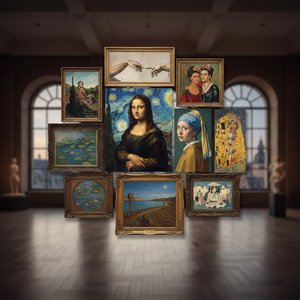
I 10 Capolavori a Olio su Tela che Hanno Rivoluzionato la Storia dell'Arte
Scopri i 10 capolavori a olio che hanno segnato la storia dell'arte! Da Leonardo a Van Gogh, esplora le storie e le tecniche dei più grandi maestri. Trova stampe su tela di alta qualità e idee per decorare casa con .

L'Eredità Duratura della Pittura a Olio: Tecnica, Storia e Pratica Contemporanea
Esplora la storia affascinante e le tecniche della pittura a olio. Scopri come i maestri hanno creato capolavori senza tempo e come questa arte vive oggi. : riproduzioni di alta qualità e consulenza esperta.

