Anteprima in scala reale
 Condividi
 Condividi
 Dettagli
 Guida stampabile

 Scarica
 Articoli simili
 Radiografia
 Slideshow
 Statistiche
Drunken Bacchus and Cupid


 Leggi tutto
Riproduzione a olio fatta a mano
Olio su tela dipinto a mano nelle tue dimensioni e con la tua cornice, realizzato su ordinazione dai nostri artisti. ( Passa alle stampe Passa all'immagine digitale)




P118B €10

P118H €10

P118W €10

P438Z €10

P508JH €12

P508YH €12

P805H €10

P805Z €10

P919BZ €10

P919G €10

P919XJ €10

P959ZH €10

P968JZ €12

W106C €8

W218G €10

W218JH €8

W218Y €10

W307PJ €10

W316G €10

W316PJ €8

W316Y €10

W398PJ €8

W4111J €10

W500HY €15

W500JH €15

W692G €12

W849H €8

W940BG €15

W953PJ €8




Scegli tra le nostre dimensioni predefinite, che rispettano le proporzioni originali dell'opera d'arte.

Inserisci la larghezza e l'altezza di cui hai bisogno, per adattarle alla tua cornice o alla tua parete. Trattandosi di un'opera dipinta a mano, in caso di dimensioni con una forma differente, l'artista può dipingere un po' più oltre i bordi dell'immagine o ritagliare leggermente — la scelta spetta a te. Ti invieremo un mockup digitale da approvare prima che la pittura abbia inizio. L'immagine mostrata in questa pagina non rappresenta il risultato reale — solo il mockup lo fa.
Dopo l'ordine, il team di OriginalUniqueArt.com contatterà il cliente via e-mail per ricevere le istruzioni e fornirà un'anteprima del mockup
Consegna in tutto il mondo () in 3/4 settimane anziché nelle normali 5 settimane. (24 Ottobre). Nessun compromesso sulla qualità.

Spedizione espressa gratuita in tutto il mondo

Tela in lino di alta qualità

Assicurazione completa sulla spedizione

Garanzia di rimborso dei dazi doganali

Garanzia di perfetta fedeltà cromatica

Politica di reso entro 100 giorni (solo per difetti di fabbricazione)

Garanzia di rimborso al 100%

Sconto per acquisti multipli
 L'opzione vetro è disponibile solo per dimensioni inferiori a 110 cm

Drunken Bacchus and Cupid
Tecnica di riproduzione
Dimensioni della riproduzione
-


Prezzo totale
€ 307
The Drunken Bacchus and Cupid: A Celebration of Myth and Academic Mastery
Jean Léon Gérôme’s “Drunken Bacchus and Cupid,” painted in 1850, is more than just a depiction of the Greek god Dionysus indulging with his divine counterpart, Cupid. It's a meticulously crafted testament to the enduring power of Neoclassical ideals within the vibrant landscape of 19th-century French art. This oil on canvas masterpiece, currently residing in the Musée des Beaux-Arts de Bordeaux, offers a captivating glimpse into a world where mythology and artistic skill converged to create an image of unparalleled detail and emotional resonance.
- Subject Matter: The painting’s core narrative revolves around the iconic pairing of Bacchus (Dionysus), god of wine and revelry, and Cupid, the embodiment of love. Their playful interaction – a scene of apparent intoxication and shared joy – immediately draws the viewer into a world of ancient mythology.
- Style & Technique: Gérôme’s approach firmly anchors this work within the Academicism style, a movement characterized by its commitment to historical subjects, precise realism, and masterful brushwork. The smooth, polished surfaces achieved through meticulous layering of oil paint demonstrate an exceptional command of technique. Notice the subtle gradations in color, creating a sense of volume and depth that is characteristic of the era’s most accomplished artists.
- Composition: The circular composition directs the eye across the scene, emphasizing the central figures while subtly incorporating a distant landscape – a common feature in academic paintings designed to evoke a sense of vastness and timelessness.
Decoding Symbolism and Narrative
Beyond its immediate visual appeal, “Drunken Bacchus and Cupid” is rich with symbolic meaning. The depiction of Bacchus, often associated with excess and liberation, speaks to the human desire for pleasure and escape from societal constraints. Cupid, ever present, represents not just romantic love but also the capricious nature of fate and divine intervention. The lush landscape surrounding the figures – a carefully rendered representation of idealized beauty – further reinforces this sense of idyllic harmony. Floral wreaths adorning their heads are potent symbols of divinity and grace, elevating the scene to a realm beyond mere earthly revelry.
- Color Palette: Gérôme’s masterful use of color contributes significantly to the painting's emotional impact. Rich reds, golds, and browns dominate, evoking warmth, sensuality, and the intoxicating effects of wine.
- Light & Shadow: The soft, diffused lighting creates a sense of atmosphere and drama, highlighting the figures’ forms and enhancing their expressions.
Historical Context and Artistic Significance
Created in 1850, “Drunken Bacchus and Cupid” reflects the broader artistic trends of its time – a period marked by a renewed interest in classical antiquity and a desire to emulate the achievements of the Old Masters. Jean-Léon Gérôme was one of the most celebrated artists of his era, renowned for his ability to capture historical scenes with breathtaking realism and dramatic flair. His work served as an important bridge between Neoclassicism and Romanticism, demonstrating a commitment to both traditional techniques and innovative storytelling. The painting’s enduring appeal lies in its ability to transport viewers to another time and place, inviting them to contemplate the timeless themes of love, pleasure, and divine intervention.
OriginalUniqueArt.com offers meticulously crafted hand-painted reproductions of this iconic artwork, allowing you to bring a piece of art history into your home or office. Each reproduction is created using archival quality materials, ensuring that it will retain its beauty and vibrancy for generations to come.
Domande e risposte
Posso vedere una vista ai raggi X di "Drunken Bacchus and Cupid" di Jean-Léon Gérôme?
"Drunken Bacchus and Cupid" può essere esaminata strato dopo strato nella pagina Raggi X dell'opera, un visualizzatore ispirato al banco luminoso di un restauratore con undici letture ottiche dell'immagine.
Dove dovrebbe essere appesa una riproduzione di "Drunken Bacchus and Cupid" di Jean-Léon Gérôme?
Il formato Portrait di "Drunken Bacchus and Cupid" di Jean-Léon Gérôme è consigliato per un/una Dining Room. Il formato e lo spazio insieme guidano il posizionamento di una riproduzione.
Dove posso trovare una guida per "Drunken Bacchus and Cupid"?
La pagina Schede didattiche di "Drunken Bacchus and Cupid" di Jean-Léon Gérôme offre una scheda informativa stampabile in due fogli: l'opera d'arte con la sua tabella identificativa, una linea temporale decennale che la colloca nel periodo di vita dell'artista, altre opere dello stesso autore, la tavolozza dei colori misurata e citazioni pronte per essere copiate in quattro stili diversi.
Biografia dell'artista
La Vita e l'Opera di Jean-Léon Gérôme
Jean-Léon Gérôme, nato a Vesoul, Alta Saona, l’11 maggio 1824 e deceduto a Parigi il 10 gennaio 1904, è stato un pittore e scultore francese di grande rilievo. La sua carriera si distinse per una combinazione di virtuosismo tecnico, attenzione al dettaglio e una predilezione per soggetti storici, orientalisti e di genere che catturarono l'immaginario del pubblico dell’epoca.
Formazione e Primi Successi
Gérôme ricevette le prime istruzioni in disegno dal pittore locale Claude-Basile Cariage. Nel 1840 si trasferì a Parigi per studiare sotto la guida di Paul Delaroche, un rinomato pittore storico, frequentando successivamente l'École des Beaux-Arts. Il suo dipinto "Il combattimento dei galli" (1846) gli valse una medaglia di terzo grado al Salon di Parigi del 1847, segnando l’inizio della sua carriera e consacrandolo come esponente di spicco del movimento neo-greco.
Soggetto Orientalisti e Successo Popolare
Gérôme divenne celebre per le sue rappresentazioni dettagliate e spesso sensazionalistiche dell'Oriente. Opere come "Donne dell’harem che nutrono piccioni in un cortile" e "Preghiera pubblica nella moschea di Amr, Il Cairo" riscossero un enorme successo popolare grazie alla loro capacità di evocare atmosfere esotiche e di rappresentare scene di vita quotidiana orientale con una precisione quasi fotografica. Questi dipinti, tuttavia, furono anche criticati per la loro visione stereotipata e talvolta orientalista dell'Oriente.
- Donne dell’harem che nutrono piccioni in un cortile: Un capolavoro orientalista che cattura l'intimità della vita domestica orientale.
- Preghiera pubblica nella moschea di Amr, Il Cairo: Una rappresentazione imponente della devozione islamica e dell’architettura religiosa.
Influenza Artistica e Didattica
Gérôme fu un insegnante influente, avendo tra i suoi allievi artisti di fama come Thomas Eakins, John Singer Sargent e Mary Cassatt. La sua abilità nel trasmettere le tecniche pittoriche tradizionali contribuì a formare una generazione di artisti americani ed europei. La sua influenza si estese anche al campo della scultura, dove sperimentò con la policromia su marmo, riprendendo temi dell'antichità classica.
Eredità e Significato Storico
L’eredità di Jean-Léon Gérôme risiede nella sua capacità di combinare virtuosismo tecnico, narrazione drammatica e una profonda comprensione della storia e delle culture che rappresentava. Sebbene le sue opere siano state oggetto di critiche per la loro visione a volte idealizzata o stereotipata del mondo, il suo impatto sull'arte del XIX secolo è innegabile. Gérôme rimane un esempio significativo dell’arte accademica francese, capace di affascinare e ispirare ancora oggi.
- Influenza su Sargent: John Singer Sargent, uno dei suoi allievi più celebri, ne ereditò l'attenzione al dettaglio e la maestria tecnica.
- Neo-Grecismo: Gérôme fu un esponente chiave del movimento neo-greco, che si ispirava all’arte dell’antica Grecia.
Per esplorare ulteriormente le opere di Jean-Léon Gérôme, si consiglia di visitare:
- Il Musée d'Art et d'Histoire de Cholet (Francia)
- OriginalUniqueArt per ammirare la sua opera "Snake Charmer"

Jean-Léon Gérôme
1824 - 1904 , Francia
Informazioni rapide
- Artisti Influenti: ['Paul Delaroche']
- Artisti Influenzati:
- Thomas Eakins
- John Singer Sargent
- Mary Cassatt
- Data Di Nascita: 11 maggio 1824
- Luogo Di Nascita: Vesoul, Francia
- Movimento Artistico: Neo-Grec, Orientalismo
- Nazionalità: Francese
- Nome Completo: Jean-Léon Gérôme
- Opere Notevoli:
- Il combattimento dei galli
- Donne dell'harem che nutrono piccioni
- Preghiera Pubblica nella Moschea di Amr
Articoli correlati

Jean-Léon Gérôme: Rigore Accademico e Visioni Orientaliste nella Pittura Francese dell'Ottocento
Esplora la vita e le opere di Jean-Léon Gérôme, maestro dell'arte accademica francese. Approfondisci il suo orientalismo, il realismo storico e l'influenza sulla pittura del XIX secolo. Scopri come collezionare i suoi capolavori.
I 10 Capolavori dell'Accademismo: Realismo e Grandezza nella Pittura
Esplora i 10 capolavori dell'Accademismo, tra cui Bouguereau e Gérôme. Scopri la storia, le tecniche e l'emozione dietro questi dipinti realisti iconici. Riproduzioni di alta qualità su OriginalUniqueArt.com!
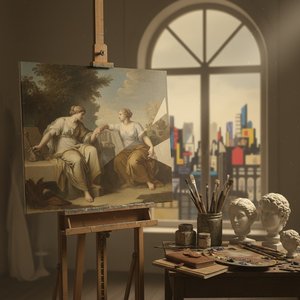
Academic Art: Tradition, Technique & the Rise of Modernism
Explore the rich history of Academic Art – its techniques, key masters like Bouguereau & Ingres, and influence on 19th-century painting. Discover this enduring tradition.

Academic Art: Tradition, Technique & the Pursuit of Ideal Form in the 19th Century
Explore the world of Academic Art! Discover its history, key artists like Ingres & Bouguereau, defining techniques, and lasting influence on 19th-century painting. Learn about the Salon system and its legacy.

Il XIX Secolo nell'Arte: 10 Capolavori da Ammirare e Riscoprire
Esplora i 10 capolavori del XIX secolo! Da Manet a Klimt, scopri la storia e l'arte di dipinti iconici. Impressionismo, realismo e romanticismo ti aspettano su OriginalUniqueArt.com. Scopri tutta la collezione online.