
 Condividi
 Condividi
 Dettagli
 Guida stampabile

 Scarica
 Articoli simili
 Slideshow
 Statistiche
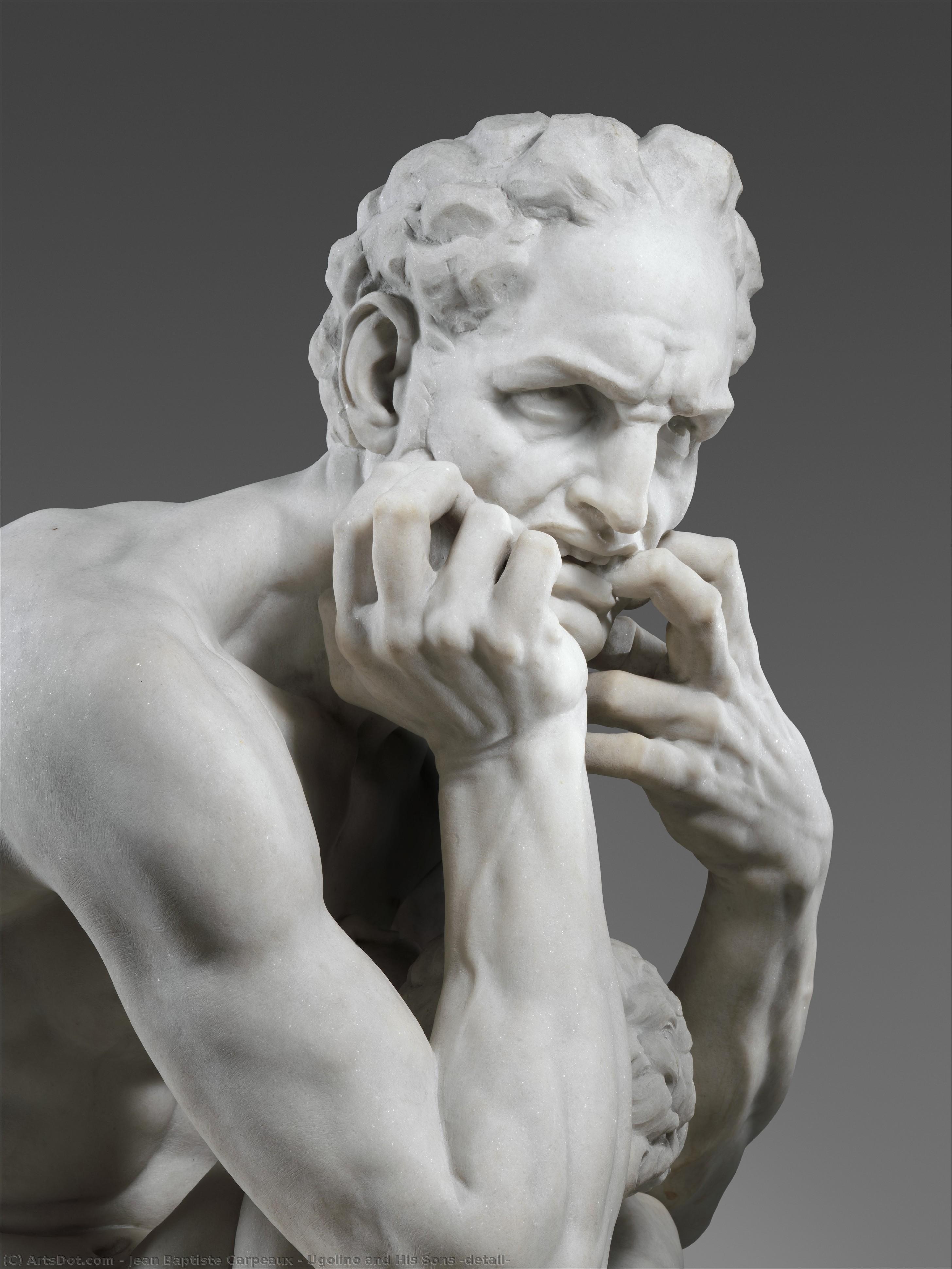
Ugolino and His Sons (detail)


 Leggi tutto
Giclée / Stampe d'arte
Stampa giclée o su tela di qualità museale, con produzione rapida e diverse opzioni di finitura. ( Ordina la riproduzione dipinta a mano Passa all'immagine digitale)




































Scegli tra le nostre dimensioni predefinite, che rispettano le proporzioni originali dell'opera d'arte.

È possibile inserire dimensioni personalizzate per adattare l'opera a una cornice o a uno spazio specifico. Se la dimensione selezionata non corrisponde alle proporzioni dell'immagine originale, procederemo al ritaglio dell'opera o all'estensione dell'immagine con un bordo specchiato o a tinta unita. Un mockup digitale ti verrà inviato per approvazione prima dell'inizio della produzione.
Si prega di notare che l'anteprima a schermo non riflette il ritaglio o l'estensione effettivi. Solo il mockup mostrerà accuratamente la composizione finale.
Sebbene siano disponibili dimensioni personalizzate, si raccomanda di selezionare una dimensione dall'elenco predefinito per preservare le proporzioni originali.
Consegna in tutto il mondo () in 2 settimane invece delle normali 4/5 settimane. (26 Settembre)

Spedizione espressa gratuita in tutto il mondo

Tela in lino di alta qualità

Assicurazione completa sulla spedizione

Garanzia di rimborso dei dazi doganali

Garanzia di perfetta fedeltà cromatica

Politica di reso entro 100 giorni (solo per difetti di fabbricazione)

Garanzia di rimborso al 100%

Sconto per acquisti multipli
 L'opzione vetro è disponibile solo per dimensioni inferiori a 110 cm

Ugolino and His Sons (detail)
Giclée / Stampe d'arte
Dimensioni della riproduzione
-


Prezzo totale
$ 80
A Symphony of Suffering in Marble
In the realm of nineteenth-century sculpture, few works command the viewer's attention with such visceral intensity as Jean-Baptiste Carpeaux’s Ugolino and His Sons. Created in 1865, this masterpiece serves as a profound window into the Romantic movement’s obsession with psychological depth and the raw, unvarnished truth of human suffering. The sculpture draws its harrowing inspiration from Canto XXXIII of Dante Alighieri’s Inferno, recounting the tragic fate of the Florentine noble Ugolino della Gherardesca. Imprisoned within the Torre dei Giganti alongside his children, Ugolino is forced to endure a slow, agonizing starvation—a narrative that Carpeaux translates from the written word into a palpable, breathing form of white marble.
To gaze upon this work is to witness a moment frozen in time, where the boundaries between stone and flesh seem to dissolve. The sculpture does not merely depict a historical or literary figure; it embodies the very essence of despair. Through his masterful command of the medium, Carpe a captures the heavy, suffocating atmosphere of the prison cell, inviting collectors and art enthusiasts alike to contemplate the fragility of the human spirit when faced with insurmountable tragedy.
The Mastery of Realism and Form
Carpeaux’s technical prowess is on full display in the meticulous execution of this piece. Departing from the polished, idealized perfection of Neoclassical traditions, Carpeaux embraced a burgeoning Realism that prioritized anatomical accuracy and expressive movement. The sculptor utilized the luminous qualities of Carrara marble to create a striking contrast between light and shadow, breathing life into the musculature of Ugolino’s torso and the intricate textures of his hair. Every furrow in the brow and every tension in the hands is rendered with such precision that the stone appears almost soft, capturing the tactile reality of skin and bone.
The composition is intentionally intimate, often focusing on the upper torso and head to direct the viewer’s gaze toward the emotional epicenter of the drama. By employing a dynamic, slightly angled perspective, Carpeaux allows the light to dance across the sculpted surfaces, revealing both the profile and frontal aspects of the figure. This technique enhances the sense of three-dimensionality, making the sculpture feel as though it is emerging from its own shadows. For those seeking to incorporate such a profound piece into a curated collection or an elegantly designed interior, the work offers a sophisticated interplay of texture and form that serves as a powerful focal point.
Symbolism and Emotional Resonance
Beyond its technical brilliance, Ugolino and His Sons is a profound study in symbolism. The posture of the figure—hands clasped around the chin in a gesture of profound contemplation and grief—serves as a universal symbol of internal struggle and hopelessness. The way the marble captures the hollows of the face suggests the physical toll of famine, while the heavy, organic shapes of the anatomy reflect the weight of the protagonist's psychological torment. It is a work that speaks to the eternal themes of betrayal, loss, and the endurance of parental love amidst catastrophe.
For the discerning decorator or art lover, a high-quality reproduction of this sculpture offers more than just aesthetic beauty; it brings an atmosphere of intellectual depth and historical gravity to any space. The monochromatic elegance of the white marble allows it to integrate seamlessly into diverse design palettes, whether in a classical study or a contemporary gallery setting. Carpeaux’s ability to transform a moment of literary horror into a sublime object of contemplation ensures that this work remains as captivating today as it was during the Second Empire of France.
Biografia dell'artista
Jean-Baptiste Carpeaux: Una Biografia
- Nato: Valenciennes, Francia (1827)
- Morto: 1875
Primi Anni e Sviluppo Artistico
Jean-Baptiste Carpeaux nacque a Valenciennes, in Francia, nel 1827, da una famiglia di muratori. Questa precoce esposizione alla maestria artigianale influenzò probabilmente i suoi successivi impegni artistici. Inizialmente studiò sotto François Rude, un noto scultore famoso per il suo lavoro sull'Arco di Trionfo. Nel 1844, Carpeaux entrò all'École des Beaux-Arts, affinando ulteriormente le sue capacità e sviluppando la sua visione artistica.
Opere Principali e Realizzazioni Notabili
Carpeaux ottenne un significativo riconoscimento durante la sua carriera, in particolare durante il Secondo Impero sotto Napoleone III. Il suo talento fu formalmente riconosciuto quando vinse il Prix de Rome nel 1854. Questo prestigioso premio gli permise di studiare a Roma, dove trasse ispirazione dai capolavori di Michelangelo, Donatello e Verrocchio.
- Ugolino e i suoi figli: Una scultura potente ed emotivamente carica che si trova al Metropolitan Museum of Art.
- Pêcheur napolitain à la coquille (Pescatore napoletano con conchiglia): Situata nel Musée du Louvre, quest'opera esemplifica il suo stile naturalistico.
- La Danza: Un rilievo alto che adorna la facciata dell'Opéra Garnier a Parigi, che mostra movimento dinamico ed eleganza.
- La negresse (La Negriera): Una sorprendente scultura in argilla che dimostra realismo espressivo e influenze classiche.
Stile e Influenze
Lo stile artistico di Carpeaux è caratterizzato dal suo naturalismo, dinamismo e profondità emotiva. Si allontanò dalla rigida formalità della scultura neoclassica, abbracciando un approccio più fluido ed espressivo. Il suo lavoro riflette le sensibilità estetiche del Secondo Impero, che incorporava elementi da vari stili storici pur utilizzando materiali moderni in modi innovativi.
- Naturalismo: Carpeaux si sforzò di raffigurare figure con accuratezza anatomica e dettaglio realistico.
- Movimento: Catturò abilmente un senso di movimento ed energia nelle sue sculture, distinguendolo da molti artisti contemporanei.
- Emozione: Le sue opere sono permeate di potenti emozioni, trasmettendo narrazioni e profondità psicologica.
Eredità e Influenza
Jean-Baptiste Carpeaux morì il 12 ottobre 1875, ma la sua influenza continua a risuonare nel mondo dell'arte. È ora riconosciuto come uno dei più importanti scultori del XIX secolo, un precursore di Auguste Rodin, il cui lavoro si basava sulle innovazioni di Carpeaux nella cattura del movimento e dell'emozione. Le sue sculture sono esposte in musei prestigiosi in tutto il mondo, tra cui il Musée d'Orsay a Parigi.
- Studenti: Tra i suoi studenti più notevoli figurano Jules Dalou, Jean-Louis Forain e lo scultore americano Olin Levi Warner.
- Precursore di Rodin: L'enfasi di Carpeaux sul naturalismo e sul movimento espressivo aprì la strada alle sculture rivoluzionarie di Rodin.
Per maggiori informazioni su Jean-Baptiste Carpeaux e le sue opere, visita OriginalUniqueArt.com.

Jean-Baptiste Carpeaux
1827 - 1875 , Francia
Informazioni rapide
- Artistic Movement Or Style: Realismo, Second Empire
- Artists Or Movements Influenced By This Artist:
- Jules Dalou
- Jean-Louis Forain
- Olin Levi Warner
- Artists Who Influenced This Artist:
- Michelangelo
- Donatello
- Verrocchio
- François Rude
- Date Of Birth: 1827
- Date Of Death: 1875
- Full Name: Jean-Baptiste Carpeaux
- Nationality: Francese
- Notable Artworks:
- Pêcheur napolitain à la coquille
- La Danse
- Ugolino e i suoi figli
- La negresse
- Place Of Birth (City And Country): Valenciennes, Francia
Articoli correlati

The Enduring Form: Exploring Themes & Techniques in Sculpture Across Historical Periods
Explore the rich history of sculpture from ancient masterpieces to contemporary innovations. Discover key techniques, influential artists & investment potential for discerning art collectors.

Jean-Baptiste Carpeaux: Sculpting Passion & Controversy in 19th-Century France
Explore the passionate life & controversial works of Jean-Baptiste Carpeaux, a leading French sculptor of the Second Empire. Discover his realism, iconic sculptures like 'Ugolino,' and lasting legacy as a precursor to Rodin.

The Enduring Form: Sculpture Across History, Technique & Emotional Resonance
Explore the rich history of sculpture with OriginalUniqueArt. Discover key techniques, influential artists & investment potential for discerning collectors. Expert insights into valuing and collecting timeless masterpieces.

Dante Gabriel Rossetti: I 25 Capolavori che Definiscono un Maestro del Simbolismo
Esplora i 25 capolavori di Dante Gabriel Rossetti, pittore preraffaellita simbolo del romanticismo vittoriano. Scopri storie, tecniche e colori unici delle sue opere più famose. Trova riproduzioni d'arte di alta qualità per la tua casa su OriginalUniqueArt.com

I 10 Capolavori Bronzei che Hanno Rivoluzionato la Storia dell'Arte | OriginalUniqueArt
Esplora i 10 capolavori bronzei che hanno segnato la storia dell'arte! Da Rodin a Michelangelo, scopri le storie e le tecniche dietro queste sculture iconiche. Trova riproduzioni d'arte di alta qualità per decorare la tua casa con OriginalUniqueArt.com.
