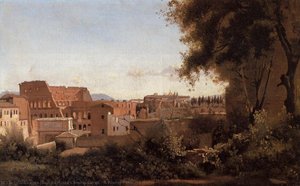
Anteprima in scala reale
 Invia
Invia Condividi
 Dettagli opera
 Guida
Guida

 Scarica
 Simili
 Radiografia
 Slideshow
 Statistiche
Monaco con il Violoncello


 Espandi i dettagli
Giclée / Stampe d'arte
Stampa giclée o su tela di qualità museale, con produzione rapida e diverse opzioni di finitura. ( Acquista il dipinto realizzato a mano Passa all'immagine digitale)




P118B €10

P118H €10

P118W €10

P438Z €10

P508JH €12

P508YH €12

P805H €10

P805Z €10

P919BZ €10

P919G €10

P919XJ €10

P959ZH €10

P968JZ €12

W106C €8

W218G €10

W218JH €8

W218Y €10

W307PJ €10

W316G €10

W316PJ €8

W316Y €10

W398PJ €8

W4111J €10

W500HY €15

W500JH €15

W692G €12

W849H €8

W940BG €15

W953PJ €8




Scegli tra le nostre dimensioni predefinite, che rispettano le proporzioni originali dell'opera d'arte.

Inserisci la larghezza e l'altezza desiderate, per adattarle alla tua cornice o alla tua parete. Una stampa può essere solo ritagliata, mai resa più grande dell'immagine originale; pertanto, un formato con una forma differente comporterà la perdita di una parte dell'opera. Ti invieremo un mockup digitale da approvare prima di procedere con la stampa. L'immagine mostrata in questa pagina non rappresenta il ritaglio reale — solo il mockup lo mostra.
Consegna in tutto il mondo () in 2 settimane invece delle normali 4/5 settimane. (28 Ottobre)

Spedizione espressa gratuita in tutto il mondo

Tela in lino di alta qualità

Assicurazione completa sulla spedizione

Garanzia di rimborso dei dazi doganali

Garanzia di fedeltà cromatica assoluta

Politica di reso entro 100 giorni (solo per difetti di fabbricazione)

Garanzia di rimborso al 100%

Offerta per acquisti multipli
 L'opzione vetro è disponibile solo per dimensioni inferiori a 110 cm

Monaco con il Violoncello
Giclée / Stampe d'arte
Dimensioni riproduzione
-


Prezzo finale calcolato
€ 70
A Moment of Contemplation: Exploring Jean Baptiste Camille Corot’s “Monk with a Cello”
Jean-Baptiste-Camille Corot's "Monk with a Cello," painted in 1874, transcends mere depiction; it embodies the very essence of Impressionistic serenity. Situated within the Hamburger Kunsthalle’s collection, this unassuming canvas holds profound artistic merit and invites viewers to delve into its layered narrative – a story whispered through delicate brushstrokes and bathed in the soft glow of atmospheric light.Subject Matter and Composition
The painting portrays an elderly gentleman seated upon the earth, cradling a cello close to his chest. His face is framed by long white hair and a bald head, accentuated by spectacles—details that convey both wisdom and vulnerability. The cello itself isn’t merely an instrument; it's presented as an extension of his being, symbolizing introspection and perhaps a respite from the demands of performance. Corot skillfully arranges the figure against a muted landscape backdrop, prioritizing balance and harmony. This deliberate compositional choice directs the eye inwards, fostering contemplation rather than outward observation—a hallmark of Corot’s artistic philosophy.Style and Technique: Impressionistic Reverie
Corot firmly established himself as a pioneer of Impressionism, though he resisted categorization within rigid stylistic boundaries. “Monk with a Cello” exemplifies his characteristic approach – prioritizing tonal variation and capturing fleeting moments of light rather than striving for photographic realism. The artist employs loose brushstrokes, blending colors seamlessly to create an ethereal atmosphere. Warm hues dominate the palette—primarily ochres and browns—suggesting warmth and comfort while simultaneously grounding the scene in naturalism. Corot’s meticulous attention to detail is evident in the subtle rendering of textures – particularly on the monk's clothing and the cello’s surface – contributing to the painting’s tactile quality.Historical Context: The Spirit of Rural France
Painted during a period of significant artistic experimentation, “Monk with a Cello” reflects the broader preoccupation with capturing the beauty of the French countryside prevalent in Impressionism. Following the Franco-Prussian War and amidst growing urbanization, artists like Corot sought solace and inspiration in rural landscapes—a reaction against industrialization’s encroaching influence. The painting speaks to the Romantic ideal of communion with nature, mirroring the movement's fascination with sublime vistas and emotional resonance. It aligns perfectly with the broader artistic currents of its time, demonstrating Corot’s commitment to portraying authentic human experience within a natural setting.Symbolism: Silence and Reflection
Beyond its visual beauty, “Monk with a Cello” carries symbolic weight. The cello itself represents musical contemplation—a deliberate pause for reflection amidst the bustle of daily life. Its placement in the figure's lap underscores this theme, suggesting an inner world rich in emotion and thought. The muted landscape serves as a backdrop to this internal journey, symbolizing tranquility and spiritual serenity. Corot’s masterful use of color and light reinforces these ideas, creating an image that invites viewers to contemplate profound questions about existence and beauty.Emotional Impact: A Balm for the Soul
Ultimately, “Monk with a Cello” succeeds in conveying a palpable sense of peace and quietude—a rare achievement in art history. Corot’s understated technique allows the painting's emotional core to shine through without resorting to overt sentimentality. It evokes feelings of nostalgia, contemplation, and appreciation for simple pleasures. Like other works by Corot, it invites viewers to reconnect with their own inner selves and find solace in the beauty of the natural world—a timeless testament to the artist’s enduring vision.Domande e risposte
"Monaco con il Violoncello" è disponibile come stampa d'arte di alta qualità?
Per ordinare una stampa di "Monaco con il Violoncello" di Jean-Baptiste-Camille Corot, ti basta cercarla nella sua pagina dedicata Stampa Fine Art: una stampa fine art su tela di cotone o carta canvas d'archivio.
Quale tecnica è stata utilizzata per "Monaco con il Violoncello" e in che anno è stata realizzata?
La tecnica di "Monaco con il Violoncello" di Jean-Baptiste-Camille Corot è Olio su tela e l'opera risale al 1874.
Quale uso si consiglia per "Monaco con il Violoncello" di Jean-Baptiste-Camille Corot?
L'uso suggerito per "Monaco con il Violoncello" di Jean-Baptiste-Camille Corot è Accento cromatico. Può essere impiegato anche per altri scopi.
Biografia dell'artista
La Vita e la Formazione di Jean-Baptiste-Camille Corot
Jean-Baptiste-Camille Corot, un rinomato pittore francese di paesaggi e ritratti, nacque il 16 luglio 1796 a Parigi. La sua famiglia, appartenente alla borghesia, gli fornì un ambiente favorevole all'esplorazione delle sue inclinazioni artistiche. Inizialmente, gli interessi di Corot erano rivolti ad altri campi, ma intorno al 1821 scoprì la sua passione per la pittura. Questo segnò l'inizio della sua prolifica carriera, che avrebbe successivamente influenzato lo sviluppo dell'Impressionismo.La Carriera Artistica e le Opere Principali
Il percorso artistico di Corot è caratterizzato da una fusione tra la tradizione neoclassica e le innovazioni en plein air (pittura all’aria aperta). Corot fu un pioniere nell'approccio alla pittura di paesaggio, dedicandosi a studi dal vero che catturavano l'atmosfera e la luce del momento. Alcune delle sue opere più notevoli includono:- The Repose (olio su tela, circa 1860s), un'opera affascinante che mostra la maestria di Corot nel catturare l'essenza della serenità.
- Interrupted Reading (realismo, olio, circa 1850s), un esempio toccante dell'abilità di Corot nel ritrarre la vita quotidiana con profondità ed emozione.
- Agostina (realismo, olio, circa 1860s), un ritratto straordinario che esemplifica l'abilità di Corot nel catturare l'essenza dei suoi soggetti.
Influenze, Sviluppo Artistico e Innovazioni
Corot fu influenzato inizialmente dalla pittura neoclassica, ma presto sviluppò un suo stile distintivo. La sua sperimentazione con la pittura en plein air lo portò a catturare la luce e l'atmosfera in modo innovativo per il suo tempo. La sua tecnica consisteva spesso nell’iniziare i dipinti all’aperto, catturando gli effetti della luce naturale, per poi completarli in studio, aggiungendo dettagli e riflettendo sulla composizione generale. Questo approccio ha contribuito a creare un'atmosfera sognante e malinconica che caratterizza molte delle sue opere. Corot fu anche influenzato dai paesaggisti inglesi, come John Constable e J.M.W. Turner, che lo incoraggiarono ad abbracciare la pittura di paesaggio en plein air.Eredità e Significato Storico
L'opera vasta di Corot ha avuto un impatto duraturo sullo sviluppo della pittura di paesaggio. Il suo approccio innovativo, combinando tecniche tradizionali con innovazioni en plein air, ha aperto la strada alle generazioni future di artisti, in particolare agli Impressionisti. Artisti come Monet, Renoir e Pissarro riconobbero il debito che avevano nei confronti di Corot per la sua capacità di catturare l'atmosfera e la luce del paesaggio. Corot è considerato una figura chiave nella transizione dalla pittura neoclassica all’Impressionismo, un ponte tra due epoche artistiche. Scopri maggiori informazioni sui dipinti di Jean-Baptiste-Camille Corot su OriginalUniqueArt.com: https://OriginalUniqueArt.com/@/jean-baptiste-camille-corot Approfondisci la conoscenza del Musée Courbet su Wikipedia: https://en.wikipedia.org/wiki/mus%c3%a9e_courbet_(ornans,_france)
Jean-Baptiste-Camille Corot
1796 - 1875 , Francia
Dettagli rapidi
- Artisti Che Hanno Influenzato Questo Artista: ['Neo-classicismo']
- Artisti O Movimenti Influenzati Da Questo Artista: ['Impressionismo']
- Data Di Nascita: 16 luglio 1796
- Full Name: Jean-Baptiste-Camille Corot
- Luogo Di Nascita: Parigi, Francia
- Movimento Artistico: Realismo, Impressionismo
- Nazionalità: Francese
- Notable Artworks:
- The Repose
- Interrupted Reading
- Agostina
Articoli correlati
Jean-Baptiste-Camille Corot: Il Poeta del Paesaggio tra Barbizon e le Origini dell'Impressionismo
Esplora la vita e le opere di Jean-Baptiste-Camille Corot, figura chiave della Scuola di Barbizon e precursore dell'Impressionismo. Analisi approfondita del suo stile unico e della sua influenza sulla pittura paesaggistica ottocentesca.

Paul Cézanne: I 25 Capolavori che Hanno Rivoluzionato l'Arte Moderna | OriginalUniqueArt
Esplora i 25 capolavori di Paul Cézanne, il maestro dell'impressionismo e post-impressionismo. Scopri la storia, le tecniche e i colori iconici dietro opere come 'Le grandi bagnanti' e 'Mont Sainte-Victoire'. Trova riproduzioni artistiche di alta qualità per decorare la tua casa su OriginalUniqueArt.com.

Evocations of Place: A Historical Journey Through Landscape Art
Explore the rich history of landscape art with OriginalUniqueArt. Discover renowned artists, movements like Impressionism & Romanticism, and expert guidance for collecting timeless pieces. Find your perfect serene escape today!
Master of Light: Exploring the Timeless Landscapes and Atmospheric Brilliance of Jean-Baptiste-Camille Corot
Discover the ethereal beauty of Jean-Baptiste-Camille Corot. Explore how this master of light bridged Neoclassicism and Impressionism through his atmospheric landscapes, capturing the timeless essence of the French countryside with unparalleled poetic brilliance.

I 10 Capolavori Impressionisti che Hanno Rivoluzionato il Paesaggio Pittorico
Esplora i 10 capolavori impressionisti che hanno rivoluzionato il paesaggio pittorico! Monet, Renoir e altri maestri catturati in stampe su tela di alta qualità. Scopri la storia dell'arte e trova l'opera perfetta per arredare casa tua con OriginalUniqueArt.com.