

 Anteprima in scala reale
 Condividi
 Condividi
 Dettagli
 Guida stampabile

 Scarica
 Articoli simili
 Radiografia
 Slideshow
 Statistiche
Still-Life
 Oil On Canvas
- WallArt
- Baroque
 86.0 x 68.0 cm
 Museo dell'Ermitage
 Leggi tutto
Giclée / Stampe d'arte
Stampa giclée o su tela di qualità museale, con produzione rapida e diverse opzioni di finitura. ( Ordina la riproduzione dipinta a mano Passa all'immagine digitale)




P118B $10

P118H $10

P118W $10

P438Z $10

P508JH $12

P508YH $12

P805H $10

P805Z $10

P919BZ $10

P919G $10

P919XJ $10

P959ZH $10

P968JZ $12

W106C $8

W218G $10

W218JH $8

W218Y $10

W307PJ $10

W316G $10

W316PJ $8

W316Y $10

W398PJ $8

W4111J $10

W500HY $15

W500JH $15

W692G $12

W849H $8

W940BG $15

W953PJ $8




Scegli tra le nostre dimensioni predefinite, che rispettano le proporzioni originali dell'opera d'arte.

È possibile inserire dimensioni personalizzate per adattare l'opera a una cornice o a uno spazio specifico. Se la dimensione selezionata non corrisponde alle proporzioni dell'immagine originale, procederemo al ritaglio dell'opera o all'estensione dell'immagine con un bordo specchiato o a tinta unita. Un mockup digitale ti verrà inviato per approvazione prima dell'inizio della produzione.
Si prega di notare che l'anteprima a schermo non riflette il ritaglio o l'estensione effettivi. Solo il mockup mostrerà accuratamente la composizione finale.
Sebbene siano disponibili dimensioni personalizzate, si raccomanda di selezionare una dimensione dall'elenco predefinito per preservare le proporzioni originali.
Consegna in tutto il mondo () in 2 settimane invece delle normali 4/5 settimane. (27 Settembre)

Spedizione espressa gratuita in tutto il mondo

Tela in lino di alta qualità

Assicurazione completa sulla spedizione

Garanzia di rimborso dei dazi doganali

Garanzia di perfetta fedeltà cromatica

Politica di reso entro 100 giorni (solo per difetti di fabbricazione)

Garanzia di rimborso al 100%

Sconto per acquisti multipli
 L'opzione vetro è disponibile solo per dimensioni inferiori a 110 cm

Still-Life
Giclée / Stampe d'arte
Dimensioni della riproduzione
-


Prezzo totale
$ 80
A Glimpse into Baroque Grandeur: Jan Weenix’s “Still Life with a Monkey”
Jan Weenix's "Still Life with a Monkey," painted around 1697, is more than just a depiction of fruit and game; it’s a meticulously crafted window into the opulent world of Dutch Golden Age society. This remarkable piece, currently housed within the Hermitage Museum in St. Petersburg, Russia, offers a captivating blend of realism, theatricality, and subtle symbolism that continues to intrigue viewers centuries after its creation. Weenix, trained by his father Jan Baptist Weenix – himself a master of animal and still life painting – inherited a legacy of artistic precision and an appreciation for the natural world, but he quickly established his own distinctive style characterized by dramatic lighting, rich textures, and a keen eye for detail.
The composition immediately draws the viewer’s attention to a striking monkey perched on a ledge within a richly appointed interior. This isn't merely a decorative element; the monkey is the focal point, radiating an almost mischievous energy as it holds an apple in its hand. Surrounding this central figure are an abundance of carefully arranged objects: luscious grapes spilling from a basket, a plump pear glistening with ripeness, and a selection of game birds – a pheasant, a partridge, and a dove – all rendered with astonishing realism. The background is equally elaborate, featuring a large bird being plucked by two smaller birds, creating a dynamic and slightly unsettling tableau. The entire scene unfolds against the backdrop of a grand room, hinting at wealth and status—a testament to Weenix’s ability to seamlessly integrate elements of both naturalism and interior design.
Technique and Materials: A Masterclass in Baroque Realism
Weenix's mastery lies not only in his subject matter but also in his technical execution. He employed the oil painting technique with exceptional skill, layering thin glazes to achieve a remarkable sense of depth and luminosity. Notice how he captures the textures of the fruit – the velvety skin of the pear, the plumpness of the grapes – using subtle variations in color and brushstroke. The lighting is dramatic and carefully considered, casting strong shadows that accentuate the forms and create a sense of three-dimensionality. The use of chiaroscuro—the contrast between light and dark—is particularly effective in highlighting the monkey’s posture and drawing attention to its expressive face.
Furthermore, Weenix's meticulous observation of nature is evident throughout the painting. He studied animal anatomy with a keen eye, capturing their movements and expressions with remarkable accuracy. The arrangement of the game birds suggests a successful hunt, reflecting the importance of hunting in Dutch society at the time. The inclusion of the monkey adds an element of surprise and intrigue, hinting at the exotic and worldly influences that were increasingly prevalent in the Netherlands during the 17th century.
Symbolism and Context: A Window into Dutch Society
Beyond its aesthetic beauty, “Still Life with a Monkey” is rich in symbolism. The monkey itself has been interpreted as representing various concepts – from folly and deception to the fleeting nature of pleasure. Its holding of the apple can be seen as an allusion to the biblical story of Adam and Eve, suggesting a cautionary tale about temptation and indulgence. The presence of the hunting scene reflects the importance of hunting in Dutch society, not just for sustenance but also as a demonstration of wealth and status. The grand interior setting underscores the prosperity and sophistication of the merchant class who commissioned such elaborate artworks.
Painted during the Baroque period, this work embodies many of the key characteristics of the style: dramatic lighting, rich colors, complex compositions, and an emphasis on realism. However, Weenix’s approach is distinct from that of other Baroque painters, particularly in his use of light and shadow to create a sense of depth and atmosphere. The painting also reflects the growing interest in natural history and scientific observation during this period, as artists sought to accurately depict the world around them.
A Timeless Masterpiece: Reproductions and Beyond
Today, “Still Life with a Monkey” remains one of Jan Weenix’s most celebrated works. Its captivating composition, masterful technique, and rich symbolism continue to resonate with viewers centuries after its creation. High-quality reproductions offer an accessible way to appreciate the beauty and complexity of this remarkable painting. Whether displayed in a grand salon or a cozy corner, a reproduction of “Still Life with a Monkey” can bring a touch of Baroque grandeur into any setting, serving as a reminder of the artistic brilliance of the Dutch Golden Age.
Biografia dell'artista
Jan Weenix: Vita e Eredità
Jan Weenix (1641-1719) è stato un pittore olandese barocco di spicco, celebre per le sue ricche rappresentazioni di nature morte di caccia, pezzi di selvaggina e paesaggi. La sua opera incarna lo spirito artistico dell'Età d'Oro, mostrando sia maestria tecnica che un acuto senso dell'osservazione del mondo naturale.
Primi Anni di Vita e Sviluppo Artistico
Nato ad Amsterdam, nei Paesi Bassi, nel 1641, Jan Weenix seguì le orme del padre come artista. Suo padre, Jan Baptist Weenix, era anch'egli un pittore rispettato specializzato in soggetti simili. Questa influenza familiare si è rivelata cruciale per lo sviluppo artistico precoce di Jan. Inizialmente ha lavorato sotto la guida del padre, imparando le tecniche della pittura di nature morte e della rappresentazione degli animali.
Influenze e Stile Artistico
Lo stile di Jan Weenix riflette le influenze di diversi artisti chiave del suo tempo. Suo padre gli ha instillato un amore per il realismo dettagliato e le vivaci palette cromatiche. È stato influenzato anche da pittori come Hendrick Cornelisz Vroom, noto per i dipinti marini, e potenzialmente da altri specializzati in opere animaliere come Melchior de Hondecoeter e Gillis Claesz d'Hondecoeter.
Lo stile artistico di Weenix è caratterizzato da:
- Rappresentazione precisa delle texture – pelliccia, piume e foglie sono raffigurate con notevole accuratezza.
- Uso drammatico della luce e dell'ombra (chiaroscuro) per creare profondità e interesse visivo.
- Una vivace palette di colori che dà vita ai suoi soggetti.
- Abilità compositiva nell'organizzazione degli elementi all'interno del fotogramma.
Opere Principali e Realizzazioni
Nel corso della sua carriera, Jan Weenix ha prodotto un considerevole corpo di lavoro. Alcuni dei suoi dipinti più notevoli includono:
- Hunting and Fruit Still Life next to a Garden Vase (1714) – Una composizione complessa che mostra selvaggina, frutta e elementi architettonici.
- Still Life with a Hare and other Game (1697) – Dimostra la sua maestria nella rappresentazione dell'anatomia e della texture degli animali.
- A Seated Monkey (prima del 1685) - Mostra la sua capacità di catturare la personalità nei ritratti di animali.
- The White Peacock – Una raffigurazione suggestiva di un magnifico uccello, che evidenzia l'abilità di Weenix con il colore e i dettagli.
Ha anche ricevuto commissioni da importanti mecenati, inclusa un invito alla corte di Johann Wilhelm, Elettore Palatino, dove ha lavorato insieme ad altri artisti rinomati.
Significato Storico
Jan Weenix ha svolto un ruolo significativo nella popolarizzazione delle nature morte di caccia e dei dipinti di selvaggina durante il periodo barocco. Le sue opere sono state molto richieste dai collezionisti e hanno contribuito allo sviluppo delle tradizioni artistiche olandesi. Ha aiutato a elevare questi generi al di là della semplice decorazione, infondendoli di un senso di realismo, dramma e bellezza estetica.
Sua figlia, Maria Weenix, ha continuato la tradizione familiare come pittrice di fiori abile, consolidando ulteriormente il nome Weenix negli annali dell'arte olandese. L'eredità di Jan Weenix continua a ispirare gli artisti e a catturare il pubblico con le sue magistrali rappresentazioni del mondo naturale.
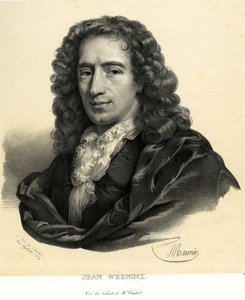
Jan Weenix
1641 - 1719 , Netherlands
Informazioni rapide
- Artistic Movement Or Style: Dutch Baroque
- Artists Who Influenced This Artist:
- Jan Baptist Weenix
- Hendrick Vroom
- Date Of Birth: Amsterdam, Netherlands (1641)
- Date Of Death: Amsterdam, Netherlands (1719)
- Full Name: Jan Weenix
- Nationality: Dutch
- Notable Artworks:
- Hunting and Fruit Still Life
- Still Life with a Hare
- Place Of Birth: Amsterdam
Articoli correlati

Jan Jansz Wijnants: A Study in Dutch Golden Age Still Life & Floral Transience
Explore the captivating world of Jan Wijnants and Dutch Golden Age still life painting. Discover symbolism, masterful techniques & lasting influence on floral art history. Learn more!
Jan Steen e la Vivacità della Vita Quotidiana: Un Maestro del Genere Olandese nell'Età dell'Oro
Esplora la vita e le opere di Jan Steen, maestro del genere pittorico olandese. Analisi approfondita dello stile, del simbolismo e dell'eredità artistica di questo icona del Secolo d'Oro.

Golden Age Reflections: Dutch Baroque Painting & Cultural Innovation
Explore the Dutch Golden Age of painting! Discover key artists like Vermeer & ter Borch, their innovative techniques, and the rich cultural context behind these Baroque masterpieces. Learn about collecting & appreciating this iconic art period.
Abraham Hendricksz van Beyeren: Pioneering Dutch Still Life & the Banquet Tradition
Explore the captivating world of Dutch Golden Age still life with Abraham van Beyeren. Discover his innovative techniques, symbolic banquet scenes & lasting influence on art history. Learn about collecting these masterpieces.

I 10 Capolavori del Barocco Olandese che Hanno Definito un'Epoca | OriginalUniqueArt
Esplora i 10 capolavori del Barocco olandese con OriginalUniqueArt. Scopri Rembrandt, Vermeer e altri maestri. Quadri antichi, luce intensa e storie affascinanti per decorare la tua casa con arte di qualità museale. Esplora la collezione online!


