
 Anteprima in scala reale
 Condividi
 Condividi
 Dettagli

 Scarica immagine
 Articoli simili
 Radiografia
 Slideshow
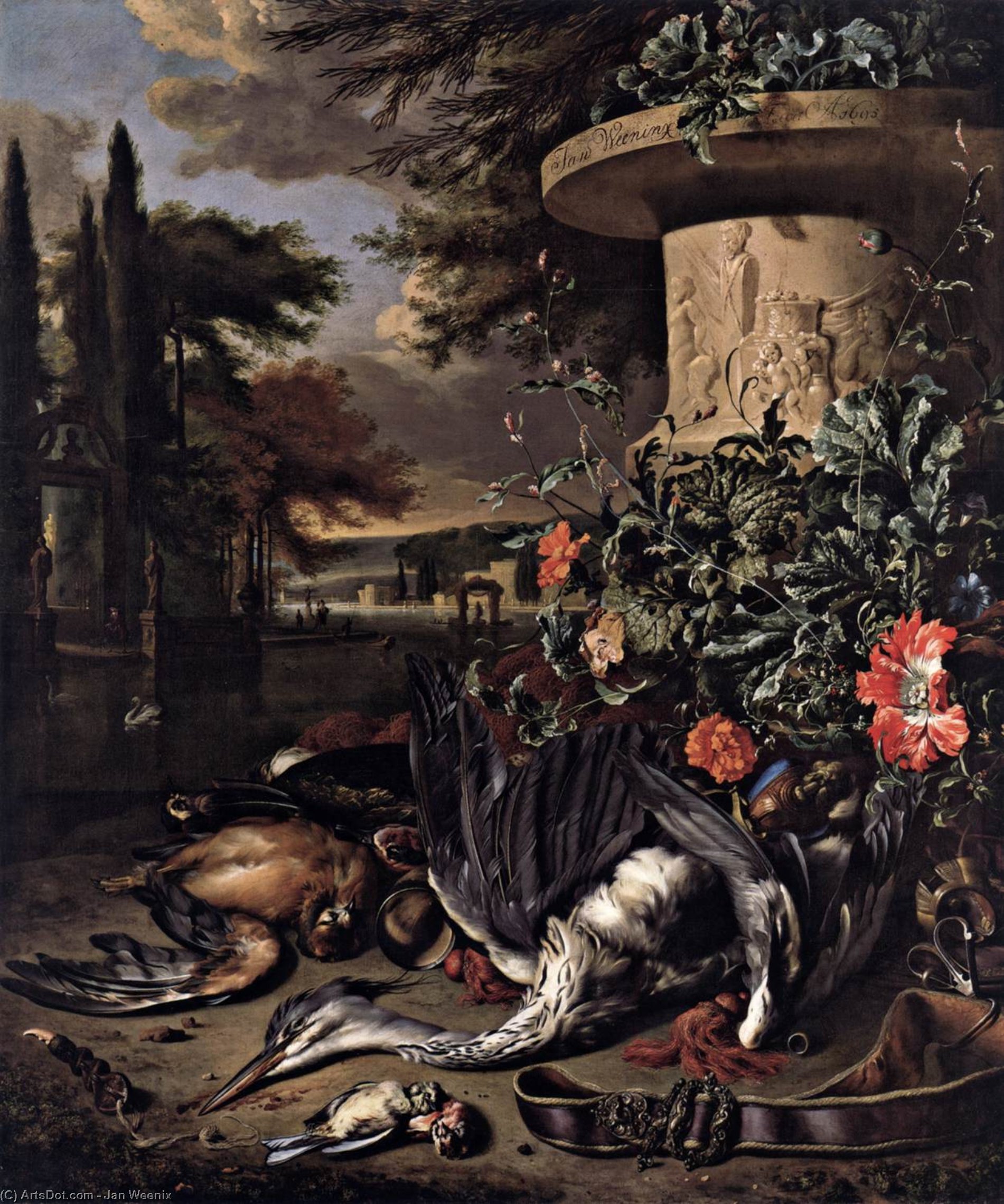
Gamepiece with a Dead Heron
 Acrylic On Canvas
- WallArt
- Dutch Golden Age
 1695
1695 134.0 x 111.0 cm
 Metropolitan Museum of Art
 Leggi tutto
Riproduzione a olio fatta a mano
Olio su tela dipinto a mano nelle tue dimensioni e con la tua cornice, realizzato su ordinazione dai nostri artisti. ( Ordina stampa Acquista download)




P118B $10

P118H $10

P118W $10

P438Z $10

P508JH $12

P508YH $12

P805H $10

P805Z $10

P919BZ $10

P919G $10

P919XJ $10

P959ZH $10

P968JZ $12

W106C $8

W218G $10

W218JH $8

W218Y $10

W307PJ $10

W316G $10

W316PJ $8

W316Y $10

W398PJ $8

W4111J $10

W500HY $15

W500JH $15

W692G $12

W849H $8

W940BG $15

W953PJ $8




Scegli tra le nostre dimensioni predefinite, che rispettano le proporzioni originali dell'opera d'arte.

È possibile inserire dimensioni personalizzate per adattare l'opera a una cornice o a uno spazio specifico. Se la dimensione selezionata non corrisponde alle proporzioni dell'immagine originale, provvederemo a ritagliare l'opera o a estendere il dipinto con elementi aggiuntivi dipinti a mano. Un mockup digitale ti sarà inviato per approvazione prima dell'inizio della produzione.
Si prega di notare che l'anteprima a schermo non riflette il ritaglio o l'estensione effettivi. Solo il mockup mostrerà accuratamente la composizione finale.
Sebbene siano disponibili dimensioni personalizzate, consigliamo di selezionare una dimensione dall'elenco predefinito per preservare le proporzioni originali.
Dopo l'ordine, il team di OriginalUniqueArt.com contatterà il cliente via e-mail per le istruzioni e fornirà un'anteprima del mockup
Consegna in tutto il mondo () in 3/4 settimane anziché nelle normali 5 settimane. (19 Agosto). Nessun compromesso sulla qualità.

Spedizione espressa gratuita in tutto il mondo

Tela in lino di alta qualità

Assicurazione completa sulla spedizione

Garanzia di rimborso dei dazi doganali

Garanzia di fedeltà cromatica dell'originale

Politica di reso entro 60 giorni (solo per difetti di fabbricazione)

Garanzia di rimborso al 100%

Sconto per acquisti multipli
 L'opzione vetro è disponibile solo per dimensioni inferiori a 110 cm

Gamepiece with a Dead Heron
Tecnica di riproduzione
Dimensioni della riproduzione
-


Prezzo totale
$ 300
Descrizione dell'opera
A Study in Mortality and Courtly Grace: Jan Weenix’s “Gamepiece with a Dead Heron”
Jan Weenix's "Gamepiece with a Dead Heron," painted in 1695, is more than just a still life; it’s a meticulously crafted tableau of aristocratic leisure intertwined with the poignant beauty of death. This remarkable canvas, now housed within The Metropolitan Museum of Art, offers a captivating glimpse into the Dutch Golden Age, revealing not only the artist's exceptional technical skill but also his astute understanding of social dynamics and the evolving aesthetics of the time. The painting immediately draws the eye to its central subject: a heron lying prone on a bed of moss, its elegant neck outstretched in a gesture both vulnerable and dignified. Around it, a carefully arranged collection of game – rabbits, partridges, and other birds – contributes to the composition’s rich tapestry of textures and colors. Yet, it's not merely a display of hunting trophies; Weenix masterfully integrates these elements into a broader scene, suggesting a sophisticated courtly setting.The Anatomy of a Hunting Trophy: Technique and Detail
Weenix was renowned for his ability to render the textures of animal hides with astonishing realism – a skill honed through years of observation and practice. Notice the subtle variations in color and sheen across the heron’s feathers, meticulously captured with delicate brushstrokes. The artist's use of chiaroscuro—the dramatic interplay of light and shadow—further enhances the sense of depth and volume, imbuing each animal with a palpable presence. Beyond the individual animals, Weenix demonstrates an impressive command of composition, arranging the trophies in a way that feels both natural and deliberately staged. The inclusion of a large neoclassical urn, partially obscured by the fallen birds, adds a layer of formality to the scene, hinting at the wealth and status of its intended patron – likely a member of the European aristocracy. The painting’s palette is rich and earthy, dominated by browns, greens, and ochres, creating a sense of groundedness and realism that was characteristic of Dutch still life painting during this period.Symbolism and Social Commentary: Beyond the Hunt
While ostensibly depicting a successful hunt, “Gamepiece with a Dead Heron” carries deeper symbolic weight. The presence of dead animals speaks to the transient nature of beauty and the inevitability of death – a recurring theme in Dutch Golden Age art. However, Weenix doesn’t present this mortality as morbid; instead, he frames it within the context of aristocratic leisure, suggesting that even amidst the pursuit of pleasure, death is an unavoidable aspect of life. The inclusion of figures strolling in the background—likely members of the noble class—further reinforces this idea, implying a detachment from the realities of everyday existence. The urn itself can be interpreted as a symbol of wealth and status, while its partially obscured position suggests a subtle critique of excessive materialism. It’s a delicate balancing act – celebrating the opulence of the court while simultaneously acknowledging its inherent fragility.A Legacy of Dutch Realism: Jan Weenix and His Artistic Circle
Jan Weenix's work is inextricably linked to his father, Jan Baptist Weenix, with whom he shared a workshop and artistic vision. Both artists were masters of depicting hunting scenes and still lifes of game, but Jan Weenix developed a distinctive style characterized by greater detail, richer colors, and a more sophisticated understanding of composition. He was part of a vibrant artistic circle in Antwerp, alongside figures like Frans Snyders and Peter Paul Rubens, all of whom contributed to the flourishing of Flemish Baroque painting. His work reflects both the influence of his father’s legacy and his own innovative approach to rendering natural forms. The painting's provenance—having been seized by the Nazis during World War II and subsequently restituted to its rightful owner—adds another layer of historical significance, reminding us of the enduring power of art to transcend political boundaries. Today, reproductions of “Gamepiece with a Dead Heron” continue to captivate viewers, offering a timeless meditation on beauty, mortality, and the complexities of aristocratic life.Biografia dell'artista
Jan Weenix: Vita e Eredità
Jan Weenix (1641-1719) è stato un pittore olandese barocco di spicco, celebre per le sue ricche rappresentazioni di nature morte di caccia, pezzi di selvaggina e paesaggi. La sua opera incarna lo spirito artistico dell'Età d'Oro, mostrando sia maestria tecnica che un acuto senso dell'osservazione del mondo naturale.
Primi Anni di Vita e Sviluppo Artistico
Nato ad Amsterdam, nei Paesi Bassi, nel 1641, Jan Weenix seguì le orme del padre come artista. Suo padre, Jan Baptist Weenix, era anch'egli un pittore rispettato specializzato in soggetti simili. Questa influenza familiare si è rivelata cruciale per lo sviluppo artistico precoce di Jan. Inizialmente ha lavorato sotto la guida del padre, imparando le tecniche della pittura di nature morte e della rappresentazione degli animali.
Influenze e Stile Artistico
Lo stile di Jan Weenix riflette le influenze di diversi artisti chiave del suo tempo. Suo padre gli ha instillato un amore per il realismo dettagliato e le vivaci palette cromatiche. È stato influenzato anche da pittori come Hendrick Cornelisz Vroom, noto per i dipinti marini, e potenzialmente da altri specializzati in opere animaliere come Melchior de Hondecoeter e Gillis Claesz d'Hondecoeter.
Lo stile artistico di Weenix è caratterizzato da:
- Rappresentazione precisa delle texture – pelliccia, piume e foglie sono raffigurate con notevole accuratezza.
- Uso drammatico della luce e dell'ombra (chiaroscuro) per creare profondità e interesse visivo.
- Una vivace palette di colori che dà vita ai suoi soggetti.
- Abilità compositiva nell'organizzazione degli elementi all'interno del fotogramma.
Opere Principali e Realizzazioni
Nel corso della sua carriera, Jan Weenix ha prodotto un considerevole corpo di lavoro. Alcuni dei suoi dipinti più notevoli includono:
- Hunting and Fruit Still Life next to a Garden Vase (1714) – Una composizione complessa che mostra selvaggina, frutta e elementi architettonici.
- Still Life with a Hare and other Game (1697) – Dimostra la sua maestria nella rappresentazione dell'anatomia e della texture degli animali.
- A Seated Monkey (prima del 1685) - Mostra la sua capacità di catturare la personalità nei ritratti di animali.
- The White Peacock – Una raffigurazione suggestiva di un magnifico uccello, che evidenzia l'abilità di Weenix con il colore e i dettagli.
Ha anche ricevuto commissioni da importanti mecenati, inclusa un invito alla corte di Johann Wilhelm, Elettore Palatino, dove ha lavorato insieme ad altri artisti rinomati.
Significato Storico
Jan Weenix ha svolto un ruolo significativo nella popolarizzazione delle nature morte di caccia e dei dipinti di selvaggina durante il periodo barocco. Le sue opere sono state molto richieste dai collezionisti e hanno contribuito allo sviluppo delle tradizioni artistiche olandesi. Ha aiutato a elevare questi generi al di là della semplice decorazione, infondendoli di un senso di realismo, dramma e bellezza estetica.
Sua figlia, Maria Weenix, ha continuato la tradizione familiare come pittrice di fiori abile, consolidando ulteriormente il nome Weenix negli annali dell'arte olandese. L'eredità di Jan Weenix continua a ispirare gli artisti e a catturare il pubblico con le sue magistrali rappresentazioni del mondo naturale.
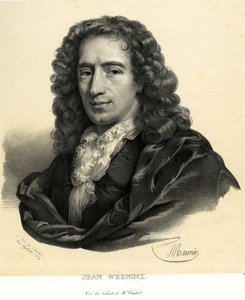
Jan Weenix
1641 - 1719 , Netherlands
Informazioni rapide
- Artistic Movement Or Style: Dutch Baroque
- Artists Who Influenced This Artist:
- Jan Baptist Weenix
- Hendrick Vroom
- Date Of Birth: Amsterdam, Netherlands (1641)
- Date Of Death: Amsterdam, Netherlands (1719)
- Full Name: Jan Weenix
- Nationality: Dutch
- Notable Artworks:
- Hunting and Fruit Still Life
- Still Life with a Hare
- Place Of Birth: Amsterdam
Articoli correlati
Abraham Hendricksz van Beyeren: Pioneering Dutch Still Life & the Banquet Tradition
Explore the captivating world of Dutch Golden Age still life with Abraham van Beyeren. Discover his innovative techniques, symbolic banquet scenes & lasting influence on art history. Learn about collecting these masterpieces.

Jan Jansz Wijnants: A Study in Dutch Golden Age Still Life & Floral Transience
Explore the captivating world of Jan Wijnants and Dutch Golden Age still life painting. Discover symbolism, masterful techniques & lasting influence on floral art history. Learn more!
Jan Steen e la Vivacità della Vita Quotidiana: Un Maestro del Genere Olandese nell'Età dell'Oro
Esplora la vita e le opere di Jan Steen, maestro del genere pittorico olandese. Analisi approfondita dello stile, del simbolismo e dell'eredità artistica di questo icona del Secolo d'Oro.

Silent Narratives: Exploring the Enduring Appeal of Still Life Painting Across Centuries
Explore the rich history of still life painting with OriginalUniqueArt. Discover Dutch Masters, decode vanitas symbolism & learn about collecting timeless art. Expert insights and museum-quality reproductions.

I 10 Capolavori dell'Età d'Oro Olandese: Arte, Storia e Stile per la Tua Casa
Esplora i 10 capolavori dell'Età d'Oro Olandese con ! Rembrandt, Vermeer e altri maestri rivivono in dipinti iconici. Scopri storia, tecnica e colori di opere senza tempo per arredare la tua casa con arte di qualità museale. Esplora la collezione online!



