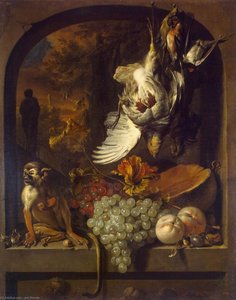
Anteprima in scala reale
 Invia
Invia Condividi
 Dettagli opera
 Guida
Guida

 Scarica
 Simili
 Radiografia
 Slideshow
 Statistiche
Boar Hunt
 Acrylic On Canvas
- WallArt
- Baroque Painting
 1703
1703 345.0 x 206.0 cm
 Pinacoteca dell'Antica
 Espandi i dettagli
Riproduzione a olio fatta a mano
Olio su tela dipinto a mano nelle tue dimensioni e con la tua cornice, realizzato su ordinazione dai nostri artisti. ( Passa alle stampe Passa all'immagine digitale)




P118B €10

P118H €10

P118W €10

P438Z €10

P508JH €12

P508YH €12

P805H €10

P805Z €10

P919BZ €10

P919G €10

P919XJ €10

P959ZH €10

P968JZ €12

W106C €8

W218G €10

W218JH €8

W218Y €10

W307PJ €10

W316G €10

W316PJ €8

W316Y €10

W398PJ €8

W4111J €10

W500HY €15

W500JH €15

W692G €12

W849H €8

W940BG €15

W953PJ €8




Scegli tra le nostre dimensioni predefinite, che rispettano le proporzioni originali dell'opera d'arte.

Inserisci la larghezza e l'altezza desiderate, per adattarle alla tua cornice o alla tua parete. Trattandosi di un'opera dipinta a mano, in caso di dimensioni con un formato differente, l'artista può estendere leggermente il dipinto oltre i bordi dell'immagine o ritagliare una piccola parte — la scelta spetta a te. Ti invieremo un mockup digitale da approvare prima che la realizzazione abbia inizio. L'immagine mostrata in questa pagina non rappresenta il risultato finale — solo il mockup lo fa.
Dopo l'ordine, il team di OriginalUniqueArt.com contatterà il cliente via e-mail per ricevere le istruzioni e fornirà un'anteprima del mockup
Consegna in tutto il mondo () in 3/4 settimane anziché nelle normali 5 settimane. (25 Ottobre). Nessun compromesso sulla qualità.

Spedizione espressa gratuita in tutto il mondo

Tela in lino di alta qualità

Assicurazione completa sulla spedizione

Garanzia di rimborso dei dazi doganali

Garanzia di fedeltà cromatica assoluta

Politica di reso entro 100 giorni (solo per difetti di fabbricazione)

Garanzia di rimborso al 100%

Offerta per acquisti multipli
 L'opzione vetro è disponibile solo per dimensioni inferiori a 110 cm

Boar Hunt
Tecnica di riproduzione
Dimensioni riproduzione
-


Prezzo finale calcolato
€ 263
A Hunt Frozen in Time: Jan Weenix’s “Boar Hunt”
Jan Weenix's "Boar Hunt," painted around 1703, isn’t merely a depiction of a hunt; it’s a meticulously crafted tableau of primal instinct, stoic heroism, and the fleeting beauty of a dramatic moment. This remarkable work, housed within the walls of a museum setting – subtly suggested by the diffused lighting and reflective glass – transports us to a world where man and beast engage in a timeless dance of pursuit and consequence. Weenix, a master of Dutch Baroque realism, elevates the commonplace subject of hunting into an exercise in profound observation and emotional resonance.
The scene unfolds with startling clarity. A magnificent boar, sprawled on its back in a posture of defeated grandeur, dominates the right side of the composition. Its thick hide, rendered with astonishing detail – each bristling hair meticulously captured – speaks to both its formidable power and its imminent demise. Beside it lies a smaller animal, likely a hare or rabbit, adding a layer of poignant vulnerability to the tableau. To the left, a hunting dog, a breed known for its keen tracking abilities, stands poised, either actively pursuing or having just completed its task. The dog’s posture is one of focused intensity, mirroring the boar's own struggle. The background landscape—rolling hills and scattered trees—provides a sense of depth and reinforces the feeling that this event unfolds within a vast, untamed wilderness.
The Language of Baroque Realism
Weenix’s mastery lies in his ability to fuse meticulous realism with an underlying sense of drama. He employs a technique deeply rooted in the Dutch Golden Age, characterized by its careful observation of light and shadow – *chiaroscuro*—to sculpt form and create a palpable atmosphere. Notice how the light catches on the boar's hide, highlighting its texture and musculature, while simultaneously casting deep shadows that emphasize its vulnerability. The artist’s use of color is restrained yet effective; earthy tones dominate, punctuated by the rich browns and reds of the animal’s fur and the subtle greens of the landscape. This palette contributes to a sense of groundedness and authenticity.
The composition itself is carefully balanced, drawing the eye across the scene with a deliberate rhythm. The placement of the animals—the dominant boar on one side, the pursuing dog on the other—creates a dynamic tension that mirrors the hunt’s inherent drama. Furthermore, Weenix's attention to detail extends beyond mere representation; he captures not just the physical appearance of the animals but also their expressions – the boar’s defiant stance, the dog’s focused gaze – imbuing them with a sense of life and personality.
A Symbolism of Mortality and Triumph
The “Boar Hunt” is rich in symbolic meaning. The hunt itself represents the human desire for mastery over nature, a theme that resonated deeply within the context of 17th-century Europe. However, Weenix doesn’t glorify this pursuit; instead, he presents it with a sobering awareness of mortality and consequence. The fallen boar, lying vulnerable on its back, serves as a potent reminder of the inevitability of death. The dog's role highlights the relationship between hunter and prey, emphasizing the cycle of life and death that governs the natural world.
Moreover, the scene can be interpreted as an allegory for human ambition and the pursuit of glory. The hunters, driven by a desire to prove their skill and courage, engage in a dangerous undertaking with uncertain outcomes. The success of the hunt—represented by the fallen boar—is ultimately tempered by the knowledge that it comes at a cost.
Capturing the Essence: Reproduction and Display
Reproductions of “Boar Hunt” offer a remarkable opportunity to bring this masterpiece into any setting, from a grand salon to a more intimate space. The meticulous detail and evocative atmosphere of the original are faithfully reproduced, allowing viewers to appreciate Weenix’s artistic skill and his profound understanding of human nature. When displayed, consider framing the artwork in a manner that complements its rich colors and dramatic composition. The subdued lighting suggested by the museum setting can be replicated through strategic use of ambient light or accent lighting, further enhancing the work's impact.
Ultimately, “Boar Hunt” is more than just a painting; it’s a window into a bygone era—a testament to the enduring power of art to capture both the beauty and the brutality of the natural world. It invites contemplation on themes of mortality, ambition, and the complex relationship between humanity and its environment.
Domande e risposte
A quale artista è attribuito "Boar Hunt"?
L'artista che ha creato "Boar Hunt" è Jan Weenix. L'opera è catalogata sotto il nome di Jan Weenix.
Quali sono la tecnica e le dimensioni dell'originale "Boar Hunt" di Jan Weenix?
L'originale "Boar Hunt" di Jan Weenix è un'opera in Acrylic On Canvas di dimensioni 345 x 206 cm. La tecnica e le dimensioni si riferiscono all'opera originale.
Che livello di saturazione hanno i colori di "Boar Hunt" di Jan Weenix?
I colori di "Boar Hunt" di Jan Weenix presentano una saturazione Subtle Color. La saturazione indica quanto i colori siano vivaci o attenuati.
Biografia dell'artista
Jan Weenix: Vita e Eredità
Jan Weenix (1641-1719) è stato un pittore olandese barocco di spicco, celebre per le sue ricche rappresentazioni di nature morte di caccia, pezzi di selvaggina e paesaggi. La sua opera incarna lo spirito artistico dell'Età d'Oro, mostrando sia maestria tecnica che un acuto senso dell'osservazione del mondo naturale.
Primi Anni di Vita e Sviluppo Artistico
Nato ad Amsterdam, nei Paesi Bassi, nel 1641, Jan Weenix seguì le orme del padre come artista. Suo padre, Jan Baptist Weenix, era anch'egli un pittore rispettato specializzato in soggetti simili. Questa influenza familiare si è rivelata cruciale per lo sviluppo artistico precoce di Jan. Inizialmente ha lavorato sotto la guida del padre, imparando le tecniche della pittura di nature morte e della rappresentazione degli animali.
Influenze e Stile Artistico
Lo stile di Jan Weenix riflette le influenze di diversi artisti chiave del suo tempo. Suo padre gli ha instillato un amore per il realismo dettagliato e le vivaci palette cromatiche. È stato influenzato anche da pittori come Hendrick Cornelisz Vroom, noto per i dipinti marini, e potenzialmente da altri specializzati in opere animaliere come Melchior de Hondecoeter e Gillis Claesz d'Hondecoeter.
Lo stile artistico di Weenix è caratterizzato da:
- Rappresentazione precisa delle texture – pelliccia, piume e foglie sono raffigurate con notevole accuratezza.
- Uso drammatico della luce e dell'ombra (chiaroscuro) per creare profondità e interesse visivo.
- Una vivace palette di colori che dà vita ai suoi soggetti.
- Abilità compositiva nell'organizzazione degli elementi all'interno del fotogramma.
Opere Principali e Realizzazioni
Nel corso della sua carriera, Jan Weenix ha prodotto un considerevole corpo di lavoro. Alcuni dei suoi dipinti più notevoli includono:
- Hunting and Fruit Still Life next to a Garden Vase (1714) – Una composizione complessa che mostra selvaggina, frutta e elementi architettonici.
- Still Life with a Hare and other Game (1697) – Dimostra la sua maestria nella rappresentazione dell'anatomia e della texture degli animali.
- A Seated Monkey (prima del 1685) - Mostra la sua capacità di catturare la personalità nei ritratti di animali.
- The White Peacock – Una raffigurazione suggestiva di un magnifico uccello, che evidenzia l'abilità di Weenix con il colore e i dettagli.
Ha anche ricevuto commissioni da importanti mecenati, inclusa un invito alla corte di Johann Wilhelm, Elettore Palatino, dove ha lavorato insieme ad altri artisti rinomati.
Significato Storico
Jan Weenix ha svolto un ruolo significativo nella popolarizzazione delle nature morte di caccia e dei dipinti di selvaggina durante il periodo barocco. Le sue opere sono state molto richieste dai collezionisti e hanno contribuito allo sviluppo delle tradizioni artistiche olandesi. Ha aiutato a elevare questi generi al di là della semplice decorazione, infondendoli di un senso di realismo, dramma e bellezza estetica.
Sua figlia, Maria Weenix, ha continuato la tradizione familiare come pittrice di fiori abile, consolidando ulteriormente il nome Weenix negli annali dell'arte olandese. L'eredità di Jan Weenix continua a ispirare gli artisti e a catturare il pubblico con le sue magistrali rappresentazioni del mondo naturale.
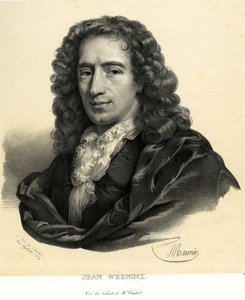
Jan Weenix
1641 - 1719 , Netherlands
Dettagli rapidi
- Artistic Movement Or Style: Dutch Baroque
- Artists Who Influenced This Artist:
- Jan Baptist Weenix
- Hendrick Vroom
- Date Of Birth: Amsterdam, Netherlands (1641)
- Date Of Death: Amsterdam, Netherlands (1719)
- Full Name: Jan Weenix
- Nationality: Dutch
- Notable Artworks:
- Hunting and Fruit Still Life
- Still Life with a Hare
- Place Of Birth: Amsterdam
Articoli correlati
Jan Steen e la Vivacità della Vita Quotidiana: Un Maestro del Genere Olandese nell'Età dell'Oro
Esplora la vita e le opere di Jan Steen, maestro del genere pittorico olandese. Analisi approfondita dello stile, del simbolismo e dell'eredità artistica di questo icona del Secolo d'Oro.
Mastering Light and Shadow: The Chiaroscuro Revolution of Dutch Baroque Art
Explore the dramatic world of Dutch Baroque art. Discover how masters used chiaroscuro to revolutionize light and shadow, creating timeless psychological depth and texture in every canvas. A journey through the Golden Age for true art enthusiasts.

Golden Age Reflections: Dutch Baroque Painting & Cultural Innovation
Explore the Dutch Golden Age of painting! Discover key artists like Vermeer & ter Borch, their innovative techniques, and the rich cultural context behind these Baroque masterpieces. Learn about collecting & appreciating this iconic art period.

I 10 Capolavori del Barocco Olandese che Hanno Definito un'Epoca | OriginalUniqueArt
Esplora i 10 capolavori del Barocco olandese con OriginalUniqueArt. Scopri Rembrandt, Vermeer e altri maestri. Quadri antichi, luce intensa e storie affascinanti per decorare la tua casa con arte di qualità museale. Esplora la collezione online!
Dutch Baroque Unlocked: Mastering Chiaroscuro, Epic Drama, and the High-Impact Legacy of Rembrandt
Explore the dramatic power of Dutch Baroque art. Master the secrets of Rembrandt’s chiaroscuro, discover the epic scale of the Golden Age, and learn how to bring high-impact, hand-painted historical masterpieces into your modern collection with expert precision.