Anteprima in scala reale
 Invia
Invia Condividi
 Dettagli opera
 Guida
Guida

 Scarica
 Simili
 Radiografia
 Slideshow
 Statistiche
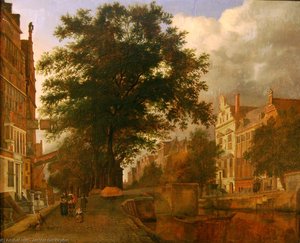
Veduta di Delft con la vecchia chiesa


 Espandi i dettagli
Giclée / Stampe d'arte
Stampa giclée o su tela di qualità museale, con produzione rapida e diverse opzioni di finitura. ( Acquista il dipinto realizzato a mano Passa all'immagine digitale)




P118B €10

P118H €10

P118W €10

P438Z €10

P508JH €12

P508YH €12

P805H €10

P805Z €10

P919BZ €10

P919G €10

P919XJ €10

P959ZH €10

P968JZ €12

W106C €8

W218G €10

W218JH €8

W218Y €10

W307PJ €10

W316G €10

W316PJ €8

W316Y €10

W398PJ €8

W4111J €10

W500HY €15

W500JH €15

W692G €12

W849H €8

W940BG €15

W953PJ €8




Scegli tra le nostre dimensioni predefinite, che rispettano le proporzioni originali dell'opera d'arte.

Inserisci la larghezza e l'altezza desiderate, per adattarle alla tua cornice o alla tua parete. Una stampa può essere solo ritagliata, mai resa più grande dell'immagine originale; pertanto, un formato con una forma differente comporterà la perdita di una parte dell'opera. Ti invieremo un mockup digitale da approvare prima di procedere con la stampa. L'immagine mostrata in questa pagina non rappresenta il ritaglio reale — solo il mockup lo mostra.
Consegna in tutto il mondo () in 2 settimane invece delle normali 4/5 settimane. (27 Ottobre)

Spedizione espressa gratuita in tutto il mondo

Tela in lino di alta qualità

Assicurazione completa sulla spedizione

Garanzia di rimborso dei dazi doganali

Garanzia di fedeltà cromatica assoluta

Politica di reso entro 100 giorni (solo per difetti di fabbricazione)

Garanzia di rimborso al 100%

Offerta per acquisti multipli
 L'opzione vetro è disponibile solo per dimensioni inferiori a 110 cm

Veduta di Delft con la vecchia chiesa
Giclée / Stampe d'arte
Dimensioni riproduzione
-


Prezzo finale calcolato
€ 70
A Window Into Dutch Golden Age Tranquility
Jan van der Heyden’s “View of Delft with Old Church,” completed in 1670, stands as a cornerstone of Dutch Baroque painting and an enduring emblem of serene urban beauty. More than just a picturesque depiction of the city’s canals and rooftops, it embodies the intellectual and artistic fervor that characterized the Dutch Golden Age—a period marked by unprecedented prosperity, scientific advancement, and artistic innovation. As one gazes upon this masterpiece, they are transported to a time when the rhythmic pulse of maritime commerce met the quiet dignity of architectural grandeur. The painting captures a moment of suspended animation, where the bustling life of the canal is frozen in a state of eternal grace.
The composition is a masterclass in perspective and structural balance. Van der Heyden employs a pyramidal composition, a technique that skillfully directs the viewer's eye upward toward the towering, iconic spire of St. Bavold’s Church. This architectural giant dominates the skyline, acting as an anchor for the entire scene. The artist’s meticulous attention to detail allows every brick, every ripple in the canal water, and every distant silhouette to emerge with startling clarity. Through his use of oil on canvas, Van der Heyden achieves a luminous quality, where light does not merely sit upon the surface but seems to emanate from within the very textures of the buildings and the reflective depths of the water.
The Intersection of Engineering and Artistry
To understand this work, one must understand the man behind the brush. Jan van der Heyden was far more than a painter; he was a visionary engineer whose contributions to firefighting technology revolutionized urban safety. This pragmatic, scientific mind is precisely what gives his landscapes such profound realism. His ability to render the structural integrity of Delft’s architecture reflects an eye trained in precision and observation. There is a palpable sense of order and civic pride woven into the fabric of the painting. The presence of figures strolling near the water and a small dog wandering through the scene adds a layer of human warmth, suggesting that this is not merely a study of stone and water, but a celebration of lived experience.
The symbolism within the piece speaks to the core values of seventeenth-century Dutch society. The church, with its prominent clock tower, serves as a symbol of both faith and the steady passage of time, while the vibrant canal scene celebrates the commercial vitality that fueled the nation's wealth. For the modern collector or interior designer, this artwork offers more than just aesthetic beauty; it provides a sense of historical continuity and stability. The subdued tones and atmospheric depth make it an exquisite centerpiece for any sophisticated space, inviting contemplation and evoking a profound sense of peace. It is a rare treasure that captures the soul of a city, making it an essential acquisition for those who appreciate the intersection of technical mastery and emotional resonance.
Domande e risposte
Che età aveva Jan van der Heyden quando ha realizzato "Veduta di Delft con la vecchia chiesa"?
Jan van der Heyden aveva 33 anni quando ha creato "Veduta di Delft con la vecchia chiesa" nel 1670. L'età è calcolata sulla base dell'anno di nascita dell'artista, 1637.
In che modo lo stile di "Veduta di Delft con la vecchia chiesa" si relaziona all'epoca del suo autore?
"Veduta di Delft con la vecchia chiesa" di Jan van der Heyden appartiene al movimento Età dell'Oro olandese, inserendosi nel contesto dell'epoca Età Moderna del suo autore.
Quante persone visualizzano "Veduta di Delft con la vecchia chiesa"?
È disponibile una pagina Statistiche per "Veduta di Delft con la vecchia chiesa", che illustra le visite mensili dell'opera e delle altre creazioni dell'artista, con dettagli relativi a paese e lingua.
Biografia dell'artista
Primi Anni e Formazione
- Nato: Gorinchem, Paesi Bassi (1637)
- Morto: 1712
- Jan van der Heyden nacque a Gorinchem, figlio di un padre mennonita. La sua famiglia si trasferì ad Amsterdam nel 1646.
- Probabilmente ricevette una formazione artistica iniziale all'interno della sua famiglia, forse da suo fratello, Goris van der Heyden, che produceva e vendeva specchi.
- Si ritiene che possa aver imparato a disegnare da un pittore di vetro, potenzialmente Jacob van der Ulft, rinomato pittore di vetro proveniente da Gorinchem.
- I primi lavori includevano dipinti su vetro (verre eglomisé), suggerendo una precoce attenzione alle arti decorative.
Sviluppo Artistico e Opere Chiave
- Van der Heyden si specializzò in vedute cittadine, diventando uno dei principali pittori architettonici del Secolo d'Oro olandese.
- Fu tra i primi pittori olandesi a dedicare la maggior parte della sua produzione alle viste di città.
- I suoi dipinti spesso raffiguravano varie vedute di Amsterdam, così come panorami di altre città olandesi, fiamminghe e tedesche.
- Opere notevoli includono:
- Vista dell'Oudezijds Voorburgwal con l'Oude Kerk ad Amsterdam
- Natura morta con Globo, Libri e Seta Cinese
- Un'Architettura Fantastica
- Vista di Delft con la Vecchia Chiesa
- Vista della Westerkerk, Amsterdam
- Huis ten Bosch all’Aia e il suo Giardino Formale (Vista da Est)
- Dipingeva spesso dimore di campagna, come Goudestein, su commissione di Joan Huydecoper II.
- Il suo stile è caratterizzato da una gestione dettagliata e da una rappresentazione realistica degli elementi architettonici.
Innovazioni Ingegneristiche e Contributi alla Lotta Antincendio
- Oltre a dipingere, Van der Heyden era un ingegnere e inventore con significativi contributi alla tecnologia antincendio.
- Insieme a suo fratello Nicolaes, inventò miglioramenti all'idrante nel 1672.
- Modificò le pompe manuali antincendio e riorganizzò il corpo dei vigili del fuoco volontari (1685).
- Scrisse e illustrò *Brandspuiten-boek*, il primo manuale sulla lotta antincendio.
- Progettò e implementò un sistema di illuminazione stradale per Amsterdam, che rimase in funzione per oltre un secolo.
Influenze e Significato Storico
- Van der Heyden fu influenzato dai maestri olandesi precedenti noti per i loro dettagli architettonici e il realismo.
- Il suo approccio innovativo alle vedute cittadine lo stabilì come pioniere nel genere.
- Le sue raffigurazioni dettagliate della vita urbana forniscono preziose informazioni sulla Amsterdam del XVII secolo e su altre città.
- I suoi contributi ingegneristici migliorarono significativamente le capacità antincendio, influenzando la sicurezza urbana.
- Anticipò movimenti artistici successivi con le sue "architetture fantastiche", combinando elementi provenienti da diverse strutture.
Vita Successiva e Eredità
- Van der Heyden sposò Sara ter Hiel nel 1661 e visse sul canale Herengracht ad Amsterdam.
- Morì ricco nel 1712, lasciando dietro di sé una consistente eredità che includeva oltre settanta dei suoi dipinti.
- Il suo unico allievo conosciuto fu suo figlio, Jan.
- L'eredità di Van der Heyden risiede non solo nei suoi risultati artistici ma anche nelle sue invenzioni pratiche che hanno plasmato la vita urbana e la sicurezza.

Jan van der Heyden
1637 - 1712 , Paesi Bassi
Dettagli rapidi
- Artistic Movement Or Style: Barocco Olandese
- Artists Who Influenced This Artist: ['Jacob van der Ulft']
- Date Of Birth: 1637-03-05
- Date Of Death: 1712-03-28
- Full Name: Jan van der Heyden
- Nationality: Olandese
- Notable Artworks:
- Veduta di Oudezijds Voorburgwal
- Natura morta con Globo e Libri
- Un'Architettura Fantastica
- Veduta di Delft con Vecchia Chiesa
- Veduta della Westerkerk, Amsterdam
- Huis ten Bosch all’Aia
- Place Of Birth: Gorinchem, Paesi Bassi
Articoli correlati
Jan Steen e la Vivacità della Vita Quotidiana: Un Maestro del Genere Olandese nell'Età dell'Oro
Esplora la vita e le opere di Jan Steen, maestro del genere pittorico olandese. Analisi approfondita dello stile, del simbolismo e dell'eredità artistica di questo icona del Secolo d'Oro.

Mastering Light & Shadow: A Journey Through the Dutch Golden Age's Luminous Legacy
Embark on a cultural journey through the Dutch Golden Age. Explore the masterful interplay of light and shadow in 17th-century masterpieces, from Rembrandt to Vermeer, and discover how this era of profound realism continues to inspire fine art collectors today.

Rembrandt van Rijn: I 25 Capolavori Immortali da Ammirare | OriginalUniqueArt
Esplora i 25 capolavori di Rembrandt van Rijn, da 'La Ronda di Notte' ai suoi intensi autoritratti. Scopri la storia, le tecniche e l'arte barocca del maestro olandese. Riproduzioni di alta qualità su OriginalUniqueArt.com.

Golden Light & Dutch Skies: The Timeless Magic of Dutch Golden Age Landscapes
Discover the breathtaking beauty of Dutch Golden Age landscapes. Explore the mastery of light, chiaroscuro, and 17th-century realism through an expert art history lens, celebrating the enduring legacy of the Dutch Masters for discerning collectors and art lovers.

I 10 Capolavori dell'Età d'Oro Olandese: Arte, Storia e Stile per la Tua Casa
Esplora i 10 capolavori dell'Età d'Oro Olandese con ! Rembrandt, Vermeer e altri maestri rivivono in dipinti iconici. Scopri storia, tecnica e colori di opere senza tempo per arredare la tua casa con arte di qualità museale. Esplora la collezione online!