Anteprima in scala reale
 Invia
Invia Condividi
 Dettagli opera
 Guida
Guida

 Scarica
 Simili
 Radiografia
 Slideshow
 Statistiche
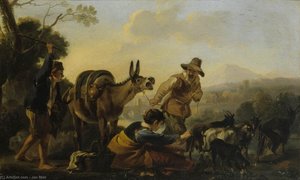
Carnival Time in Rome


 Espandi i dettagli
Riproduzione a olio fatta a mano
Olio su tela dipinto a mano nelle tue dimensioni e con la tua cornice, realizzato su ordinazione dai nostri artisti. ( Passa alle stampe Passa all'immagine digitale)




P118B €10

P118H €10

P118W €10

P438Z €10

P508JH €12

P508YH €12

P805H €10

P805Z €10

P919BZ €10

P919G €10

P919XJ €10

P959ZH €10

P968JZ €12

W106C €8

W218G €10

W218JH €8

W218Y €10

W307PJ €10

W316G €10

W316PJ €8

W316Y €10

W398PJ €8

W4111J €10

W500HY €15

W500JH €15

W692G €12

W849H €8

W940BG €15

W953PJ €8




Scegli tra le nostre dimensioni predefinite, che rispettano le proporzioni originali dell'opera d'arte.

Inserisci la larghezza e l'altezza desiderate, per adattarle alla tua cornice o alla tua parete. Trattandosi di un'opera dipinta a mano, in caso di dimensioni con un formato differente, l'artista può estendere leggermente il dipinto oltre i bordi dell'immagine o ritagliare una piccola parte — la scelta spetta a te. Ti invieremo un mockup digitale da approvare prima che la realizzazione abbia inizio. L'immagine mostrata in questa pagina non rappresenta il risultato finale — solo il mockup lo fa.
Dopo l'ordine, il team di OriginalUniqueArt.com contatterà il cliente via e-mail per ricevere le istruzioni e fornirà un'anteprima del mockup
Consegna in tutto il mondo () in 3/4 settimane anziché nelle normali 5 settimane. (27 Ottobre). Nessun compromesso sulla qualità.

Spedizione espressa gratuita in tutto il mondo

Tela in lino di alta qualità

Assicurazione completa sulla spedizione

Garanzia di rimborso dei dazi doganali

Garanzia di fedeltà cromatica assoluta

Politica di reso entro 100 giorni (solo per difetti di fabbricazione)

Garanzia di rimborso al 100%

Offerta per acquisti multipli
 L'opzione vetro è disponibile solo per dimensioni inferiori a 110 cm

Carnival Time in Rome
Tecnica di riproduzione
Dimensioni riproduzione
-


Prezzo finale calcolato
€ 263
A Window into Baroque Rome: The Vibrant Energy of Jan Miel’s “Carnival Time in Rome”
Jan Miel's "Carnival Time in Rome," painted around 1653, isn’t merely a depiction of a festive street scene; it’s a vibrant portal to the heart of Baroque Rome. More than just a historical record, this painting pulsates with the energy and social dynamics of a city caught in the intoxicating swirl of Carnival – a period renowned for its elaborate costumes, masked revelry, and temporary suspension of everyday order. Miel masterfully captures this atmosphere, transforming a bustling Roman street into a stage for human interaction, theatrical performance, and sheer joyous abandon.
The painting immediately draws the eye with its rich, earthy palette dominated by ochres, siennas, and deep reds – colors that evoke the warm glow of candlelight and the vibrant hues of the carnival attire. These tones are skillfully layered to create a sense of depth, pulling the viewer into the scene. The background, anchored by ancient Roman ruins—columns, arches, and fragments of walls—provides a dramatic counterpoint to the lively foreground, grounding the fantastical elements in a tangible historical context. Notice how Miel uses light and shadow to sculpt the architecture, lending it an almost palpable weight and solidity.
The Bamboccianti Tradition: A Window into Roman Life
Miel’s work belongs to the ‘Bamboccianti’ genre – a distinctive style of painting that emerged in Rome during the 17th century. These artists, largely Dutch and Flemish exiles, gained renown for their intimate portrayals of everyday life within the city, particularly among the lower classes. Unlike the grand portraits favored by the aristocracy, the Bamboccianti focused on scenes of street vendors, musicians, beggars, and laborers – offering a surprisingly nuanced glimpse into the social fabric of Rome. Miel’s “Carnival Time in Rome” exemplifies this approach, presenting a diverse cast of characters engaged in various activities, from dancing and conversing to playing games and hawking their wares.
The figures themselves are rendered with remarkable detail and dynamism. Miel doesn't shy away from portraying the imperfections of life – wrinkles, weathered faces, and humble clothing—yet he imbues each character with a sense of personality and vitality. The composition is carefully balanced, guiding the eye through the crowded scene towards key focal points: a group of musicians playing lively tunes, a couple engaged in an animated conversation, and a street performer captivating his audience. The inclusion of animals – horses and dogs—further contributes to the painting’s sense of bustling activity and adds a touch of rustic charm.
Symbolism and the Spirit of Carnival
Beyond its visual appeal, “Carnival Time in Rome” is rich in symbolic meaning. The masks worn by many of the figures represent the anonymity and freedom associated with Carnival – a temporary escape from social constraints and expectations. The vibrant costumes, particularly the reds and oranges, symbolize celebration, excess, and the embrace of pleasure. The presence of the ancient ruins serves as a reminder of Rome’s glorious past, juxtaposed against the lively present. It suggests that the spirit of the city—its dynamism, its resilience, and its enduring appeal—has remained constant throughout the centuries.
Miel's masterful use of perspective creates an illusion of depth and movement, drawing the viewer into this immersive scene. The painting’s emotional impact is undeniable – it evokes a sense of joy, excitement, and communal spirit. “Carnival Time in Rome” isn’t just a beautiful artwork; it’s a captivating snapshot of a vibrant culture at its most exuberant.
Restoring the Vision: Reproductions and Beyond
Reproductions of "Carnival Time in Rome" offer an accessible way to experience the artistry and historical significance of this remarkable painting. When selecting a reproduction, consider the quality of materials and printing techniques – ensuring that the colors and details are faithfully reproduced. This artwork would be a stunning addition to any interior space, bringing a touch of Baroque elegance and Roman charm to your home or office.
Domande e risposte
Da quale paese proviene l'opera del Baroque Painting "Carnival Time in Rome"?
"Carnival Time in Rome" è stata creata da Jan Miel, nato in Belgio, nell'ambito del movimento Baroque Painting. L'origine dell'artista lega l'opera al Baroque Painting così come praticato dagli artisti di Belgio.
È disponibile una guida per "Carnival Time in Rome" di Jan Miel?
La pagina Schede didattiche di "Carnival Time in Rome" di Jan Miel offre una scheda informativa stampabile su due fogli: l'opera d'arte con la sua tabella identificativa, una linea temporale decennale che la colloca nel periodo di vita dell'artista, altre opere dello stesso autore, la tavolozza dei colori misurata e citazioni pronte da copiare in quattro stili diversi.
Quanti anni aveva Jan Miel quando è stata creata "Carnival Time in Rome"?
Jan Miel aveva 54 anni quando ha creato "Carnival Time in Rome" nel 1653. L'età è calcolata sulla base dell'anno di nascita dell'artista, 1599.
Biografia dell'artista
Jan Miel: Un Ponte tra il Realismo Fiammingo e la Grandezza Barocca
Jan Miel (1599–1663) si staglia come una figura cardine nel panorama artistico del XVII secolo, incarnando la affascinante confluenza tra la tradizione fiamminga e l'innovazione italiana. Nato a Beveren, in Belgio—sebbene Anversa e ‘s-Hertogenbosch restino possibili luoghi di nascita—la giovinezza di Miel rimane avvolta in una relativa oscurità, lasciando scarsi dettagli biografici. Tuttavia, ciò che emerge dalle ricerche storiche è un percorso artistico straordinario, segnato da un'evoluzione stilistica e da imprese collaborative che consolidarono il suo posto all’interno del vibrante ambiente culturale di Roma e Torino.
I suoi anni formativi furono trascorsi affinando la propria arte principalmente ad Anversa, dove assorbì le influente impronte di eminenti maestri fiamminghi come Anthony van Dyck. Sebbene l'esatta portata della sua formazione rimanga elusiva, essa instillò senza dubbio in lui un profondo apprezzamento per l'osservazione meticolosa e una tecnica raffinata, qualità che avrebbero caratterizzato gran parte della sua successiva opera. Questa solida base nel disegno classico e nella ritrattistica fornì il bagaglio essenziale per una carriera destinata, infine, a trascendere i confini regionali.
La Trasformazione Romana e lo Spirito dei Bamboccianti
L'arrivo di Miel a Roma intorno al 1636 segnò un momento trasformativo nella sua traiettoria artistica. Egli si unì rapidamente ai Bentvueghels, un'inflessibile associazione di artisti olandesi e fiamminghi residenti nell'Eterna Città. All'interno di questa fratellanza, adottò il memorabile soprannome di ‘bieco’, un appellativo che rifletteva il suo caratteristico sguardo strabico, un tratto che sarebbe diventato sinonimo della sua identità artistica. Questa affiliazione favorì legami profondi con una comunità artistica più ampia, fortemente influenzata dallo stile dei Bamboccianti di Pieter van Laer.
Questo movimento era dedicato alla rappresentazione di scene di vita quotidiana tra le classi popolari di Roma e dei suoi dintorni, rinunciando alla grandiosità idealizzata dell'arte del Rinascimento maturo in favore di qualcosa di molto più viscerale e immediato. Miel abbracciando pienamente questa tendenza, produsse affascinanti scene di genere che catturavano lo spirito dell'esistenza urbana con straordinario realismo e sensibilità. Le sue opere presentavano spesso:
- Vivaci scene di strada popolate da viaggiatori, mercanti e lavoratori.
- Un uso magistrale della luce per evocare l'atmosfera polverosa e soleggiata dei vicoli romani.
- Il sottile intreccio di emozioni umane all'interno di contesti affollati e caotici.
- Una meticolosa attenzione alle trame di tessuti, pietra e terra.
L'Evoluzione verso il Classicismo e la Grandezza di Corte
Con il progredire della sua carriera, la visione artistica di Miel subì una metamorfosi significativa. Pur rimanendo un maestro della scena di genere, iniziò ad allontanarsi dal crudo realismo dei Bamboccianti per muoversi verso una pittura storica più classicizzante. Questo mutamento rifletteva una tendenza più ampia nell'arte europea, dove l'energia pura del Barocco veniva progressivamente temperata dal desiderio di ordine, nobiltà e allegoria classica.
Questa evoluzione lo condusse infine a prestigiosi incarichi, tra cui spicca il ruolo di pittore di corte di Carlo Emanuele II, Duca di Savoia. Al servizio della corte torinese, l'opera di Miel assunse un carattere più formale e magnifico. L'intimità delle sue precedenti scene romane cedette il passo a composizioni di maggiore scala e complessità, progettate per riflettere il potere e il prestigio del suo patrono reale. Questo periodo rappresenta l'apice del suo successo professionale, in cui le sue radici fiamminghe nel dettaglio incontrarono le grandi narrazioni epiche richieste dall'aristocrazia europea.
Il significato storico di Jan Miel risiede nella sua capacità di navigare tra questi mondi disparati. Fu un artista capace di scorgere la bellezza nelle umili lotte di un monello di strada romano e la dignità nei racconti epici dell'antichità. Colmando il divario tra il meticoloso realismo del Nord e il drammatico classicismo del Sud, Miel lasciò un segno indelebile nel canone del XVII secolo, assicurando la sua eredità come vero cosmopolita dell'era Barocca.

Jan Miel
1599 - 1663 , Belgio
Dettagli rapidi
- Artistic Movement Or Style: Bamboccianti, Classicismo
- Artists Or Movements Influenced By This Artist: ['Pieter van Laer']
- Artists Who Influenced This Artist: ['Anthony van Dyck']
- Date Of Birth: 1599 Beveren Belgium
- Date Of Death: 1663 Torino
- Full Name: Jan Miel
- Nationality: Fiammingo
- Notable Artworks:
- Il Mendicante
- Sosta di contadini davanti a una taverna
- Place Of Birth: Beveren Belgio
Articoli correlati

Segreti del Barocco: Luce, Dramma ed Emozione nell'Arte del XVII Secolo
Scopri i segreti del Barocco tra luce e dramma con un'analisi esperta di Caravaggio e Barocci. Immergiti nella storia dell'arte ora.

Drama and Light: A Definitive Guide to the Italian Baroque Masterpieces and the Revolution of Chiaroscuro
Explore the dramatic world of Italian Baroque art. Discover how masters like Caravaggio used chiaroscuro and tenebrism to revolutionize painting through light, shadow, and profound realism. A definitive guide for history lovers and art collectors.

Italian Baroque Unlocked: High-Drama Art That Hits Hard
Dive into the high-drama world of Italian Baroque art. Discover how chiaroscuro, intense emotion, and theatrical lighting redefined aesthetics. Explore the visceral power of the Counter-Reformation through a modern lens with expert insights from OriginalUniqueArt.com.
Baroque Classicism: Reconciling Drama & Order in 17th-Century Art
Explore the captivating world of Baroque Classicism! Discover its history, key artists like Caravaggio & Rubens, and defining characteristics. Expert insights & high-quality reproductions at OriginalUniqueArt.

Baroque Classicism: The Grandeur of Order and Drama in 17th-Century Art History
Explore the profound elegance of Baroque Classicism. Discover how 17th-century masters synthesized dramatic emotion with classical order through the lens of the Counter-Reformation and the works of legends like Carlo Maratta and Andrea Sacchi.