Anteprima in scala reale
 Condividi
 Condividi
 Dettagli
 Guida stampabile

 Scarica
 Articoli simili
 Radiografia
 Slideshow
 Statistiche
The Original Sin


 Leggi tutto
Giclée / Stampe d'arte
Stampa giclée o su tela di qualità museale, con produzione rapida e diverse opzioni di finitura. ( Ordina la riproduzione dipinta a mano Passa all'immagine digitale)




P118B €10

P118H €10

P118W €10

P438Z €10

P508JH €12

P508YH €12

P805H €10

P805Z €10

P919BZ €10

P919G €10

P919XJ €10

P959ZH €10

P968JZ €12

W106C €8

W218G €10

W218JH €8

W218Y €10

W307PJ €10

W316G €10

W316PJ €8

W316Y €10

W398PJ €8

W4111J €10

W500HY €15

W500JH €15

W692G €12

W849H €8

W940BG €15

W953PJ €8




Scegli tra le nostre dimensioni predefinite, che rispettano le proporzioni originali dell'opera d'arte.

Inserisci la larghezza e l'altezza desiderate, per adattarle alla tua cornice o alla tua parete. Una stampa può essere solo ritagliata, mai resa più grande dell'immagine originale; pertanto, un formato con una forma differente comporterà la perdita di una parte dell'opera. Ti invieremo un mockup digitale da approvare prima di procedere con la stampa. L'immagine mostrata in questa pagina non rappresenta il ritaglio reale — solo il mockup lo mostra.
Consegna in tutto il mondo () in 2 settimane invece delle normali 4/5 settimane. (23 Ottobre)

Spedizione espressa gratuita in tutto il mondo

Tela in lino di alta qualità

Assicurazione completa sulla spedizione

Garanzia di rimborso dei dazi doganali

Garanzia di perfetta fedeltà cromatica

Politica di reso entro 100 giorni (solo per difetti di fabbricazione)

Garanzia di rimborso al 100%

Sconto per acquisti multipli
 L'opzione vetro è disponibile solo per dimensioni inferiori a 110 cm

The Original Sin
Giclée / Stampe d'arte
Dimensioni della riproduzione
-


Prezzo totale
€ 70
A Symphony of Life and Allegory
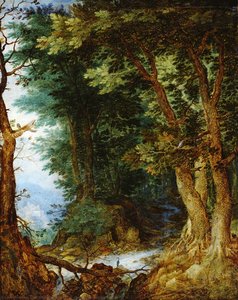
In the masterful hands of Jan Brueghel the Elder, the canvas becomes more than just a surface; it transforms into a breathing, pulsing ecosystem where the divine and the terrestrial intersect. His work, "The Original Sin," serves as a breathtaking window into the Flemish Baroque imagination, inviting the viewer to wander through a lush, verdant paradise that feels simultaneously intimate and infinite. At first glance, one is struck by the sheer vitality of the scene—a sprawling, emerald landscape teeming with an extraordinary diversity of life. From the delicate flutter of birds navigating the canopy to the heavy, rhythmic presence of horses, cows, and sheep grazing in the meadows, Brueghel orchestrates a complex ballet of movement. This is not merely a pastoral landscape; it is a meticulously composed stage where every creature plays a role in a much larger, more profound narrative.
The brilliance of this piece lies in its ability to balance grand theological themes with an almost scientific devotion to natural detail. As a master of the Flemish tradition, Brueghel utilizes a technique characterized by microscopic precision, allowing each feather, blade of grass, and animal texture to emerge with startling clarity. This meticulousness creates a sense of tactile reality that draws the eye deeper into the composition, encouraging a slow, meditative exploration of the frame. For the discerning collector or interior designer, this painting offers a rare duality: it possesses the grandeur required for a focal point in a sophisticated gallery setting, yet its intricate details reward the most intimate viewing, making it an enduring treasure for any curated space.
Symbolism and the Baroque Spirit
Beneath the surface of this idyllic gathering lies a deeper, more contemplative layer of meaning. The title itself, "The Original Sin," suggests a tension between the pristine beauty of the natural world and the inherent fragility of innocence. While the painting celebrates the abundance of creation, the presence of various species gathered around a central tree evokes the biblical Garden of Eden, reminding us of the moment where harmony met human fallibility. Brueghel subtly weaves these allegorical threads through the arrangement of his subjects; the way certain animals interact or gaze toward specific points in the landscape hints at a cosmic order that is both beautiful and precarious. It is this intellectual depth that elevates the work from a mere study of nature to a profound meditation on existence.
The emotional impact of the work is one of overwhelming abundance and quiet wonder. There is a certain nostalgia embedded in the lush greenery and the peaceful coexistence of species, evoking a longing for a lost state of grace. For those looking to bring a sense of history and soul into their homes, a high-quality reproduction of this masterpiece provides more than just decoration; it introduces a conversation piece that bridges the gap between the seventeenth century and the modern era. To hang such a work is to invite the spirit of the Flemish Baroque—a spirit of curiosity, reverence for nature, and an unyielding appreciation for the intricate beauty found in every living thing.
Domande e risposte
Come posso scaricare l'immagine di "The Original Sin" di Jan Brueghel il Vecchio?
Puoi scaricare "The Original Sin" di Jan Brueghel il Vecchio dalla pagina Scarica dell'opera, come download di un'immagine digitale ad alta risoluzione.
Quale artista e quale stile si celano dietro "The Original Sin"?
"The Original Sin" è stata creata da Jan Brueghel il Vecchio in stile Baroque. L'artista e il movimento identificano la tradizione dell'opera.
Come può essere utilizzato "The Original Sin" di Jan Brueghel il Vecchio nell'arredamento d'interni?
L'uso (Conversation) e lo spazio (Living Room) sono le due raccomandazioni indicate per "The Original Sin" di Jan Brueghel il Vecchio.
Biografia dell'artista
Jan Brueghel il Vecchio: Una Vita nell'Arte
- Nato: Bruxelles, Belgio (1568)
- Morto: 1625
Jan Brueghel il Vecchio, figura di spicco del movimento barocco fiammingo, nacque in una famiglia profondamente radicata nella tradizione artistica. Come secondo figlio del rinomato pittore neerlandese Pieter Bruegel il Vecchio e fratello di Jan Brueghel il Giovane, ereditò un'eredità che plasmò profondamente la sua carriera. La sua vita e le sue opere riflettono una affascinante intersezione tra l'influenza familiare, gli stili artistici in evoluzione e significativi contributi all'arte del XVII secolo.
Primi Anni e Formazione
Nato a Bruxelles, Jan Brueghel trascorse i suoi primi anni immerso nel mondo dell'arte. Suo padre, Pieter Bruegel il Vecchio, era già un artista celebrato per le sue scene di genere e paesaggi che raffiguravano la vita contadina. Sebbene i dettagli sulla sua formazione formale siano alquanto scarsi, si ritiene ampiamente che abbia ricevuto l'istruzione iniziale da suo padre. Oltre a questa guida familiare, Jan studiò probabilmente sotto altri importanti artisti dell'epoca, assorbendo le tecniche e le filosofie artistiche prevalenti ad Anversa e Bruxelles.
Stile Artistico e Opere Notabili
Jan Brueghel il Vecchio sviluppò uno stile distintivo caratterizzato da una meticolosa attenzione ai dettagli, colori vibranti e abile manipolazione di luce e ombra. Pur essendo influenzato dai lavori precedenti di suo padre, tracciò la sua strada, diventando particolarmente rinomato per i suoi naturemorte, paesaggi e scene allegoriche.
- Meticola Attenzione ai Dettagli: Le sue opere sono celebrate per la loro incredibile attenzione ai dettagli, evidente nella resa di fiori, frutti, insetti e altri elementi naturali.
- Colori Vibranti: Brueghel impiegò una tavolozza ricca, utilizzando colori vibranti per creare profondità, emozione e appeal visivo nelle sue composizioni.
- Sperimentazione con Luce e Ombra: Usò abilmente la luce e l'ombra per creare effetti drammatici ed esaltare il realismo dei suoi dipinti.
Tra le sue opere più notevoli figurano:
- Il Trionfo di Nettuno (Museo del Prado, Spagna): Un capolavoro su larga scala che mostra la sua padronanza del colore e della composizione, raffigurante una sontuosa celebrazione in onore del dio marino.
- Nature Morte con Fiori (Groeninge Museum, Bruges, Belgio): Dimostra la sua eccezionale abilità nel catturare la bellezza e la fragilità degli oggetti di uso quotidiano, in particolare i fiori.
- Paesaggio con Cascata (OriginalUniqueArt.com): Una testimonianza della sua capacità di evocare emozioni attraverso i paesaggi, mostrando una scena naturale serena ma potente.
Influenze e Sviluppo
Sebbene innegabilmente influenzato dall'eredità di suo padre, Jan Brueghel il Vecchio trasse ispirazione anche dalle tendenze artistiche contemporanee. L'ascesa dell'arte barocca nelle Fiandre ebbe un impatto significativo sul suo stile, portando a una maggiore enfasi su dramma, emozione e opulenti dettagli. Collaborò strettamente con Peter Paul Rubens, uno degli artisti più influenti dell'epoca, scambiandosi idee e tecniche che affinarono ulteriormente il suo approccio. Il suo sviluppo vide anche un passaggio da opere puramente basate sul paesaggio a composizioni più complesse che incorporavano elementi allegorici e componenti dettagliate di nature morte.
Eredità e Significato Storico
Jan Brueghel il Vecchio ha lasciato un segno duraturo nel mondo dell'arte, consolidando la sua posizione come figura significativa nel movimento barocco fiammingo. La sua meticolosa attenzione ai dettagli, le vivaci tavolozze di colori e le composizioni innovative continuano a ispirare gli artisti oggi. È particolarmente riconosciuto per aver aperto nuove strade come i dipinti a ghirlanda di fiori e i paesaggi paradisiaci, ampliando le possibilità dell'espressione artistica. Il suo lavoro riflette lo spirito della Controriforma, incorporando motivi religiosi insieme a un crescente interesse per l'osservazione scientifica e la rappresentazione accurata del mondo naturale. La sua influenza si estese oltre la sua stessa vita, influenzando le generazioni successive di pittori fiamminghi e contribuendo al ricco arazzo della storia dell'arte europea.

Jan Brueghel il Vecchio
1568 - 1625 , Belgio
Informazioni rapide
- Artistic Movement Or Style: Barocco Fiammingo
- Artists Or Movements Influenced By This Artist:
- Jan Brueghel il Giovane
- Jan van Kessel
- Pieter Bout
- Adriaen Frans Boudewyns
- Artists Who Influenced This Artist: ['Pieter Bruegel il Vecchio']
- Date Of Birth: 1568
- Date Of Death: 1625
- Full Name: Jan Brueghel il Vecchio
- Nationality: Fiammingo
- Notable Artworks:
- Il Trionfo di Nettuno
- Natura morta con fiori
- Paesaggio con cascata
- Place Of Birth: Bruxelles, Belgio
Articoli correlati
Jan van Kessel the Elder: A Baroque Master of Floral Still Life & Miniature Portraiture
Discover the exquisite detail of Jan van Kessel the Elder's Baroque floral still lifes & captivating miniatures. Explore his artistic legacy, scientific precision, and lasting influence on 17th-century Flemish painting.
Jan Brueghel il Vecchio: Innovazione e Influenza nella Pittura Fiamminga – Esplorando Paesaggi Allegorici e la Nascita del Barocco
Esplora la vita e l'opera di Jan Brueghel il Vecchio, pioniere del paesaggio allegorico fiammingo. Analisi approfondita della sua tecnica, collaborazioni con Rubens e influenza sul Barocco. Scopri i capolavori e l'eredità di questo maestro.

Evocations of Place: A Historical Journey Through Landscape Art
Explore the rich history of landscape art with OriginalUniqueArt. Discover renowned artists, movements like Impressionism & Romanticism, and expert guidance for collecting timeless pieces. Find your perfect serene escape today!
Animalia: Esplorando la Presenza Duratura degli Animali nell'Arte e nel Design d'Interni
Esplora il ruolo affascinante degli animali nell'arte e nel design d'interni. Scopri simbolismi nascosti, capolavori iconici e come portare la bellezza della fauna nella tua casa con .

I 10 Capolavori del Paesaggio Romantico: Arte, Storia e Decorazioni di Lusso
Esplora i 10 capolavori del Paesaggio Romantico con OriginalUniqueArt.com! Caspar David Friedrich, Turner e altri maestri: storia, tecnica e colori che definiscono un'epoca. Trova riproduzioni d'arte di lusso per la tua casa. Scopri la collezione completa online!