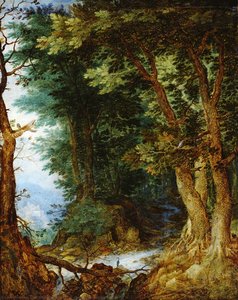
Anteprima in scala reale
 Condividi
 Condividi
 Dettagli
 Guida stampabile

 Scarica
 Articoli simili
 Radiografia
 Slideshow
 Statistiche
The Flood with Noah's Ark


 Leggi tutto
Riproduzione a olio fatta a mano
Olio su tela dipinto a mano nelle tue dimensioni e con la tua cornice, realizzato su ordinazione dai nostri artisti. ( Passa alle stampe Passa all'immagine digitale)




P118B $10

P118H $10

P118W $10

P438Z $10

P508JH $12

P508YH $12

P805H $10

P805Z $10

P919BZ $10

P919G $10

P919XJ $10

P959ZH $10

P968JZ $12

W106C $8

W218G $10

W218JH $8

W218Y $10

W307PJ $10

W316G $10

W316PJ $8

W316Y $10

W398PJ $8

W4111J $10

W500HY $15

W500JH $15

W692G $12

W849H $8

W940BG $15

W953PJ $8




Scegli tra le nostre dimensioni predefinite, che rispettano le proporzioni originali dell'opera d'arte.

È possibile inserire dimensioni personalizzate per adattare l'opera a una cornice o a uno spazio specifico. Se la dimensione selezionata non corrisponde alle proporzioni dell'immagine originale, provvederemo a ritagliare l'opera o a estendere il dipinto con elementi aggiuntivi dipinti a mano. Un mockup digitale ti sarà inviato per approvazione prima dell'inizio della produzione.
Si prega di notare che l'anteprima a schermo non riflette il ritaglio o l'estensione effettivi. Solo il mockup mostrerà accuratamente la composizione finale.
Sebbene siano disponibili dimensioni personalizzate, consigliamo di selezionare una dimensione dall'elenco predefinito per preservare le proporzioni originali.
Dopo l'ordine, il team di OriginalUniqueArt.com contatterà il cliente via e-mail per ricevere le istruzioni e fornirà un'anteprima del mockup
Consegna in tutto il mondo () in 3/4 settimane anziché nelle normali 5 settimane. (25 Settembre). Nessun compromesso sulla qualità.

Spedizione espressa gratuita in tutto il mondo

Tela in lino di alta qualità

Assicurazione completa sulla spedizione

Garanzia di rimborso dei dazi doganali

Garanzia di perfetta fedeltà cromatica

Politica di reso entro 100 giorni (solo per difetti di fabbricazione)

Garanzia di rimborso al 100%

Sconto per acquisti multipli
 L'opzione vetro è disponibile solo per dimensioni inferiori a 110 cm

The Flood with Noah's Ark
Tecnica di riproduzione
Dimensioni della riproduzione
-


Prezzo totale
$ 525
A Biblical Drama Unfolds: Jan Brueghel’s “The Flood with Noah’s Ark”
Jan Brueghel the Elder's "The Flood with Noah’s Ark" is not merely a depiction of a biblical event; it’s a vibrant, teeming panorama of human and animal life caught in the throes of divine judgment. Painted during his prolific career between 1590 and 1620, this monumental Baroque masterpiece transcends its religious subject matter to become a profound meditation on chaos, order, and the precariousness of existence. Measuring an unknown scale – though undoubtedly imposing – the painting immediately commands attention with its sheer density of figures and meticulously rendered details, transporting the viewer directly into the heart of the deluge.
The scene unfolds across a vast, turbulent landscape dominated by a churning body of water. A distant city skyline hints at the world left behind, while in the foreground, a sprawling encampment teems with activity: families huddle together for protection, animals of all shapes and sizes are herded towards the ark, and figures frantically gather supplies. Brueghel’s genius lies not just in his ability to capture this frenetic energy but also in his masterful use of perspective and light. The receding background is rendered with atmospheric depth, creating a sense of immense scale and emphasizing the overwhelming nature of the flood. The foreground, conversely, is intensely detailed, drawing the viewer's eye to the individual faces and gestures of those caught within the unfolding drama.
Baroque Grandeur: Technique and Artistic Influence
Brueghel’s technique exemplifies the hallmarks of the Flemish Baroque style. He employs a rich, layered application of oil paint, utilizing both smooth glazes for depicting figures and drapery and impasto – thick, textured brushstrokes – to convey the ruggedness of the landscape and the urgency of the scene. The color palette is dramatic, dominated by deep blues and greens that evoke the storm-tossed waters, contrasted with warmer tones used to highlight the figures and create a sense of warmth amidst the chaos. Notably, Brueghel’s work demonstrates a clear debt to his father, Pieter Bruegel the Elder, particularly in his ability to depict everyday life within a grand narrative – here, the mundane struggles of humanity are juxtaposed against the monumental event of the Flood.
Furthermore, Brueghel's collaboration with Peter Paul Rubens at the end of his career is evident. The dynamism and dramatic lighting, reminiscent of Rubens’ work, contribute to the painting’s overall impact. The meticulous attention to detail, combined with a masterful understanding of composition and color, elevates “The Flood” beyond a simple illustration of a biblical story; it becomes a powerful statement about human nature and the forces that shape our destiny.
Symbolism and Narrative Depth
Beyond its immediate depiction of Noah’s Ark and the flood, the painting is laden with symbolic meaning. The vast expanse of water represents divine judgment and the destruction of the old world, while the ark itself symbolizes salvation and a new beginning. The diverse array of animals – from lions to doves, oxen to sheep – underscores the universality of God's grace and the inclusion of all creatures in his plan for redemption. Even the distant city skyline can be interpreted as a representation of worldly corruption and the need for moral renewal.
The scene’s chaotic energy also speaks to the precariousness of human existence, reminding us that even the most established societies are vulnerable to sudden and devastating change. The figures' expressions – ranging from fear and anxiety to hope and determination – capture the full spectrum of human emotion in the face of adversity. It is a potent reminder of our shared vulnerability and the enduring power of faith.
A Legacy of Dramatic Vision
“The Flood with Noah’s Ark” remains one of Jan Brueghel the Elder's most celebrated works, admired for its dramatic intensity, technical brilliance, and profound symbolic depth. Reproductions of this iconic painting continue to captivate audiences today, offering a glimpse into the artistic genius of a master painter who skillfully blended religious narrative with humanist observation. Its enduring appeal lies in its ability to evoke both awe and empathy, reminding us of our place within the grand sweep of history and the timeless struggle between chaos and order.
Biografia dell'artista
Jan Brueghel il Vecchio: Una Vita nell'Arte
- Nato: Bruxelles, Belgio (1568)
- Morto: 1625
Jan Brueghel il Vecchio, figura di spicco del movimento barocco fiammingo, nacque in una famiglia profondamente radicata nella tradizione artistica. Come secondo figlio del rinomato pittore neerlandese Pieter Bruegel il Vecchio e fratello di Jan Brueghel il Giovane, ereditò un'eredità che plasmò profondamente la sua carriera. La sua vita e le sue opere riflettono una affascinante intersezione tra l'influenza familiare, gli stili artistici in evoluzione e significativi contributi all'arte del XVII secolo.
Primi Anni e Formazione
Nato a Bruxelles, Jan Brueghel trascorse i suoi primi anni immerso nel mondo dell'arte. Suo padre, Pieter Bruegel il Vecchio, era già un artista celebrato per le sue scene di genere e paesaggi che raffiguravano la vita contadina. Sebbene i dettagli sulla sua formazione formale siano alquanto scarsi, si ritiene ampiamente che abbia ricevuto l'istruzione iniziale da suo padre. Oltre a questa guida familiare, Jan studiò probabilmente sotto altri importanti artisti dell'epoca, assorbendo le tecniche e le filosofie artistiche prevalenti ad Anversa e Bruxelles.
Stile Artistico e Opere Notabili
Jan Brueghel il Vecchio sviluppò uno stile distintivo caratterizzato da una meticolosa attenzione ai dettagli, colori vibranti e abile manipolazione di luce e ombra. Pur essendo influenzato dai lavori precedenti di suo padre, tracciò la sua strada, diventando particolarmente rinomato per i suoi naturemorte, paesaggi e scene allegoriche.
- Meticola Attenzione ai Dettagli: Le sue opere sono celebrate per la loro incredibile attenzione ai dettagli, evidente nella resa di fiori, frutti, insetti e altri elementi naturali.
- Colori Vibranti: Brueghel impiegò una tavolozza ricca, utilizzando colori vibranti per creare profondità, emozione e appeal visivo nelle sue composizioni.
- Sperimentazione con Luce e Ombra: Usò abilmente la luce e l'ombra per creare effetti drammatici ed esaltare il realismo dei suoi dipinti.
Tra le sue opere più notevoli figurano:
- Il Trionfo di Nettuno (Museo del Prado, Spagna): Un capolavoro su larga scala che mostra la sua padronanza del colore e della composizione, raffigurante una sontuosa celebrazione in onore del dio marino.
- Nature Morte con Fiori (Groeninge Museum, Bruges, Belgio): Dimostra la sua eccezionale abilità nel catturare la bellezza e la fragilità degli oggetti di uso quotidiano, in particolare i fiori.
- Paesaggio con Cascata (OriginalUniqueArt.com): Una testimonianza della sua capacità di evocare emozioni attraverso i paesaggi, mostrando una scena naturale serena ma potente.
Influenze e Sviluppo
Sebbene innegabilmente influenzato dall'eredità di suo padre, Jan Brueghel il Vecchio trasse ispirazione anche dalle tendenze artistiche contemporanee. L'ascesa dell'arte barocca nelle Fiandre ebbe un impatto significativo sul suo stile, portando a una maggiore enfasi su dramma, emozione e opulenti dettagli. Collaborò strettamente con Peter Paul Rubens, uno degli artisti più influenti dell'epoca, scambiandosi idee e tecniche che affinarono ulteriormente il suo approccio. Il suo sviluppo vide anche un passaggio da opere puramente basate sul paesaggio a composizioni più complesse che incorporavano elementi allegorici e componenti dettagliate di nature morte.
Eredità e Significato Storico
Jan Brueghel il Vecchio ha lasciato un segno duraturo nel mondo dell'arte, consolidando la sua posizione come figura significativa nel movimento barocco fiammingo. La sua meticolosa attenzione ai dettagli, le vivaci tavolozze di colori e le composizioni innovative continuano a ispirare gli artisti oggi. È particolarmente riconosciuto per aver aperto nuove strade come i dipinti a ghirlanda di fiori e i paesaggi paradisiaci, ampliando le possibilità dell'espressione artistica. Il suo lavoro riflette lo spirito della Controriforma, incorporando motivi religiosi insieme a un crescente interesse per l'osservazione scientifica e la rappresentazione accurata del mondo naturale. La sua influenza si estese oltre la sua stessa vita, influenzando le generazioni successive di pittori fiamminghi e contribuendo al ricco arazzo della storia dell'arte europea.

Jan Brueghel il Vecchio
1568 - 1625 , Belgio
Informazioni rapide
- Artistic Movement Or Style: Barocco Fiammingo
- Artists Or Movements Influenced By This Artist:
- Jan Brueghel il Giovane
- Jan van Kessel
- Pieter Bout
- Adriaen Frans Boudewyns
- Artists Who Influenced This Artist: ['Pieter Bruegel il Vecchio']
- Date Of Birth: 1568
- Date Of Death: 1625
- Full Name: Jan Brueghel il Vecchio
- Nationality: Fiammingo
- Notable Artworks:
- Il Trionfo di Nettuno
- Natura morta con fiori
- Paesaggio con cascata
- Place Of Birth: Bruxelles, Belgio
Articoli correlati
Jan van Kessel the Elder: A Baroque Master of Floral Still Life & Miniature Portraiture
Discover the exquisite detail of Jan van Kessel the Elder's Baroque floral still lifes & captivating miniatures. Explore his artistic legacy, scientific precision, and lasting influence on 17th-century Flemish painting.

I 10 Capolavori Barocchi che Hanno Definito un'Epoca | Arte e Decorazioni di Lusso
Esplora i 10 capolavori barocchi di Caravaggio, Bernini e Rembrandt che hanno rivoluzionato l'arte. Scopri storie, tecniche e colori iconici. Trova riproduzioni d'arte di alta qualità per la tua casa su !

The Dramatic Flourish: Exploring the Baroque Movement's Enduring Legacy in Art History
Explore the dramatic world of Baroque art! Discover iconic artists like Caravaggio & Rubens, defining techniques, and its lasting impact on art history. Expert insights for collectors & enthusiasts at OriginalUniqueArt.
Jan Brueghel il Vecchio: Innovazione e Influenza nella Pittura Fiamminga – Esplorando Paesaggi Allegorici e la Nascita del Barocco
Esplora la vita e l'opera di Jan Brueghel il Vecchio, pioniere del paesaggio allegorico fiammingo. Analisi approfondita della sua tecnica, collaborazioni con Rubens e influenza sul Barocco. Scopri i capolavori e l'eredità di questo maestro.

Il Dramma Barocco: Portare Splendore ed Emozione negli Interni Contemporanei
Scopri come portare il dramma e lo splendore dell'arte barocca nei tuoi interni con . Riproduzioni di alta qualità, consulenza d'arte personalizzata e ispirazione per uno stile unico.