

 Anteprima in scala reale
 Invia
Invia Condividi
 Dettagli opera
 Guida
Guida

 Scarica
 Simili
 Radiografia
 Slideshow
 Q&A
Q&A Statistiche
Lochside Scene


 Espandi i dettagli
Riproduzione a olio fatta a mano
Olio su tela dipinto a mano nelle tue dimensioni e con la tua cornice, realizzato su ordinazione dai nostri artisti. ( Passa alle stampe Passa all'immagine digitale)




P118B €10

P118H €10

P118W €10

P438Z €10

P508JH €12

P508YH €12

P805H €10

P805Z €10

P919BZ €10

P919G €10

P919XJ €10

P959ZH €10

P968JZ €12

W106C €8

W218G €10

W218JH €8

W218Y €10

W307PJ €10

W316G €10

W316PJ €8

W316Y €10

W398PJ €8

W4111J €10

W500HY €15

W500JH €15

W692G €12

W849H €8

W940BG €15

W953PJ €8




Scegli tra le nostre dimensioni predefinite, che rispettano le proporzioni originali dell'opera d'arte.

Inserisci la larghezza e l'altezza desiderate, per adattarle alla tua cornice o alla tua parete. Trattandosi di un'opera dipinta a mano, in caso di dimensioni con un formato differente, l'artista può estendere leggermente il dipinto oltre i bordi dell'immagine o ritagliare una piccola parte — la scelta spetta a te. Ti invieremo un mockup digitale da approvare prima che la realizzazione abbia inizio. L'immagine mostrata in questa pagina non rappresenta il risultato finale — solo il mockup lo fa.
Dopo l'ordine, il team di OriginalUniqueArt.com contatterà il cliente via e-mail per ricevere le istruzioni e fornirà un'anteprima del mockup
Consegna in tutto il mondo () in 3/4 settimane anziché nelle normali 5 settimane. (28 Ottobre). Nessun compromesso sulla qualità.

Spedizione espressa gratuita in tutto il mondo

Tela in lino di alta qualità

Assicurazione completa sulla spedizione

Garanzia di rimborso dei dazi doganali

Garanzia di fedeltà cromatica assoluta

Politica di reso entro 100 giorni (solo per difetti di fabbricazione)

Garanzia di rimborso al 100%

Offerta per acquisti multipli
 L'opzione vetro è disponibile solo per dimensioni inferiori a 110 cm

Lochside Scene
Tecnica di riproduzione
Dimensioni riproduzione
-


Prezzo finale calcolato
€ 264
A Moment of Highland Grace: James William Giles’s “Lochside Scene”
James William Giles' "Lochside Scene," painted in 1838, isn’t merely a depiction of a Scottish landscape; it’s a carefully constructed tableau brimming with the quiet dignity and understated beauty characteristic of the artist’s oeuvre. The scene unfolds along the shores of a loch – likely Loch Lomond or a similar expanse of water – where two figures stand poised on the bank, seemingly lost in contemplation beneath the fading light of a sunset. This isn't a dramatic vista of towering mountains or violent storms; instead, Giles offers us a serene moment, a pocket of tranquility captured with remarkable precision and imbued with a palpable sense of melancholy and reflection.
Giles, born in Aberdeen in 1801, was deeply rooted in the artistic traditions of his region. His early training, largely self-directed within the domestic sphere under his father’s guidance, instilled a profound understanding of light, shadow, and the subtle nuances of color – skills he would later hone through commissions for royalty and aristocratic patrons. His work frequently draws upon the dramatic landscapes of northern Scotland, but it's in this particular piece that we see a shift towards a more intimate and contemplative style. The figures themselves are deliberately indistinct, their faces obscured by the gathering dusk, inviting the viewer to project their own emotions and experiences onto the scene.
The Language of Light and Color
Giles’s technique is characterized by a meticulous attention to detail and an almost photographic realism. He employs a restrained palette – predominantly muted blues, greens, and browns – that perfectly captures the atmospheric conditions of twilight. The light isn't aggressively bright; rather, it’s diffused and softened, creating a sense of gentle melancholy. Notice how he builds up layers of color with delicate brushstrokes, suggesting texture in the water, the foliage, and even the clothing of the figures. The use of chiaroscuro – the dramatic contrast between light and dark – is particularly effective in highlighting the forms and adding depth to the composition. The subtle gradations of tone create a sense of movement and atmosphere, as if the scene is slowly dissolving into the approaching night.
Furthermore, Giles’s mastery lies in his ability to evoke mood through color. The dominant blues and greens speak to the vastness and mystery of the loch, while the warm hues of the setting sun hint at a fleeting moment of beauty before darkness descends. The overall effect is one of quiet contemplation – an invitation to pause and appreciate the simple pleasures of nature.
Symbolism and Context
“Lochside Scene” was painted during a period of significant social and political change in Scotland, following the Highland Clearances and the rise of industrialization. While seemingly a straightforward landscape, the painting can be interpreted as a reflection on themes of loss, memory, and the passage of time. The indistinct figures suggest a sense of isolation and loneliness – perhaps representing individuals grappling with the uncertainties of their era. It’s also worth noting that Giles was commissioned by prominent Scottish families, including the Earl of Aberdeen, suggesting an interest in documenting and celebrating the beauty of his homeland.
The inclusion of the dog, partially obscured in the background, adds another layer of intrigue. Dogs were often associated with loyalty, companionship, and a connection to the natural world – elements that resonated deeply with the Scottish identity. It’s possible that Giles intended the animal to symbolize a bond between the figures or perhaps a longing for simpler times.
A Legacy in Reproduction
Today, “Lochside Scene” is readily available as a high-quality reproduction, allowing art lovers and interior designers alike to bring this evocative landscape into their homes. The meticulous detail and atmospheric quality of the original are faithfully reproduced, capturing the essence of Giles’s artistic vision. Whether adorning a study or a living room, this painting offers a timeless reminder of the beauty and tranquility of the Scottish Highlands – a moment frozen in time, inviting us to contemplate the mysteries of nature and the complexities of human experience.
Domande e risposte
Quale tavolozza e quale emozione si incontrano in "Lochside Scene"?
In "Lochside Scene", i colori di Earthy accompagnano una sensazione Tranquil.
Chi è l'autore di "Lochside Scene" e a quale movimento appartiene?
"Lochside Scene" è stata creata da James William Giles in stile Romanticism. L'artista e il movimento definiscono la tradizione dell'opera.
Dove posso acquistare una stampa di "Lochside Scene" di James William Giles?
"Lochside Scene" è disponibile come una stampa fine art su tela di cotone o carta canvas d'archivio. È possibile effettuare l'ordine nella pagina Stampa Fine Art, scegliendo la dimensione che preferisci.
Biografia dell'artista
Primi Anni e Famiglia
- Nato: 4 gennaio 1801, ad Aberdeen, Regno Unito
- Genitori: Peter Giles (un designer tessile e artista) e Jean Hector
- Difficoltà iniziali: Suo padre abbandonò la famiglia quando James era giovane, lasciandolo a sostenere sua madre e sua sorella.
- Talento artistico precoce: Dimostrò un'attitudine per la pittura fin da tenera età, decorando i coperchi delle scatole da tabacco con ritratti all'età di soli 13 anni.
- Istruzione: Frequentò la Aberdeen Art School.
Formazione Artistica e Primi Anni di Carriera
- Tutoring privato: Iniziò a insegnare disegno privatamente da adolescente.
- Istruzione formale: Viaggiò a Londra (1823) per l'istruzione artistica iniziale, poi a Parigi per studiare sotto Jean François Regnault.
- Soggiorno italiano: Trascorse un anno viaggiando attraverso l'Italia (1824-1825), creando 40 copie di dipinti dei Vecchi Maestri esposti a Oxford nel 1970. Questo viaggio influenzò significativamente il suo stile e lo introdusse agli effetti della luce mediterranea.
- Prime opere: Si concentrò inizialmente sulla pittura di ritratti, castelli e paesaggi delle Highlands.
Stile e Opere Principali
- Stile: Conosciuto per i classici paesaggi con una sensibilità all'atmosfera, alla luce del sole, alle formazioni nuvolose e alle tempeste. I suoi studi sul cielo erano particolarmente notati per la loro originalità. Spesso raffigurava scene di pesca, riflettendo il suo interesse personale per la pesca.
- Influenze: Ispirato dallo stile audace e dagli effetti atmosferici di Turner.
- Opere notevoli:
- "Baillie George Hendry Of Aberdeen" - Un ritratto sorprendente che mostra la sua abilità nel catturare somiglianza e carattere.
- “Un interno a Haddo con George, 4° Conte di Aberdeen, che legge” – Dimostra la sua capacità di creare un'atmosfera cupa all'interno di un ambiente interno.
- Numerosi paesaggi raffiguranti le Highlands scozzesi e la costa.
- Architettura del Paesaggio: Progettò giardini pubblici e monumenti ad Aberdeen, tra cui il Monumento a James McGrigor nel Duthie Park. Ha anche progettato tenute in Aberdeenshire.
Patrocinio Reale e Royal Scottish Academy
- Commissioni reali: Ricevette commissioni dalla Regina Vittoria e dai membri dell'aristocrazia scozzese.
- Il patrocinio della Regina Vittoria: Le sue vedute del Castello di Balmoral convinsero la Regina Vittoria e il Principe Alberto a prendere in affitto e successivamente acquistare la tenuta, e lo assistette nella progettazione dei giardini e del parco intorno al castello.
- Membri Royal Scottish Academy: Eletto Accademico della Royal Scottish Academy nel 1829, un significativo riconoscimento del suo merito artistico.
- Membro fondatore: Co-fondò la Aberdeen Artists Society con Archibald Simpson nel 1827.
Vita Successiva e Legacy
- Morte: Morì il 6 ottobre 1870, nella sua residenza ad Aberdeen.
- Artista dimenticato: Nonostante fosse riconosciuto come un artista vitale durante la sua vita, fu in gran parte dimenticato nei sondaggi successivi sull'arte scozzese, in parte a causa del fatto di aver trascorso la maggior parte della sua carriera ad Aberdeen piuttosto che a Londra.
- Riscoperta: L'interesse recente ha ravvivato l'apprezzamento per il suo lavoro e il contributo all'arte scozzese.
- Versatilità: Ricordato come un artista versatile che eccelleva nella pittura di ritratti, paesaggi e architettura del paesaggio.

James William Giles
1801 - 1870 , Regno Unito
Dettagli rapidi
- Artistic Movement Or Style: Pittura paesaggistica
- Artists Who Influenced This Artist: ['Turner']
- Date Of Birth: 4 gennaio 1801
- Date Of Death: 6 ottobre 1870
- Full Name: James William Giles
- Nationality: Scozzese
- Notable Artworks:
- Baillie George Hendry Of Aberdeen
- An Interior At Haddo
- Dr William Keith
- Place Of Birth: Aberdeen, Regno Unito
Articoli correlati

I 10 Capolavori del Paesaggio Romantico: Arte, Storia e Decorazioni di Lusso
Esplora i 10 capolavori del Paesaggio Romantico con OriginalUniqueArt.com! Caspar David Friedrich, Turner e altri maestri: storia, tecnica e colori che definiscono un'epoca. Trova riproduzioni d'arte di lusso per la tua casa. Scopri la collezione completa online!

James Abbott McNeill Whistler: I 25 Capolavori che Definirono un'Epoca - Arte e Decorazioni di Lusso
Esplora i 25 capolavori di James Abbott McNeill Whistler, il maestro dell'estetismo e dei notturni. Scopri la storia, le tecniche e l'armonia unica nei suoi dipinti più famosi. Stampe d'arte e riproduzioni di alta qualità su OriginalUniqueArt.com.

Sir Alfred James Munnings: I 25 Capolavori che Celebrano la Bellezza del Cavallo e della Campagna Inglese
Esplora i 25 capolavori di Alfred James Munnings, pittore inglese celebrato per la sua arte equestre e i paesaggi rurali. Scopri storie, tecniche e colori unici. Stampe d'arte e riproduzioni su OriginalUniqueArt.com!

James Giles: Capturing Scottish Life Through the Lens of British Realism
Explore the life & work of James Giles (1801-1870), a master of Scottish landscape painting and favored artist of Queen Victoria. Discover his atmospheric realism & royal commissions.
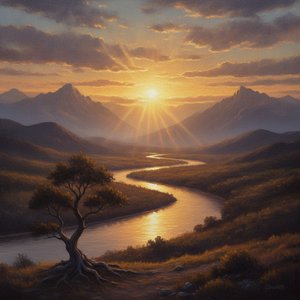
Golden Hour Magic: Capturing the Ethereal Beauty of Sunset Landscapes in Fine Art
Embark on a visual journey through the golden hour. Discover how master painters capture the ethereal glow of sunsets, from Monet's Impressionism to the Hudson River School. Explore timeless techniques and bring the magic of twilight into your home with exquisite fine art reproductions.
