
 Anteprima in scala reale
 Invia
Invia Condividi
 Dettagli opera
 Guida
Guida

 Scarica
 Simili
 Radiografia
 Slideshow
 Domande e risposte
 Statistiche
Man Struggling with a Boa Constrictor, Study for Liboya Serpent Seizing its Prey

- 84.0 x 119.0 cm


 Espandi i dettagli
Giclée / Stampe d'arte
Stampa giclée o su tela di qualità museale, con produzione rapida e diverse opzioni di finitura. ( Acquista il dipinto realizzato a mano Passa all'immagine digitale)




P118B €10

P118H €10

P118W €10

P438Z €10

P508JH €12

P508YH €12

P805H €10

P805Z €10

P919BZ €10

P919G €10

P919XJ €10

P959ZH €10

P968JZ €12

W106C €8

W218G €10

W218JH €8

W218Y €10

W307PJ €10

W316G €10

W316PJ €8

W316Y €10

W398PJ €8

W4111J €10

W500HY €15

W500JH €15

W692G €12

W849H €8

W940BG €15

W953PJ €8




Scegli tra le nostre dimensioni predefinite, che rispettano le proporzioni originali dell'opera d'arte.

Inserisci la larghezza e l'altezza desiderate, per adattarle alla tua cornice o alla tua parete. Una stampa può essere solo ritagliata, mai resa più grande dell'immagine originale; pertanto, un formato con una forma differente comporterà la perdita di una parte dell'opera. Ti invieremo un mockup digitale da approvare prima di procedere con la stampa. L'immagine mostrata in questa pagina non rappresenta il ritaglio reale — solo il mockup lo mostra.
Consegna in tutto il mondo () in 2 settimane invece delle normali 4/5 settimane. (4 Novembre)

Spedizione espressa gratuita in tutto il mondo

Tela in lino di alta qualità

Assicurazione completa sulla spedizione

Garanzia di rimborso dei dazi doganali

Garanzia di fedeltà cromatica assoluta

Politica di reso entro 100 giorni (solo per difetti di fabbricazione)

Garanzia di rimborso al 100%

Offerta per acquisti multipli
 L'opzione vetro è disponibile solo per dimensioni inferiori a 110 cm

Man Struggling with a Boa Constrictor, Study for Liboya Serpent Seizing its Prey
Giclée / Stampe d'arte
Dimensioni riproduzione
-


Prezzo finale calcolato
€ 72
The Visceral Drama of Struggle
Behold the raw intensity captured in James Ward's study, Man Struggling with a Boa Constrictor. This painting is not merely a depiction of wildlife interaction; it is a visceral confrontation rendered on canvas. The composition immediately plunges the viewer into a moment of extreme peril. A man, depicted lying prone with arms outstretched in a gesture of desperate surrender and fight, becomes the focal point against the overwhelming power coiled above him. The boa constrictor dominates the scene, its massive coils wrapping around the victim, suggesting an inescapable embrace. Ward masterfully captures the tension—the taut musculature of the snake juxtaposed against the palpable distress etched onto the man's form. It is a study in opposing forces: life versus constriction, struggle versus inevitable grip.
A Glimpse into Early 19th-Century Naturalism
Created around 1803, this work situates itself within a fascinating period of British art history where the boundaries between scientific illustration and high drama began to blur. James Ward, while celebrated for his animal paintings, imbues his subjects with profound narrative weight. During this era, natural history was both an academic pursuit and a source of Romantic inspiration. Artists were fascinated by the untamed aspects of nature—the sheer power of exotic creatures or the vulnerability of man confronting the wild. This piece reflects that intersection: it is scientifically observed yet emotionally charged, elevating a mere study into a dramatic tableau worthy of contemplation.
Technical Mastery and Emotional Resonance
Ward’s technique here speaks to an acute understanding of anatomy and texture. One can almost feel the slick, powerful scales of the serpent against the yielding flesh of the man. The handling of light is crucial; it seems to illuminate the sweat of fear on the man's skin while simultaneously highlighting the glossy sheen of the snake's hide. For collectors and designers seeking art that commands attention, this piece offers unparalleled drama. It possesses a dynamic energy that prevents it from ever feeling static, making it an extraordinary centerpiece for any space desiring a touch of untamed, dramatic romance.
Symbolism: The Struggle for Autonomy
Beyond the literal struggle between man and beast, the painting resonates with deeper symbolic currents. The boa constrictor has long been a potent symbol in art—representing temptation, primal forces, or inescapable fate. The man’s struggle, therefore, becomes an allegory for humanity's ongoing battle against overwhelming circumstances, whether they be personal demons, societal pressures, or the sheer indifference of nature itself. To own this reproduction is to possess not just a painting, but a meditation on resilience and the enduring human spirit confronting its limits.
Domande e risposte
In quale anno e all'interno di quale movimento è stata realizzata "Man Struggling with a Boa Constrictor, Study for Liboya Serpent Seizing its Prey"?
"Man Struggling with a Boa Constrictor, Study for Liboya Serpent Seizing its Prey" di James Ward risale al 1803 e appartiene al Romanticism.
Quale tavolozza e quale emozione si incontrano in "Man Struggling with a Boa Constrictor, Study for Liboya Serpent Seizing its Prey"?
"Man Struggling with a Boa Constrictor, Study for Liboya Serpent Seizing its Prey" di James Ward unisce una tavolozza Dark a un tono Melancholic.
Quali stati d'animo ed emozioni si fondono in "Man Struggling with a Boa Constrictor, Study for Liboya Serpent Seizing its Prey"?
"Man Struggling with a Boa Constrictor, Study for Liboya Serpent Seizing its Prey" di James Ward trasmette una sensazione Melancholic all'interno di un'atmosfera complessivamente Romantic.
Biografia dell'artista
James Ward: Una Vita nell'Arte Britannica
James Ward (1769-1859) è stato un pittore britannico di spicco, rinomato per le sue affascinanti pitture di animali, paesaggi romantici e ritratti perspicaci. Sebbene spesso eclissato dai suoi contemporanei, il suo stile unico e la sua abilità hanno influenzato significativamente lo sviluppo dell'arte britannica nel XIX secolo.
Primi Anni e Formazione
Nato il 23 ottobre 1769 a Londra, Regno Unito, James Ward era il fratello minore del bozzino William Ward. Le sue prime inclinazioni artistiche furono coltivate in un ambiente familiare creativo. Sebbene abbia ricevuto una certa formazione formale, il suo sviluppo è stato per lo più autodiretto e fortemente influenzato dall'osservazione e dalla pratica.
Sviluppo Artistico & Influenze
La carriera di Ward è convenzionalmente divisa in due periodi distinti riguardo alle influenze. Inizialmente, fino al 1803 circa, la sua opera presentava una forte somiglianza con quella del suo cognato, George Morland, caratterizzata da scene di genere e un'attenzione alla vita quotidiana. Successivamente, è stato profondamente ispirato dal maestro barocco Peter Paul Rubens, adottando una composizione più dinamica, una tavolozza di colori ricca e un uso drammatico della luce e dell'ombra.
Opere Notevoli & Stile Artistico
Lo stile singolare di Ward lo distingueva da molti contemporanei. Eccelleva in vari generi, tra cui pittura storica, ritrattistica, paesaggio e arte animale. Alcune delle sue opere più celebrate includono:
- Gordale Scar (1814/15): Considerata la sua opera maestra, questa drammatica rappresentazione di una gola dello Yorkshire esemplifica le qualità sublimi del Romanticismo inglese.
- The Deer Stealer (1823): Commissionata da Theophilus Levett, questo dipinto mette in mostra l'abilità di Ward nella narrazione e nella rappresentazione degli animali.
- John Levett Hunting at Wychnor, Staffordshire (1817): Un ritratto di uno dei suoi mecenati, che dimostra la sua capacità di catturare sia il somiglianza che l'atmosfera.
I suoi dipinti sono caratterizzati da una meticolosa attenzione ai dettagli, in particolare nel rendering degli animali, combinata con una sensibilità romantica che enfatizza la bellezza e la potenza della natura.
Commissioni & Esposizioni
Ward ha goduto del patrocinio di figure importanti come Theophilus Levett, il che ha portato a numerose commissioni. Ha esposto regolarmente le sue opere alla Royal Academy, ottenendo riconoscimento per la sua abilità e originalità. La sua ammissione come membro nel 1811 ha consolidato la sua posizione all'interno dell'establishment artistico britannico.
Ultimi Anni & Eredità
Ward ha continuato a dipingere prolificamente fino a un ictus nel 1855 che ha interrotto la sua carriera. È morto il 17 novembre 1859 in relativa povertà nonostante i suoi precedenti successi.
Nonostante le difficoltà finanziarie incontrate nella vita, l'influenza di James Ward sull'arte britannica rimane innegabile. La sua miscela unica di realismo e romanticismo ha aperto la strada alle generazioni future di pittori di animali e artisti paesaggisti. Le sue opere sono ora conservate in prestigiose collezioni come Tate Britain e lo Yale Center for British Art.
Significato Storico
James Ward occupa una posizione significativa nella transizione dall'era neoclassica all'era romantica nell'arte britannica. Ha colmato il divario tra la pittura di genere tradizionale e l'interesse crescente per il paesaggio e il naturalismo, lasciando dietro di sé un'eredità di opere affascinanti che continuano a ispirare e deliziare.

James Ward
1769 - 1859 , Regno Unito
Dettagli rapidi
- Artistic Movement Or Style: Romanticismo
- Artists Who Influenced This Artist:
- George Morland
- Peter Paul Rubens
- Date Of Birth: 23 ottobre 1769
- Full Name: James Ward
- Nationality: Britannico
- Notable Artworks:
- Gordale Scar
- Il Ladro di cervi
- John Levett alla caccia a Wychnor
- Place Of Birth: Londra, Regno Unito
Articoli correlati
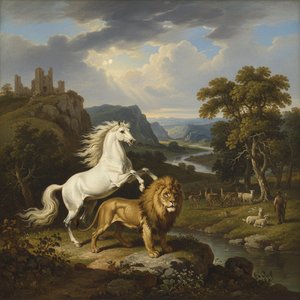
James Ward: A Study in British Romantic Landscape and Animal Painting
Explore the captivating world of James Ward (1769-1859), a master of British Romantic landscape & animal painting. Discover his iconic 'Gordale Scar' and exquisite portraits – a timeless art investment. Learn about his influences, style, and enduring legacy.

James Abbott McNeill Whistler: I 25 Capolavori che Definirono un'Epoca - Arte e Decorazioni di Lusso
Esplora i 25 capolavori di James Abbott McNeill Whistler, il maestro dell'estetismo e dei notturni. Scopri la storia, le tecniche e l'armonia unica nei suoi dipinti più famosi. Stampe d'arte e riproduzioni di alta qualità su OriginalUniqueArt.com.

James Northcote: Bridging Rococo Sensibility with Early British Realism
Explore the fascinating career of James Northcote, bridging Rococo elegance with early British realism. Discover his portraits, Shakespeare Gallery works & insightful art criticism. Learn more at OriginalUniqueArt.
James Netherlands: Bridging Romanticism & Realism in 19th-Century Art
Explore the captivating art of James Netherlands (1799-1870). Discover his stunning Venetian scenes & landscapes, bridging Romanticism and Impressionism. Learn about his technique, legacy, and key works like 'Rotterdam' at OriginalUniqueArt.

I 25 Capolavori di Sir Alfred James Munnings: L'Anima della Campagna Inglese
Scopri i 25 capolavori di Sir Alfred James Munnings tra cavalli e paesaggi. Esplora la collezione su OriginalUniqueArt.com.


