

 Anteprima in scala reale
 Condividi
 Condividi
 Dettagli
 Guida stampabile

 Scarica
 Articoli simili
 Radiografia
 Slideshow
 Statistiche
Gloucestershire Old Spot
 Oil On Panel
- Romantic Landscape
 1805
1805 30.0 x 38.0 cm
 Yale Center for British Art
 Leggi tutto
Giclée / Stampe d'arte
Stampa giclée o su tela di qualità museale, con produzione rapida e diverse opzioni di finitura. ( Ordina la riproduzione dipinta a mano Passa all'immagine digitale)




P118B €10

P118H €10

P118W €10

P438Z €10

P508JH €12

P508YH €12

P805H €10

P805Z €10

P919BZ €10

P919G €10

P919XJ €10

P959ZH €10

P968JZ €12

W106C €8

W218G €10

W218JH €8

W218Y €10

W307PJ €10

W316G €10

W316PJ €8

W316Y €10

W398PJ €8

W4111J €10

W500HY €15

W500JH €15

W692G €12

W849H €8

W940BG €15

W953PJ €8




Scegli tra le nostre dimensioni predefinite, che rispettano le proporzioni originali dell'opera d'arte.

Inserisci la larghezza e l'altezza desiderate, per adattarle alla tua cornice o alla tua parete. Una stampa può essere solo ritagliata, mai resa più grande dell'immagine originale; pertanto, un formato con una forma differente comporterà la perdita di una parte dell'opera. Ti invieremo un mockup digitale da approvare prima di procedere con la stampa. L'immagine mostrata in questa pagina non rappresenta il ritaglio reale — solo il mockup lo mostra.
Consegna in tutto il mondo () in 2 settimane invece delle normali 4/5 settimane. (25 Ottobre)

Spedizione espressa gratuita in tutto il mondo

Tela in lino di alta qualità

Assicurazione completa sulla spedizione

Garanzia di rimborso dei dazi doganali

Garanzia di perfetta fedeltà cromatica

Politica di reso entro 100 giorni (solo per difetti di fabbricazione)

Garanzia di rimborso al 100%

Sconto per acquisti multipli
 L'opzione vetro è disponibile solo per dimensioni inferiori a 110 cm

Gloucestershire Old Spot
Giclée / Stampe d'arte
Dimensioni della riproduzione
-


Prezzo totale
€ 70
James Ward’s Gloucestershire Old Spot: A Romantic Vision of Rural England
James Ward (1769-1859) stands as a pivotal figure in British Romantic landscape painting, often overshadowed by his more celebrated contemporaries yet undeniably influential in shaping the aesthetic sensibilities of his era. This monumental oil on panel depiction – “Gloucestershire Old Spot” – exemplifies Ward’s distinctive approach: capturing not merely visual beauty but also an idealized representation of pastoral life and imbued with subtle symbolic resonance. Let's delve into what makes this artwork so remarkable.A Masterstroke of Genre Painting
Initially, Ward’s artistic trajectory mirrored that of his brother-in-law George Morland, focusing on genre scenes depicting everyday rural life – farmers tending their livestock, bustling market squares, and convivial gatherings around hearth fires. However, by the early 1800s, Ward decisively shifted towards a grander scale, embracing monumental landscapes inspired by Rubens’ masterful compositions. This stylistic evolution is powerfully evident in “Gloucestershire Old Spot,” where Ward abandons Morland's intimate perspective for a panoramic vista that commands attention and invites contemplation. The painting skillfully blends observation with imagination, presenting a scene brimming with activity yet underpinned by an overarching sense of serenity.Technique and Composition: Rubensian Influence
Ward’s technique owes considerable debt to Rubens—a conscious decision reflecting his admiration for the Flemish master's ability to convey emotion through dramatic lighting and masterful brushwork. Notice the thick impasto – heavily textured paint application – particularly prominent in the pig’s coat, creating a palpable physicality that transcends mere representation. This textural richness contributes significantly to the painting’s atmospheric depth, simulating the hazy light of a Gloucestershire afternoon. The composition is carefully balanced, guiding the viewer's eye across the canvas from left to right, punctuated by figures and dogs strategically positioned within the landscape. The placement of the central pig amidst the expansive field underscores its importance as both subject matter and symbolic emblem—representing fertility, prosperity, and the harmonious relationship between humanity and nature.Symbolism Within Pastoral Beauty
Beyond its technical prowess, “Gloucestershire Old Spot” resonates with deeper symbolic meanings characteristic of Romantic art. The idyllic setting – a sunlit Gloucestershire meadow populated by livestock and people – embodies the Romantic ideal of unspoiled wilderness untouched by industrial progress. The pig itself is not merely an animal; it symbolizes abundance and fecundity—a visual shorthand for the promise of future generations. Furthermore, the presence of dogs adds to the narrative complexity, representing loyalty, guardianship, and companionship. They serve as silent witnesses to the unfolding drama of rural life, reinforcing Ward’s overarching message about the beauty and sanctity of the natural world.A Legacy Enduring Through Reproduction
Today, “Gloucestershire Old Spot” resides in the Yale Center for British Art's collection, a testament to Ward’s enduring artistic legacy. Reproductions offer an opportunity to experience this masterpiece firsthand—to appreciate its textural brilliance and immerse oneself in the evocative atmosphere of Victorian England. OriginalUniqueArt.com presents exceptional quality reproductions that faithfully capture the essence of Ward’s vision, allowing art lovers everywhere to bring a piece of Romantic landscape painting into their homes.Domande e risposte
Quale dimensione è consigliata per "Gloucestershire Old Spot" in un/una Living Room?
In un Living Room, si consiglia di stampare "Gloucestershire Old Spot" con una dimensione di Large.
"Gloucestershire Old Spot" di James Ward utilizza forti contrasti o armonie delicate?
La composizione cromatica di "Gloucestershire Old Spot" di James Ward unisce un Balanced contrasto con una Strong Color Unity armonia.
Dove posso acquistare una riproduzione dipinta a mano di "Gloucestershire Old Spot" di James Ward?
"Gloucestershire Old Spot" è disponibile come una riproduzione a olio dipinta a mano su tela di lino. L'ordine può essere effettuato nella sua pagina Riproduzione dipinta a mano, con la possibilità di scegliere tra diverse dimensioni.
Biografia dell'artista
James Ward: Una Vita nell'Arte Britannica
James Ward (1769-1859) è stato un pittore britannico di spicco, rinomato per le sue affascinanti pitture di animali, paesaggi romantici e ritratti perspicaci. Sebbene spesso eclissato dai suoi contemporanei, il suo stile unico e la sua abilità hanno influenzato significativamente lo sviluppo dell'arte britannica nel XIX secolo.
Primi Anni e Formazione
Nato il 23 ottobre 1769 a Londra, Regno Unito, James Ward era il fratello minore del bozzino William Ward. Le sue prime inclinazioni artistiche furono coltivate in un ambiente familiare creativo. Sebbene abbia ricevuto una certa formazione formale, il suo sviluppo è stato per lo più autodiretto e fortemente influenzato dall'osservazione e dalla pratica.
Sviluppo Artistico & Influenze
La carriera di Ward è convenzionalmente divisa in due periodi distinti riguardo alle influenze. Inizialmente, fino al 1803 circa, la sua opera presentava una forte somiglianza con quella del suo cognato, George Morland, caratterizzata da scene di genere e un'attenzione alla vita quotidiana. Successivamente, è stato profondamente ispirato dal maestro barocco Peter Paul Rubens, adottando una composizione più dinamica, una tavolozza di colori ricca e un uso drammatico della luce e dell'ombra.
Opere Notevoli & Stile Artistico
Lo stile singolare di Ward lo distingueva da molti contemporanei. Eccelleva in vari generi, tra cui pittura storica, ritrattistica, paesaggio e arte animale. Alcune delle sue opere più celebrate includono:
- Gordale Scar (1814/15): Considerata la sua opera maestra, questa drammatica rappresentazione di una gola dello Yorkshire esemplifica le qualità sublimi del Romanticismo inglese.
- The Deer Stealer (1823): Commissionata da Theophilus Levett, questo dipinto mette in mostra l'abilità di Ward nella narrazione e nella rappresentazione degli animali.
- John Levett Hunting at Wychnor, Staffordshire (1817): Un ritratto di uno dei suoi mecenati, che dimostra la sua capacità di catturare sia il somiglianza che l'atmosfera.
I suoi dipinti sono caratterizzati da una meticolosa attenzione ai dettagli, in particolare nel rendering degli animali, combinata con una sensibilità romantica che enfatizza la bellezza e la potenza della natura.
Commissioni & Esposizioni
Ward ha goduto del patrocinio di figure importanti come Theophilus Levett, il che ha portato a numerose commissioni. Ha esposto regolarmente le sue opere alla Royal Academy, ottenendo riconoscimento per la sua abilità e originalità. La sua ammissione come membro nel 1811 ha consolidato la sua posizione all'interno dell'establishment artistico britannico.
Ultimi Anni & Eredità
Ward ha continuato a dipingere prolificamente fino a un ictus nel 1855 che ha interrotto la sua carriera. È morto il 17 novembre 1859 in relativa povertà nonostante i suoi precedenti successi.
Nonostante le difficoltà finanziarie incontrate nella vita, l'influenza di James Ward sull'arte britannica rimane innegabile. La sua miscela unica di realismo e romanticismo ha aperto la strada alle generazioni future di pittori di animali e artisti paesaggisti. Le sue opere sono ora conservate in prestigiose collezioni come Tate Britain e lo Yale Center for British Art.
Significato Storico
James Ward occupa una posizione significativa nella transizione dall'era neoclassica all'era romantica nell'arte britannica. Ha colmato il divario tra la pittura di genere tradizionale e l'interesse crescente per il paesaggio e il naturalismo, lasciando dietro di sé un'eredità di opere affascinanti che continuano a ispirare e deliziare.

James Ward
1769 - 1859 , Regno Unito
Informazioni rapide
- Artistic Movement Or Style: Romanticismo
- Artists Who Influenced This Artist:
- George Morland
- Peter Paul Rubens
- Date Of Birth: 23 ottobre 1769
- Full Name: James Ward
- Nationality: Britannico
- Notable Artworks:
- Gordale Scar
- Il Ladro di cervi
- John Levett alla caccia a Wychnor
- Place Of Birth: Londra, Regno Unito
Articoli correlati

James Abbott McNeill Whistler: I 25 Capolavori che Definirono un'Epoca - Arte e Decorazioni di Lusso
Esplora i 25 capolavori di James Abbott McNeill Whistler, il maestro dell'estetismo e dei notturni. Scopri la storia, le tecniche e l'armonia unica nei suoi dipinti più famosi. Stampe d'arte e riproduzioni di alta qualità su OriginalUniqueArt.com.

Sir Alfred James Munnings: I 25 Capolavori che Celebrano la Bellezza del Cavallo e della Campagna Inglese
Esplora i 25 capolavori di Alfred James Munnings, pittore inglese celebrato per la sua arte equestre e i paesaggi rurali. Scopri storie, tecniche e colori unici. Stampe d'arte e riproduzioni su OriginalUniqueArt.com!
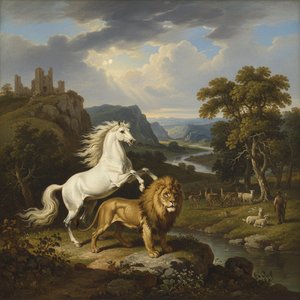
James Ward: A Study in British Romantic Landscape and Animal Painting
Explore the captivating world of James Ward (1769-1859), a master of British Romantic landscape & animal painting. Discover his iconic 'Gordale Scar' and exquisite portraits – a timeless art investment. Learn about his influences, style, and enduring legacy.

I 10 Capolavori del Paesaggio Romantico: Arte, Storia e Decorazioni di Lusso
Esplora i 10 capolavori del Paesaggio Romantico con OriginalUniqueArt.com! Caspar David Friedrich, Turner e altri maestri: storia, tecnica e colori che definiscono un'epoca. Trova riproduzioni d'arte di lusso per la tua casa. Scopri la collezione completa online!
Animalia: Esplorando la Presenza Duratura degli Animali nell'Arte e nel Design d'Interni
Esplora il ruolo affascinante degli animali nell'arte e nel design d'interni. Scopri simbolismi nascosti, capolavori iconici e come portare la bellezza della fauna nella tua casa con .


