

 Anteprima in scala reale
 Condividi
 Condividi
 Dettagli
 Guida stampabile

 Scarica
 Articoli simili
 Radiografia
 Slideshow
 Statistiche
Untitled

 Leggi tutto
Riproduzione a olio fatta a mano
Olio su tela dipinto a mano nelle tue dimensioni e con la tua cornice, realizzato su ordinazione dai nostri artisti. ( Passa alle stampe Passa all'immagine digitale)




































Scegli tra le nostre dimensioni predefinite, che rispettano le proporzioni originali dell'opera d'arte.

Type the width and the height you need, to fit your frame or your wall. This is hand-painted, so for a size with a different shape the artist can paint a bit more around the picture, or cut a bit — you choose. We send you a digital mockup to approve before the painting starts. The picture shown on this page does not show the real result — only the mockup does.
Dopo l'ordine, il team di OriginalUniqueArt.com contatterà il cliente via e-mail per ricevere le istruzioni e fornirà un'anteprima del mockup
Consegna in tutto il mondo () in 3/4 settimane anziché nelle normali 5 settimane. (14 Ottobre). Nessun compromesso sulla qualità.

Spedizione espressa gratuita in tutto il mondo

Tela in lino di alta qualità

Assicurazione completa sulla spedizione

Garanzia di rimborso dei dazi doganali

Garanzia di perfetta fedeltà cromatica

Politica di reso entro 100 giorni (solo per difetti di fabbricazione)

Garanzia di rimborso al 100%

Sconto per acquisti multipli
 L'opzione vetro è disponibile solo per dimensioni inferiori a 110 cm

Untitled
Tecnica di riproduzione
Dimensioni della riproduzione
-


Prezzo totale
€ 282
Biografia dell'artista
L'Imperatore dei Bambini: La Vita e l'Eredità di James Sant
James Sant (1820–1916) si erge come una figura monumentale nella ritrattistica vittoriana, celebrato per la sua capacità impareggiabile di catturare l'essenza dell'infanzia e di infondere nelle sue tele un profondo significato simbolico. Nato a Croydon, nel Surrey, in Inghilterra, il 23 aprile 1820, il percorso artistico di Sant ebbe inizio sotto la guida di luminari come John Varley e Augustus Wall Callere. Questa formazione precoce stabilì una base radicata nella delicata tecnica dell'acquerello, un'abilità che perfezionò con dedizione prima di passare al medium più ricco e robusto della pittura a olio all'età di vent'anni. I suoi anni formativi furono trascorsi studiando presso le Royal Academy Schools, dove assorbì i precetti stilistici che avrebbero definito la sua opera distintiva e lo avrebbero preparato a una vita di prestigiosi incarichi.
La stirpe artistica di Sant si estendeva oltre l'istruzione formale; era fratello di Sarah Sant, un'altra artista di talento, il che suggerisce una dedizione familiare alle arti creative. La sua vita privata era altrettanto intrecciata con interessi intellettuali e botanici, avendo sposato Elizabeth Thomson nel 1851, figlia del Dr. R.M.M. Thomson. Questo legame con il mondo naturale probabilmente influenzò i paesaggi lussureggianti e atmosferici che spesso fungevano da sfondo per i suoi ritratti più intimi. Il suo primo successo arrivò rapidamente con “The Infant Samuel” (1853), una rappresentazione evocativa della maternità che risuonò profondamente nel pubblico e ottenne notevole successo attraverso le incisioni, consacrando di fatto Sant come uno dei più importanti pittori della sua epoca.
Maestria dell'Innocenza e del Simbolismo
Nel corso della sua prolifica carriera, la reputazione di Sant crebbe vertiginosamente, alimentata da commissioni di famiglie illustri e sostenuta da frequenti esposizioni in prestigiose sedi come la Grosvenor Gallery e la Royal Academy. Egli produsse instancabilmente quasi trecento tele per l'esposizione all'accademia, dimostrando un impegno incrollabile verso la propria arte. Il suo lavoro non consisteva mai nella semplice replica dell'apparenza; al contrario, Sant possedeva una straordinaria sensibilità nel catturare le emozioni interiori e trasmettere idee complesse attraverso l'immaginario visivo. Divenne un maestro del simbolismo dell'infanzia, utilizzando la purezza dei giovani soggetti per esplorare temi di innocenza, immaginazione e il passare del tempo.
In capolavori come “The Fairy Tale”, Sant ritrae magistralmente l'innocenza infantile insieme alla contemplazione artistica. Queste opere catturano spesso una fusione armoniosa tra natura e immaginazione, dove teneri momenti tra madre e figlio sono arricchiti da dettagli simbolici e da una tavolozza di colori ricca e vibrante. Allo stesso modo, in opere come “The Infant Timothy”, egli utilizza il formato del ritratto per invitare gli spettatori in un mondo di rilevanza storica ed emozione silenziosa. La sua capacità di intrecciare la profondità narrativa in un singolo fotogramma gli permise di trascendere il semplice ritratto, trasformando ogni tela in una finestra attraverso la quale l'era vittoriana poteva osservare i propri ideali di domesticità e virtù.
Significato Storico e Trionfo Artistico
L'impatto duraturo di James Sant risiede nel suo ruolo di ritrattista ufficiale della Regina Vittoria e nel suo stimato status di membro della Royal Academy. La sua opera funge da vitale documento visivo dello spirito vittoriano, catturando la preoccupazione dell'epoca per il sentimentalismo, la struttura familiare e la romanticizzazione del mondo naturale. Anche quando i movimenti artistici si spostarono verso interpretazioni più moderne alla fine del XIX secolo, la dedizione di Sant alle tradizioni classiche della ritrattistica assicurò il suo posto tra gli artisti più influenti del suo tempo.
Riflettendo sull'ampiezza dei suoi contributi, si potrebbero considerare questi elementi definitivi della sua carriera:
- Evoluzione Tecnica: La transizione fluida dalle delicate basi dell'acquerello a imponenti composizioni a olio.
- Profondità Tematica: L'uso dell'infanzia come veicolo per esplorare complesse emozioni umane e valori sociali.
- Riconoscimento Istituzionale: Un prolifico record di esposizioni alla Royal Academy, che ha cementato il suo status all'interno dell'establishment artistico britannico.
- Arte Narrativa: La capacità di fondere paesaggio e ritrattistica per creare tele "narrative" che risuonano con un senso di atemporalità.
James Sant morì nel 1916, lasciando un'eredità che continua ad incantare gli amanti dell'arte. I suoi dipinti rimangono molto più di semplici manufatti storici; sono viaggi evocativi nel cuore dell'immaginazione vittoriana, preservati attraverso il suo uso magistrale della luce, del colore e dell'anima.

James Sant
1820 - 1916 , Regno Unito
Informazioni rapide
- Artistic Movement Or Style: Victorian Romanticism
- Artists Or Movements Influenced By This Artist: ['French Impressionists']
- Artists Who Influenced This Artist:
- John Varley
- Augustus Wall Callcott
- Date Of Birth: 1820-04-23
- Date Of Death: 1916
- Full Name: James Sant
- Nationality: British
- Notable Artworks:
- The Infant Samuel
- Portrait of the Russell Sisters
- Study Of Two Girls
- Place Of Birth: Croydon, United Kingdom
Articoli correlati

Romantic Realism: The Masterful Fusion of Raw Emotion and Hyper-Realistic Detail for the Modern Collector
Discover the captivating world of Romantic Realism. Explore how master artists blend raw emotion with hyper-realistic detail to create timeless, museum-quality oil paintings perfect for sophisticated modern collectors and luxury home interiors.

I 10 Capolavori del Realismo Romantico che hanno Incantato la Storia dell'Arte
Esplora l'emozione del Realismo Romantico attraverso 10 capolavori senza tempo. Scopri la storia di maestri come Constable e Friedrich e lasciati ispirare da opere iconiche per il tuo arredamento. Trova riproduzioni d'arte di qualità museale su OriginalUniqueArt.com.
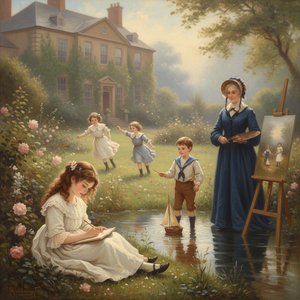
James Sant: Capturing Victorian Childhood & the Evolving Landscape of British Genre Painting
Explore the life & art of James Sant (1820-1916), renowned Victorian portraitist to Queen Victoria. Discover his captivating depictions of childhood, landscapes, and aristocratic society. Learn about his legacy & find fine art reproductions.

James Abbott McNeill Whistler: I 25 Capolavori che Definirono un'Epoca - Arte e Decorazioni di Lusso
Esplora i 25 capolavori di James Abbott McNeill Whistler, il maestro dell'estetismo e dei notturni. Scopri la storia, le tecniche e l'armonia unica nei suoi dipinti più famosi. Stampe d'arte e riproduzioni di alta qualità su OriginalUniqueArt.com.

Sir Alfred James Munnings: I 25 Capolavori che Celebrano la Bellezza del Cavallo e della Campagna Inglese
Esplora i 25 capolavori di Alfred James Munnings, pittore inglese celebrato per la sua arte equestre e i paesaggi rurali. Scopri storie, tecniche e colori unici. Stampe d'arte e riproduzioni su OriginalUniqueArt.com!