
 Anteprima in scala reale
 Invia
Invia Condividi
 Dettagli opera
 Guida
Guida

 Scarica
 Simili
 Radiografia
 Slideshow
 Domande e risposte
 Statistiche
Comité Américain pour les Régions Dévastées de la France


 Espandi i dettagli
Giclée / Stampe d'arte
Stampa giclée o su tela di qualità museale, con produzione rapida e diverse opzioni di finitura. ( Acquista il dipinto realizzato a mano Passa all'immagine digitale)




P118B €10

P118H €10

P118W €10

P438Z €10

P508JH €12

P508YH €12

P805H €10

P805Z €10

P919BZ €10

P919G €10

P919XJ €10

P959ZH €10

P968JZ €12

W106C €8

W218G €10

W218JH €8

W218Y €10

W307PJ €10

W316G €10

W316PJ €8

W316Y €10

W398PJ €8

W4111J €10

W500HY €15

W500JH €15

W692G €12

W849H €8

W940BG €15

W953PJ €8




Scegli tra le nostre dimensioni predefinite, che rispettano le proporzioni originali dell'opera d'arte.

Inserisci la larghezza e l'altezza desiderate, per adattarle alla tua cornice o alla tua parete. Una stampa può essere solo ritagliata, mai resa più grande dell'immagine originale; pertanto, un formato con una forma differente comporterà la perdita di una parte dell'opera. Ti invieremo un mockup digitale da approvare prima di procedere con la stampa. L'immagine mostrata in questa pagina non rappresenta il ritaglio reale — solo il mockup lo mostra.
Consegna in tutto il mondo () in 2 settimane invece delle normali 4/5 settimane. (6 Novembre)

Spedizione espressa gratuita in tutto il mondo

Tela in lino di alta qualità

Assicurazione completa sulla spedizione

Garanzia di rimborso dei dazi doganali

Garanzia di fedeltà cromatica assoluta

Politica di reso entro 100 giorni (solo per difetti di fabbricazione)

Garanzia di rimborso al 100%

Offerta per acquisti multipli
 L'opzione vetro è disponibile solo per dimensioni inferiori a 110 cm

Comité Américain pour les Régions Dévastées de la France
Giclée / Stampe d'arte
Dimensioni riproduzione
-


Prezzo finale calcolato
€ 72
A Testament to Resilience: The Committee Américain pour les Régions Dévastées de la France
James Earle Fraser’s “Comité Américain pour les Régions Dévastées de la France” is more than a bronze medallion; it's a poignant artifact of a specific historical moment and a testament to the enduring spirit of human compassion. Created in 1919, amidst the immediate aftermath of World War I, this striking piece captures a pivotal chapter in transatlantic relations – the American response to the devastation inflicted upon France by years of brutal conflict. The medallion’s central figure, a stylized bird poised with outstretched wings, immediately evokes the imagery of a phoenix rising from the ashes, symbolizing rebirth and hope amidst profound loss. This isn't merely a depiction of a bird; Fraser masterfully imbues it with an air of dignified strength, suggesting resilience and the promise of recovery.
The intricate embossed details—the carefully rendered feathers, the subtle curve of the beak, the powerful stance—speak volumes about Fraser’s technical skill. The bronze itself, chosen for its durability and ability to capture fine detail, lends a weighty gravitas to the image. Beyond the purely aesthetic qualities, the medallion's design is deeply symbolic. The bird, often associated with divinity and renewal, represents the American commitment to aiding France in rebuilding its shattered nation. Surrounding the central figure are lines of French text – “COMITE AMERICAIN POUR LES REGIONS DEVASTEE DE LA FRANCE” – a clear declaration of purpose and affiliation, grounding the artwork within its specific historical context. The inclusion of the date "1919" serves as a vital marker, anchoring the piece to this crucial period of reconstruction and international aid.
The Legacy of Fraser: A Sculptor Shaped by the American West
James Earle Fraser’s artistic journey is inextricably linked to the spirit of the American West. Born in Winona, Minnesota, in 1876, his childhood was profoundly shaped by his family's connection to the frontier – his father an engineer involved in the westward expansion and his mother tracing her lineage back to the Pilgrims. This unique heritage instilled within him a deep appreciation for both the rugged beauty of the American landscape and the complex history of its people. Fraser’s early exposure to Native American culture, fostered through friendships with local children, profoundly influenced his artistic vision, informing his later works with a nuanced understanding of indigenous traditions.
Fraser's apprenticeship under Augustus Saint-Gaudens proved formative, solidifying his commitment to realism and shaping his distinctive style. However, it was Fraser’s own experiences – particularly his involvement in the American Committee for Devastated France – that truly cemented his place as a significant artist of the 20th century. This commission wasn't simply about creating a commemorative medal; it demanded an understanding of human suffering and a commitment to humanitarian action. His ability to translate these complex emotions into a single, powerful image is a testament to his artistic talent and his empathy for others.
A Window into Post-War France: The Committee's Mission
The “Comité Américain pour les Régions Dévastées de la France” itself represents a remarkable chapter in transatlantic history. Established in 1919, the committee was formed by Anne Morgan and her friend Anne Murray Dike to provide aid and support to the French regions ravaged by World War I. The devastation was immense – entire towns were reduced to rubble, infrastructure lay in ruins, and countless lives had been lost. The American Committee’s efforts focused on providing essential supplies, rebuilding homes, and offering psychological support to the displaced population.
Fraser's medallion serves as a visual representation of this vital mission. It’s not just a symbol of American generosity; it’s a reminder of the immense challenges faced by France in its recovery process. The choice of a bird, a universal emblem of hope and renewal, underscores the committee’s belief that even from the depths of despair, a brighter future could be built. The medallion's creation coincided with a period of intense international cooperation as nations sought to rebuild Europe after the horrors of war – a testament to the enduring power of human connection and shared responsibility.
Collecting a Piece of History: Reproductions & Beyond
Today, reproductions of “Comité Américain pour les Régions Dévastées de la France” offer art enthusiasts and collectors a tangible link to this significant historical moment. OriginalUniqueArt.com provides high-quality reproductions that faithfully capture the intricate details and powerful symbolism of Fraser’s original work. Whether displayed in a private collection or incorporated into an interior design scheme, this medallion serves as a poignant reminder of resilience, compassion, and the enduring spirit of international cooperation. Its historical significance, combined with Fraser's masterful artistry, makes it a truly exceptional piece for any discerning collector.
Domande e risposte
Quale tonalità dominante caratterizza "Comité Américain pour les Régions Dévastées de la France" di James Earle Fraser?
Una tonalità Golden Yellow Range attraversa l'opera "Comité Américain pour les Régions Dévastées de la France" di James Earle Fraser.
I colori di "Comité Américain pour les Régions Dévastées de la France" di James Earle Fraser sono saturi o desaturati?
"Comité Américain pour les Régions Dévastées de la France" di James Earle Fraser presenta una saturazione Balanced Soft.
Quanti anni aveva James Earle Fraser quando ha creato "Comité Américain pour les Régions Dévastées de la France" nel 1919?
James Earle Fraser aveva 43 anni quando ha creato "Comité Américain pour les Régions Dévastées de la France" nel 1919. L'età è calcolata sulla base dell'anno di nascita dell'artista, 1876.
Biografia dell'artista
Primi Anni di Vita e Formazione
- Nascita e Famiglia: James Earle Fraser nacque il 4 novembre 1876 a Winona, Minnesota, da Thomas Alexander Fraser e Caroline E. (West) Fraser.
- Origini Familiari: La linea materna della madre risaliva ai Pellegrini di Plymouth, mentre suo padre era un ingegnere coinvolto nell'espansione ferroviaria verso il West americano.
- Primi Contatti con l'Ovest: La famiglia si trasferì vicino a Mitchell, nel Dakota del Sud, quando James aveva quattro anni, immergendolo nella vita di frontiera e nella cultura dei nativi americani. Il lavoro del padre nel recupero dei resti della battaglia di Little Bighorn ebbe un profondo impatto sulla sua crescita.
- Inizi Artistici: Fraser iniziò a scolpire con lastre di pietra calcarea trovate vicino alla sua casa, dimostrando un precoce talento artistico.
- Formazione Formale: Studiò all'Art Institute of Chicago nel 1890 e successivamente a Parigi presso l'École des Beaux Arts e l'Académie Julian.
Sviluppo Artistico e Influenze
- Mentorship con Saint-Gaudens: Fraser fu assistente di Augustus Saint-Gaudens, un eminente scultore, che influenzò significativamente il suo stile e la sua tecnica.
- Influenza Impressionista: Il suo lavoro rifletteva l'enfasi del movimento impressionista sulla cattura di momenti fugaci e della luce naturale.
- Temi dell'Ovest Americano: L'arte di Fraser si concentrò costantemente su temi legati all'Ovest americano, ai nativi americani e alla vita di frontiera, derivanti dalle sue esperienze infantili.
- Carriera Insegnante: Insegnò all'Art Students League di New York City dal 1906, diventandone in seguito direttore, condividendo le sue conoscenze e la sua passione per la scultura.
- Collaborazione con Laura Gardin Fraser: Sua moglie, Laura Gardin Fraser, era anch'essa una talentuosa scultrice e collaborarono a diversi progetti, tra cui la mezza dollaro del Oregon Trail Memorial.
Opere Principali e Riconoscimenti
- End of the Trail (1894-1915): Questa iconica scultura raffigura un nativo americano stanco a cavallo, che simboleggia il declino della loro cultura e del loro stile di vita. Originariamente creata come pezzo in gesso nel 1894, acquisì importanza alla Esposizione Internazionale Panama-Pacifico del 1915.
- Buffalo Nickel (1913): Fraser progettò il Buffalo nickel, ufficialmente noto come Indian Head nickel, con un ritratto di un nativo americano e un bisonte americano. Rimane una delle monete più amate e riconoscibili nella storia degli Stati Uniti.
- Sculture Architettoniche a Washington D.C.: Contribuì significativamente al paesaggio architettonico di Washington, D.C., con sculture alla Corte Suprema (L'Autorità della Legge e La Contemplazione della Giustizia), agli Archivi Nazionali, all'Edificio del Tesoro e al Memoriale Jefferson.
- Altre Opere Notevoli: Queste includono *For Humanity Obverse* (1918) e *Comité américain pour les régions dévastées de la France* (1919), che dimostrano la sua versatilità nella progettazione di medaglie.
Eredità e Significato Storico
- Simbolismo dell'Ovest Americano: L'opera di Fraser catturò lo spirito e le complessità dell'Ovest americano, offrendo una rappresentazione sfumata della sua storia e del suo popolo.
- Impatto sull'Arte Numiastica: Il Buffalo nickel rimane un esempio celebrato di realizzazione artistica nella progettazione di monete, influenzando i successivi lavori numismatici.
- Riconoscimenti e Premi: Ricevette numerosi premi, tra cui la medaglia Saltus dall'American Numismatic Society e la medaglia d'oro dal National Institute of Arts and Letters.
- Ispirazione Continua: Le sculture di Fraser continuano a ispirare artisti e storici oggi, ricordando il passato dell'America e il suo continuo dialogo culturale.
- Il suo lavoro è parte integrante di molte delle strutture più iconiche di Washington, D.C., consolidando il suo posto nella storia dell'arte americana.
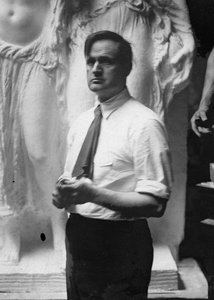
James Earle Fraser
1876 - 1953 , Stati Uniti d'America
Dettagli rapidi
- Artisti Che Lo Influenzarono: ['Augustus Saint-Gaudens']
- Data Di Morte: 11 ottobre 1953
- Data Di Nascita: 4 novembre 1876
- Luogo Di Nascita: Winona, USA
- Movimento Artistico: Realismo, Impressionismo
- Nazionalità: Americana
- Nome Completo: James Earle Fraser
- Opere Notevoli:
- End of the Trail
- Buffalo Nickel
Articoli correlati

James Otto Lewis: Navigating American Modernism Through Regional Identity & Stylistic Innovation
Explore the captivating portraits of James Otto Lewis, a pivotal figure bridging 19th-century realism & American Modernism. Discover his groundbreaking work documenting Native American culture and regional identity.

Grant Wood e il Regionalismo Americano: Identità, Mito e Paesaggio Rurale
Esplora il Regionalismo Americano con Grant Wood e i suoi capolavori. Analisi approfondita di 'American Gothic', contesto storico, influenze artistiche e l'eredità di questo movimento iconico. Scopri la vera essenza dell'arte rurale americana.

James Abbott McNeill Whistler: I 25 Capolavori che Definirono un'Epoca - Arte e Decorazioni di Lusso
Esplora i 25 capolavori di James Abbott McNeill Whistler, il maestro dell'estetismo e dei notturni. Scopri la storia, le tecniche e l'armonia unica nei suoi dipinti più famosi. Stampe d'arte e riproduzioni di alta qualità su OriginalUniqueArt.com.

James Bard: Luce e Paesaggio nell'Impressionismo Americano – Uno Sguardo sull'Evoluzione Marittima
Scopri James Bard, il pittore americano del XIX secolo che immortalò l'epoca dei battelli a vapore. Analisi approfondita della sua tecnica naïf e dell'evoluzione artistica americana. Valutazioni e storia delle sue opere.

I 25 Capolavori di Sir Alfred James Munnings: L'Anima della Campagna Inglese
Scopri i 25 capolavori di Sir Alfred James Munnings tra cavalli e paesaggi. Esplora la collezione su OriginalUniqueArt.com.