

 Anteprima in scala reale
 Invia
Invia Condividi
 Dettagli opera
 Guida
Guida

 Scarica
 Simili
 Radiografia
 Slideshow
 Q&A
Q&A Statistiche
LOUP DEVORANT UNE BREBIS


 Espandi i dettagli
Giclée / Stampe d'arte
Stampa giclée o su tela di qualità museale, con produzione rapida e diverse opzioni di finitura. ( Acquista il dipinto realizzato a mano Passa all'immagine digitale)




P118B €10

P118H €10

P118W €10

P438Z €10

P508JH €12

P508YH €12

P805H €10

P805Z €10

P919BZ €10

P919G €10

P919XJ €10

P959ZH €10

P968JZ €12

W106C €8

W218G €10

W218JH €8

W218Y €10

W307PJ €10

W316G €10

W316PJ €8

W316Y €10

W398PJ €8

W4111J €10

W500HY €15

W500JH €15

W692G €12

W849H €8

W940BG €15

W953PJ €8




Scegli tra le nostre dimensioni predefinite, che rispettano le proporzioni originali dell'opera d'arte.

Inserisci la larghezza e l'altezza desiderate, per adattarle alla tua cornice o alla tua parete. Una stampa può essere solo ritagliata, mai resa più grande dell'immagine originale; pertanto, un formato con una forma differente comporterà la perdita di una parte dell'opera. Ti invieremo un mockup digitale da approvare prima di procedere con la stampa. L'immagine mostrata in questa pagina non rappresenta il ritaglio reale — solo il mockup lo mostra.
Consegna in tutto il mondo () in 2 settimane invece delle normali 4/5 settimane. (28 Ottobre)

Spedizione espressa gratuita in tutto il mondo

Tela in lino di alta qualità

Assicurazione completa sulla spedizione

Garanzia di rimborso dei dazi doganali

Garanzia di fedeltà cromatica assoluta

Politica di reso entro 100 giorni (solo per difetti di fabbricazione)

Garanzia di rimborso al 100%

Offerta per acquisti multipli
 L'opzione vetro è disponibile solo per dimensioni inferiori a 110 cm

LOUP DEVORANT UNE BREBIS
Giclée / Stampe d'arte
Dimensioni riproduzione
-


Prezzo finale calcolato
€ 71
The Drama of Nature's Edge: An Encounter with Brascassat
To stand before Jacques Raymond Brascassat’s Loup Devorant une Brebis (The Wolf Devouring a Sheep) is to be plunged instantly into the raw, untamed heart of Romanticism. This painting is far more than a mere depiction of pastoral life; it is a visceral confrontation with nature's inherent brutality and the fragility of innocence. Brascassat, celebrated as a pioneer in animal painting, possessed an almost unparalleled gift for rendering creatures not just anatomically, but psychologically. Here, the composition explodes with kinetic energy. The viewer’s eye is immediately drawn into the central vortex of action—the wolf's menacing form poised against the scattering flock. It captures that fleeting, terrifying moment where order dissolves into primal instinct.
Mastery in Technique and Atmosphere
Technically, the work is a breathtaking display of 19th-century oil painting prowess on canvas. Brascassat employs a palette dominated by rich, earthy tones—deep greens, ochres, and shadowed browns that ground the scene in believable wilderness. Yet, this grounded realism is elevated by dramatic contrasts. Observe how the sunlight struggles to penetrate the dense foreground foliage; these filtered highlights of yellow and white lend an almost ethereal quality to the otherwise brutal subject matter. The artist’s brushwork itself speaks volumes: it appears loose and expressive when capturing the agitated movement of the fleeing sheep, contrasting sharply with the more defined textures found in the rough bark of the fallen log or the musculature of the predator. This interplay between detailed rendering and sweeping gesture gives the piece its profound sense of depth and immediacy.
Symbolism: The Eternal Struggle
Beyond the technical brilliance lies a deep layer of symbolism that has captivated art lovers for generations. The wolf, universally recognized as the embodiment of wild danger or unchecked appetite, confronts the sheep, the quintessential symbol of vulnerability, purity, and gentle life. This dynamic tension—the predator versus the prey—is not merely narrative; it is an allegory. It speaks to the perennial human struggle between civilization and savagery, between safety and peril. For the collector or decorator, this piece offers a potent focal point for any room, inviting contemplation on themes of guardianship, risk, and survival.
A Romantic Echo for Modern Spaces
For those seeking art that possesses both historical weight and undeniable emotional resonance, Loup Devorant une Brebis remains profoundly compelling. Its dramatic scope makes it a magnificent statement piece, capable of anchoring an entryway or serving as the centerpiece in a grand salon. While its subject matter is intense, the overall effect—the masterful control over light, shadow, and movement—lends it a sophisticated drama that complements both traditional and modern interiors. Owning a reproduction allows one to bring this captured moment of sublime natural conflict into your home, transforming a simple wall space into a gallery of raw, untamed emotion.
Domande e risposte
Quale formato di stampa di "LOUP DEVORANT UNE BREBIS" di Jacques Raymond Brascassat si adatta meglio alla stanza consigliata?
Per un Lounge, si consiglia di stampare "LOUP DEVORANT UNE BREBIS" con una dimensione di Medium.
Quanto sono vivaci i colori di "LOUP DEVORANT UNE BREBIS"?
"LOUP DEVORANT UNE BREBIS" di Jacques Raymond Brascassat presenta una saturazione di Balanced Soft e un'intensità di Balanced.
Quale tavolozza e quale emozione si incontrano in "LOUP DEVORANT UNE BREBIS"?
La tavolozza Earthy di "LOUP DEVORANT UNE BREBIS" di Jacques Raymond Brascassat si sposa con il suo tono emotivo Tense. Il colore è uno dei mezzi attraverso cui un'opera trasmette emozioni.
Biografia dell'artista
Jacques Raymond Brascassat: Un pioniere della pittura animalista
Jacques Raymond Brascassat (30 agosto 1804 – 28 febbraio 1867) si staglia come una figura singolare nel Romanticismo francese, celebrato principalmente per le sue straordinarie raffigurazioni di animali, un genere che ha elevato a livelli senza precedenti di realismo e profondità psicologica. Nato a Bordeaux, in Francia, il percorso artistico di Brascassat ebbe inizio sotto la guida di Louis Hersent presso l'École des Beaux-Arts di Parigi, dove affinò le proprie doti e si assicurò un prestigioso secondo posto nel concorso del Prix de Rome del 1825 con “La caccia di Meleagro”, affermandosi come un artista di notevole promessa. Questo successo precoce fu il presagio di una dedizione vitale volta a catturare l'essenza del mondo naturale attraverso un'osservazione meticolosa e una tecnica magistrale.- Influenze primordiali: La sensibilità artistica di Brascassat fu profondamente plasmata dagli ideali romantici, caratterizzati da una fascinazione per l'emozione, l'immaginazione e la sublime bellezza dei paesaggi incontaminati. Il fervore nel ritrarre scene drammatiche tratte dalla mitologia e dal folklore risuonamento profondamente in lui, influenzando le sue scelte stilistiche.
- Soggiorno italiano e studi sul paesaggio: Riconoscendo l'importanza di fondare la visione artistica sull'esperienza diretta, Brascassat viaggiò ampiamente in Italia tra il 1827 e il 1835. Durante questo periodo, si immerse nello studio dei paesaggi italiani, in particolare di quelli intrisi di grandezza e dramma atmosferico, tracciando ispirazione da maestri come Claude Lorrain e Nicolas Poussin. Questi anni formativi gli trasmisero una profonda comprensione della pittura tonale e dell'equilibrio compositivo.
L'ascesa della pittura animalista: La lotta tra i tori e oltre
Il focus artistico di Brascassat si spostò rapidamente verso la pittura di animali, consacrandolo come uno dei massimi esponenti di questo complesso genere. A differenza di molti artisti del suo tempo che prediligevano rappresentazioni idealizzate, Brascassat perseguì incessantemente l'accuratezza, catturando non solo l'aspetto fisico degli animali, ma anche il loro comportamento e i loro stati emotivi. La sua iconica opera “Lotta tra i tori” (1837), conservata al Musée d'Arts di Nantes, in Francia, esemplifica questo impegno verso il realismo, presentando un ritratto viscerale dello scontro tra toro e matador con straordinario dettaglio e sfumatura psicologica. Allo stesso modo, la sua “Mucca attaccata dai lupi” (1845), esposta al Museo di Belle Arti di Lipsia, in Germania, mostra una rappresentazione altrettanto potente della lotta animale, a testimonianza della capacità di Brascassat di trasmettere emozione attraverso il linguaggio visivo.Tecnica e visione artistica
Il metodo artistico di Brascassat era caratterizzato da un approccio meticoloso alla pittura tonale. Egli costruiva con cura strati di colore, utilizzando sottili gradazioni per creare profondità atmosferica e restituire la consistenza del manto animale con una precisione sorprendente. Le sue tele pulsavano di vita, infuse di un senso di movimento ed emozione quasi palpabile. I dipinti di Brascassat non erano semplici rappresentazioni di animali; erano esplorazioni delle loro vite interiori, espressioni di coraggio, vulnerabilità e istinto primordiale.Riconoscimento e eredità
La dedizione incrollabile di Brascassat alla sua arte gli valse un considerevole prestigio durante la sua vita. Fu eletto membro dell'Académie française nel 1846, un onore prestigioso che riconosceva il suo merito artistico e il suo contributo intellettuale, consolidando il suo posto tra i principali artisti della Francia. Sebbene sia morto prematuramente all'età di sessantadue anni, l'influenza di Brascassat è perdurata, ispirando le generazioni successive di pittori ad abbracciare il realismo e la profondità psicologica nelle loro raffigurazioni animali. La sua eredità duratura risiede non solo nelle sue splendide opere d'arte, ma anche nel suo ruolo pionieristico di difensore dell'osservazione naturalistica, un pilastro fondamentale del progresso artistico.
Jacques Raymond Brascassat
1804 - 1867 , Francia
Dettagli rapidi
- Artistic Movement Or Style: Realismo
- Artists Or Movements Influenced By This Artist: ['Rosa Bonheur']
- Artists Who Influenced This Artist: ['Louis Hersent']
- Date Of Birth: 1804
- Date Of Death: 1867
- Full Name: Jacques Raymond Brascassat
- Nationality: Francese
- Notable Artworks:
- La lotta dei tori
- Mucca attaccata dai lupi
- Place Of Birth: Bordeaux, Francia
Articoli correlati

Trasforma i tuoi ricordi in capolavori Anime: l'arte che prende vita con la maestria dell'Impressionismo
Trasforma i tuoi ricordi più preziosi in autentici capolavori impressionisti. Offriamo riproduzioni a olio su tela realizzate interamente a mano da maestri esperti. Un ponte tra memoria e arte per creare un'eredità senza tempo nella tua casa. Scopri la nostra eccellenza artigianale.
Animalia: Esplorando la Presenza Duratura degli Animali nell'Arte e nel Design d'Interni
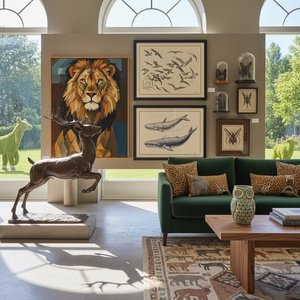
Esplora il ruolo affascinante degli animali nell'arte e nel design d'interni. Scopri simbolismi nascosti, capolavori iconici e come portare la bellezza della fauna nella tua casa con .

The Enduring Legacy of Fine Art Prints: Technique, History & Aesthetic Impact
Explore the rich history & techniques of fine art prints. Discover investment potential, assess authenticity, and learn how to preserve your collection with expert guidance. Trusted insights for discerning collectors.

Da Selfie a Capolavoro Anime: Trasforma i tuoi Ricordi in Arte Eterna con l'IA di OriginalUniqueArt
Trasforma i tuoi selfie in iconici capolavori anime con l'innovativa IA di OriginalUniqueArt. Uniamo tecnologia d'avanguardia e la maestria della pittura a olio fatta a mano per creare ritratti unici, eterni e pronti da appendere. Scopri l'arte che celebra la tua storia.

Giclée Prints: Archival Quality & Aesthetic Nuances for the Discerning Collector
Explore the world of giclée prints with OriginalUniqueArt. Learn about archival quality, aesthetic nuances & investment potential. Expert guidance for discerning art collectors seeking museum-quality reproductions and lasting value.