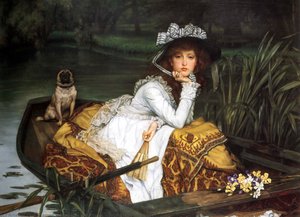
Anteprima in scala reale
 Invia
Invia Condividi
 Dettagli opera
 Guida
Guida

 Scarica
 Simili
 Radiografia
 Slideshow
 Statistiche
The Exodus


 Espandi i dettagli
Giclée / Stampe d'arte
Stampa giclée o su tela di qualità museale, con produzione rapida e diverse opzioni di finitura. ( Acquista il dipinto realizzato a mano Passa all'immagine digitale)




P118B €10

P118H €10

P118W €10

P438Z €10

P508JH €12

P508YH €12

P805H €10

P805Z €10

P919BZ €10

P919G €10

P919XJ €10

P959ZH €10

P968JZ €12

W106C €8

W218G €10

W218JH €8

W218Y €10

W307PJ €10

W316G €10

W316PJ €8

W316Y €10

W398PJ €8

W4111J €10

W500HY €15

W500JH €15

W692G €12

W849H €8

W940BG €15

W953PJ €8




Scegli tra le nostre dimensioni predefinite, che rispettano le proporzioni originali dell'opera d'arte.

Inserisci la larghezza e l'altezza desiderate, per adattarle alla tua cornice o alla tua parete. Una stampa può essere solo ritagliata, mai resa più grande dell'immagine originale; pertanto, un formato con una forma differente comporterà la perdita di una parte dell'opera. Ti invieremo un mockup digitale da approvare prima di procedere con la stampa. L'immagine mostrata in questa pagina non rappresenta il ritaglio reale — solo il mockup lo mostra.
Consegna in tutto il mondo () in 2 settimane invece delle normali 4/5 settimane. (28 Ottobre)

Spedizione espressa gratuita in tutto il mondo

Tela in lino di alta qualità

Assicurazione completa sulla spedizione

Garanzia di rimborso dei dazi doganali

Garanzia di fedeltà cromatica assoluta

Politica di reso entro 100 giorni (solo per difetti di fabbricazione)

Garanzia di rimborso al 100%

Offerta per acquisti multipli
 L'opzione vetro è disponibile solo per dimensioni inferiori a 110 cm

The Exodus
Giclée / Stampe d'arte
Dimensioni riproduzione
-


Prezzo finale calcolato
€ 71
A Dramatic Testament to Faith: Jacques Tissot’s “The Exodus”
Jacques Joseph Tissot's "The Exodus," painted in 1902, is more than just a depiction of a biblical narrative; it’s a meticulously rendered testament to faith, human resilience, and the profound drama of a pivotal moment in history. Measuring a modest 6 x 29 cm, this work transcends its diminutive size through Tissot's masterful command of light, composition, and detail – hallmarks of his distinctive style that secured him recognition within the vibrant artistic circles of late 19th-century Paris.
Subject Matter and Narrative Composition
The painting vividly portrays a scene from the Book of Exodus, capturing the moment of Moses leading the Israelites out of Egypt. Tissot doesn’t simply illustrate the event; he imbues it with palpable emotion. The central figure of Moses, holding aloft his staff to part the Red Sea – a gesture instantly recognizable and deeply symbolic – dominates the composition, drawing the viewer's eye immediately. Surrounding him are figures representing the diverse group of people embarking on this arduous journey, their expressions ranging from hope and determination to anxiety and uncertainty. The inclusion of individuals positioned at the left and right edges subtly reinforces the sense of movement and progression, mirroring the unfolding narrative.
Technique and Artistic Style
Tissot was renowned for his meticulous realism and his ability to capture the nuances of human emotion and fashion. “The Exodus” exemplifies these qualities. Executed in oil on canvas, the painting showcases a remarkably detailed rendering of textures – from the rough linen garments of the Israelites to the shimmering surface of the water. Tissot’s use of light is particularly noteworthy; he employs soft, diffused illumination to create a sense of atmosphere and drama, emphasizing the grandeur of the scene while simultaneously highlighting the vulnerability of the figures. His technique, heavily influenced by academic traditions yet infused with a distinctly modern sensibility, resulted in works that were both technically impressive and emotionally resonant.
Symbolism and Historical Context
The symbolism within “The Exodus” is layered and profound. The parting of the Red Sea represents not only a physical escape but also a spiritual liberation – a transition from bondage to freedom, from darkness to light. Tissot’s depiction aligns with the broader artistic and religious currents of his time, reflecting a renewed interest in biblical narratives and their moral lessons. Painted in 1902, towards the end of Tissot's career, the work demonstrates a culmination of his stylistic development, showcasing his ability to blend historical accuracy with emotional depth.
Emotional Impact and Collector’s Value
"The Exodus" possesses an enduring power that continues to captivate viewers. It evokes feelings of awe, wonder, and perhaps even a sense of shared humanity – reminding us of the universal themes of faith, perseverance, and hope. As a hand-painted reproduction by OriginalUniqueArt.com, this artwork offers a unique opportunity to own a piece of art history, capturing not just an iconic biblical scene but also the artistic genius of Jacques Joseph Tissot. Its size makes it ideal for smaller spaces, while its subject matter ensures it will remain a timeless and evocative addition to any collection or interior design scheme.
Domande e risposte
Cosa rappresenta "The Exodus" di Jacques Joseph Tissot?
I soggetti di "The Exodus" sono biblical narrative, moses leadership, exodus event, ancient egypt landscape, religious symbolism, pastoral scene, staff gesture, divine intervention.
Qual è l'orientamento di "The Exodus" di Jacques Joseph Tissot?
"The Exodus" di Jacques Joseph Tissot ha un formato Panoramic. Il formato descrive le proporzioni della composizione.
Dove posso trovare opere d'arte simili a "The Exodus" di Jacques Joseph Tissot?
Le opere simili a "The Exodus" sono elencate nella pagina Opere simili dell'opera.
Biografia dell'artista
Early Life and Artistic Beginnings
Jacques Joseph Tissot, born October 15, 1836, in Nantes, France, was destined for a life steeped in artistic passion from his earliest years. His father, a drapery merchant, instilled in him an appreciation for craftsmanship and detail—qualities that would profoundly shape his artistic vision. Simultaneously, his mother, a milliner, nurtured his sensitivity to beauty and fashion, exposing him to the vibrant world of Parisian society. Despite familial responsibilities, Tissot relentlessly pursued his artistic ambitions, enrolling at the École des Beaux-Arts in Paris where he honed his skills under the tutelage of luminaries like Ingres, Flandrin, and Lamothe. This formative period cemented his commitment to painting as a vocation and established him firmly within the influential Parisian art milieu.The Salon Years and Recognition
Tissot’s debut at the Paris Salon in 1861 marked a pivotal moment—the unveiling of “The Meeting of Faust and Marguerite,” a dramatic tableau that captivated audiences and garnered considerable acclaim from critics. Purchased by the state for inclusion in the Luxembourg Gallery, this ambitious undertaking signaled Tissot's burgeoning reputation as a painter capable of capturing complex narratives and conveying profound emotion. Subsequent Salon exhibitions solidified his position within the artistic establishment, showcasing his evolving style and attracting commissions from prominent patrons. His early successes fueled confidence and propelled him toward exploring new subjects and techniques—a trajectory that would ultimately define his illustrious career.Genre Painting and Parisian Society
Tissot’s artistic breakthrough arrived with his series “La Femme à Paris,” a meticulously observed depiction of the demi-mondaine world of late Victorian London. These paintings, characterized by their luminous color palettes and masterful rendering of textures—particularly fabrics—became synonymous with capturing the allure and dynamism of Parisian high society. Tissot's meticulous attention to detail extended beyond mere visual representation; he sought to convey not only appearances but also psychological nuances, reflecting the anxieties and aspirations of his subjects. His work stands as a testament to Impressionistic influences blended with realism, offering an unparalleled glimpse into the social customs and artistic sensibilities of the Belle Époque.Biblical Themes and Japonisme
Throughout his prolific output, Tissot embraced diverse artistic inspirations—ranging from medieval narratives to biblical scenes—demonstrating remarkable versatility. His depictions of religious subjects, imbued with spiritual depth and emotional resonance, showcased his ability to elevate visual storytelling into profound contemplation. Simultaneously, he was captivated by Japonisme—the fascination with Japanese art and aesthetics that swept across Europe during the Victorian era—evident in compositions infused with asymmetrical arrangements and subtle color harmonies reminiscent of Japanese prints. This stylistic fusion underscored Tissot’s intellectual curiosity and his willingness to experiment with innovative artistic approaches.Later Years and Legacy
Tissot's life took a dramatic turn when he enlisted in the Franco-Prussian War, serving on the French side—an experience that undoubtedly shaped his worldview. Following the war’s conclusion, he relocated to London where he pursued etching alongside Sir Seymour Haden and honed his artistic skills through portrait commissions and caricatures for Vanity Fair. His relationship with Kathleen Newton blossomed into a passionate companionship, providing him with enduring inspiration for numerous paintings. Tragically, Newton succumbed to tuberculosis in 1882—a profound loss that deeply affected Tissot’s creative output. Despite this sorrowful chapter, he continued to produce exceptional artwork until his death in 1902. Today, Jacques Joseph Tissot's legacy resides in museums across Europe and North America—most notably the Musée National Jean-Jacques Henner in Paris—where his celebrated paintings continue to inspire admiration for their artistic brilliance and evocative portrayal of Victorian life and faith. His enduring influence on genre painting and Impressionism secures his place as one of France’s most distinguished artists of the 19th century.
Jacques Joseph Tissot
1836 - 1902 , Francia
Dettagli rapidi
- Artistic Movement Or Style: Genre Painting
- Artists Or Movements Influenced By This Artist: ['Impressionism']
- Artists Who Influenced This Artist:
- Jean-Auguste Ingres
- Gustave Courbet
- Date Of Birth: October 15, 1836
- Date Of Death: August 8, 1902
- Full Name: Jacques Joseph Tissot
- Nationality: French
- Notable Artworks:
- The Meeting of Faust and Marguerite
- La Femme à Paris
- Place Of Birth: Nantes, France
Articoli correlati
Draped Narratives: Fashion as Symbol & Subject in Historical Art
Explore the fascinating history of fashion as a symbol of power & status in art! Discover masterpieces from Gainsborough to Tissot and learn how clothing shaped societal narratives. Find museum-quality reproductions at OriginalUniqueArt.
Jacques Joseph Tissot: Cronista della Belle Époque e l'Evoluzione Narrativa nell'Arte del XIX Secolo
Esplora la vita e le opere di Jacques Joseph Tissot, il cronista della Belle Époque. Analisi approfondita del suo stile unico, l'influenza dei contesti sociali e artistici, e l'eredità duratura di questo maestro dell'arte ottocentesca.
Illuminating Faith: Biblical Scenes & Their Enduring Legacy in Art History
Explore the profound history of biblical art! Discover Renaissance masterpieces by Giotto & more. Uncover symbolism, artistic techniques, and lasting influence. Expert insights at OriginalUniqueArt.
Illuminating Faith: Biblical Narrative & Artistic Expression Through the Ages
Explore the rich history of biblical art from Giotto to the Renaissance masters with OriginalUniqueArt. Discover symbolism, techniques & enduring legacies. Museum-quality reproductions & expert insights.
Sacred Narratives on Canvas: Exploring Biblical Art Across Centuries
Explore the rich history of biblical art from Giotto to the Renaissance masters. Discover symbolism, techniques & enduring legacies with OriginalUniqueArt – your source for museum-quality reproductions and expert art insights.