Anteprima in scala reale
 Condividi
 Condividi
 Dettagli
 Guida stampabile

 Scarica
 Articoli simili
 Radiografia
 Slideshow
 Statistiche
Walter Richard Sickert
 Oil On Canvas
- WallArt
- Realism
 1898
1898- 19th Century
 81.0 x 65.0 cm
 Leggi tutto
Riproduzione a olio fatta a mano
Olio su tela dipinto a mano nelle tue dimensioni e con la tua cornice, realizzato su ordinazione dai nostri artisti. ( Passa alle stampe Passa all'immagine digitale)




































Scegli tra le nostre dimensioni predefinite, che rispettano le proporzioni originali dell'opera d'arte.

Inserisci la larghezza e l'altezza di cui hai bisogno, per adattarle alla tua cornice o alla tua parete. Trattandosi di un'opera dipinta a mano, in caso di dimensioni con una forma differente, l'artista può dipingere un po' più oltre i bordi dell'immagine o ritagliare leggermente — la scelta spetta a te. Ti invieremo un mockup digitale da approvare prima che la pittura abbia inizio. L'immagine mostrata in questa pagina non rappresenta il risultato reale — solo il mockup lo fa.
Dopo l'ordine, il team di OriginalUniqueArt.com contatterà il cliente via e-mail per ricevere le istruzioni e fornirà un'anteprima del mockup
Consegna in tutto il mondo () in 3/4 settimane anziché nelle normali 5 settimane. (23 Ottobre). Nessun compromesso sulla qualità.

Spedizione espressa gratuita in tutto il mondo

Tela in lino di alta qualità

Assicurazione completa sulla spedizione

Garanzia di rimborso dei dazi doganali

Garanzia di perfetta fedeltà cromatica

Politica di reso entro 100 giorni (solo per difetti di fabbricazione)

Garanzia di rimborso al 100%

Sconto per acquisti multipli
 L'opzione vetro è disponibile solo per dimensioni inferiori a 110 cm

Walter Richard Sickert
Tecnica di riproduzione
Dimensioni della riproduzione
-


Prezzo totale
€ 264
A Gaze Through Time: The Introspective Soul of Jacques-Émile Blanche
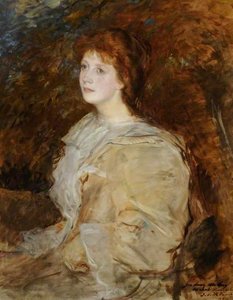
In the quiet, shadowed corners of late nineteenth-century Parisian art, few works capture the profound weight of identity as poignantly as this 1898 portrait. While the title suggests a connection to the gritty realism of Walter Richard Sickert, the hand behind this masterful oil on canvas is none other than Jacques-Élamile Blanche, a painter whose lineage and training placed him at the very heart of the French Belle Époque. This piece serves as more than just a depiction of a man; it is an invitation into a private moment of contemplation. The subject sits in a poised, seated pose, his presence commanding the space through a subtle, angled perspective that pulls the viewer directly into his steady, searching gaze. It is a composition that feels both intimate and monumental, perfect for a collector seeking a centerpiece that breathes life and history into a sophisticated interior.
The technique employed here is a masterclass in the use of light and texture, reminiscent of the great masters who preceded him. Blanche utilizes a directional light source originating from the upper left, a choice that does not merely illuminate but actively sculpts the subject's features. This chiaroscuro effect creates deep, dramatic shadows that define the contours of the face and the heavy folds of the clothing, lending the figure a three-dimensional vitality. The artist’s brushwork is remarkably tactile; through an impasto-like application of oil paint, he achieves a rich, layered texture that invites the eye to wander over the canvas. One can almost feel the weight of the fabric and the warmth of the skin, as the organic curves of the subject's hands and face are set against the more structured, geometric lines of his attire.
Beyond its technical brilliance, the painting resonates with a deep sense of psychological depth. The background is intentionally dark and indistinct, a void that strips away the distractions of the outside world to focus entirely on the subject's internal state. This stylistic choice fosters an atmosphere of introspection and perhaps a touch of artistic vanity, as if the sitter is acutely aware of his own legacy being captured for eternity. Subtle symbolic elements, such as the formal hat, hint at the social standing and professional dignity of the era, yet the overall mood remains grounded in a raw, human realism. For the interior designer or art enthusiast, this work offers a profound emotional impact—it is a piece that does not merely decorate a wall but anchors a room with its silent, powerful narrative of character and permanence.
Domande e risposte
In che anno è stata creata "Walter Richard Sickert" di Jacques-Émile Blanche?
"Walter Richard Sickert" risale al 1898. La data colloca l'opera all'interno della carriera di Jacques-Émile Blanche e della sua epoca.
"Walter Richard Sickert" di Jacques-Émile Blanche è un'opera dai toni chiari o scuri?
La luminosità percepita di "Walter Richard Sickert" di Jacques-Émile Blanche è deep_shadow. Può essere armonizzata con la luce dello spazio destinato all'opera.
Chi è l'autore di "Walter Richard Sickert" e a quale movimento appartiene?
Dietro "Walter Richard Sickert" si trovano Jacques-Émile Blanche e il movimento Realism.
Biografia dell'artista
early life and training
jacques-émile blanche was born on january 1, 1861, in paris, france. he came from a family of successful physicians and grew up in the neighborhood of passy, where he was surrounded by affluent families and renowned artists. blanche's father, émile blanche, was a noted pathologist who encouraged his son's artistic interests. as a young boy, jacques-émile met many famous writers and painters, including edouard manet, who would later become a significant influence on his work.artistic career
blanche was largely self-taught, but he did receive some instruction from henri gervex and ferdinand humbert. in 1881, one of his paintings was accepted at the salon des artistes français, marking the beginning of his successful artistic career. throughout his life, blanche submitted many paintings to the salon and exhibited with various reputable societies. his work was characterized by loose brushwork and a restricted color scheme, which gave his portraits and landscapes a unique, impressionist feel. he often worked in london, where he spent time from 1870, as well as paris, where he exhibited at the salon from 1882 to 1889 and the société nationale des beaux-arts from 1890. blanche's ability to capture a sitter's personality is particularly apparent in his portrait of aubrey beardsley (1895; national portrait gallery, london), for whose novel, *under the hill*, blanche wrote the preface. he also painted the composer claude debussy (untraced), the poet pierre louÿs, and the dancer vaclav nijinsky (1934; dublin, ng & 1935; london, ng).influences and style
blanche's style was influenced by edouard manet and james mcneill whistler, two artists he greatly admired. like them, blanche sought to capture the truth of his models, often using bold, expressive brushstrokes to convey their personalities. his portraits of elegant women and men, such as "portrait of marcel proust", are renowned for their sensitivity and insight.notable works and exhibitions
blanche's many portraits are evidence not only of his talent but also of the range of his social connections. among the painter's most famous works are portraits of marcel proust (private collection, paris), the poet pierre louÿs, the thaulow family (musée d'orsay, paris), aubrey beardsley (national portrait gallery, london), and yvette guilbert and the infamous beauty virginia oldoini, countess of castiglione. he made a generous bequest of his own paintings, and those he had collected, to the nearby musée des beaux-arts in rouen, where they remain on display today.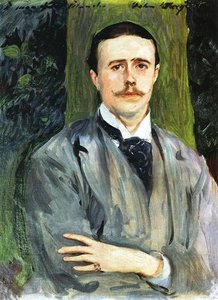
Jacques-Émile Blanche
1861 - 1942 , Francia
Informazioni rapide
- Artistic Movement Or Style: Impressionism
- Artists Who Influenced This Artist:
- Edouard Manet
- James McNeill Whistler
- Date Of Birth: January 1, 1861
- Date Of Death: September 30, 1942
- Full Name: Jacques Émile Blanche
- Nationality: French
- Notable Artworks:
- The Kreutzer Sonata
- Portrait of Marcel Proust
- Place Of Birth: Paris, France
Articoli correlati

I 10 Capolavori Impressionisti che Hanno Rivoluzionato il Paesaggio Pittorico
Esplora i 10 capolavori impressionisti che hanno rivoluzionato il paesaggio pittorico! Monet, Renoir e altri maestri catturati in stampe su tela di alta qualità. Trova l'arte perfetta per la tua casa su OriginalUniqueArt.com.
Renoir: I 25 Capolavori Essenziali per Amare l'Impressionismo | OriginalUniqueArt
Esplora i 25 capolavori di Renoir, l'icona dell'Impressionismo! Scopri la storia, le tecniche e i colori vibranti dei suoi dipinti più famosi. Trova riproduzioni artistiche di alta qualità per decorare casa tua su OriginalUniqueArt.com.
Jacques-Émile Blanche e la Belle Époque: Uno Studio sulla Ritrattistica e la Società del Tempo
Esplora la vita e l'opera di Jacques-Émile Blanche, maestro della ritrattistica Belle Époque. Analisi approfondita del suo stile unico e del contesto sociale che ha plasmato i suoi capolavori. Scopri come OriginalUniqueArt rende accessibile l'arte.

Capturing Light: A Masterclass in the Ethereal Beauty of Impressionistic Landscapes
Explore the ethereal beauty of Impressionist landscapes. Discover how masters like Monet captured fleeting light through color and texture, and learn to curate these timeless, luminous masterpieces for your home collection.

I 10 Capolavori dell'Impressionismo Realista: Arte, Storia e Decorazioni Raffinate
Esplora i 10 capolavori dell'Impressionismo Realista con OriginalUniqueArt.com! Monet, Renoir e altri maestri rivisitati: storia, tecnica e colori unici per la tua casa. Scopri l'arte online e arreda con stile.