Passa alle stampe
 Espandi i dettagli







































 Per opere d'arte o riproduzioni con un lato superiore a 105 cm (circa 41 pollici), la cornice verrà spedita in forma di kit smontato. Questo metodo garantisce una consegna sicura e previene danni durante il trasporto.


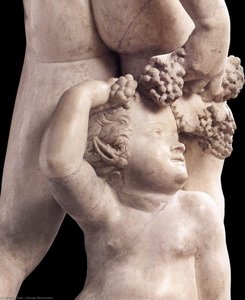
Jacopo Sansovino’s St James: A Florentine Masterpiece of Classical Grace
Within the serene confines of the Florence Cathedral stands Jacopo Sansovino's "St James," a sculpture that embodies the Renaissance spirit of classical revival and profound humanism. Completed in 1511, this marble figure transcends mere representation; it’s an embodiment of idealized form, imbued with a quiet dignity and a subtle dynamism that continues to captivate viewers centuries later. The work isn't simply a depiction of the apostle – it’s a carefully constructed meditation on balance, proportion, and the very essence of human beauty, reflecting Sansovino’s deep engagement with ancient Greek and Roman sculpture.
Sansovino’s training in Florence, under the tutelage of Andrea Sansovino, laid the foundation for his distinctive style. He was profoundly influenced by the rediscovery of classical antiquity during this period, a movement that sought to recapture the perceived perfection of the ancient world. This influence is immediately apparent in “St James,” where the figure’s pose – a contrapposto stance reminiscent of Roman statues – establishes a visual connection to the past. The careful attention to anatomical detail, particularly in the musculature and drapery, demonstrates Sansovino's mastery of sculpture and his commitment to accurately representing the human form.
The Language of Form: Technique and Composition
Crafted from pristine white marble, “St James” showcases Sansovino’s exceptional technical skill. The surface is remarkably smooth, achieved through meticulous polishing – a technique that highlights the material's inherent beauty while subtly suggesting its weight and solidity. Notice how light plays across the figure, creating delicate gradations of tone and revealing the subtle curves of the drapery. This masterful manipulation of light and shadow not only enhances the sculpture’s three-dimensionality but also contributes to its overall sense of realism.
The composition is equally deliberate. The figure is positioned within a niche or alcove, creating a sense of enclosure that draws the viewer's eye inward. This framing device emphasizes the importance of the subject and reinforces the sculpture’s role as a focal point within the cathedral space. Sansovino skillfully uses vertical lines – established by the figure’s posture and the architectural setting – to create a sense of stability and monumentality, while subtle curves in the drapery introduce a dynamic element that prevents the composition from feeling static.
Symbolism and Spiritual Resonance
Beyond its technical brilliance, “St James” is rich in symbolic meaning. The contrapposto pose itself – with one leg bearing weight and the other relaxed – represents balance, harmony, and the inherent dignity of humanity. It’s a gesture that speaks to both physical strength and spiritual grace. The flowing robes, draped around the figure's body, evoke a sense of modesty and reverence, suggesting the apostle’s role as a messenger of God.
Furthermore, St James is often associated with humility and service – qualities deeply valued in Christian tradition. The sculpture’s serene expression and dignified posture convey a profound sense of inner peace and devotion. It's not merely an image of a saint; it’s an invitation to contemplate the virtues of faith, compassion, and selflessness.
A Legacy of Renaissance Art
“St James” stands as a testament to Jacopo Sansovino’s artistic genius and his pivotal role in shaping the Florentine Renaissance. His work exemplifies the period's fascination with classical ideals while simultaneously imbuing them with a distinctly humanistic sensibility. The sculpture’s enduring appeal lies not only in its technical mastery but also in its ability to evoke a sense of timeless beauty, spiritual contemplation, and profound emotional resonance. Reproductions of this masterpiece offer a remarkable opportunity to experience the artistry and spirit of the Renaissance firsthand.
Domande e risposte
Con quale tecnica è realizzato "St James"?
"St James" è realizzata con Acrylic On Canvas.
Per quale motivo lo stato del copyright di "St James" è questo?
"St James" di Jacopo Sansovino è di di pubblico dominio - il copyright è scaduto. La durata del copyright decorre dalla morte dell'artista, avvenuta nel 1570.
Quale colore risalta di più in "St James"?
Il colore dominante di "St James" di Jacopo Sansovino è Gray (#8e8e8e).
Maggiori informazioni su questo dipinto
 Anteprima in scala reale
 Invia
Invia Condividi
 Dettagli opera
 Guida
Guida

 Scarica
 Simili
 Radiografia
 Slideshow
 Domande e risposte
 Statistiche