

 Anteprima in scala reale
 Condividi
 Condividi
 Dettagli

 Scarica immagine
 Articoli simili
 Radiografia
 Slideshow
Neptune


 Leggi tutto
Riproduzione a olio fatta a mano
Olio su tela dipinto a mano nelle tue dimensioni e con la tua cornice, realizzato su ordinazione dai nostri artisti. ( Ordina stampa Acquista download)




P118B $10

P118H $10

P118W $10

P438Z $10

P508JH $12

P508YH $12

P805H $10

P805Z $10

P919BZ $10

P919G $10

P919XJ $10

P959ZH $10

P968JZ $12

W106C $8

W218G $10

W218JH $8

W218Y $10

W307PJ $10

W316G $10

W316PJ $8

W316Y $10

W398PJ $8

W4111J $10

W500HY $15

W500JH $15

W692G $12

W849H $8

W940BG $15

W953PJ $8




Scegli tra le nostre dimensioni predefinite, che rispettano le proporzioni originali dell'opera d'arte.

È possibile inserire dimensioni personalizzate per adattare l'opera a una cornice o a uno spazio specifico. Se la dimensione selezionata non corrisponde alle proporzioni dell'immagine originale, provvederemo a ritagliare l'opera o a estendere il dipinto con elementi aggiuntivi dipinti a mano. Un mockup digitale ti sarà inviato per approvazione prima dell'inizio della produzione.
Si prega di notare che l'anteprima a schermo non riflette il ritaglio o l'estensione effettivi. Solo il mockup mostrerà accuratamente la composizione finale.
Sebbene siano disponibili dimensioni personalizzate, consigliamo di selezionare una dimensione dall'elenco predefinito per preservare le proporzioni originali.
Dopo l'ordine, il team di OriginalUniqueArt.com contatterà il cliente via e-mail per le istruzioni e fornirà un'anteprima del mockup
Consegna in tutto il mondo () in 3/4 settimane anziché nelle normali 5 settimane. (22 Agosto). Nessun compromesso sulla qualità.

Spedizione espressa gratuita in tutto il mondo

Tela in lino di alta qualità

Assicurazione completa sulla spedizione

Garanzia di rimborso dei dazi doganali

Garanzia di fedeltà cromatica dell'originale

Politica di reso entro 60 giorni (solo per difetti di fabbricazione)

Garanzia di rimborso al 100%

Sconto per acquisti multipli
 L'opzione vetro è disponibile solo per dimensioni inferiori a 110 cm

Neptune
Tecnica di riproduzione
Dimensioni della riproduzione
-


Prezzo totale
$ 300
Descrizione dell'opera
Jacopo Sansovino’s Neptune: A Testament to Neoclassical Grandeur
Jacopo Sansovino's monumental 1554 sculpture of Neptune stands as a cornerstone of Venetian Renaissance art, embodying the ideals of classical beauty and masterful craftsmanship. Commissioned for Piazza San Marco, Venice, this colossal marble statue captures the essence of Roman mythology—specifically, Poseidon—the god of the sea—a figure revered throughout antiquity for his dominion over turbulent waters and divine authority.
- Subject Matter & Mythology: The sculpture portrays Neptune in a commanding pose, seated upon a throne adorned with intricate carvings reflecting classical motifs. His muscular physique meticulously rendered demonstrates Sansovino’s dedication to anatomical realism—a hallmark of Neoclassical style—drawing inspiration from Greek sculptural traditions.
- Style & Technique: Sansovino's approach aligns perfectly with the Neoclassical movement, prioritizing clarity and balance alongside meticulous detail. Photographically documented by Giovanni Battista Brustamante, the statue’s surface showcases a remarkable level of polish achieved through painstaking carving and polishing—a testament to the sculptor’s skill and patience.
- Architectural Context: Neptune resides within an ornate archway and columns designed by Sansovino himself, further enhancing its grandeur. This architectural setting underscores the sculpture's significance as part of a larger artistic project intended to elevate Piazza San Marco into a symbol of Venetian prestige and civic pride.
The statue’s symbolism extends beyond mere representation; it embodies strength, control, and the unpredictable power of the ocean—qualities that resonated deeply with Renaissance patrons who sought to convey notions of divine majesty and imperial grandeur. Sansovino skillfully utilizes light and shadow to accentuate the texture of the marble, creating a dramatic interplay that draws attention to Neptune’s musculature and drapery.
- Material & Composition: Crafted from Carrara marble—renowned for its purity and translucency—the sculpture exemplifies the artistic standards of its time. Sansovino's masterful composition emphasizes frontal perspective, presenting Neptune as a focal point within the architectural framework—a deliberate choice to convey stability and dignity.
- Emotional Impact: Viewing Neptune evokes a profound sense of awe and reverence—a reflection of the sculpture’s monumental scale and its connection to enduring mythological narratives. It serves as an inspiring reminder of the artistic achievements of the Renaissance, inviting contemplation on themes of power, beauty, and timeless grandeur.
Sansovino's Neptune remains a captivating exemplar of Neoclassical sculpture—a masterpiece that continues to inspire admiration for its technical brilliance and symbolic depth. Its presence in Piazza San Marco solidified Venice’s position as a cultural epicenter during the Renaissance, ensuring its legacy would endure for centuries to come.
Biografia dell'artista
Early Life and Florentine Training
Jacopo Sansovino, born Jacopo Tatti in Florence around 1486, experienced a formative artistic journey beginning in his native city. Initially apprenticed to an unknown sculptor, he quickly demonstrated talent and ambition. In 1511, he received significant commissions, including marble sculptures of St. James for the Duomo and a Bargello-displayed Hart statue. A notable episode occurred in 1518 when his designs for the Santa Maria Gloriosa dei Frari were rejected by Michelangelo, highlighting the competitive artistic climate of Florence. He shared a studio with painter Andrea del Sarto from 1511-1515, further enriching his understanding of Renaissance art. Sansovino’s early work reflects a blend of High Renaissance ideals and emerging Mannerist tendencies.Roman Period and Architectural Development
Following a period in Rome (1519-1527), coinciding with the Sack of Rome, Sansovino's career trajectory shifted dramatically. His Roman experience exposed him to broader architectural influences and honed his skills. During this time he created St. Onofrio and Thomas Rangone. The upheaval in Rome prompted his move to Venice, where he would achieve lasting fame.Venetian Masterpieces and Architectural Legacy
Sansovino’s arrival in Venice marked the beginning of his most prolific period. Appointed architect to the Venetian Republic, he embarked on a series of ambitious projects that transformed the city's architectural landscape. His masterpiece is undoubtedly the Biblioteca Marciana, begun around 1537 and completed over fifty years later. This richly decorated Renaissance structure, located across from the Doge’s Palace in the Piazzetta, exemplifies his ability to blend classical architecture with Venetian decorative sensibilities. Other significant Venetian works include:- The Ca' de Dio hospital.
- The Palazzo Corner.
- The Palazzo Loredan.
- Designs for the Piazza San Marco.
Influence and Historical Significance
Jacopo Sansovino’s historical significance lies in his role as a pivotal figure bridging the High Renaissance and Mannerism. His ability to synthesize classical ideals with Venetian decorative traditions created a unique architectural style that influenced generations of artists and architects. He was a mentor to sculptors Alessandro Vittoria and Danese Cataneo. Sansovino’s work demonstrates a mastery of both sculpture and architecture, solidifying his place as one of the most important Renaissance artists. His legacy continues to inspire appreciation for Venetian art and architecture.
Jacopo Sansovino
1486 - 1570 , Italia
Informazioni rapide
- Artistic Movement Or Style: Rinascimento Veneziano
- Artists Or Movements Influenced By This Artist:
- Andrea Palladio
- Alessandro Vittoria
- Artists Who Influenced This Artist:
- Michelangelo
- Andrea del Sarto
- Date Of Birth: Circa 1486
- Full Name: Jacopo Sansovino
- Nationality: Italiana
- Notable Artworks:
- Biblioteca Marciana
- Ca' de Dio
- Palazzo Corner
- Piazza San Marco (design)
Articoli correlati

I 10 Capolavori Bronzei che Hanno Rivoluzionato la Storia dell'Arte | OriginalUniqueArt
Esplora i 10 capolavori bronzei che hanno segnato la storia dell'arte! Da Rodin a Michelangelo, scopri le storie e le tecniche dietro queste sculture iconiche. Trova riproduzioni d'arte di alta qualità per decorare la tua casa con OriginalUniqueArt.com.

The Enduring Form: Exploring Themes & Techniques in Sculpture Across Historical Periods
Explore the rich history of sculpture from ancient masterpieces to contemporary innovations. Discover key techniques, influential artists & investment potential for discerning art collectors.

I 10 Capolavori in Bronzo che Hanno Rivoluzionato la Storia dell'Arte | OriginalUniqueArt
Esplora i 10 capolavori in bronzo che hanno segnato la storia dell'arte! Da Michelangelo a Rodin, scopri le storie e le tecniche dietro queste statue iconiche. Trova riproduzioni artistiche di alta qualità per decorare casa tua con OriginalUniqueArt.com.
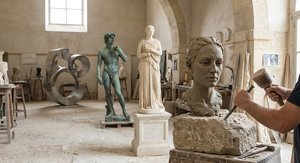
The Enduring Form: Sculpture Across History, Technique & Emotional Resonance
Explore the rich history of sculpture with OriginalUniqueArt. Discover key techniques, influential artists & investment potential for discerning collectors. Expert insights into valuing and collecting timeless masterpieces.

The Enduring Allure of Marble in Art History: From Classical Sculpture to Modern Abstraction
Explore the captivating history of marble sculpture from ancient Greece to modern art. Discover renowned artists like Canova & Michelangelo, carving techniques, and investment insights at OriginalUniqueArt.



