Invia
Invia Condividi
 Dettagli opera
 Guida
Guida

 Scarica
 Simili
 Slideshow
 Domande e risposte
 Statistiche
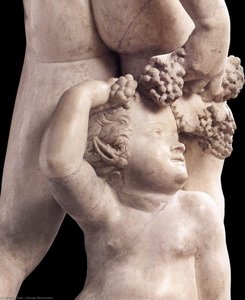
Bacchus


 Espandi i dettagli
Giclée / Stampe d'arte
Stampa giclée o su tela di qualità museale, con produzione rapida e diverse opzioni di finitura. ( Acquista il dipinto realizzato a mano Passa all'immagine digitale)




































Scegli tra le nostre dimensioni predefinite, che rispettano le proporzioni originali dell'opera d'arte.

Inserisci la larghezza e l'altezza desiderate, per adattarle alla tua cornice o alla tua parete. Una stampa può essere solo ritagliata, mai resa più grande dell'immagine originale; pertanto, un formato con una forma differente comporterà la perdita di una parte dell'opera. Ti invieremo un mockup digitale da approvare prima di procedere con la stampa. L'immagine mostrata in questa pagina non rappresenta il ritaglio reale — solo il mockup lo mostra.
Consegna in tutto il mondo () in 2 settimane invece delle normali 4/5 settimane. (8 Novembre)

Spedizione espressa gratuita in tutto il mondo

Tela in lino di alta qualità

Assicurazione completa sulla spedizione

Garanzia di rimborso dei dazi doganali

Garanzia di fedeltà cromatica assoluta

Politica di reso entro 100 giorni (solo per difetti di fabbricazione)

Garanzia di rimborso al 100%

Offerta per acquisti multipli
 L'opzione vetro è disponibile solo per dimensioni inferiori a 110 cm

Bacchus
Giclée / Stampe d'arte
Dimensioni riproduzione
-


Prezzo finale calcolato
€ 72
A Renaissance Reverie: Exploring Jacopo Sansovino’s Bacchus
The sculpture of *Bacchus*, attributed to Florentine artist Jacopo Sansovino, stands as a testament to the humanist ideals and artistic innovations that defined the High Renaissance. Completed around 1515, this marble masterpiece resides within the Bargello museum in Florence—a location steeped in artistic heritage—and continues to captivate viewers with its masterful depiction of Dionysus, the Greek god of wine and revelry. More than just a beautiful object, *Bacchus* embodies a profound engagement with classical antiquity and represents Sansovino’s unwavering commitment to reviving the sculptural traditions of Greece and Rome.The Artist's Vision: Sansovino and Classical Influence
Jacopo Sansovino (1486-1570) emerged from Florence’s vibrant artistic crucible as a protégé of Andrea Sansovino, inheriting his mentor’s dedication to anatomical precision and stylistic elegance. Early training instilled in him an acute awareness of the sculptural achievements of antiquity—particularly the Belvedere Apollo—which profoundly shaped his aesthetic sensibilities. Unlike many artists of his time who embraced Mannerism's stylized distortions, Sansovino steadfastly pursued a path rooted in classical ideals, prioritizing naturalistic proportions and harmonious composition. This commitment is vividly evident in *Bacchus*, where Sansovino skillfully blends elements from various sculptural precedents to create an image that transcends mere imitation; it’s a deliberate reimagining of the past informed by contemporary artistic concerns.A Dynamic Pose: Anatomy and Movement
The sculpture's striking dynamism immediately draws the eye. Sansovino meticulously rendered the musculature of Bacchus’s body, demonstrating unparalleled anatomical accuracy—a hallmark of Florentine Renaissance art. The figure stands with one leg forward, creating a subtle counterbalance that conveys movement and energy. His left arm extends upward, holding a bunch of grapes or possibly a cup – symbols of Dionysian abundance and celebration – while his right hand rests on the thigh, adding to the sculpture’s sense of fluidity. This posture echoes depictions of Apollo Belvedere and other Classical sculptures, underscoring Sansovino's conscious engagement with sculptural traditions. The sculptor’s masterful manipulation of form contributes significantly to conveying the god’s joyous spirit.Symbolism and Context: Renaissance Florence
*Bacchus* operates within a broader artistic context—the flourishing intellectual and cultural landscape of Renaissance Florence under Cosimo I de Medici. The Medicis championed humanist scholarship and artistic patronage, fostering an environment where artists like Sansovino could explore classical ideals while simultaneously innovating stylistic conventions. The sculpture’s placement in Giovanni Bartolini's garden at Gualfonda reflects the Renaissance fascination with reviving the beauty and grandeur of antiquity—a desire to recapture the spirit of Classical Greece and Rome. Furthermore, Sansovino’s work aligns with the broader artistic trends of the period, exemplified by Raphael’s frescoes in the Stanza della Segnatura, where artists sought to elevate art as a vehicle for philosophical contemplation.A Legacy Enduring Beauty
Despite suffering significant damage during the 1762 fire that ravaged Florence's Palazzo Pitti—a tragedy that claimed many irreplaceable artworks—*Bacchus* remains an enduring symbol of Renaissance artistic excellence. Its captivating form, combined with Sansovino’s unwavering devotion to classical principles and humanist ideals, continues to inspire admiration and awe. The sculpture serves as a poignant reminder of the transformative power of art—its ability to transcend time and convey profound emotions while simultaneously engaging in dialogue with the artistic heritage of antiquity. It stands as an exemplar of Florentine Renaissance sculpture, cementing Sansovino’s place among the greatest artists of his era.Domande e risposte
Jacopo Sansovino, autore di "Bacchus", è conosciuto con altri nomi?
Jacopo Sansovino è noto anche con il nome di Jacopo Tatti.
A quale periodo della carriera di Jacopo Sansovino appartiene "Bacchus"?
"Bacchus" appartiene al Mature Period della carriera di Jacopo Sansovino. Questa classificazione riconduce l'opera all'evoluzione dell'artista.
Qual è l'uso consigliato per una stampa di "Bacchus"?
Una riproduzione di "Bacchus" di Jacopo Sansovino è consigliata per Focal. Questo suggerimento deriva dal soggetto, dall'atmosfera e dai colori dell'opera.
Biografia dell'artista
Early Life and Florentine Training
Jacopo Sansovino, born Jacopo Tatti in Florence around 1486, experienced a formative artistic journey beginning in his native city. Initially apprenticed to an unknown sculptor, he quickly demonstrated talent and ambition. In 1511, he received significant commissions, including marble sculptures of St. James for the Duomo and a Bargello-displayed Hart statue. A notable episode occurred in 1518 when his designs for the Santa Maria Gloriosa dei Frari were rejected by Michelangelo, highlighting the competitive artistic climate of Florence. He shared a studio with painter Andrea del Sarto from 1511-1515, further enriching his understanding of Renaissance art. Sansovino’s early work reflects a blend of High Renaissance ideals and emerging Mannerist tendencies.Roman Period and Architectural Development
Following a period in Rome (1519-1527), coinciding with the Sack of Rome, Sansovino's career trajectory shifted dramatically. His Roman experience exposed him to broader architectural influences and honed his skills. During this time he created St. Onofrio and Thomas Rangone. The upheaval in Rome prompted his move to Venice, where he would achieve lasting fame.Venetian Masterpieces and Architectural Legacy
Sansovino’s arrival in Venice marked the beginning of his most prolific period. Appointed architect to the Venetian Republic, he embarked on a series of ambitious projects that transformed the city's architectural landscape. His masterpiece is undoubtedly the Biblioteca Marciana, begun around 1537 and completed over fifty years later. This richly decorated Renaissance structure, located across from the Doge’s Palace in the Piazzetta, exemplifies his ability to blend classical architecture with Venetian decorative sensibilities. Other significant Venetian works include:- The Ca' de Dio hospital.
- The Palazzo Corner.
- The Palazzo Loredan.
- Designs for the Piazza San Marco.
Influence and Historical Significance
Jacopo Sansovino’s historical significance lies in his role as a pivotal figure bridging the High Renaissance and Mannerism. His ability to synthesize classical ideals with Venetian decorative traditions created a unique architectural style that influenced generations of artists and architects. He was a mentor to sculptors Alessandro Vittoria and Danese Cataneo. Sansovino’s work demonstrates a mastery of both sculpture and architecture, solidifying his place as one of the most important Renaissance artists. His legacy continues to inspire appreciation for Venetian art and architecture.
Jacopo Sansovino
1486 - 1570 , Italia
Dettagli rapidi
- Artistic Movement Or Style: Rinascimento Veneziano
- Artists Or Movements Influenced By This Artist:
- Andrea Palladio
- Alessandro Vittoria
- Artists Who Influenced This Artist:
- Michelangelo
- Andrea del Sarto
- Date Of Birth: Circa 1486
- Full Name: Jacopo Sansovino
- Nationality: Italiana
- Notable Artworks:
- Biblioteca Marciana
- Ca' de Dio
- Palazzo Corner
- Piazza San Marco (design)
Articoli correlati

Luce e Pietra: L'Eredità della Scultura in Marmo tra Maestria Classica e Respiro Moderno
Scopri l'arte della scultura in marmo tra maestria classica e Rinascimento. Esplora la storia del canone e della tecnica con noi.

The Enduring Form: Exploring Themes & Techniques in Sculpture Across Historical Periods
Explore the rich history of sculpture from ancient masterpieces to contemporary innovations. Discover key techniques, influential artists & investment potential for discerning art collectors.

The Enduring Allure of Marble in Art History: From Classical Sculpture to Modern Abstraction
Explore the captivating history of marble sculpture from ancient Greece to modern art. Discover renowned artists like Canova & Michelangelo, carving techniques, and investment insights at OriginalUniqueArt.

Il Maestro del Dramma: le 25 Opere più Grandi di Jacopo Tintoretto
Scopri i capolavori di Tintoretto e il dramma del chiaroscuro. Esplora la collezione su OriginalUniqueArt.com.

I 10 Capolavori Bronzei che Hanno Rivoluzionato la Storia dell'Arte | OriginalUniqueArt
Esplora i 10 capolavori bronzei che hanno segnato la storia dell'arte! Da Rodin a Michelangelo, scopri le storie e le tecniche dietro queste sculture iconiche. Trova riproduzioni d'arte di alta qualità per decorare la tua casa con OriginalUniqueArt.com.